

Muskegon County sits along the shores of Lake Michigan with a historical footprint anchored by manufacturing and maritime trade, now home to a localized network of specialized dementia care options. Families navigating a cognitive decline diagnosis here look past generic brochures to find secured perimeters and trained personnel who understand the local pacing. Across this Lakeshore region, choices range from intimate residential settings housing twenty individuals up to larger campus models capping out near sixty-five residents. Finding the right environment means looking closely at whether a secured wing operates within a larger assisted living building or if the entire floor plan was engineered from the ground up for memory support.
Daily Rhythm and Specialized Engagement
Structured routines provide a crucial anchor for residents experiencing Alzheimer's or related dementias along the Muskegon corridor. Staff members coordinate cognitive redirection, physical movement, and sensory activities designed to reduce anxiety and foster moments of recognition.
Meals, medication management, and personal care unfold within predictable daily patterns that limit confusion while respecting individual dignity. Secured garden courtyards and dedicated indoor walking loops allow residents to move freely without safety risks, supporting physical well-being alongside cognitive stabilization.
Navigating Local Financial Realities
Monthly expenses for specialized dementia support in this county range from $3,800 to $4,500 based on verified local inventory. Entry rates reflect the specialized staffing ratios required for secure environments and progressive care delivery.
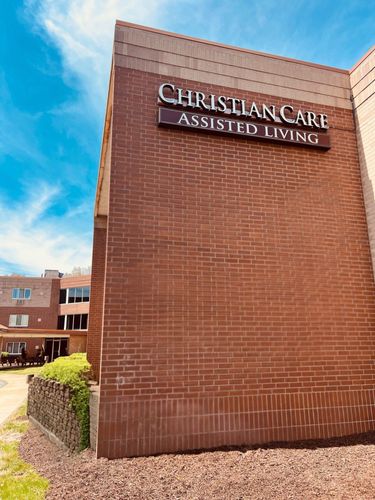
Individual facility pricing varies within this local band, with Chestnut Fields Retirement Community starting around $3,850 per month, Harbor Homes Assisted Living positioned at $4,200, Christian Care Assisted Living at $4,400, and Dayspring Assisted Living Residence reaching $4,500. Only a single community in the local catalog participates in Medicaid assistance.
Regional Demand and Capacity Pressures
With a handful of localized memory care options serving the entire county, available spots remain consistently limited for families needing immediate placement. Local demographic shifts across West Michigan mean that waiting lists frequently form for specialized rooms.
Planning ahead becomes essential when local capacity across these communities remains tight. Families often find that initiating discussions before a crisis point arrives prevents rushed decisions during a stressful transition.
Why Families Choose Local Placement
Proximity to familiar landscapes along Muskegon Lake and supportive family networks makes local placement deeply healing for long-term area residents. Familiar geographic touchstones help preserve a sense of identity even as cognitive abilities shift.
Choosing a nearby setting keeps visiting relatives connected without the strain of long-distance travel. The local environment mirrors familiar Midwestern rhythms, helping new routines feel settled much faster.
Expert Guidance Through Complex Transitions
Navigating admission criteria, evaluating environmental layouts, and timing financial applications require careful orchestration. An experienced advisor helps families balance building safety with individual personality fit.
Understanding Medicaid timelines and facility discharge policies prevents costly missteps during admission. When the details feel overwhelming, reach out to talk it through.
We keep expanding our Muskegon County coverage as we evaluate providers for quality and alignment in 2026. Start the conversation about memory care in Muskegon County, or scan the buildings we cover at your own pace.