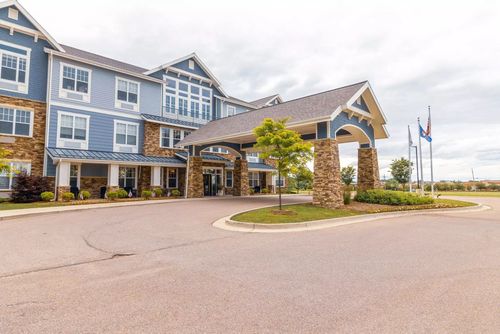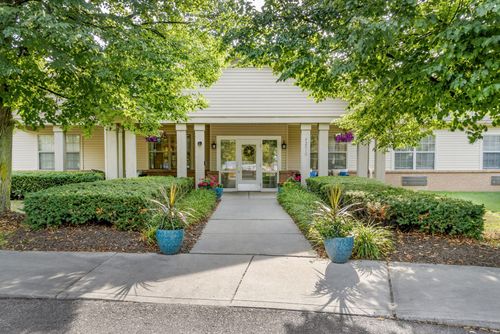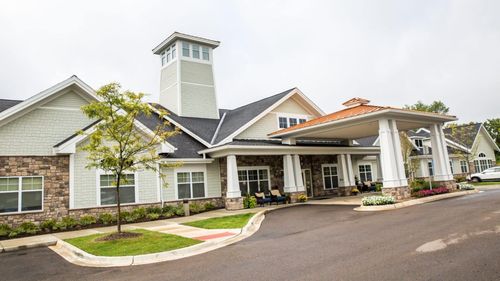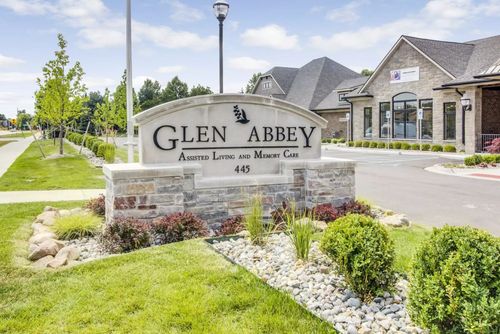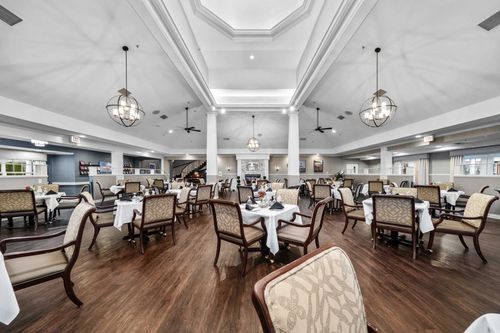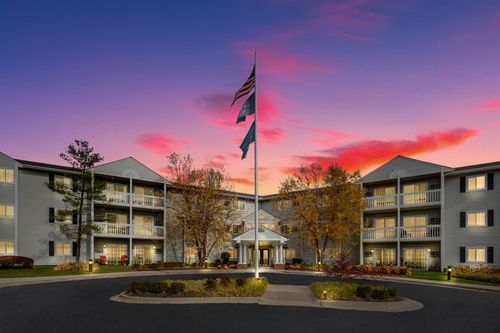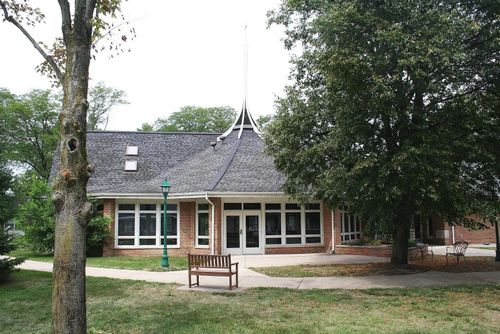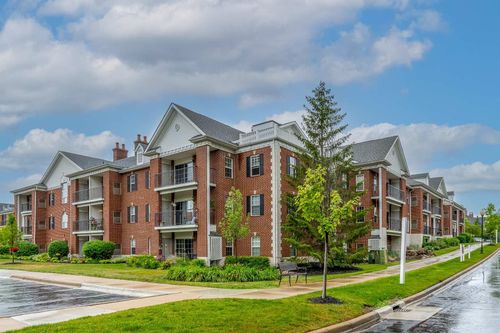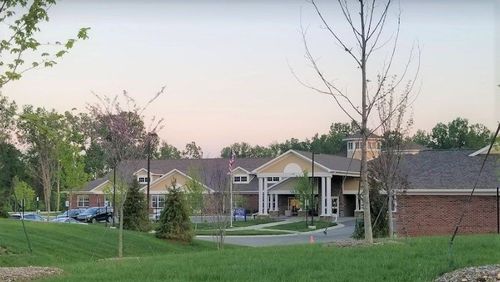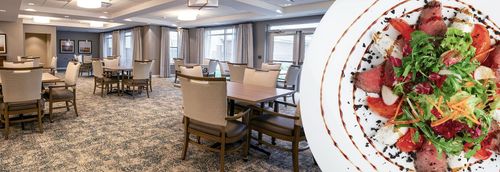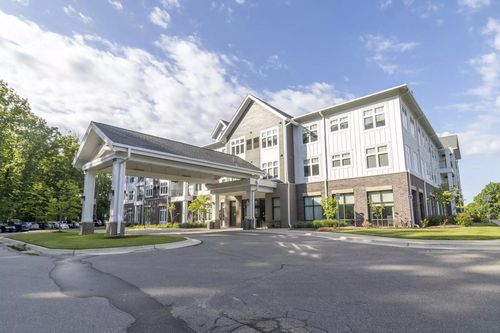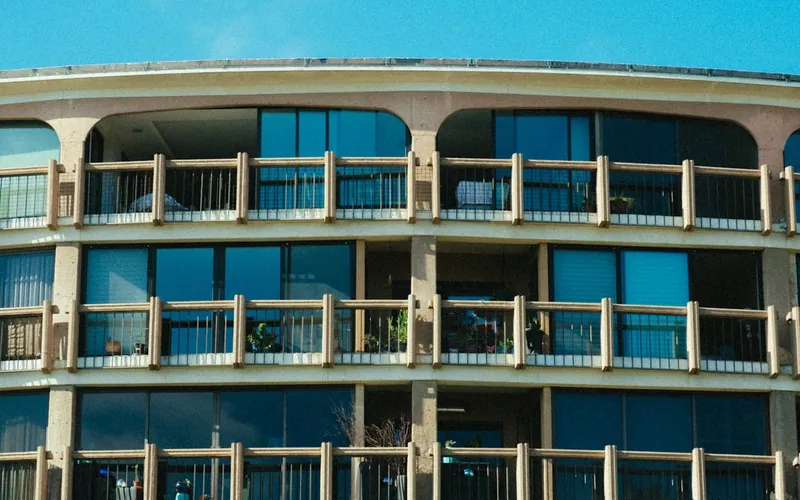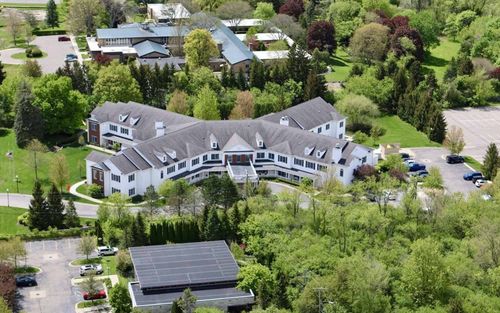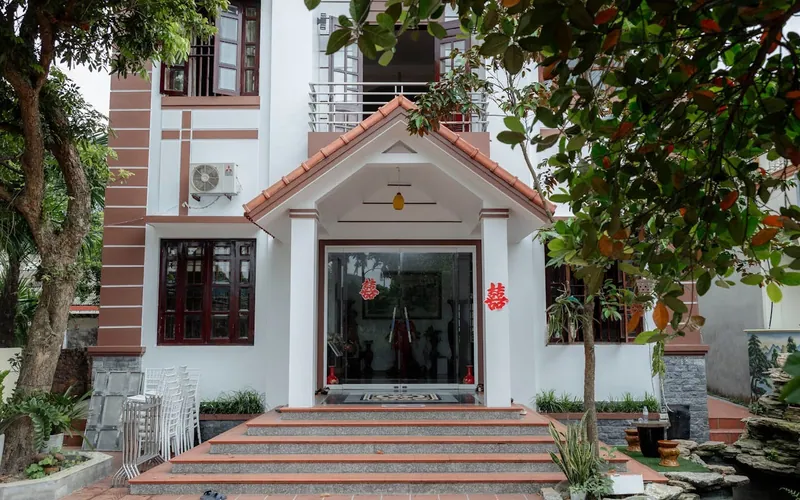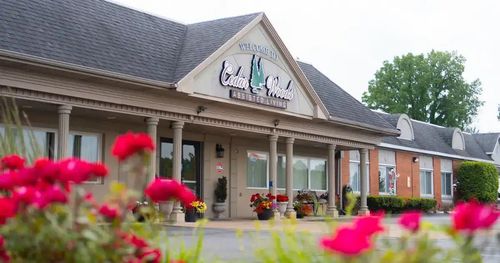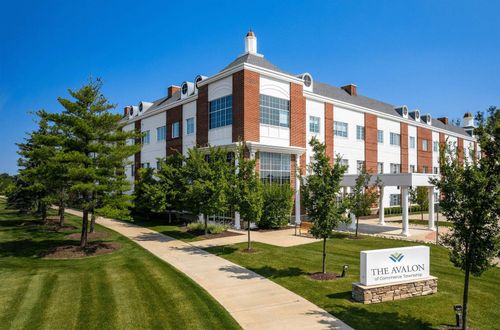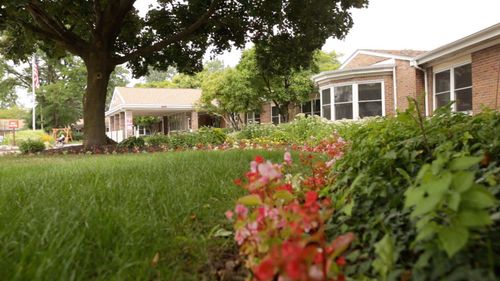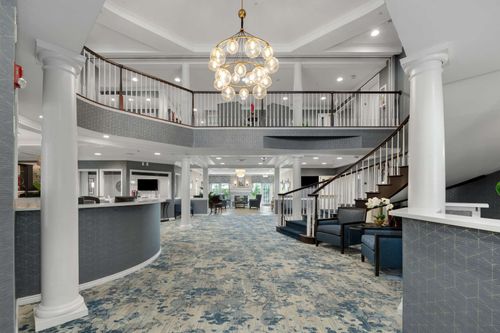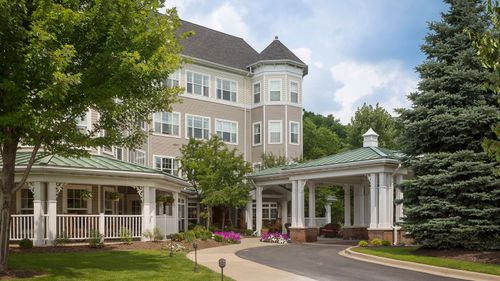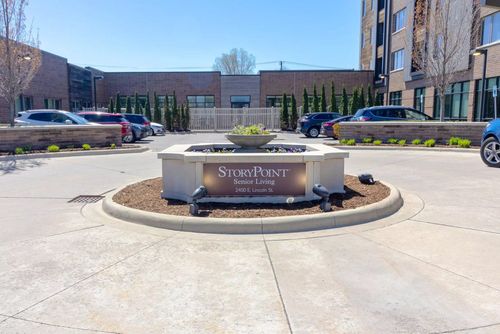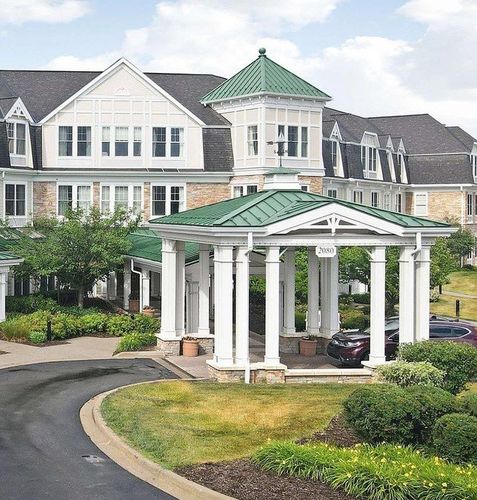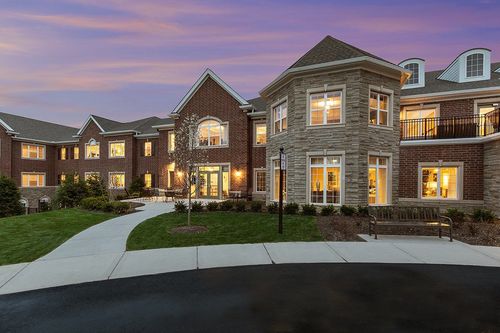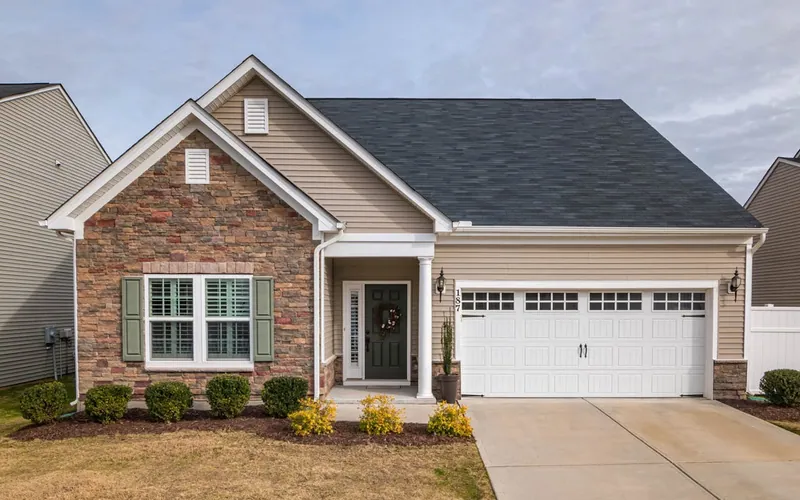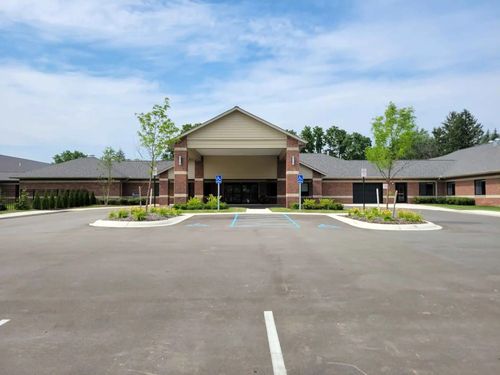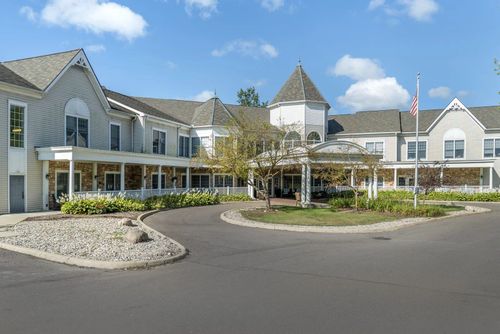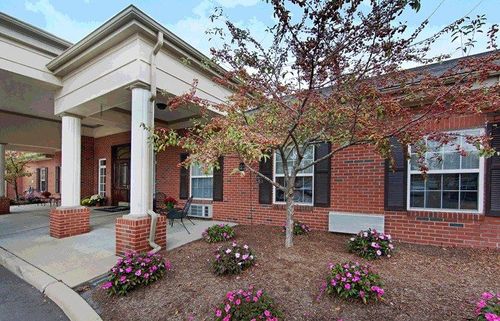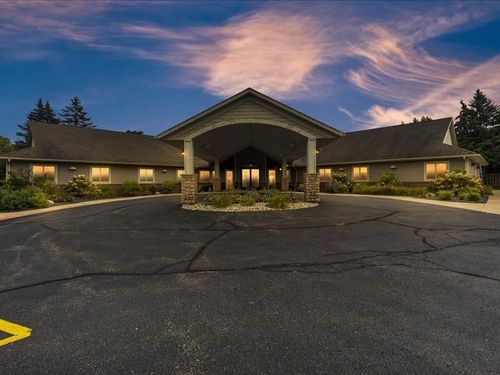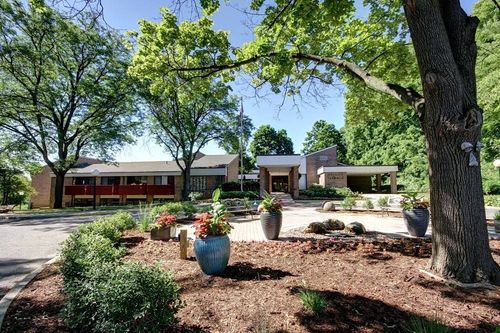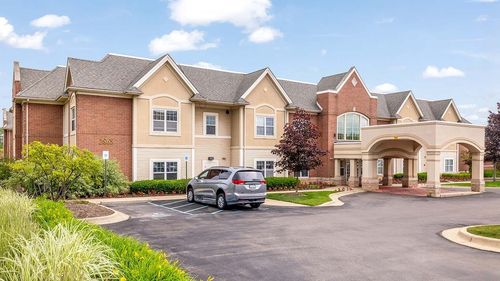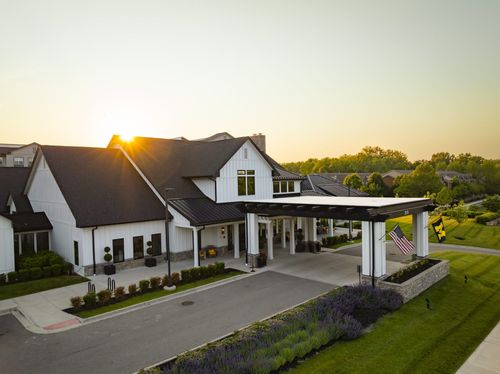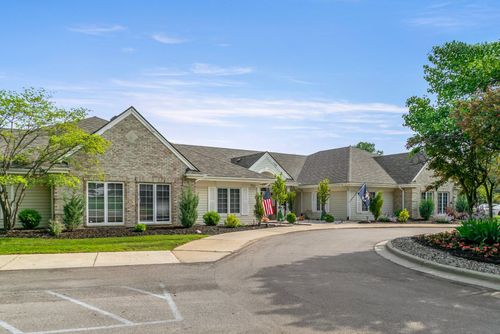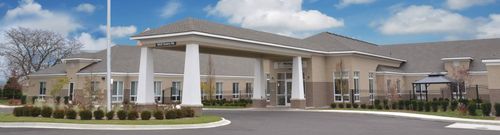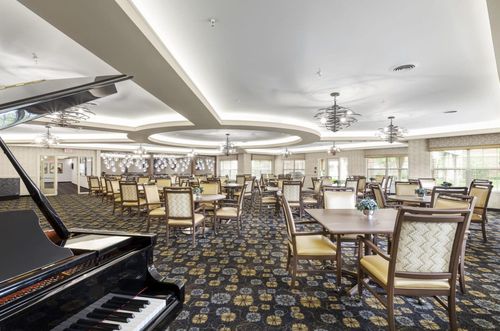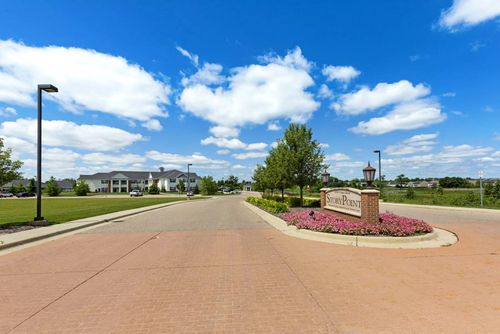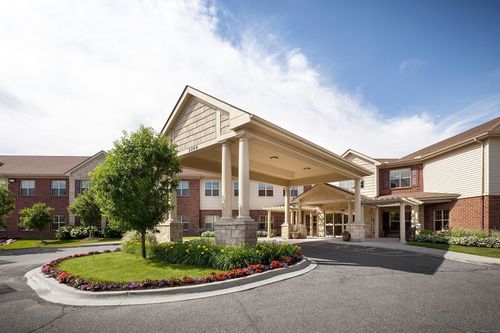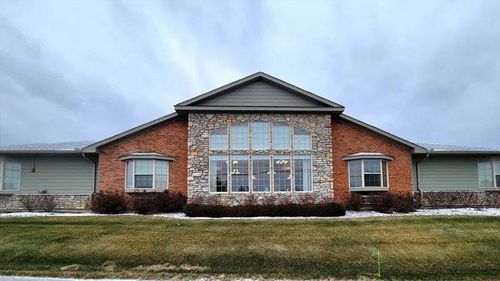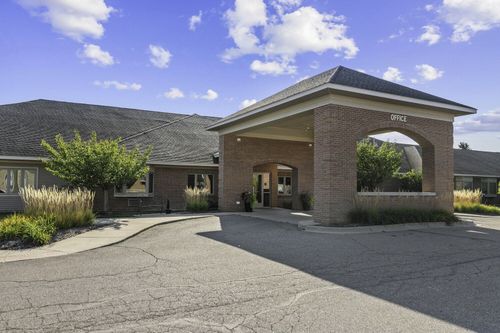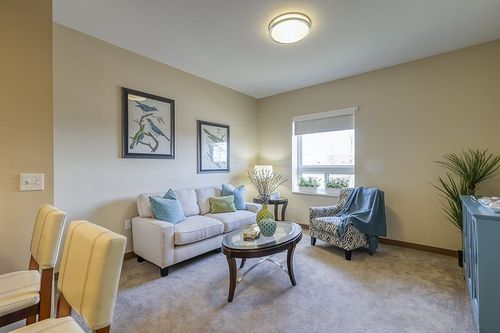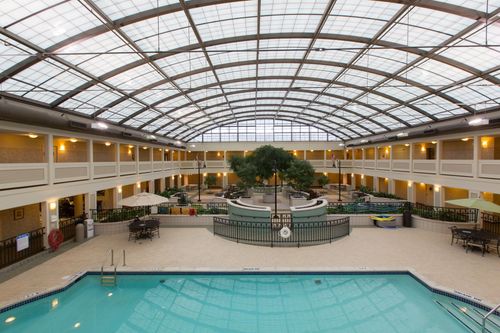
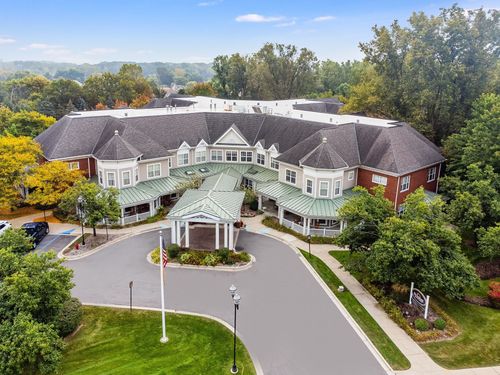
The smallest place in Plymouth charges the most, and understanding why is the most useful thing a family can do before touring anything. Secured dementia care here sits at addresses of very different size, a twenty-resident home and a campus of sixty-five with a secured wing inside it, and it is the small one whose published rate is higher.
That inversion is not a quirk of the local market. Dementia care is priced by staff hours per resident rather than by floor area, and a house of twenty spreads the cost of round-the-clock caregivers across twenty people while a campus spreads a larger but proportionally leaner team across three times as many.
What Twenty Residents Buys
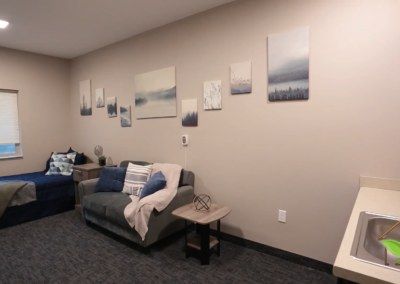
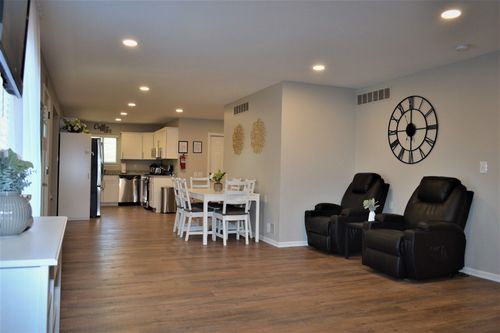
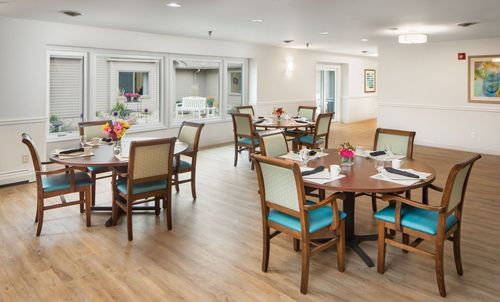
In a licensed home of that size, a resident is known rather than managed. The same small group of caregivers is present across most of the week, meals come from one kitchen and adapt without a process, and a change in someone's sleep or appetite is noticed by a person who saw them the day before. For a resident who is easily overwhelmed, that closeness is often the whole reason the placement works.
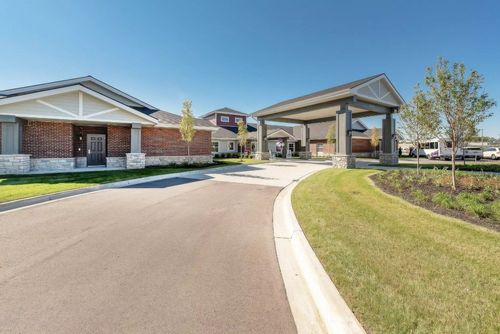
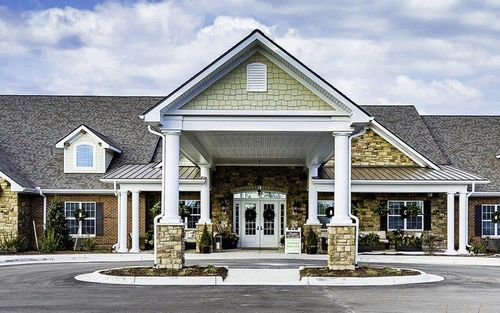
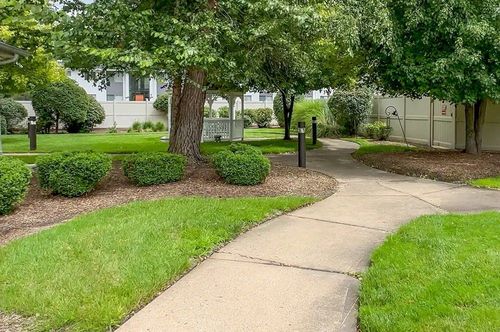
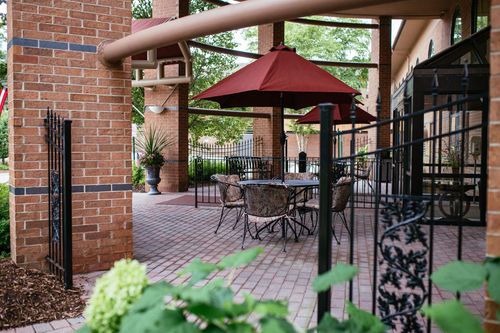
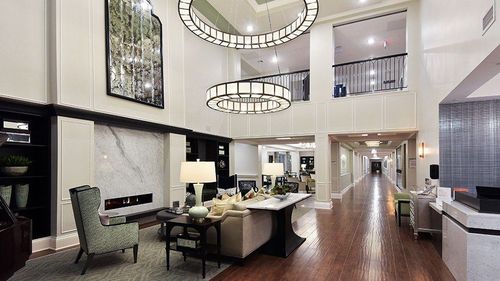
A secured wing inside a larger campus offers a different set of advantages: more staff to absorb a difficult stretch, a fuller calendar of things happening, and specialists on site because the building already runs assisted living alongside. Both formats keep the exterior doors secured and the outdoor space enclosed, both provide personal care at any hour rather than on a schedule of visits, and both keep staff awake overnight. The question is not which is better but which one this particular person would settle in.
Staffing, Not Square Footage
Published entry rates in Plymouth run $4,526 to $6,500 a month in 2026, with the campus at the lower end and the licensed home at the higher. The secured figure at each is set after an assessment and lands above both, and the interesting local detail is that the gap narrows sharply at that point: the small house starts high and the campus climbs to meet it, because both are ultimately paying for the same thing, which is people on the floor.
Neither Plymouth address bills Michigan Medicaid, so this is privately funded. Michigan's MI Choice waiver meets the care bill and never the rent, and it is slot-limited, so it rarely arrives on the schedule a family needs. The number a household will actually live with is the assessed one, so get it, along with whatever event would raise it, before the published figure shapes anyone's expectations.
Western Wayne's Older Streets
Wayne County runs younger than Michigan overall, with about one resident in six past 65 against roughly one in five statewide, but the county average hides how differently its edges have aged. Plymouth and the townships around it hold households that arrived in the 1970s and never left, which is why demand here does not track the county figure.
Two secured settings for a market that size means openings arrive rather than accumulate, and the smaller house in particular has no meaningful queue: it has a room or it does not. One of the two takes respite guests, which is often the practical way in.
Why Plymouth Families Stay Inside Twenty Minutes
Visiting frequency decides more dementia placements than any feature of a building, and western Wayne makes it easy to protect. Adult children in Canton, Northville and Livonia are inside twenty minutes of either address, close enough that a visit becomes a habit rather than an outing, and habits are what a resident with failing memory actually registers.
The medical picture is close as well, with Trinity Health Livonia on Five Mile Road is about six miles away, with 304 beds and a Level II trauma designation, which covers nearly everything an older resident needs, and the region's Level I trauma care sits roughly twenty miles east for the rare occasion it is required.
What a Local Advisor Brings to Plymouth
The published rates in Plymouth actively mislead, and that is the single most useful thing to know before touring. An advisor working western Wayne can say what each address would actually quote for a specific resident, how quickly each has raised a rate in practice, and which currently has a secured room.
Beyond price, the knowledge that matters is behavioral: which setting has kept a resident who paces in the evenings, which has asked a family to move someone on, and how each handles the stretch when nights go badly. If the two look incomparable on paper, which they will, a short conversation is usually enough to make them comparable.
Our Plymouth directory keeps expanding as we evaluate providers for quality and alignment in 2026. Reach out for a conversation about memory care in Plymouth, or browse the communities we have vetted at your own pace.