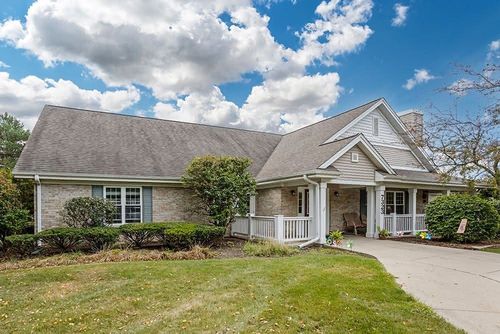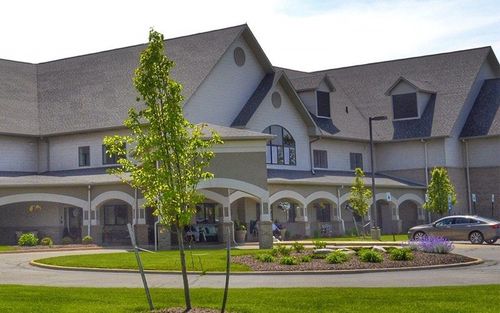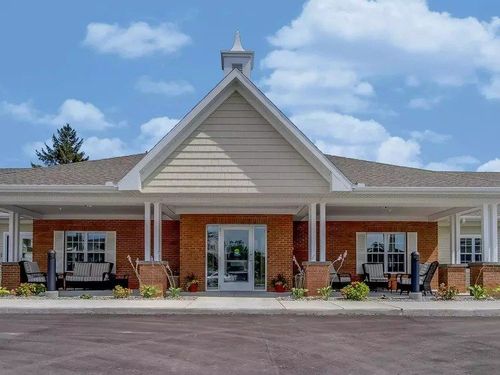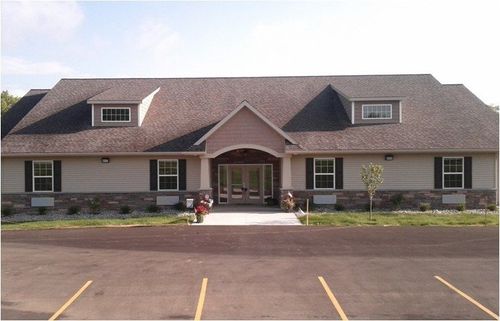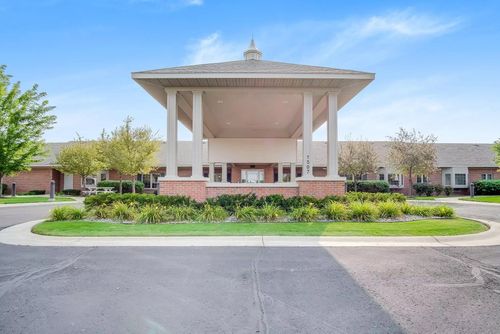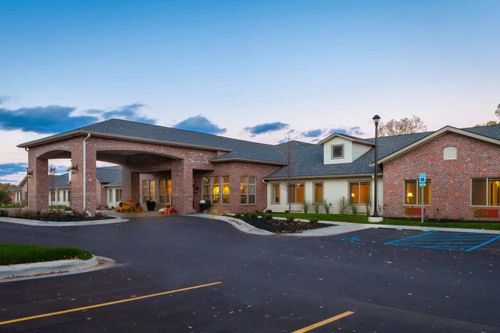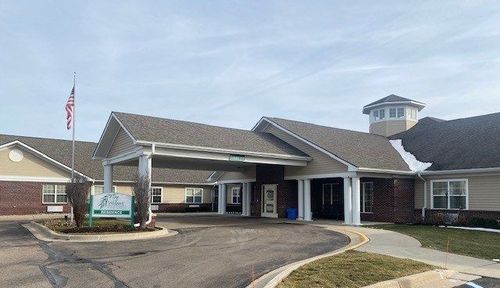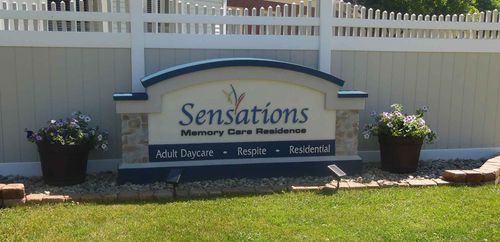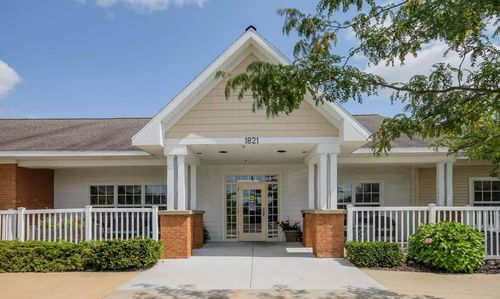
Ten rooms for daily help and ten behind a secured door is about as even as a small building gets, and Portland Assisted Living & Memory Center on Charlotte Highway, the 1 matching community, is built exactly that way. The name says what it does, and the division tells a household what to expect.
What it offers is range: a resident who develops memory loss changes rooms rather than towns, and a search that would otherwise start again from nothing ends inside the same building. What it gives back is availability, because ten rooms on the secured side is a shallow pool, and a shallow pool means the timing of an opening decides more than any comparison does.
Ten Secured Rooms and How They Run
The substance of dementia care does not change with the size of the building: medication entirely the building's job, washing and dressing supported at whatever pace suits the resident, unhurried meals, a secured perimeter, and a night shift that is properly awake.
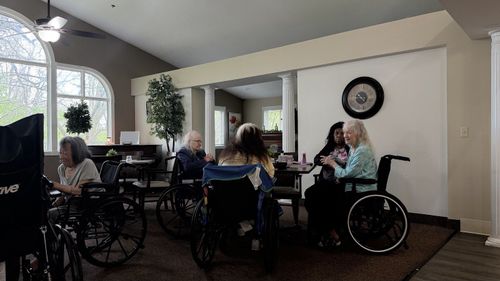
At ten residents the character of it does change. Caregivers hold each person's ordinary day in their heads rather than in a file, so a shift in appetite, sleep or steadiness reads as a change rather than as behaviour, and that is the early-warning system a small secured setting really sells. Against that, ten people cannot fill a week, so the days are quiet and there are few others to sit with. Someone bewildered by a larger building finds that restful; someone who stayed sociable can find it too still.
Two Rates in One Building
The published entry figure is $4,100 a month in 2026, around the middle of what buildings in this part of the state ask, with the secured room quoted above it. Having both under one roof spares a second search entirely, which is worth something a price list does not show.
The number to work from is the secured one, so ask for it directly, then ask what raises it as needs deepen and what the building would want from an assessment before agreeing to a move across. Medicaid is not accepted here, making the arrangement private. The state's waiver pays toward the caregiving rather than the accommodation, so rent and meals stay with the household regardless, and it opens only after the finances are tested and an assessor confirms nursing-facility level need.
A Shallow Pool at Both Levels
About one Ionia County resident in six has passed sixty-five, and Portland sits at the county's eastern edge on the interstate. Twenty rooms serve the town and the country around it, split evenly between two levels.
That evenness is what makes the timing question sharp. There is no respite option here to bridge a gap, so a room is free or it is not, and households at both levels are waiting on the same building. Touring early, completing an assessment and staying in contact is the only thing that reliably improves the odds when a room does come free.
Two Hospital Directions Rather Than One
Portland's position on the interstate gives it a choice of direction, which matters more than the mileage does. West lies the county hospital in Ionia, a critical access building dating from 2015 with an emergency department, imaging and surgical services, which handles most of what an older adult needs in an ordinary year.
East lies Lansing and the far larger campus that takes what a critical access hospital cannot. For a resident with dementia and another condition running alongside it, being able to choose the direction that suits the specialist rather than the geography is a real advantage, and it means a confused stretch caused by an infection gets assessed quickly rather than after a long committed drive.
What a Local Advisor Brings to Portland
With ten rooms on the secured side, the useful knowledge is about movement rather than choice. A Local Senior Advisor covering eastern Ionia County follows when the secured rooms are likely to turn over, how far the building goes with a resident whose evenings get difficult, and what it wants before agreeing to a move across from the open side.
The preparation half matters as much in a pool this shallow. An assessment already completed, a funding position understood and a relationship with the building in place is what converts a call about a vacancy into a decision. Families who reach out while the situation at home is still steady are the ones who get that call and can act on it.
Our Portland directory keeps expanding as we evaluate providers for quality and alignment in 2026. Start the conversation about memory care in Portland, or look through the buildings we cover at your own pace.