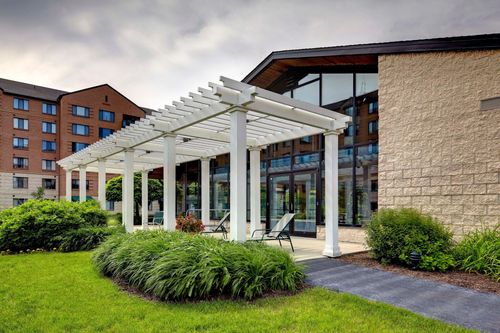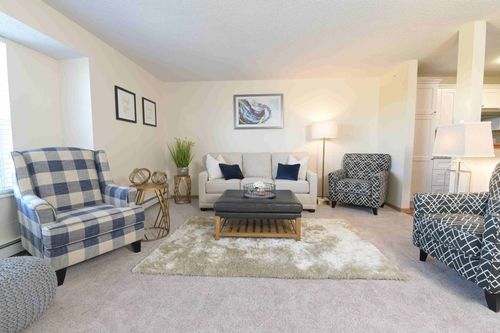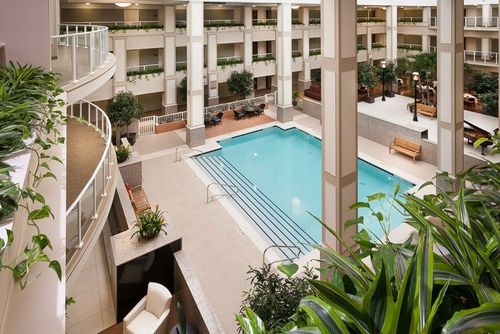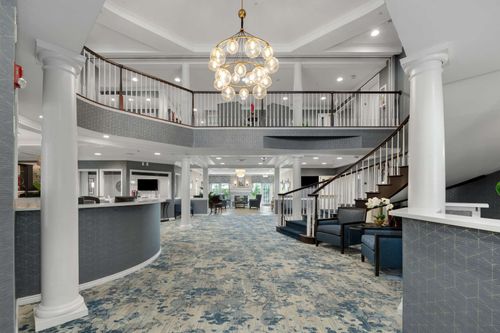
Riverview is a small Downriver city where a great many households have never lived anywhere else, and the independent living decision here is usually made for social reasons dressed up as practical ones. Atria Kinghaven, advertised from $4,200 a month, is the local address, and the people moving into it are typically not struggling with a house so much as tired of eating alone in one.
That is worth saying plainly, because families often feel they need a medical justification for a move that is really about company, and the absence of one delays the decision by years.
The Case Nobody Puts Out Loud
A widowed resident in a Downriver bungalow can pass most of a week without a real conversation. Meals get skipped because cooking for one is dispiriting rather than difficult. The television goes on at nine in the morning. None of that is a health problem yet, and all of it becomes one eventually, through appetite, sleep and the slow narrowing of what somebody is willing to do.
What an apartment in a building full of other people changes is the default. Meals happen in a dining room with other people at the table, there is something on most days for anyone who wants it, and the corridor produces the incidental contact that a house cannot. Families consistently report that a parent looks better within two months, and consistently attribute it to the wrong thing.
What the Rate Covers, and Where the Line Is
The advertised figure buys the apartment and its utilities, meals, weekly housekeeping, the maintenance a house used to demand, transport to appointments and errands, and a calendar. Care forms no part of it, so residents keep charge of their own medication, make their own appointments and look after their own health, and nothing is assessed when they arrive because there is nothing there to assess.
That line is worth understanding at the start rather than at the point it is crossed. No Michigan programme subsidises an apartment at this level; the state's waiver route opens only for people whose needs are rated at nursing-home level, which nobody at this stage approaches. What deserves planning is what happens later, so ask what the same building charges when hands-on help becomes necessary and whether it can provide it on site.
A Corridor That Keeps Its Own
Wayne County reads younger than Michigan overall, at about one resident in six past sixty-five, but the Downriver communities hold their older residents rather than exporting them, and Riverview is a clear example. Demand at this level is steady rather than urgent, and lists move at their own pace.
Proximity is why nobody wants to leave, since adult children and grandchildren are usually a few minutes away rather than a few suburbs, and a resident who moves within the city keeps their parish, their shops and the people they have known for fifty years, which makes the move genuinely just the house.
Working With a Local Senior Advisor
The useful work here is comparison and timing rather than placement. A Local Senior Advisor can lay out the full pricing ladder, explain what a building requires before it says somebody needs more than this level, and read the wait list honestly for the specific apartment a household wants.
It also helps to have somebody say out loud that wanting company is a sufficient reason to move, because families who wait for a medical justification generally get one, and it is rarely the moment they would have chosen. Talk it through a year before you think you need to.
The Riverview directory continues to grow as we evaluate providers for quality and alignment in 2026. Reach out for a conversation about independent living in Riverview, or browse the communities we have vetted at your own pace.