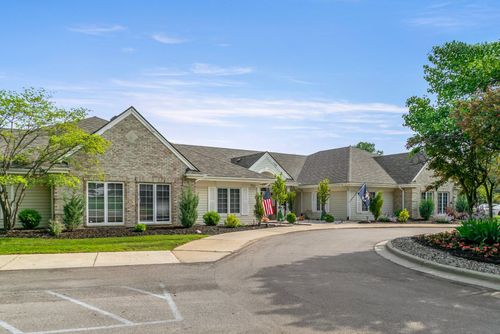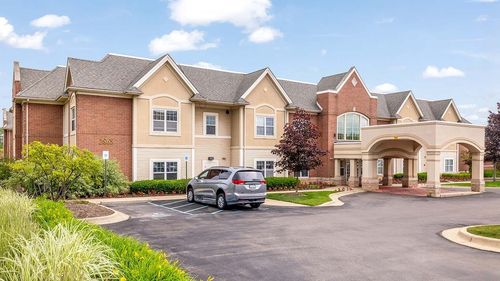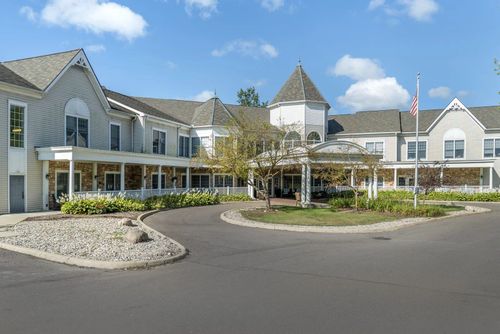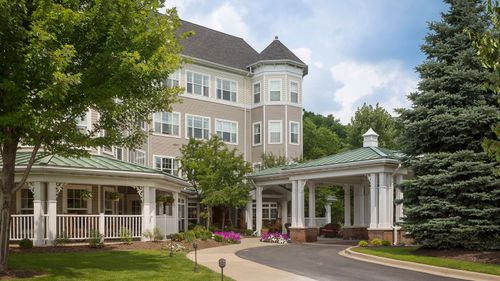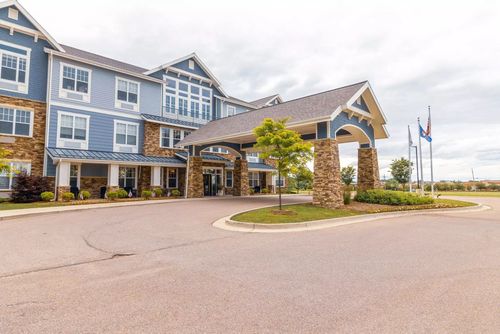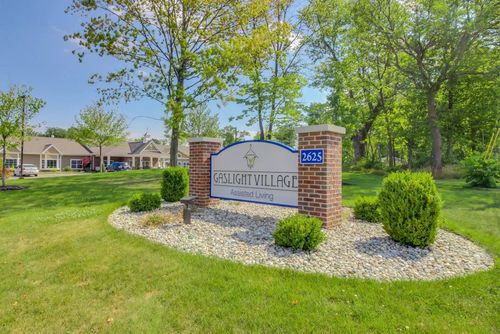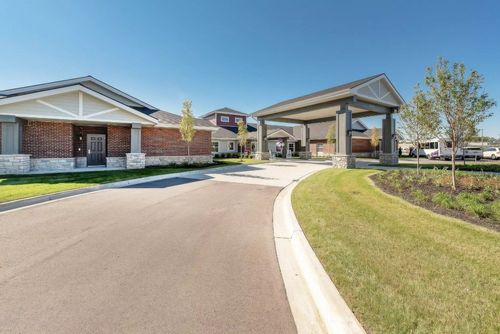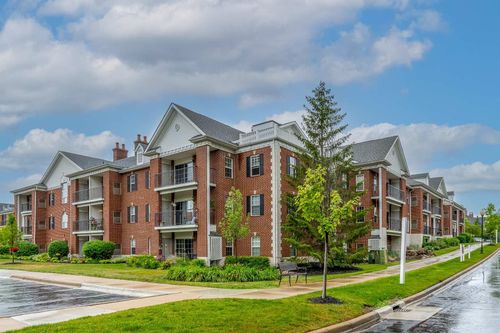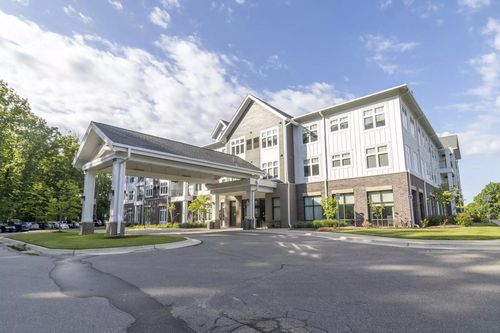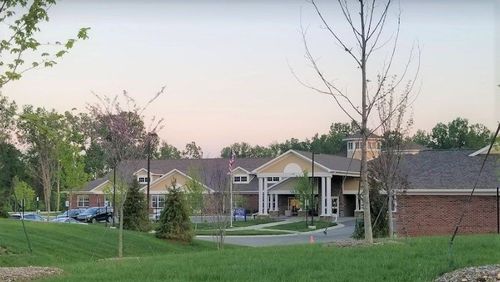

When somebody moves into senior living with an animal, the animal has usually aged alongside them. A cat that arrived as a kitten when a resident was seventy is fourteen now, and the dog that used to pull on the lead has arthritis in both hips. StoryPoint Saline, at $4,500 a month, is the Saline address that welcomes pets, and most of what a household needs to plan for is about an old animal rather than a young one.
That is not a reason to leave the animal behind. It is a reason to think about the next few years rather than only about moving day.
The Part About the Vet
An old animal needs veterinary care more often, and somebody has to get it there. A resident who has stopped driving cannot, and that single fact is the practical hole in a lot of otherwise well-made plans. Saline sits close enough to Ann Arbor that veterinary services of every kind are within a short drive, which helps considerably, but only if there is a driver.
The options that work are the ordinary ones agreed in advance: a family member who takes the appointments, a neighbor, a paid service, or a mobile veterinarian who comes to the building where one is available and the community permits it. Ask the community about that last one specifically, because policies on outside practitioners visiting a resident's apartment vary and it is easier to establish before a move.
Cost is the other half of the same question. Veterinary bills for an animal in its last years can be substantial and they arrive without warning, which is worth building into the same conversation as the monthly rate rather than treating as a separate problem for later.
What the Building Will Want
Expect vaccination records to be current before an animal arrives, a limit on how many animals may be kept, and rules about size and breed for dogs that generally come from what a building's insurance will underwrite. There will be something charged at the start and something added monthly for each animal, with terms set by the building rather than by any standard.
For a dog there is also the state licensing requirement, handled through Washtenaw County against an up-to-date rabies record. None of that is onerous, and all of it is easier assembled a few weeks before a move than in the week of one.
What to Agree in Writing
Three things belong in writing rather than in a conversation. Who is named as responsible if the resident is hospitalized or becomes unable to care for the animal. What happens to the arrangement if the resident's own needs change and a move within the building becomes necessary. And what the community does, if anything, when a resident can no longer manage the day-to-day care but wants the animal to stay.
That last one is the question most likely to arise and least likely to have been asked. A community with a considered answer is worth a great deal to a household in this position, and a community that has never thought about it is telling you something too.
Getting the Saline Arrangement Written Down
An advisor covering Washtenaw County can confirm the current rules against the actual animal, find out what the building permits regarding visiting veterinarians, and get the responsibility questions answered plainly rather than left comfortable and vague.
If an old cat or an ageing dog is part of what a Saline household is planning around, talk it through and the next few years can be thought about properly rather than one move at a time.
Our directory for Saline continues to grow as we evaluate providers for quality and alignment in 2026. Start the conversation about pet friendly in Saline, or scan the buildings we cover at your own pace.