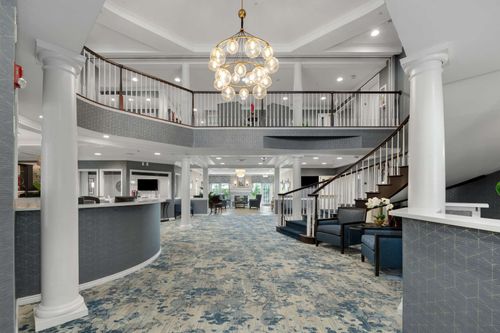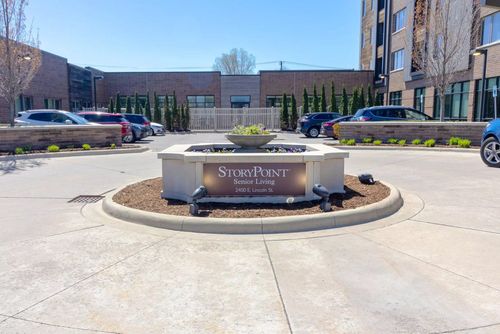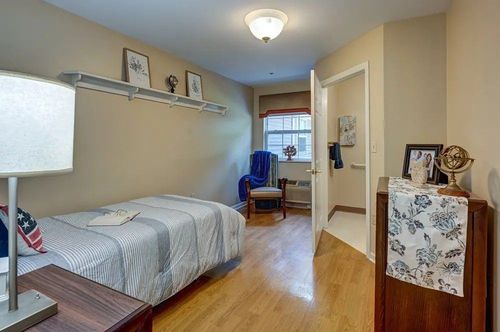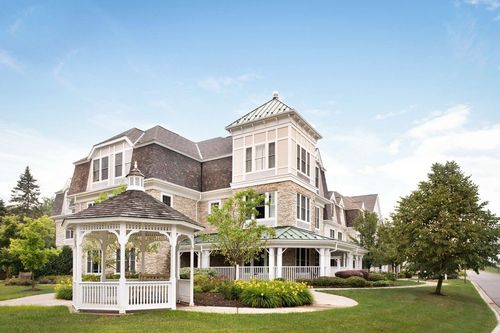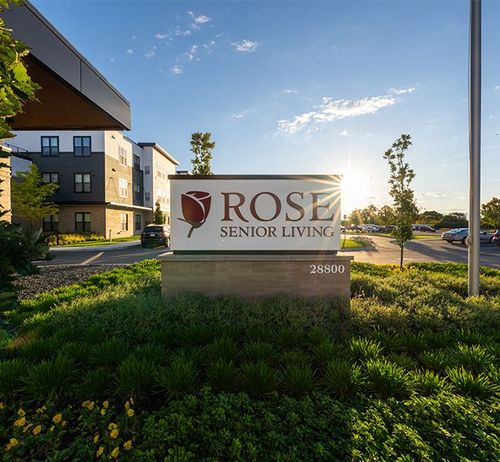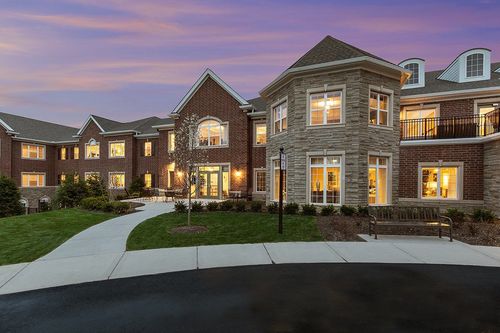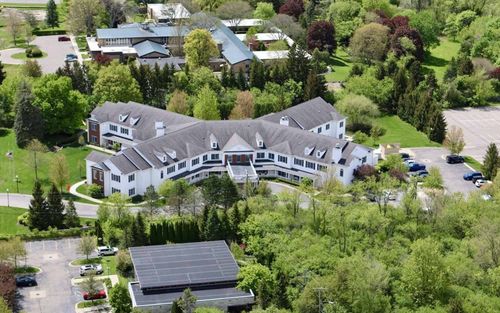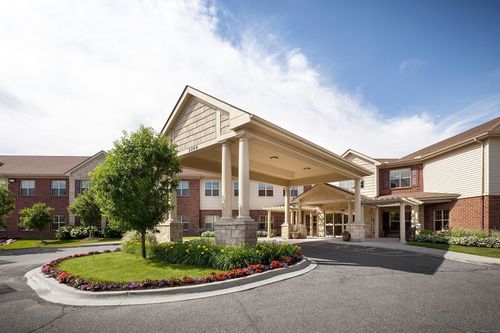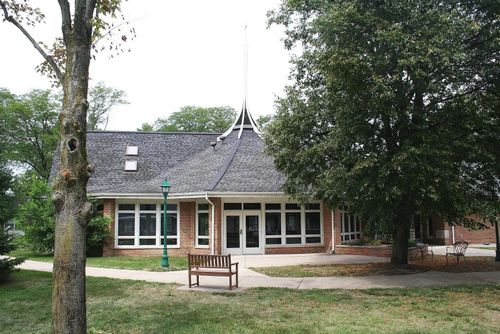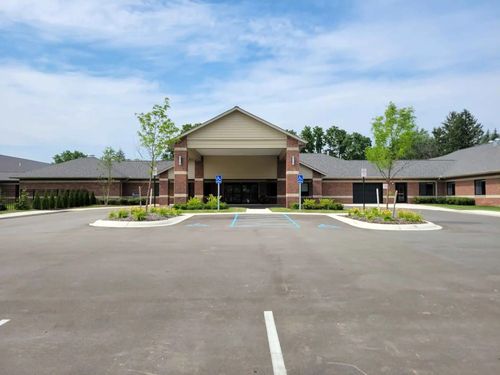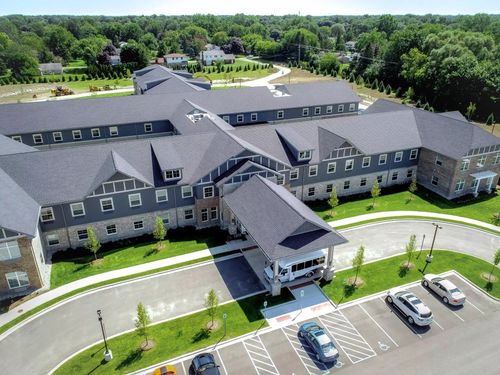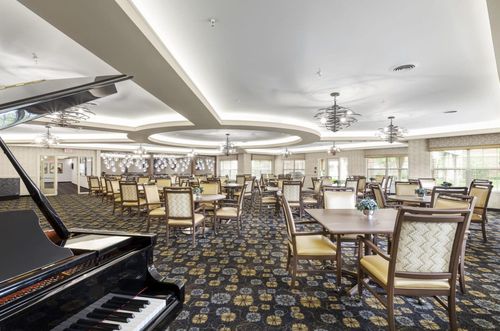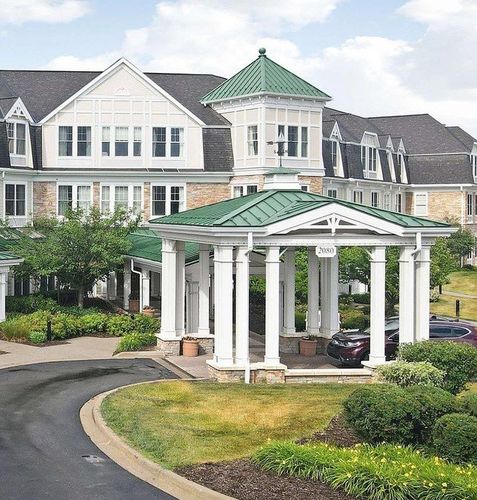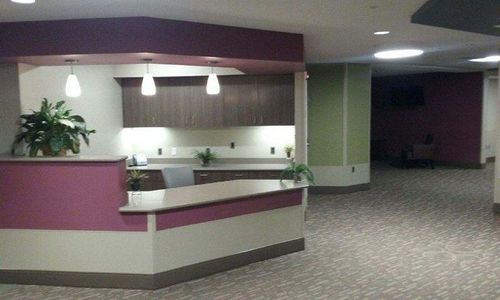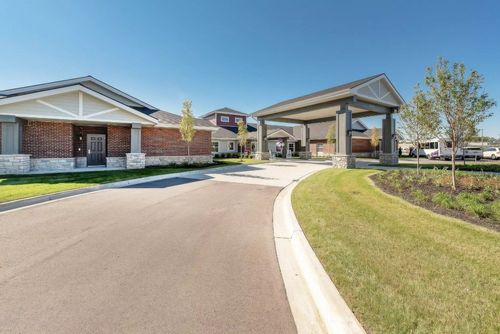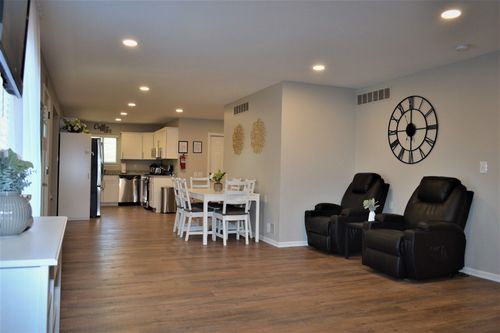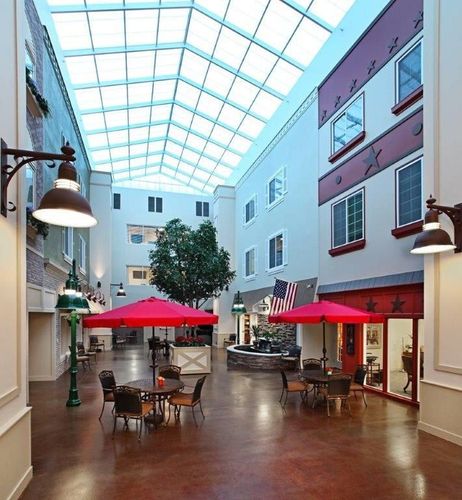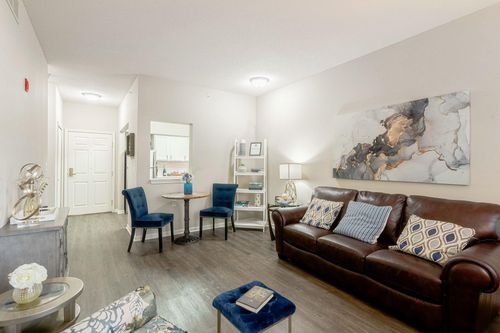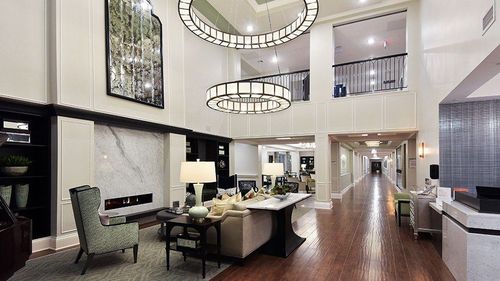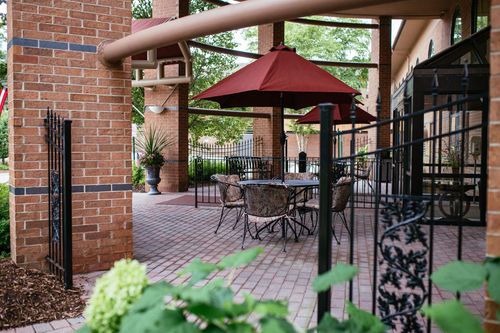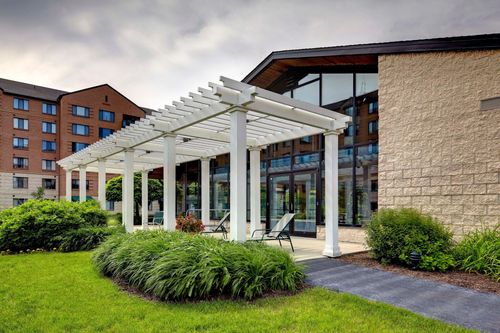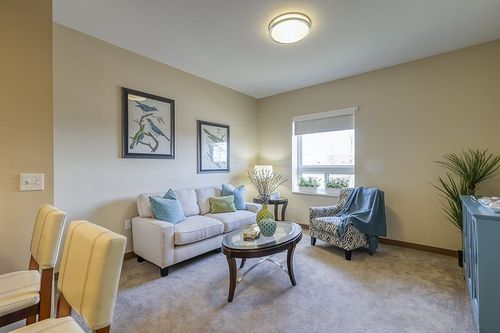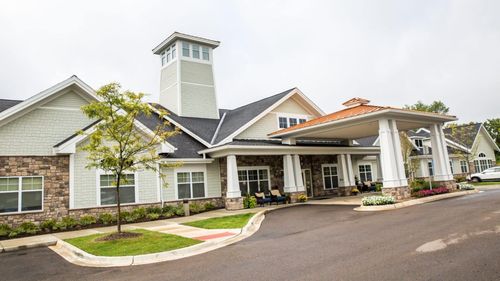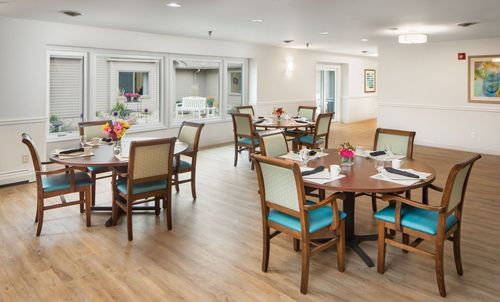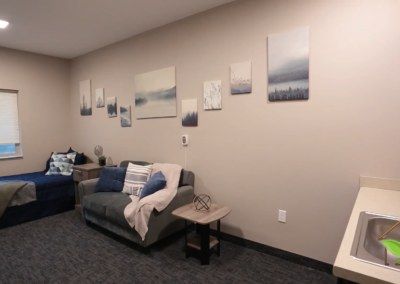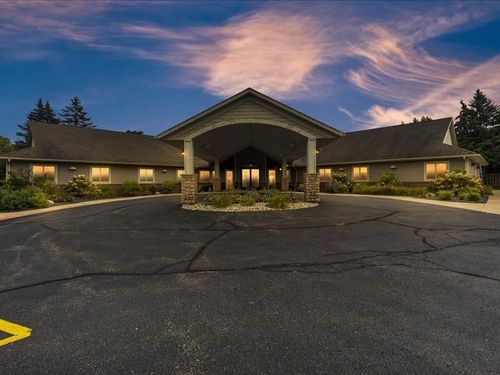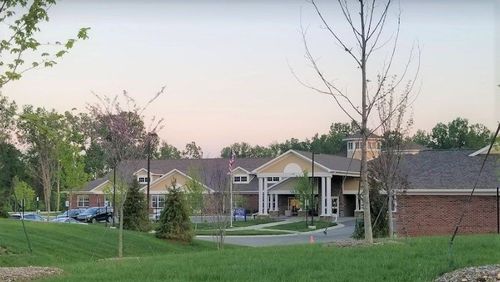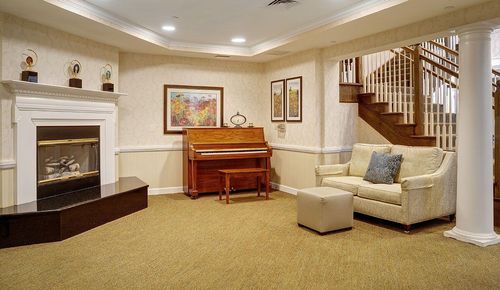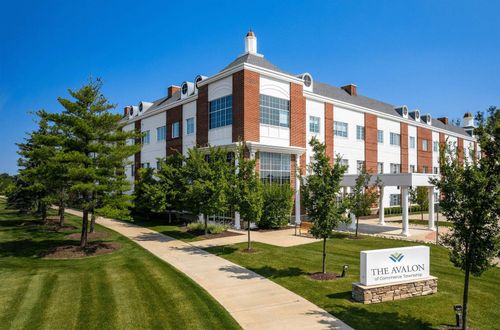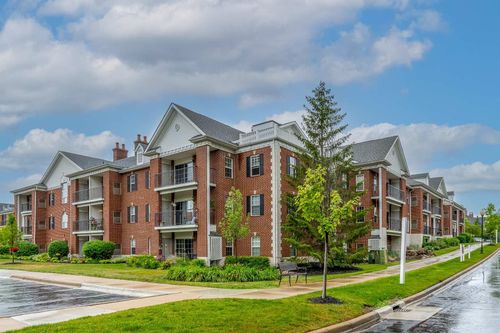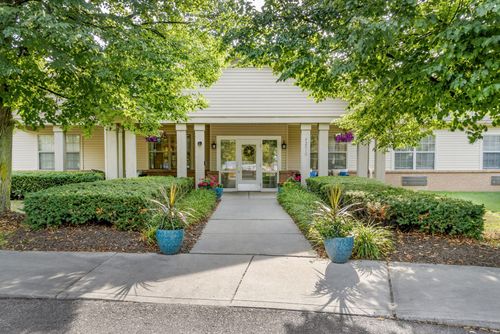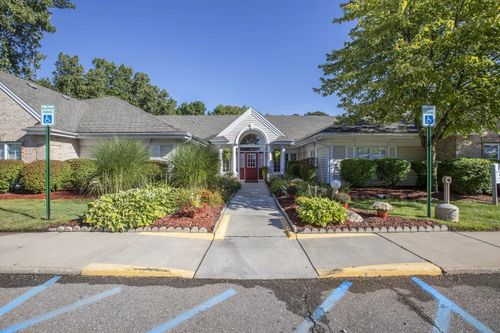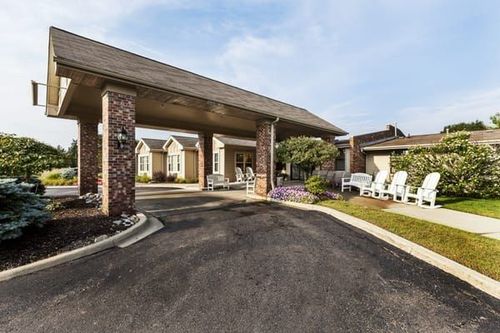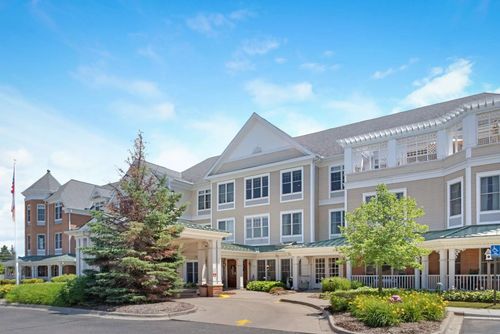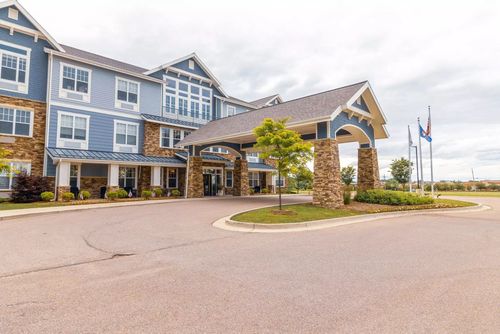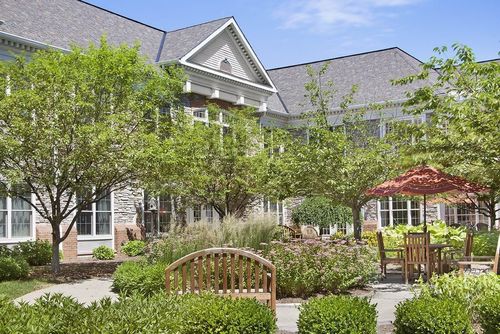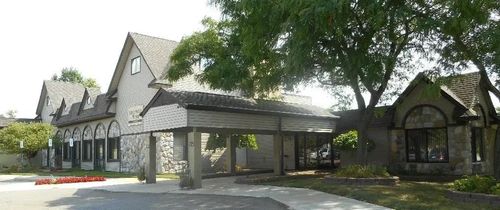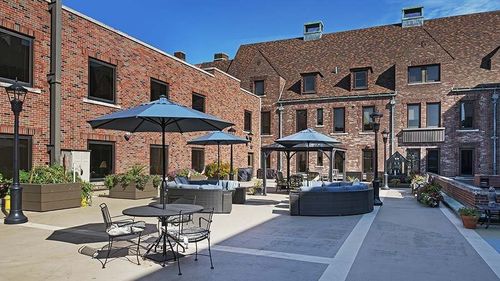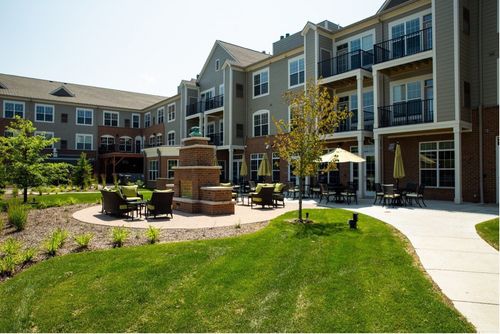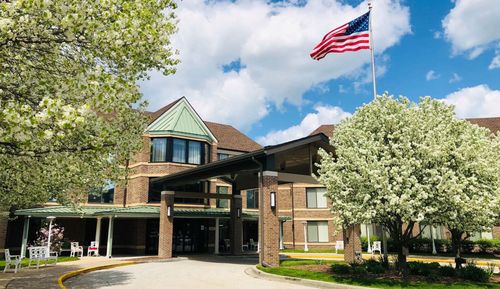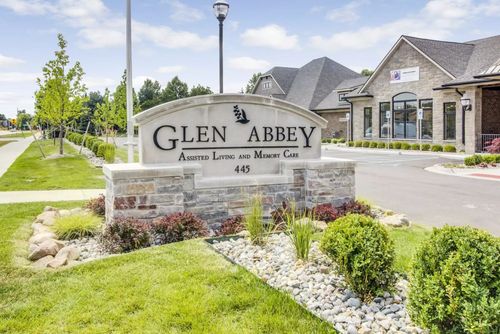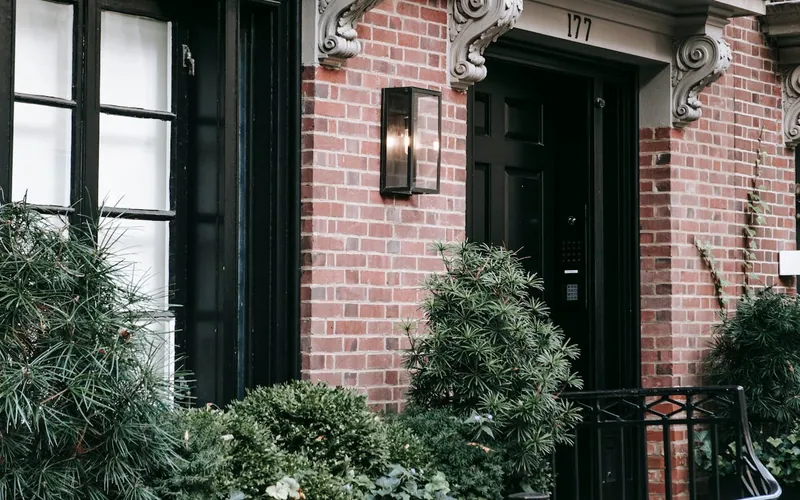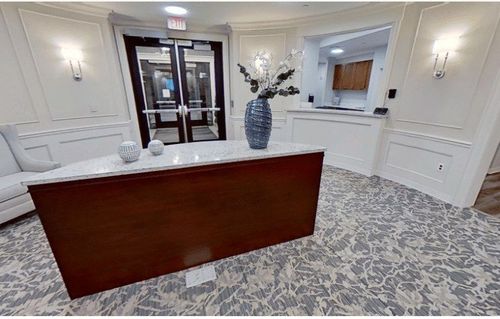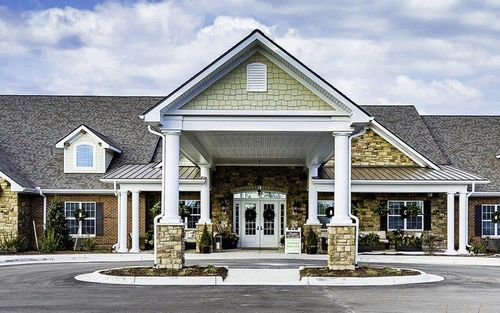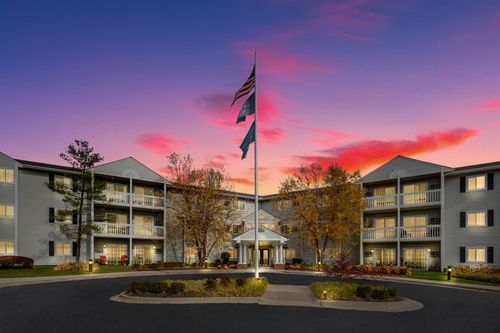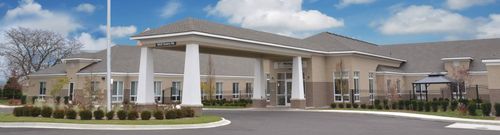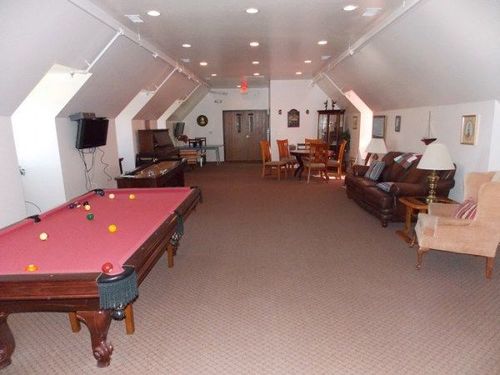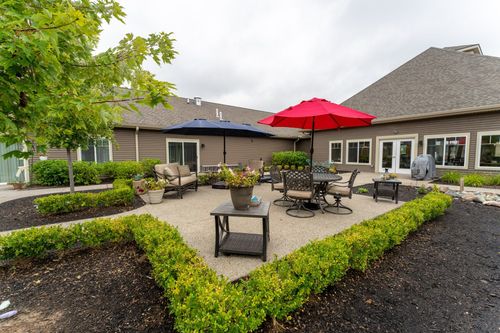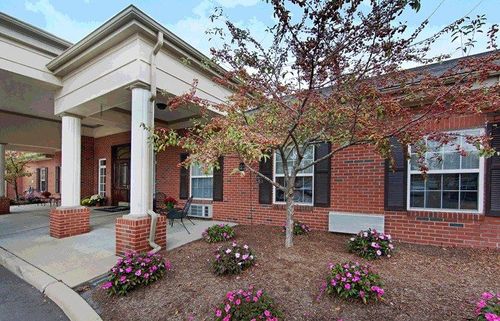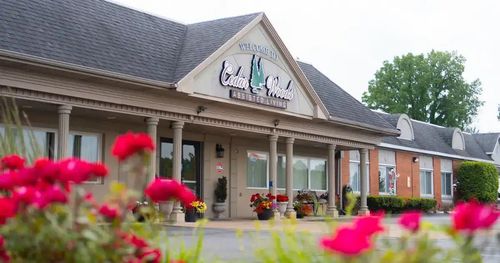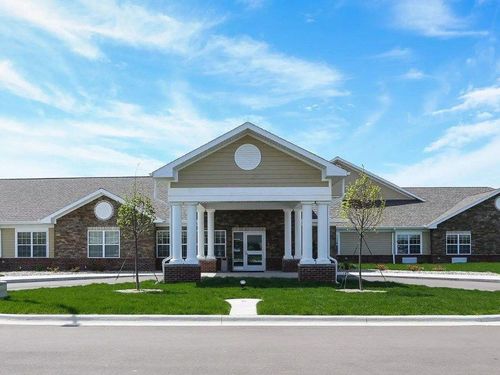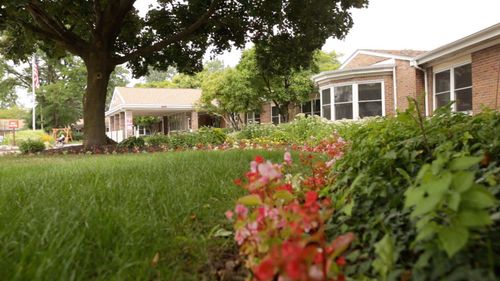
The agency that administers Michigan's long-term care waiver for this entire corner of the state has its offices on Northwestern Highway in Southfield. AgeWays covers six counties from here, which means the machinery a family might eventually need is a few minutes from the city's secured dementia address, St. Anne's Mead Retirement Home, published from $4,443 a month.
That proximity is more than a curiosity: Southfield households sit closer to the assessment, the paperwork and the people who process it than almost anyone else in Michigan, and yet the file is opened just as late here as it is in a village three hours north.
Why Timing Beats Distance
Public money reaches the care and stops at the door of the room, so rent and food remain the resident's own expense permanently. Two conditions govern access, the first being that a clinician must certify need at the level a nursing home would provide, which secured dementia care normally satisfies, and the household's assets must fall inside published limits. The state rations places, so a queue sits behind it no matter which postcode a family is applying from.
That is why being near the office changes nothing on its own. What it does change is how easily a household can get a straight answer early, and early is the whole game. A family that opens the file while private funds still have two or three years left is planning; a family that opens it in the month the money runs out is hoping.
Choosing on Staffing Rather Than Finish
Southfield has scale in almost everything except this being a major office city with a large and settled older population, and secured dementia capacity inside its own boundaries is short, so the practical field is smaller than a map of the city implies.
Where the field is short, the temptation is to accept the first thing available. Two questions are worth holding onto anyway, the first about turnover: how many of the caregivers who worked this floor a year ago are still on it. The second is about the hardest hour of the day rather than the easiest, so ask what the late afternoon looks like and who is rostered for it. Familiarity is what dementia responds to, and a settled team beats a better-finished building with a revolving one.
Why Southfield Families Stay in Southfield
Adult children here typically work within a few miles of a parent, which turns visiting into something that fits around a working day rather than a weekend expedition. That single fact does more for a resident with dementia than any feature inside a building, because recognition holds in proportion to how often a familiar face appears.
The medical fabric is dense too, with Oakland County's hospitals within a short drive in several directions, so a fall, an infection or a sudden change is treated where a resident's records already are, and they return to a building whose staff know how their day runs.
What a Local Advisor Brings to Southfield
Two things carry the weight here: whether a secured room is genuinely free, and whether the funding conversation should be starting now rather than later, which depends entirely on how long the private plan runs.
A Local Senior Advisor can answer both, put the assessment in motion alongside the visits instead of afterwards, and give an honest account of where this building draws its own line. Reach out while the runway is still long, because in a city where the agency itself is minutes away, time is the only thing families here reliably waste.
We keep expanding our Southfield coverage as we evaluate providers for quality and alignment in 2026. Reach out for a conversation about memory care in Southfield, or look through the communities we have vetted at your own pace.