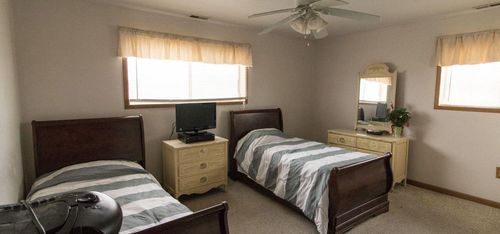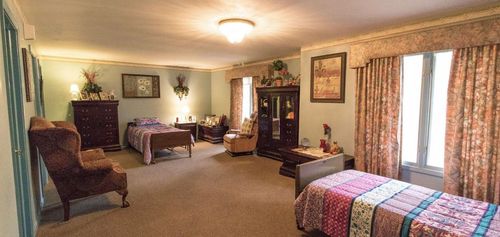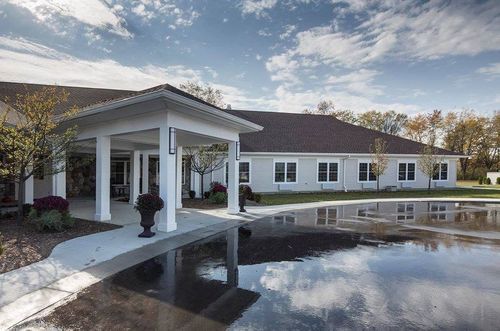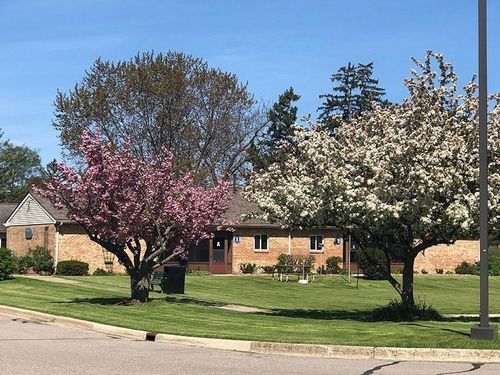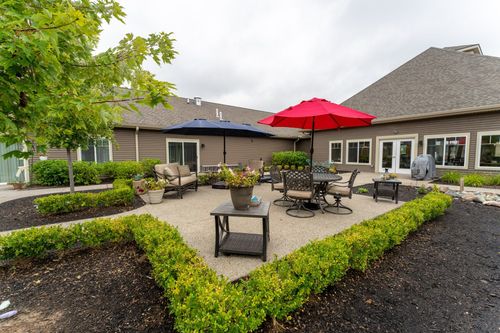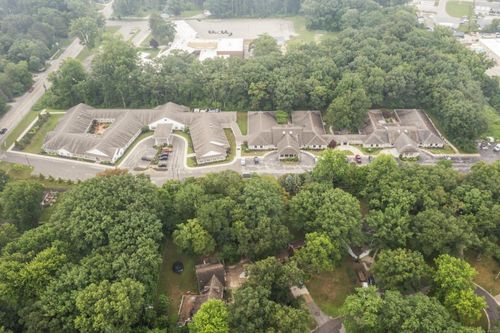
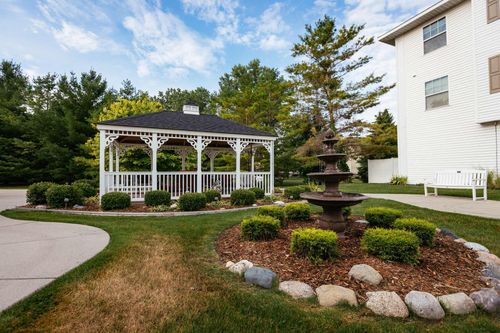

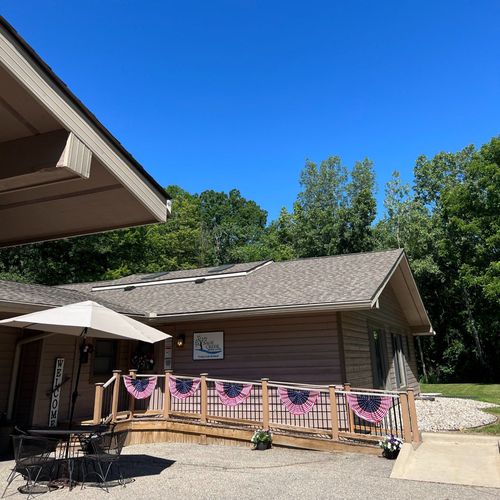
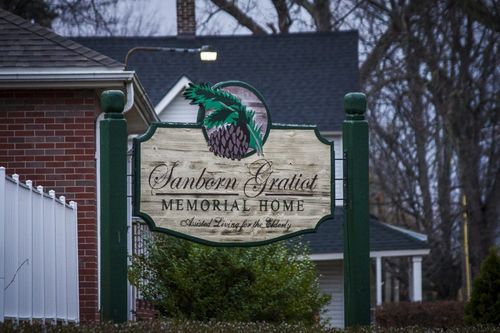
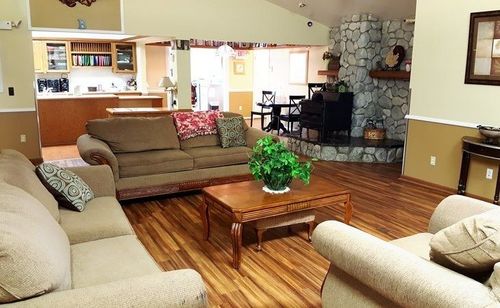
St. Clair County borders the blue waters of Lake Huron and the St. Clair River, where a handful of assisted living communities provide supportive care for aging residents. Families exploring options in Port Huron, Fort Gratiot, or Marysville find that local senior living properties offer a distinct blend of maritime charm and community connection. This region combines peaceful waterfront views with necessary medical infrastructure, making it a comfortable place for older adults who want to stay close to home. The local landscape consists of senior neighborhoods that prioritize safety, social engagement, and physical wellness. Choosing a community in this area allows seniors to maintain their independence while having immediate access to trained staff members who understand their unique personal histories.
Daily Support and Enrichment Near the Shore
Daily life in these regional communities focuses on maintaining regular routines that promote health and happiness. Staff members assist with tasks like dressing, bathing, and managing medications every single morning. Residents gather in central dining areas for three shared meals each day, which eliminates the stress of cooking and grocery shopping.
Activity calendars are filled with opportunities to stay active and socially connected with neighbors. Seniors can participate in morning exercise groups, join book clubs, or enjoy local musical performers who visit the properties. Scheduled van transportation makes it easy to attend medical appointments or join group outings to local parks and riverfront walkways.
Understanding Local Senior Housing Investments
Transitioning to a supportive community involves clear financial planning based on regional pricing structures. In this part of Michigan, a typical senior community features a starting price of $4,200 per month for residential care. Rates fluctuate depending on the size of the living space and the specific level of physical assistance required by the resident.
Monthly fees generally cover housing, utilities, maintenance, meals, and core care services under one predictable bill. Families should evaluate how individual care tiers or special therapy needs might impact the final monthly invoice. Planning ahead helps protect retirement savings while ensuring consistent, high-quality care over the long term.
Rising Need for Care Along the River
Our local population is aging, which creates a steady demand for dedicated senior environments. Many families realize that living alone in a large, older home is no longer safe or practical for their aging parents. The desire for around-the-clock safety features drives the consistent interest in regional senior properties.
Because the number of available properties in the county is limited, open apartments can fill up quickly. Families often start their research months before an actual move becomes necessary to avoid limited choices during an emergency. Planning early ensures a smoother transition when a senior requires more help than a family can provide at home.
Why Local Families Choose This Region
Staying in the county allows older adults to remain in the neighborhoods where they raised their families and built their lives. Relatives appreciate having their loved ones just a short drive away along the Interstate 94 or Highway 25 corridors. This proximity makes weekend visits, holiday gatherings, and evening check-ins simple and convenient for everyone involved.
Local senior settings also provide a safer environment than traditional houses, which often have dangerous stairs or narrow doorways. Professional maintenance teams handle snow removal during harsh Michigan winters, keeping residents safe from dangerous slips and falls. Seniors get to enjoy professional care without losing their deep connections to the local community.
Navigating Options With Local Knowledge
Finding the right community requires a clear understanding of open apartments, local moving timelines, and state assistance guidelines. Families often need guidance when a hospital discharge requires a quick transition into a senior community. Knowing which properties can accommodate specific physical needs immediately saves families from making frantic, uninformed choices during a medical crisis. It is also vital to understand that local properties do not accept Medicaid for assisted living costs, meaning families must plan for private payment structures.
Matching a senior's personality with the layout of a building ensures long-term comfort and happiness. Some individuals thrive in smaller, intimate environments with fewer residents, while others prefer larger communities with expansive common spaces. If you are feeling overwhelmed by choices or timelines, you can reach out to talk it through with someone who understands the local senior care landscape.
The St. Clair County directory continues to grow as we evaluate providers for quality and alignment in 2026. Start the conversation about assisted living in St. Clair County, or look through the buildings we cover at your own pace.