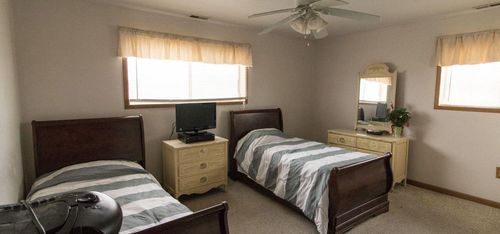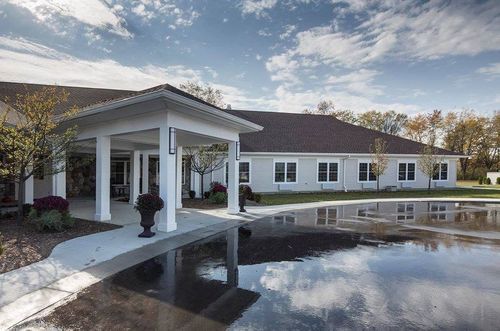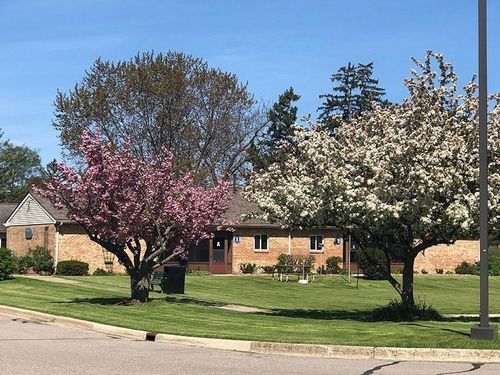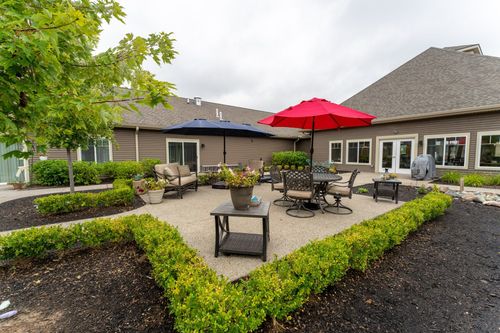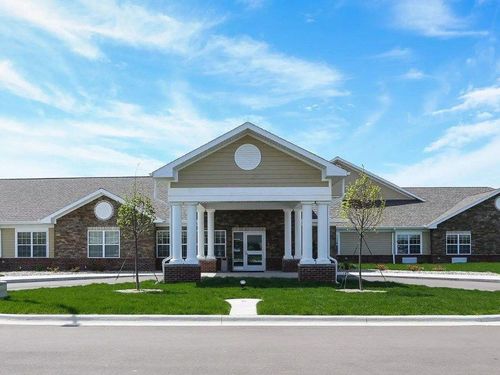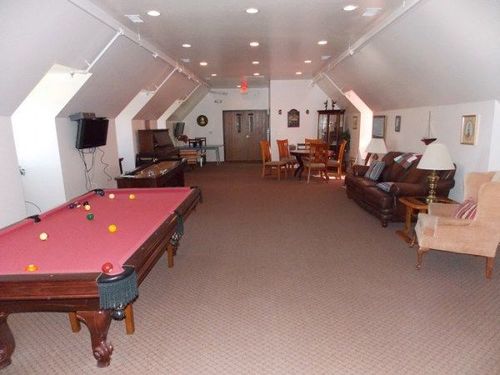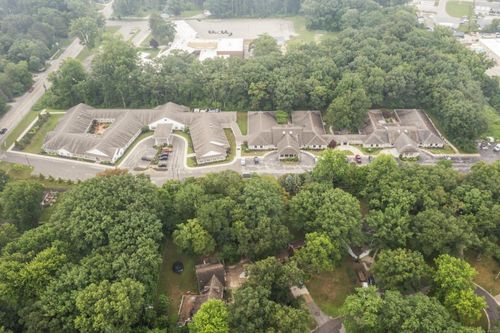
St. Clair County holds a handful of dedicated memory care residences nestled along the eastern edge of Michigan where regional health networks anchor local retirement planning. Families traversing a new Alzheimer's or cognitive decline diagnosis in this area find that environment design dictates daily well-being. Some local locations operate as purpose built, standalone secured houses engineered specifically for disorientation management, while others function as dedicated wings partitioned within larger assisted living campuses. Understanding how these physical layouts shape routine interactions helps relatives match a loved one's specific wandering tendencies or quiet personality traits with an appropriate local setting.
Daily rhythms inside these regional environments rely on structured predictability to ground confused minds. Staff members coordinate sensory stimulation exercises, guided physical movement, and music therapy sessions designed to reduce anxiety during late afternoon hours. Meals happen in intimate dining rooms where menus feature simplified choices and physical cues encourage proper nutrition without overwhelming the resident. Secured perimeters allow individuals to wander safely along interior loops or enclosed courtyards, maintaining a sense of autonomy while physical barriers prevent accidental exit into traffic or adverse weather.
Monthly financial planning for these specialized environments requires balancing base room charges against tiered care fees. Local baseline pricing across the county generally ranges from $3,700 to $4,200 per month, with specific destinations like Lakeshore Woods establishing starting rates right at $4,200. Additional care tiers apply when residents require hands on assistance with medication administration, mobility support, or continuous incontinence management. Financial planning must account for these incremental increases since personal care needs frequently escalate as cognitive conditions advance through subsequent stages.
Local senior population growth across St. Clair County drives steady demand for specialized dementia resources near Lake Huron and the St. Clair River corridors. Adult children frequently relocate aging parents closer to regional medical hubs like Ascension Macomb Oakland or local Port Huron facilities, creating competitive pressure for available secured placement. Because the total number of specialized beds in this geography remains limited, proactive exploration of regional choices prevents rushed decisions during a sudden family crisis or unexpected hospital discharge event.
Choosing a localized memory care setting gives families peace of mind knowing trained professionals monitor safety around the clock. Relatives often feel immediate relief when specialized security measures replace the exhaustion of home caregiving where wandering or night time wakefulness disrupted household stability. Knowing that staff members understand behavioral redirection transforms chaotic afternoons into manageable moments, allowing family bonds to remain centered on meaningful visits rather than frantic supervision tasks.
Navigating admission criteria and financial timelines involves assessing how a particular floor plan accommodates a resident's current stage of progression. Local advisors understand how regional facilities handle changing care needs, medication adjustments, and the subtle differences between standalone cottages and wing style layouts. Families benefit from reviewing these logistical details before touring individual sites to ensure the chosen environment supports long term stability without unnecessary relocations.
When questions arise regarding regional placement options or transition timing, a short conversation can help untangle the complexities.
Navigating Specialized Layouts and Security Features
Purpose built memory care environments utilize circular walking paths and non glare flooring to minimize visual confusion for residents experiencing advanced spatial disorientation. Secured doors feature discreet keypads or camouflaged exits that blend into surrounding wall colors, reducing the impulse for exit seeking behavior. Staff members stationed throughout these common areas maintain continuous visual contact while encouraging gentle participation in nearby tactile activities.
Wing configurations attached to larger facilities share similar security protocols but integrate different social dynamics during communal gatherings. Residents in these arrangements might interact with a broader community of assisted living peers during large group events, provided their comfort levels remain high. Families must evaluate whether a bustling shared hallway or a quieter standalone cottage better suits an introverted or easily overwhelmed relative.
Financial Realities and Monthly Investment
Monthly expenses for memory care in this region reflect the intensive staff to resident ratios required for secure dementia support. With base figures spanning from $3,700 to $4,200 monthly, communities such as Mercy Village reflect the prevailing regional investment for specialized supervision. Families should request a detailed breakdown of community fee structures, as initial assessments frequently exclude ancillary costs for specialized supplies or higher acuity medical oversight.
Budgeting for the long term requires anticipating future care level adjustments that alter the base monthly invoice. Local financial counselors assist families in evaluating personal savings, long term care insurance policies, and veteran benefits to project sustainable payment timelines. Establishing a clear fiscal roadmap early reduces the stress of future rate modifications as cognitive assistance requirements evolve.
Regional Demand and Availability Pressures
An aging demographic across the Michigan thumb region contributes to high utilization of available memory care slots. The limited inventory of secured beds means that waiting lists can materialize with little warning, particularly at facilities with stellar local reputations like River Bend or Sage Creek Senior Living. Initiating inquiries early in the progression cycle ensures families secure a preferred spot rather than accepting an inconvenient location during an urgent transition.
Proximity to familiar geographic landmarks and local family members remains a primary driver for keeping seniors within this county. Adult children balancing work and personal obligations find that a nearby location permits frequent visits, which directly improves resident morale and emotional health. Evaluating transit times during different seasons helps maintain consistent family involvement throughout the year.
Benefits of Localized Dementia Support
Specialized training equips facility teams to manage unpredictable behavioral shifts with calm redirection rather than restrictive measures. Residents experience a rhythm of life that honors their remaining capabilities while compensating for memory deficits through patient guidance. This structured environment curtails the isolation frequently experienced by seniors isolated in private homes with aging spouses.
Group engagement opportunities foster a modest sense of community among individuals navigating similar cognitive journeys. Sharing simple crafts, listening to familiar mid twentieth century melodies, or participating in armchair exercises provides gentle mental stimulation. These daily touchpoints contribute to stabilized moods and better sleep patterns for the majority of participating residents.
Local Guidance Through Critical Transitions
Navigating the transition into a secured environment requires balancing emotional readiness with practical documentation and health evaluations. Advisors who focus on this specific regional geography help relatives compare environmental layouts, pricing tiers, and admission prerequisites without bias. Families receive realistic assessments of how different local properties handle escalating care needs over time.
Understanding the sequence of medical assessments and admission agreements prevents administrative delays during stressful family moments. Expert local guidance helps clarify the distinction between various facility models and streamlines the path toward a stable, secure placement. When the path forward feels uncertain, reach out to explore local options.
We keep expanding our St. Clair County coverage as we evaluate providers for quality and alignment in 2026. Start the conversation about memory care in St. Clair County, or look through the buildings we cover at your own pace.