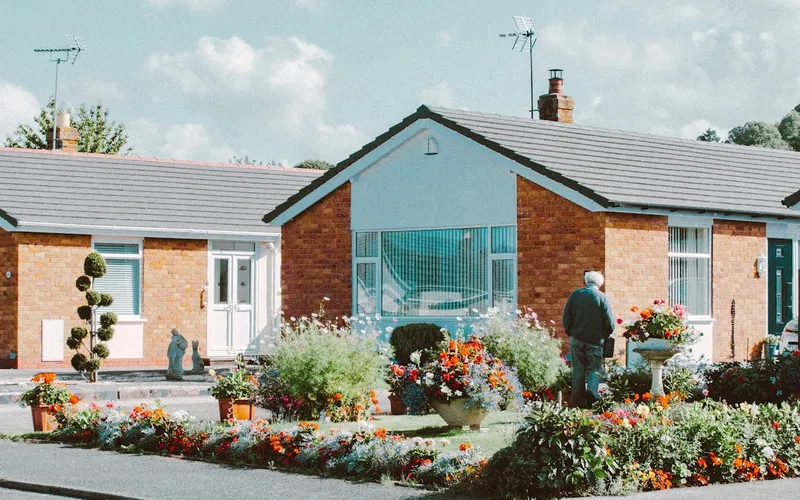
Stockbridge, MI

Residential Senior Living in Stockbridge

One residential community in Stockbridge, MI — with free, unbiased guidance from local advisors.

1
Community
1
Residential
$2,500
Avg. Monthly Pricing

Explore Residential Senior Living in Stockbridge

One residential community to review, with free guidance from a local advisor.

View all communities in Stockbridge

What to Expect From Residential Senior Living in Stockbridge

  • Match: All 1 community matches residential senior living in Stockbridge.
  • Care types offered: assisted living and memory care.
  • Price range: From $2,500/mo across the matching set.

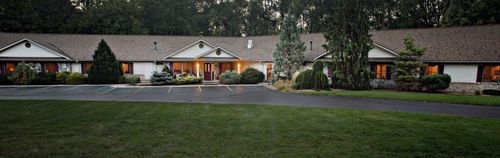
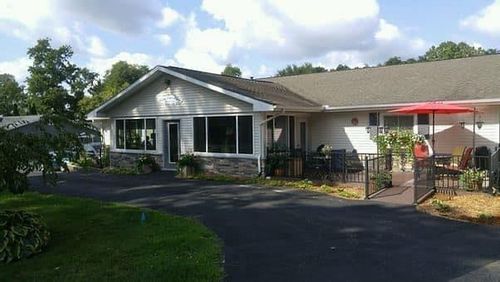
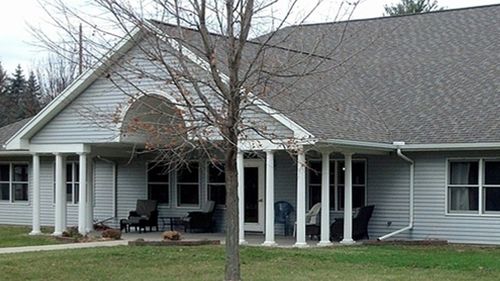
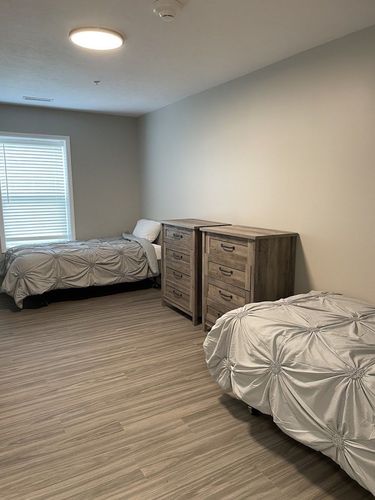
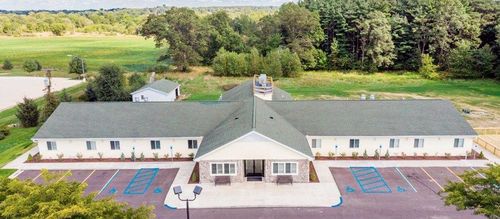
Elder Ridge Manor II starts at $2,500 a month, which is low enough that most families reading it assume something has been left out. Very little has been left out, as it turns out. What a figure like that reflects, in a village the size of Stockbridge, is a set of costs that simply run lower here than along the corridors nearer Lansing or Ann Arbor: property that was never expensive, wages set by a local labor market rather than a metropolitan one, and a building that is a house rather than a purpose-built complex carrying a mortgage. Understanding where the number comes from matters, because a household that reads a low rate as thin care will pass over a setting that may suit a parent very well.

Why a Village Rate Sits Where It Does

Three things drive it, and none of them is the care. Real estate in Stockbridge never carried a metropolitan price. Wages track the surrounding townships rather than a city. And a house has no lobby, no corridors and no communal wings to heat, insure and staff, which strips out a category of expense that a purpose-built community cannot avoid.

What the rate does not vary with is the standard the state requires. Michigan writes what a licensed home must provide into the license itself, so the obligations covering personal help, meals, medication handling, overnight presence, food safety, fire precautions and resident rights are identical whether a house charges at the bottom of the Michigan range or the top of it. There is no cheaper grade of license to hold. What a low rate reflects is a cheaper place to run a house, not a lighter set of duties.

What Does Move the Number

The resident does, and by a wider margin than anything else. Caregiving hours are the dominant cost in a house this size, so a person who needs two people for every transfer, or who is awake and wanting company at three in the morning, occupies a proportion of a five-person rota that would scarcely show up on the roster of a sixty-apartment building. That is why two households can tour the same home and be quoted very differently.

Room type is the second factor, since a bedroom to yourself costs more than one shared. And any figure offered before somebody has actually met the resident is an opening position rather than a price. The assessment is what turns it into a real number, and asking for one early is more useful than collecting quotes.

What to Establish First

Ask what the license permits, and ask it before anything else, since a tour will not show it and it governs how many years this can last. Every Michigan approval is written for particular categories of need, which means each house has a stated point beyond which it would have to stop. Getting that on the table in week one is how a family avoids arranging a second move later, at the stage when a resident is least able to take one, and from a village this small a second move is likely to be a long way from anybody who visits.

Then a short list of practicalities: which bedroom is genuinely vacant now, whether the person on overnight duty stays awake or sleeps upstairs, and whether a walker gets through the bathroom door. And one rural question worth putting directly: what the house does when the roads are bad and a caregiver cannot get in from the townships, which in an Ingham County winter is routine planning rather than an alarming thought.

Why the Village Market Is Hard to Read

A single licensed home in a village barely registers on a search engine. There is no marketing, no vacancy list and no seasonal pattern to read, and because one resident moving in or out flips the answer completely, whatever a household finds online about space is quite likely to have been overtaken weeks ago.

An advisor working this corner of Ingham County keeps that answer current, and puts the licensing question first, so a family finds out early both what this house is permitted to handle and whether a bed has genuinely come free. Hearing no on either point in a phone call is much better than discovering it after driving out, and any household weighing a low village rate against buildings further afield should reach out and work the comparison first.

Our Stockbridge directory keeps expanding as we evaluate providers for quality and alignment in 2026. Start the conversation about residential care homes in Stockbridge, or scan the buildings we cover at your own pace.
Advisor Insight on
Residential in Stockbridge

A rate as low as Stockbridge's reads to most families as a warning sign, and in a village it usually is not one. Property that was never expensive, wages set locally rather than metropolitan, and a house instead of a purpose-built complex all push the figure down without altering what the state requires a licensed home to provide.

Residential Senior Living Near Stockbridge

Residential communities within 25 miles of Stockbridge.

Frequently Asked Questions About Residential Senior Living in Stockbridge

Why is a care home in Stockbridge cheaper than one near Lansing?

Because the costs behind the rate are lower rather than the care. Property in a village never carried a metropolitan price, wages track a local labor market, and a house has no lobby, corridors or communal wings to heat and staff. None of that alters what Michigan requires, since the state writes a licensed home’s obligations into the license rather than leaving them to the market, and there is no cheaper category of license to hold. A household comparing a village rate against a suburban one is largely comparing overheads, and the honest test is what an assessment produces for a particular person.

Does a low monthly rate mean less care?

Not in a licensed setting, because the floor is set by the state rather than by the price. Personal help, meals, medication handling, an overnight presence, food safety, fire precautions and resident rights are obligations attached to the license itself, and a home charging at the bottom of the Michigan range carries exactly the same ones as a home charging at the top. What genuinely differs between houses is the ratio of caregivers to residents, how long the staff have been there, and what the state has approved that particular home to take on, and those are the things worth asking about rather than the headline figure.

What makes one resident cost more than another?

The hours a resident actually takes up, and very little else besides. In a house with a handful of bedrooms, caregiving time is the dominant expense, so somebody needing two people for every transfer, or repeated attention through the night, occupies a proportion of a five-person rota that would scarcely show up on the roster of a sixty-apartment building. Room type moves it as well, since a private bedroom costs more than a shared one. That is why a number quoted over the phone before anybody has met the resident should be treated as an opening position, and why asking for an assessment early is more useful than gathering quotes.

What is an adult foster care license in Michigan?

It is the classification Michigan attaches to small residential settings offering personal care and supervision to adults no longer able to manage on their own entirely. Larger buildings are licensed separately as homes for the aged, and Michigan issues nothing at all under the name assisted living, which is why local listings use terms that read oddly against the marketing language families expect. Each license names a capacity and the categories of resident need the home may serve, so it is not a general approval but a specific one, and asking what a particular home’s license permits is asking a real question rather than a formality.

What happens in a rural care home during bad weather?

It is a fair thing to ask straight out, and a well-run house answers it without hesitating. The points that matter are whether caregivers live near enough to reach the home when roads are poor, what happens when somebody scheduled cannot get in from the townships, how much food and medication the house holds against several days without a delivery, and what the arrangement is if the power fails. In a part of the state where winter is simply a fact of the calendar this is routine planning, and how readily a home answers says a good deal about how it is run the rest of the year.

More Senior Living in Stockbridge

Get Help Finding Residential Senior Living in Stockbridge

Our local advisors know every residential community in Stockbridge personally. Get free, unbiased recommendations tailored to your family's care needs, budget, and location preferences.

Free service · No obligation · We only recommend what's right for you