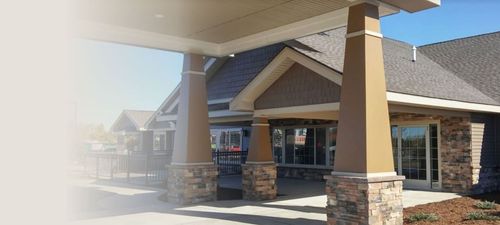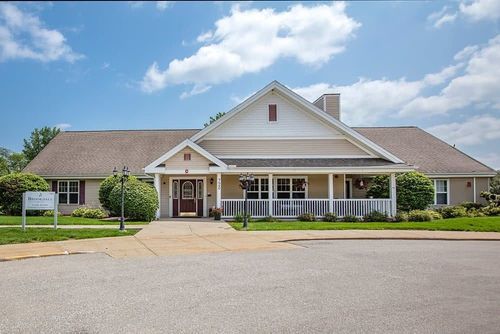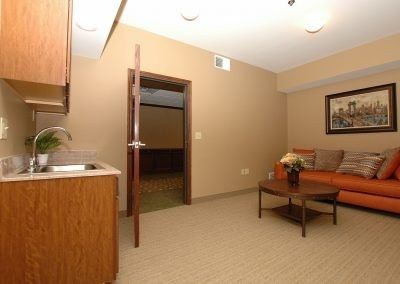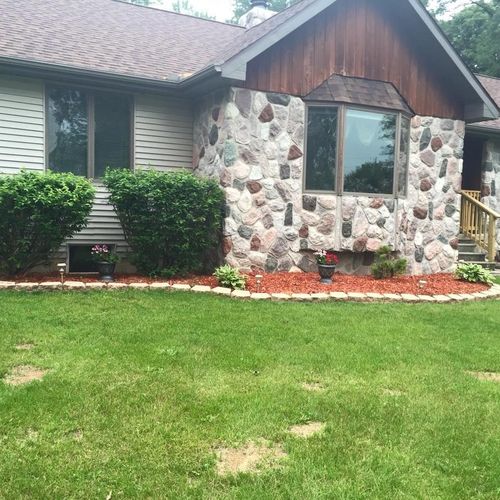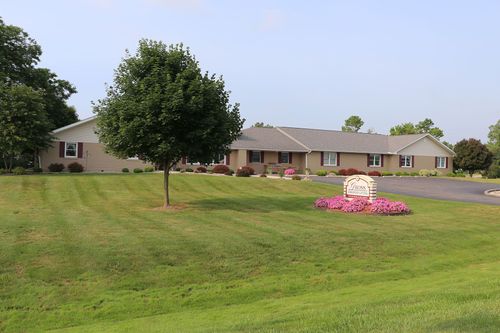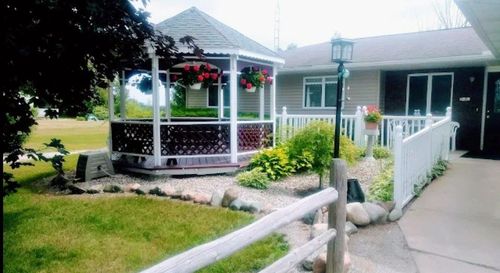
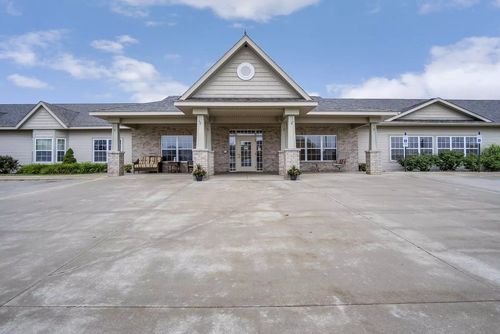
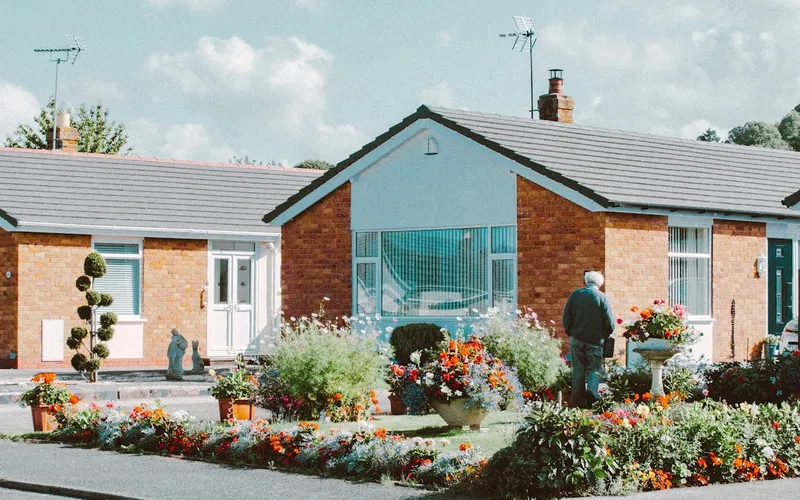
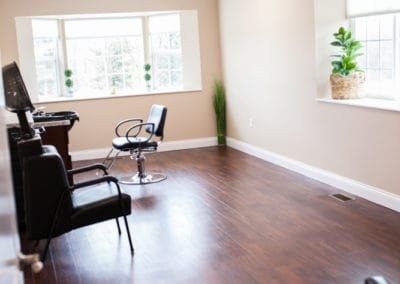
Tuscola County contains a small number of residential care choices across its rural townships and agricultural flatlands. Families navigating these rural Michigan communities find home capacities ranging from twenty up to fifty-six beds.
Local residences function as tight-knit settings where neighbors share common areas and recognize every face at mealtime. This intimate environment shapes how care is delivered and experienced day by day.
Daily Support and Routines in Rural Homes
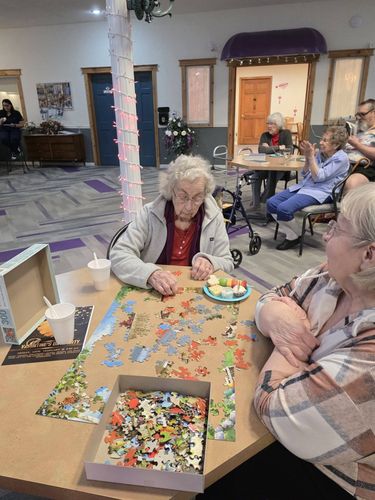
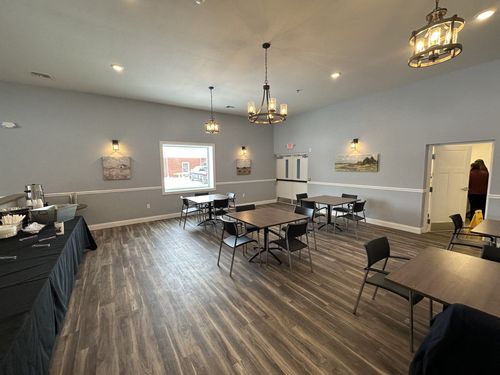
Morning routines begin quietly as caregivers assist residents with dressing and medication management before breakfast. Staff members help individuals move from private rooms to communal dining spaces while encouraging as much personal independence as possible. Daily schedules include simple group gatherings, personal reading time, and assistance with personal hygiene needs throughout the afternoon hours.
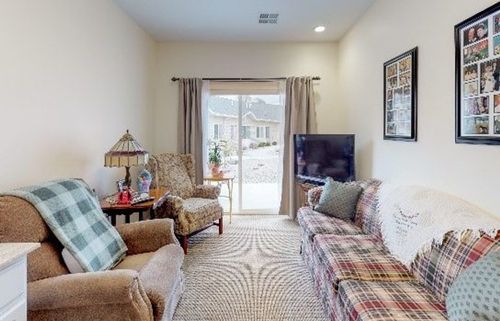
Evening hours bring a slower pace as residents settle into their rooms or watch television together in the shared sitting areas. Nighttime checks and on-call staff provide continuous supervision for safety and peace of mind. One local residence accommodates a resident pet, adding a familiar domestic touch to the shared hallways.
Monthly Expenses and Financial Realities
Monthly costs for local residential care span from $3,850 up to $5,100 per month depending on the specific facility and personal care tier. Satchell's Christian Retirement Home starts at $3,850 per month, representing the lower end of local pricing. Heritage Hill Assisted Living begins at $5,100 per month, reflecting the higher range of regional rates.
Additional fees may apply when individuals require more intensive personal assistance with daily tasks or medication administration. None of these local residences participate in Medicaid programs, requiring families to rely entirely on private pay, long-term care insurance, or personal savings. Planning ahead for these monthly out-of-pocket expenses prevents unexpected financial strain during the transition.
Understanding Regional Demand and Availability
Local families often begin searching for residential options when managing chronic health conditions or recovering from physical setbacks becomes too difficult at home. The limited number of regional beds means vacancies open infrequently, requiring families to monitor availability closely. Rural seniors prefer staying in this county near lifelong friends and family rather than moving to distant urban centers.
When local options fill up, relatives must decide whether to wait for an opening or look into neighboring counties for immediate placement. Early planning helps families secure a preferred spot without rushing through stressful relocation decisions. Knowing local availability patterns allows caregivers to time their search effectively.
Reasons Families Choose Local Care Settings
Relatives choose these regional homes to keep older adults close to familiar surroundings, medical providers, and lifelong community ties. Short driving distances make weekly family visits practical for adult children managing their own work and home obligations. Familiar rural landscapes and peaceful countryside settings offer a comforting backdrop for daily life.
Moving into a supervised setting relieves family caregivers from the round-the-clock physical demands of home care. Professional staff handle meal preparation, housekeeping, and medication tracking, allowing relatives to return to being loving sons, daughters, and spouses. This shared responsibility improves the overall well-being of both the senior and their family.
Local Guidance Through Transitions
Navigating regional openings and understanding complex payment structures requires careful timing, especially when managing private funds or hospital discharge schedules.
A local advisor helps families match physical care requirements with the right bed count and layout. Feel free to reach out for a short conversation whenever you are ready to talk it through.
The Tuscola County directory continues to grow as we evaluate providers for quality and alignment in 2026. Start the conversation about assisted living in Tuscola County, or look through the buildings we cover at your own pace.