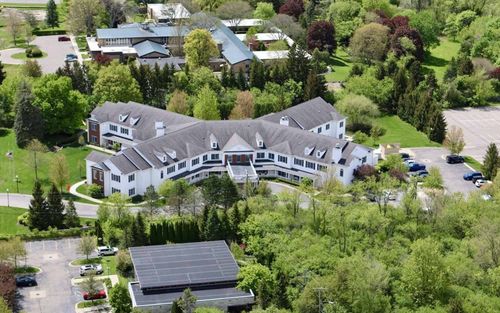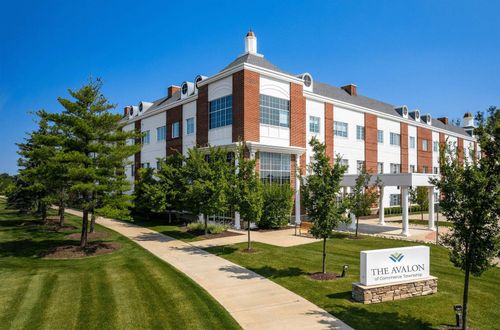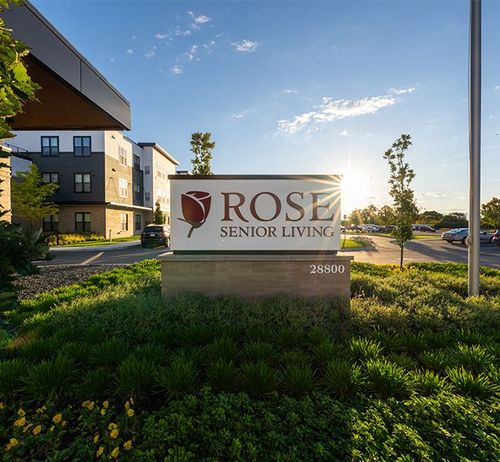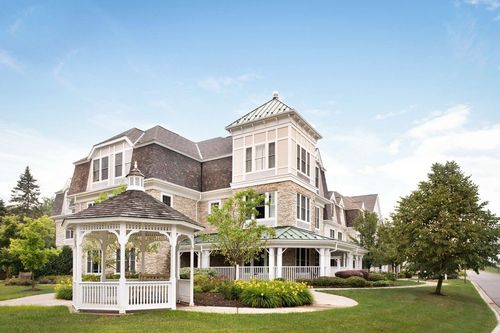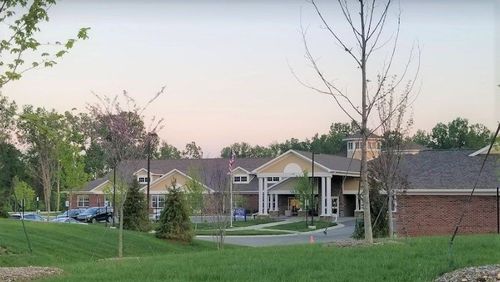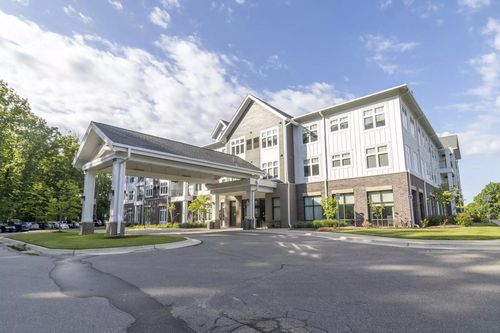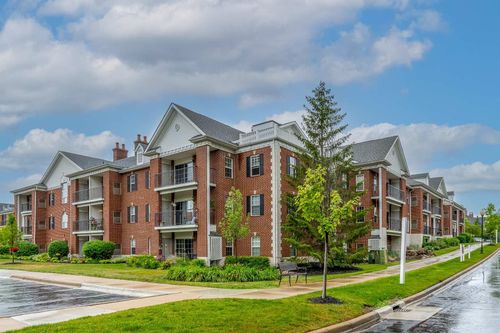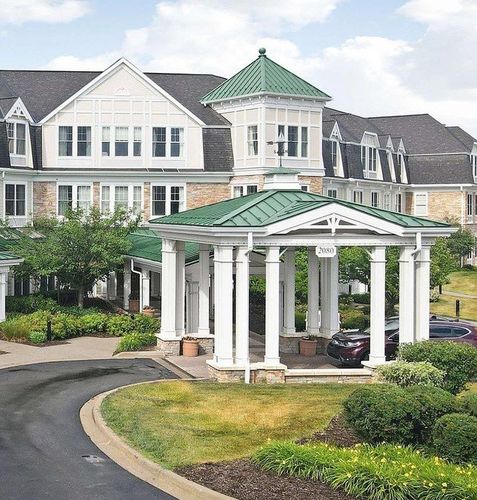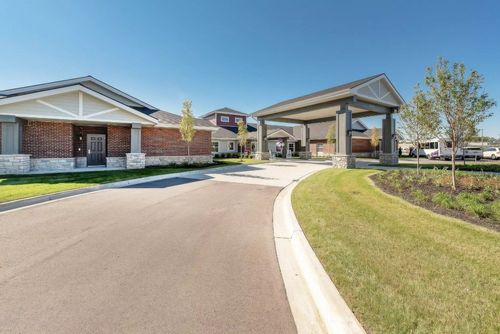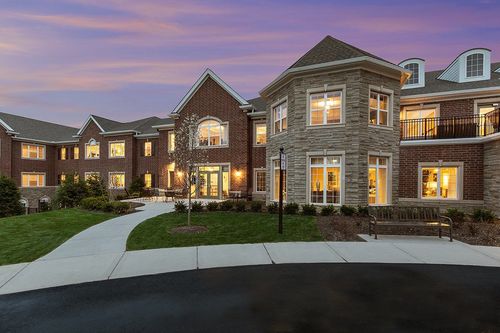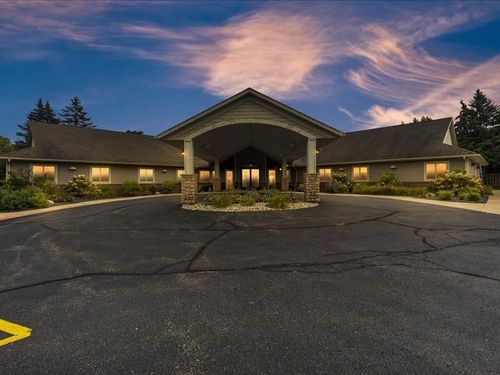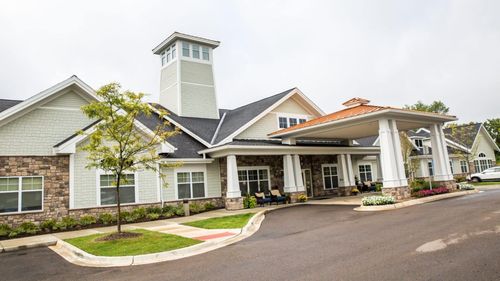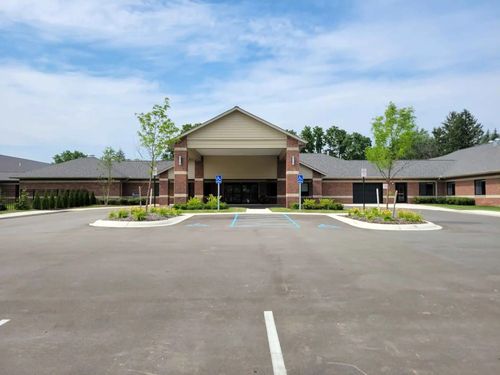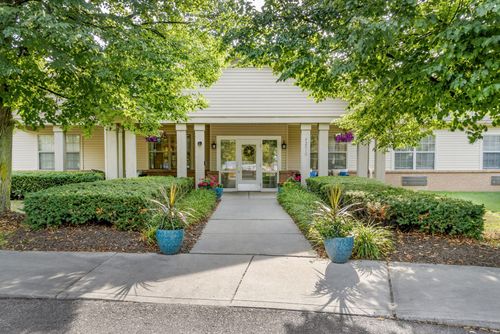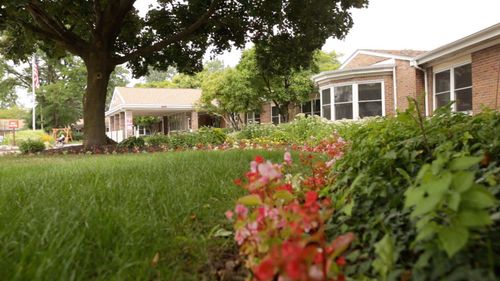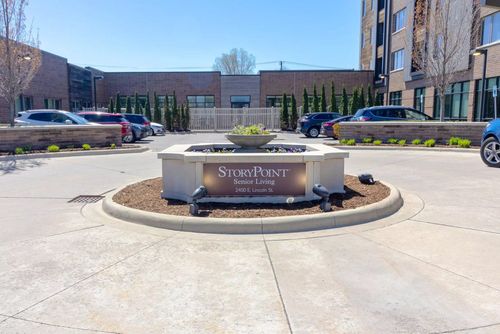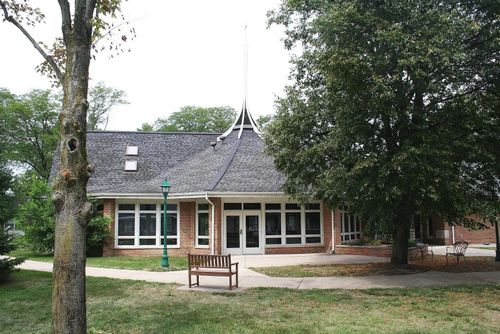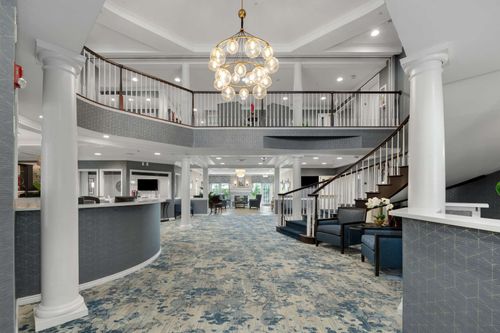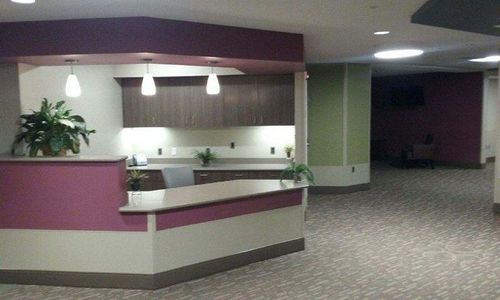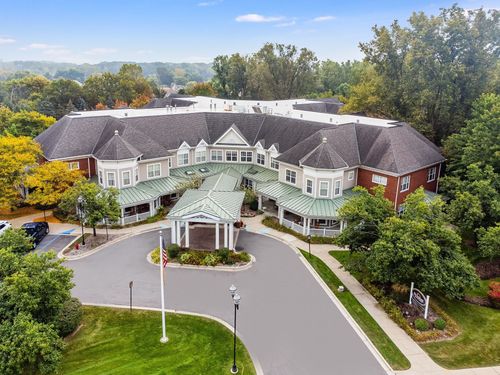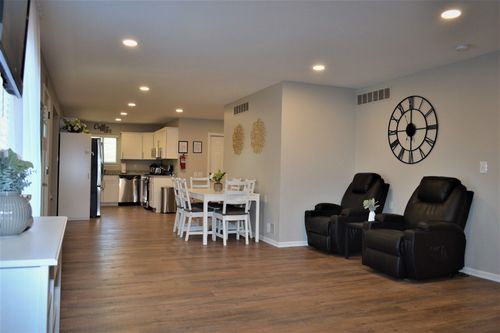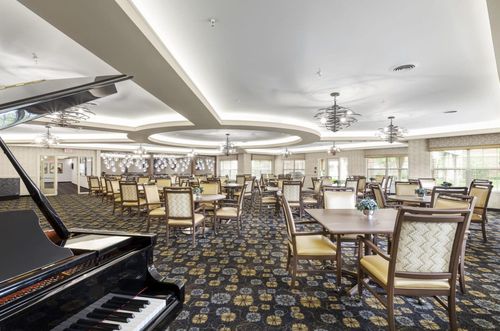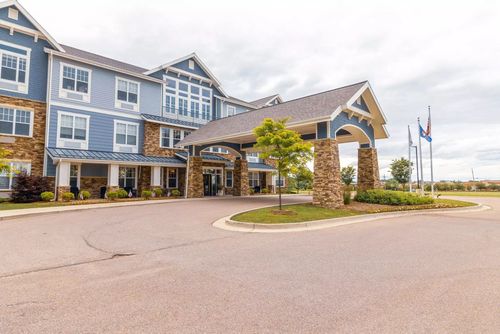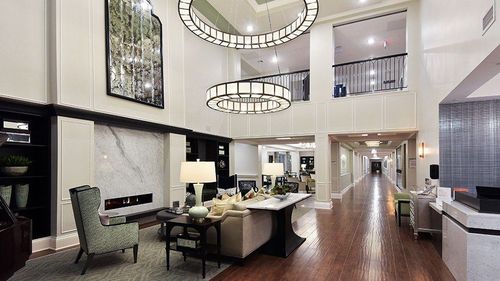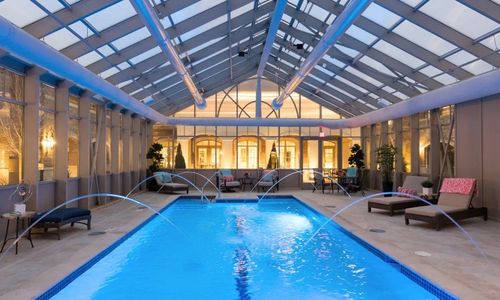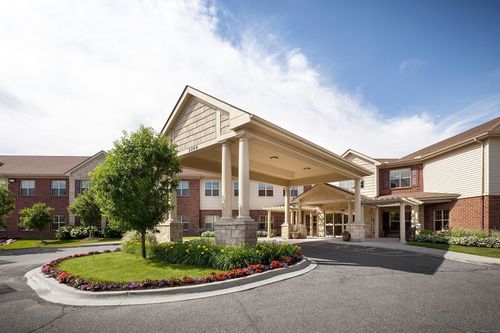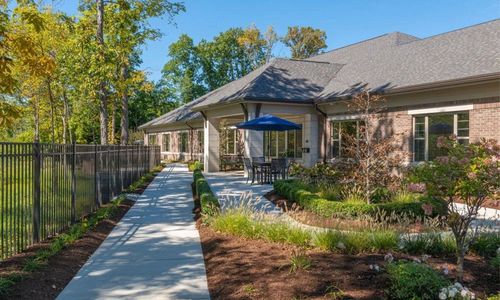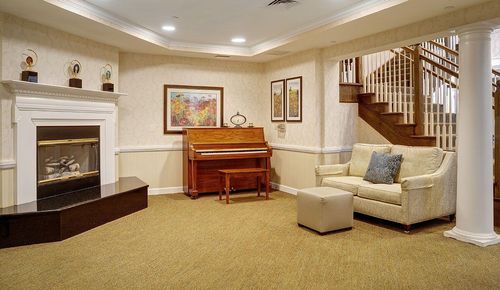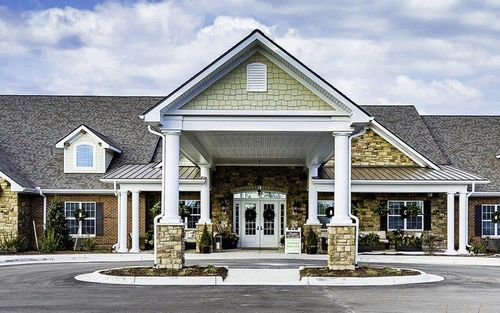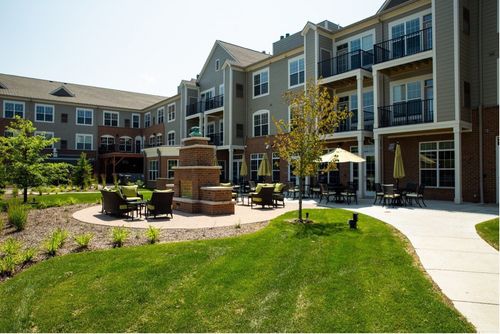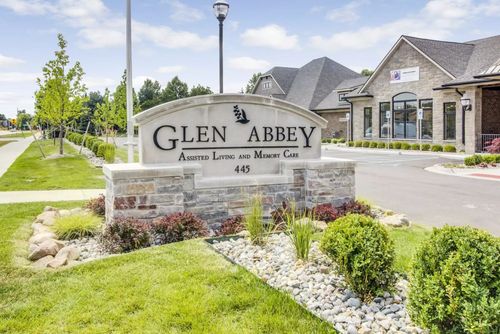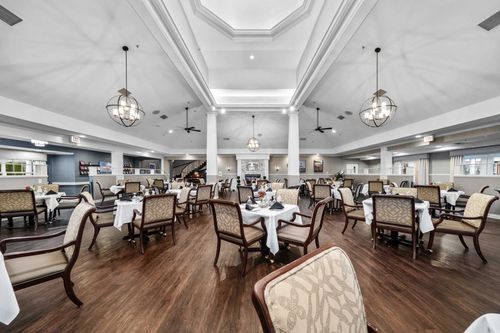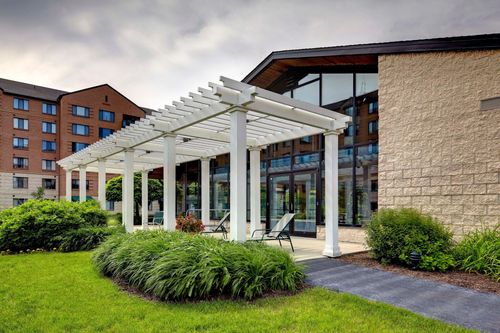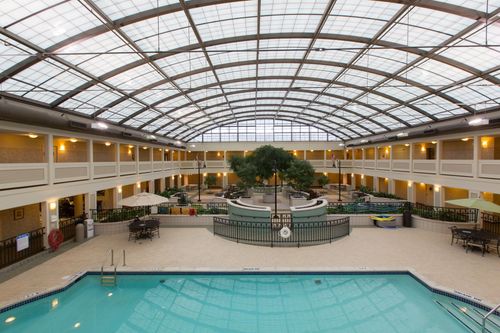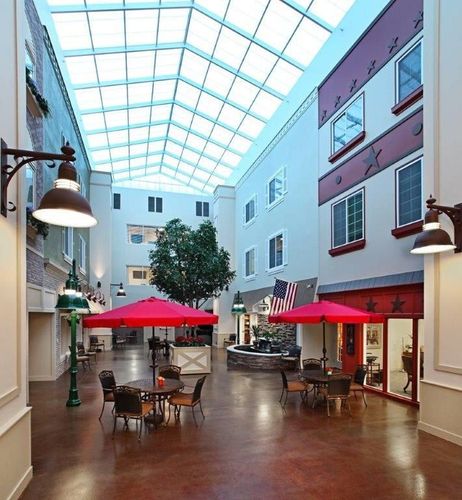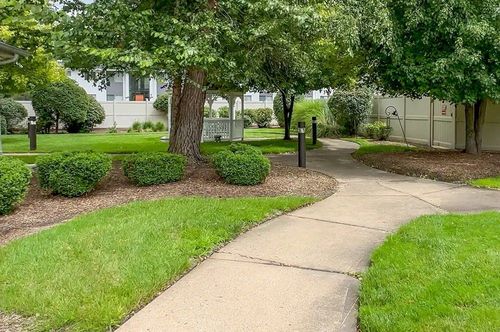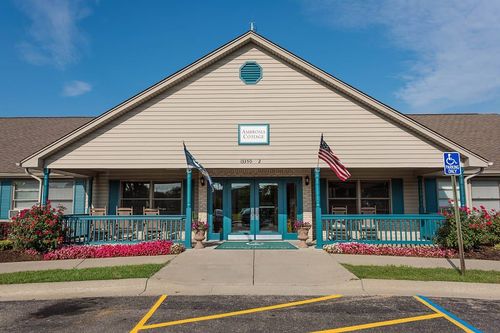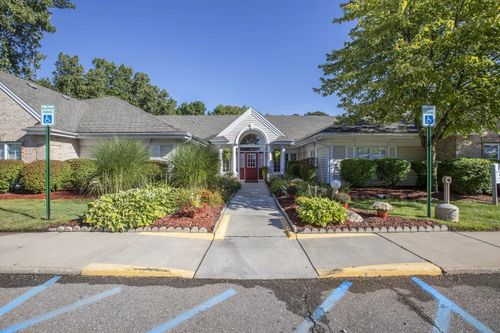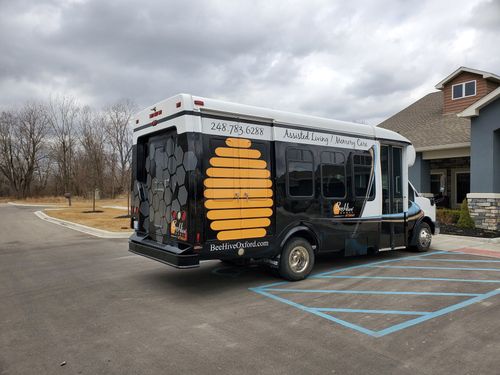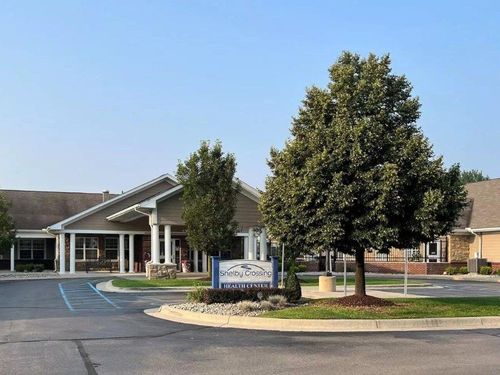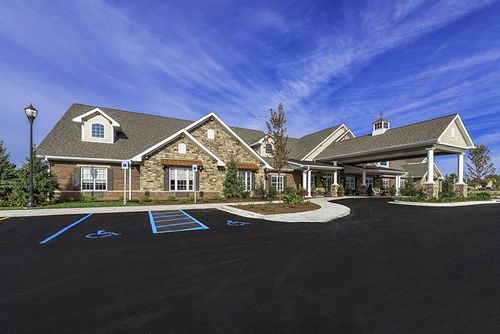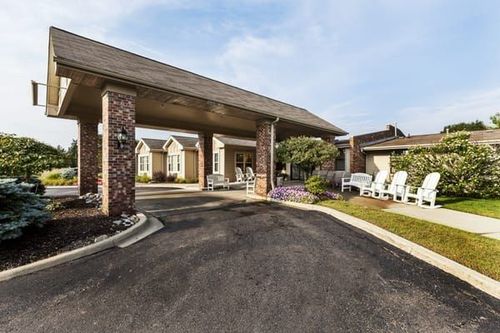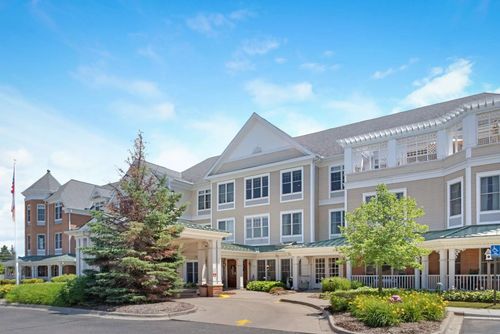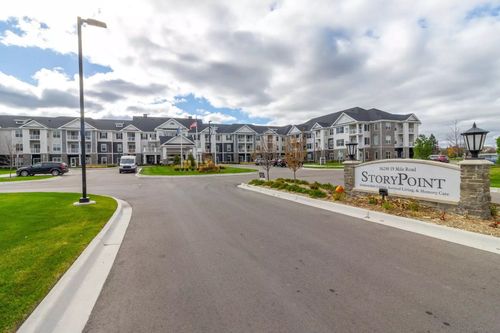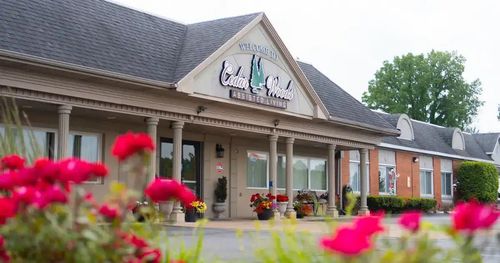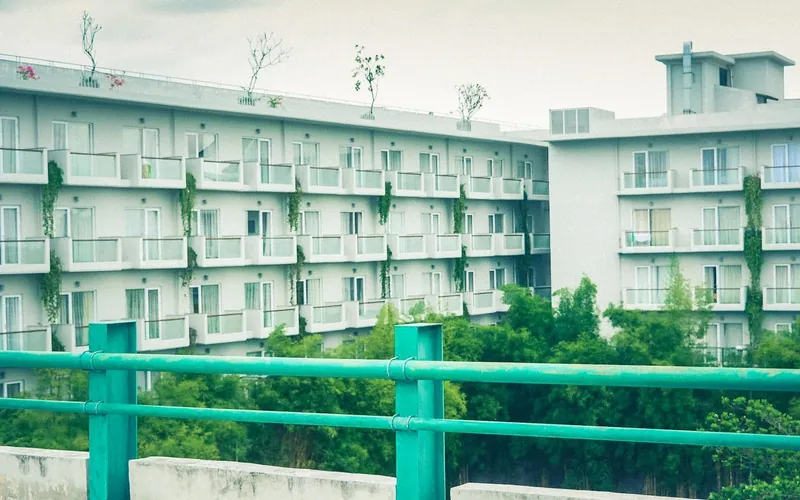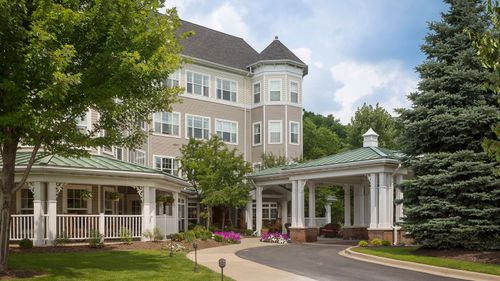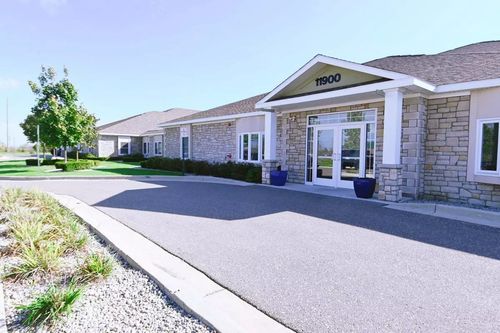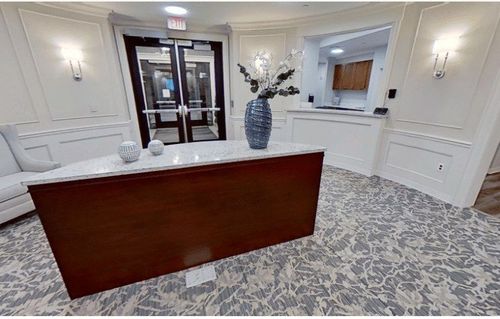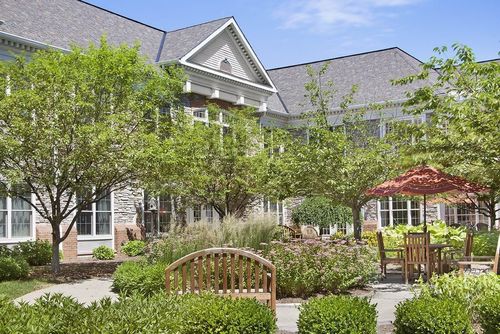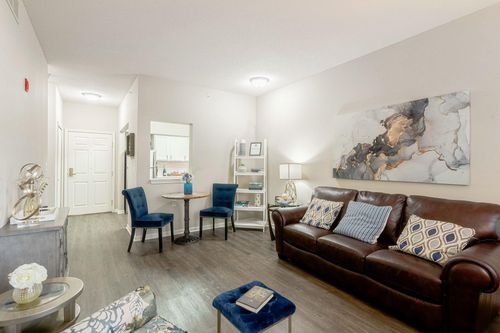
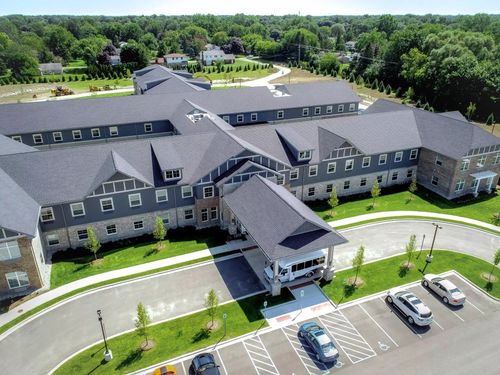
Secured care in West Bloomfield Township is a neighborhood inside a large building rather than a house of its own. Both local addresses run well past a hundred residents, they stand roughly a mile apart on the same road, and at each the memory care sits as a smaller, quieter wing within a community whose larger business is assisted living.
That is a different model from the small dementia home, and it suits a different resident. Across the 2 township communities the secured side inherits the staffing, kitchen and weekly calendar of a substantial operation, which changes what a building can absorb before anyone raises the idea of another move.
Days Built Around Familiarity
Continuity is the working principle here: residents see a small, steady group of caregivers rather than a rotating cast, which is what lets staff notice a change in someone who cannot describe it, and personal care arrives inside the flow of the day rather than as an announced task. Staff stay awake overnight, and the secured neighborhood is laid out so a resident can walk a full circuit without meeting a door that refuses them.
Scale is what changes the ceiling, because a community of this size keeps enough people on a shift to work through a difficult afternoon in-house and can usually hold a resident through changes in mood or sleep that a smaller setting would escalate. The trade is atmosphere: the wider building is busy, and a family hoping for something hushed and domestic will feel that within a minute of walking in.
Rates and How Families Fund Them
Both township addresses are private pay, since neither takes part in Michigan's MI Choice Waiver, so what a household can sustain month after month belongs in the decision rather than after it. For 2026 the entry figures are $4,888 at StoryPoint West Bloomfield and $4,200 at Fleischman Residence.
Those are the rates each building leads with, and a secured room is priced above them at both. The two charge almost exactly the same amount for that step, which is unusual and genuinely useful, because a household can budget the eventual increase before deciding which address it is heading for. Long-term care policies, the Aid and Attendance benefit for wartime veterans and surviving spouses, and the sale of a house are what typically carry a stay here.
Capacity, and How Often It Opens
Oakland County counts roughly 250,500 residents past 65, about 19.3 percent of its population and the largest such group of any county in the state's south-east. West Bloomfield takes a disproportionate share of them, which is how two buildings of this size operate a mile from one another.
Availability is rarely the constraint here, which is not the usual position in memory care. A family generally chooses between two live options rather than waiting for one, which moves the work from finding a room to working out which one a particular person would settle in.
Why Families Keep the Search in the Township
The hospital campus carries the most weight: Henry Ford West Bloomfield Hospital holds 191 beds across an eighty-acre site with a primary stroke center alongside neurology and neurosurgery, and a behavioral health hospital has since opened on the same grounds running a dedicated inpatient program for patients aged 55 and over. When dementia brings changes a community cannot settle on its own, that program is minutes away rather than an hour's transfer to wherever a bed can be found.
The ordinary week survives a move as well, since Marshbank Park on Cass Lake, the West Bloomfield Trail and the Woods nature preserve sit close enough that visiting family can take a resident out for twenty minutes without planning a drive.
How a Local Advisor Reads Two Similar Buildings
When two communities sit a mile apart at almost the same scale and almost the same rates, nothing on a comparison sheet separates them. A Local Senior Advisor covering West Bloomfield knows which secured rooms are open, how the two differ in staffing rhythm and atmosphere on an ordinary Tuesday, and how a hospital discharge sequences into either.
The narrowing is about fit rather than availability, a better problem than most townships offer. Once a family has said what the resident is like in a crowd, how far the funding must stretch, and whether the behavioral program matters, one of the two stands out. Most families find a short conversation settles which one to see first.
The West Bloomfield Township directory continues to grow as we evaluate providers for quality and alignment in 2026. Start the conversation about memory care in West Bloomfield Township, or look through the buildings we cover at your own pace.