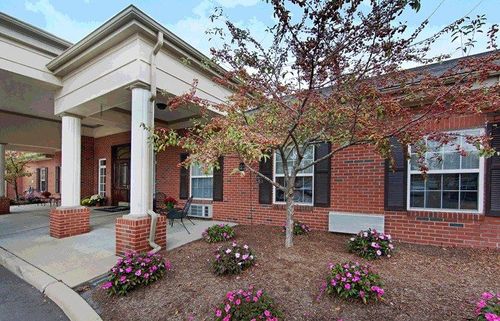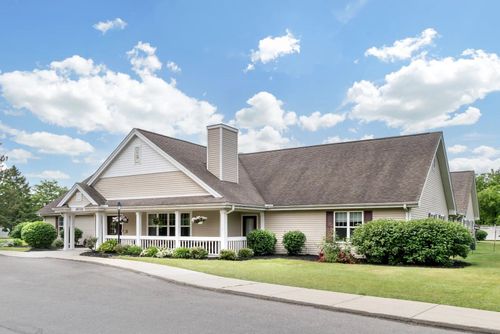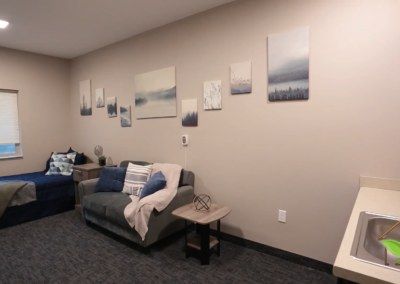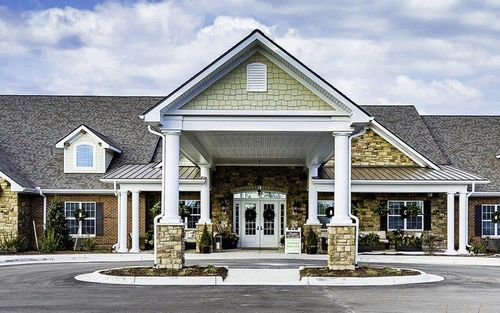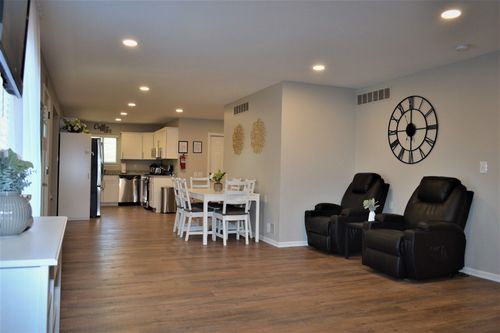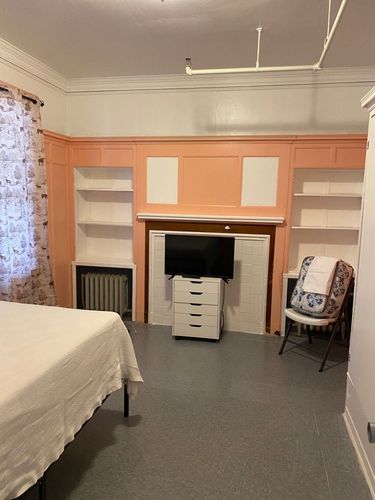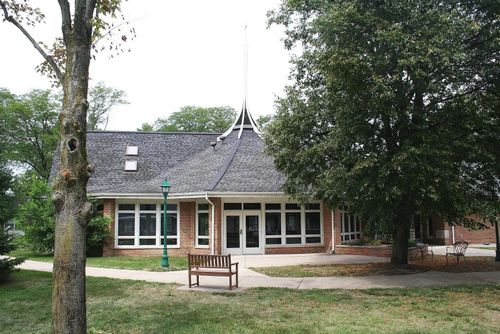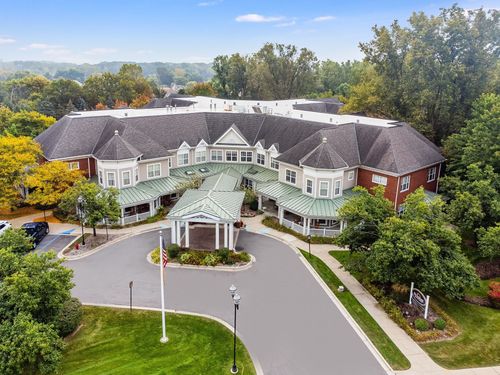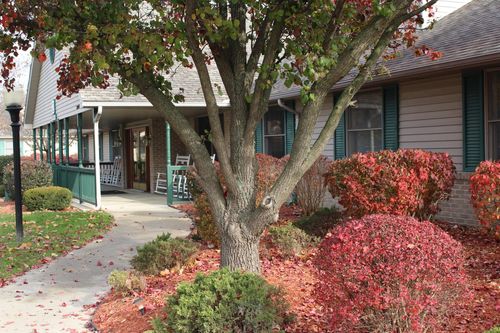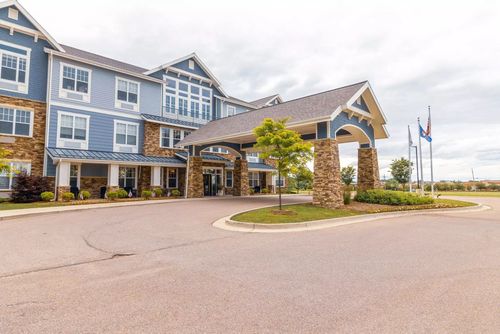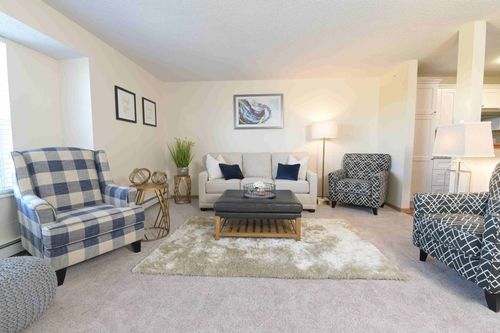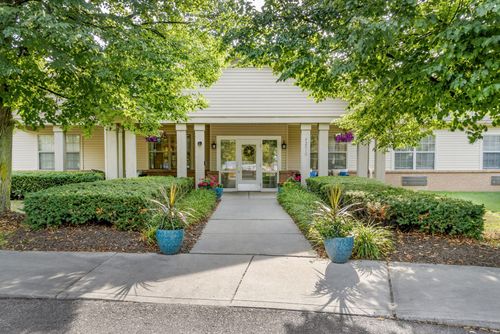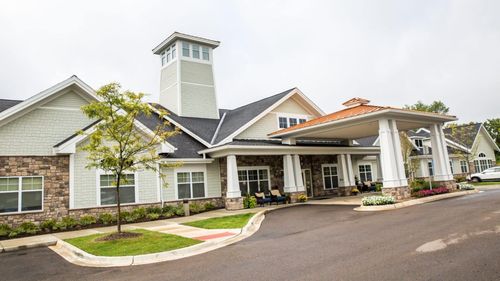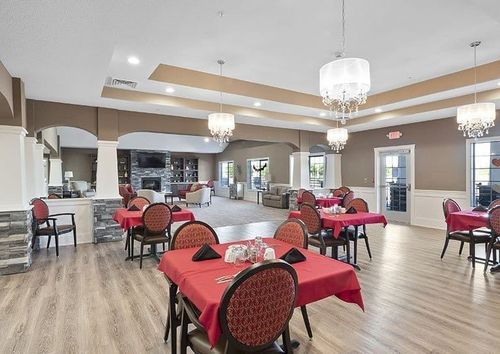
Downriver households looking at assisted living inside Woodhaven itself are looking at Hampton Manor of Woodhaven, at a published starting rate of $5,359 a month. One address in a corridor of dense, closely-spaced suburbs is a smaller field than the map suggests, and it produces a particular kind of decision: not which building, but whether this one fits and what the plan is if it is full.
The people making that decision are rarely in crisis. Downriver families tend to have several generations inside a few miles of each other, so the shift usually follows a long stretch of relatives quietly covering the gaps, and it comes when that stops being sustainable rather than when something goes badly wrong.
What Moves From the Household Into the Building
What moves across into the building is more practical than clinical. Medications get administered and recorded instead of sitting in an organiser somebody has to check; help with washing and dressing arrives at agreed points rather than when a daughter can get there; meals are cooked and served; laundry and cleaning stop being anybody's weekend; and there is staff in the building overnight, which is usually the first thing a family notices they no longer have to think about.
The thing it changes most is the relationship, because an adult child who has spent two years as a caregiver becomes a visitor again and the conversations move from tablets and appointments back to ordinary things. That is worth naming plainly, since families often carry guilt into this decision and the change in the relationship is the part nobody warns them about.
Two Numbers, and Only One of Them Is Printed
The published figure of $5,359 a month in 2026 covers the room and the standard services. The second number is not printed anywhere: it is the assessed level of support, priced separately, driven by how many times a day a caregiver is needed and for how long each time. Two residents in the same corridor can differ by several hundred dollars a month on that basis alone, and the figure is revisited whenever things change.
Michigan pays nothing toward the room and the food. Public money can only ever reach the other half of a bill, through the MI Choice waiver, and only once a clinician has judged a resident to need nursing-facility level care, with Wayne County applications going through The Senior Alliance, the area agency covering the Downriver and western Wayne communities. Since this address does not take waiver residents, the question a family should answer early is what happens when private savings are exhausted, because the alternatives take months to arrange.
Demand in a Dense Corridor
Wayne County is younger than Michigan overall, with about one resident in six past sixty-five, but the Downriver communities skew older than the county average and hold their older residents rather than exporting them. Woodhaven sits in the middle of that, surrounded by cities of similar size that generate the same demand.
With one address in the city, openings are infrequent by definition and the pool competing for them is wider than the city limits. A household that has already visited and settled its budget can respond to a call; one starting from scratch usually cannot.
Why Downriver Families Stay Downriver
Proximity here is a logistical argument rather than a sentimental one. Adult children working across the corridor can look in after a shift, grandchildren pass on the way to something else, and a resident keeps the parish, the shops and the people they have had for decades. A move even twenty minutes north trades all of that for very little.
The medical picture supports staying as well, since Corewell Health Trenton Hospital, a teaching hospital that has served this corridor since 1961, is a short drive, with the other Downriver hospitals nearby, so a resident keeps the specialists and the records already in place. For a household that has spent years assembling those relationships, keeping them is worth more than a newer building elsewhere.
What a Local Advisor Brings to a One-Building City
The shortlist is one address long, so the value is accuracy rather than options. A Local Senior Advisor knows whether that room is genuinely free this month, reads a doctor's letter as hours of help rather than as a diagnosis, and quotes the figure a household would really be paying instead of the published one.
Where there is no room, the useful answer is a plan: home care hours to hold things together, a respite stay elsewhere in the corridor, or a place in the queue arranged properly. A short conversation before any of it becomes urgent is what makes that plan a choice rather than a scramble.
The Woodhaven directory continues to grow as we evaluate providers for quality and alignment in 2026. Start the conversation about assisted living in Woodhaven, or scan the buildings we cover at your own pace.