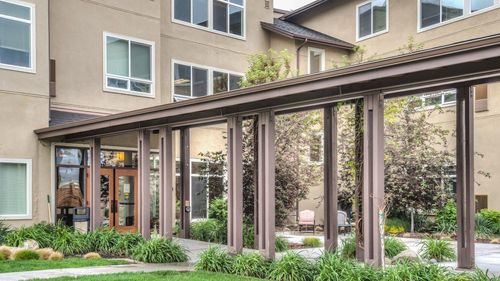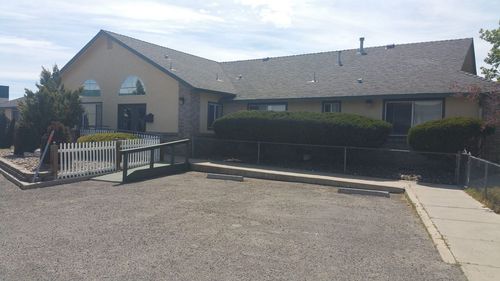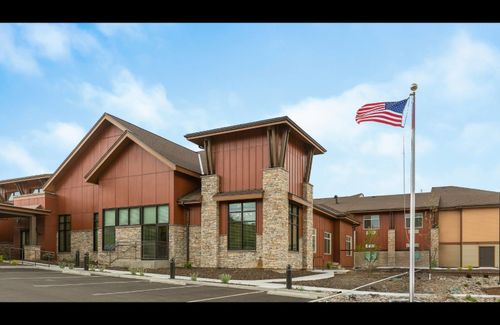

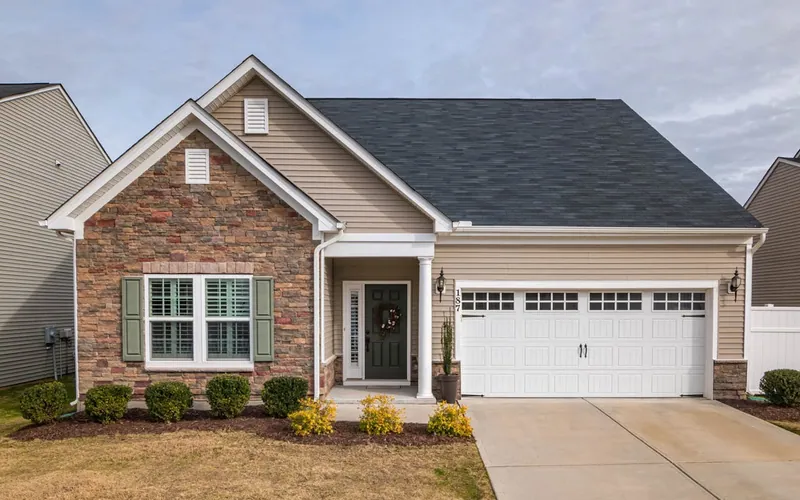
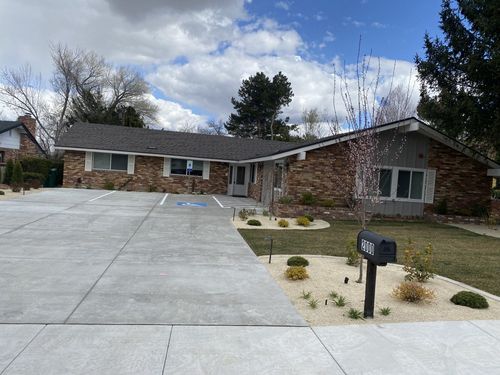

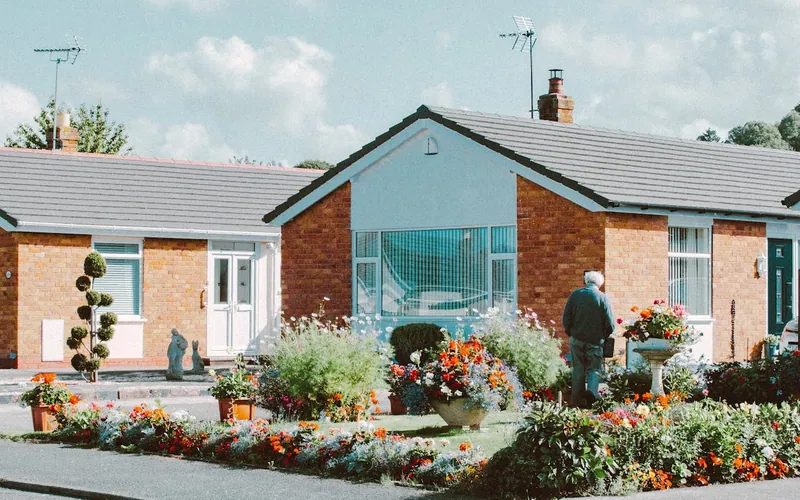
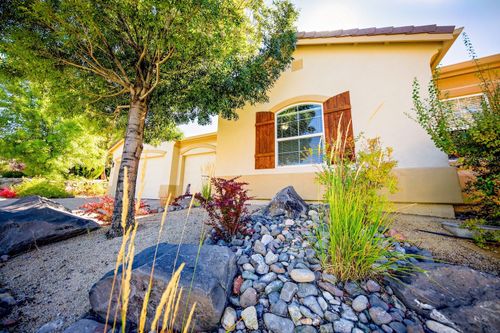

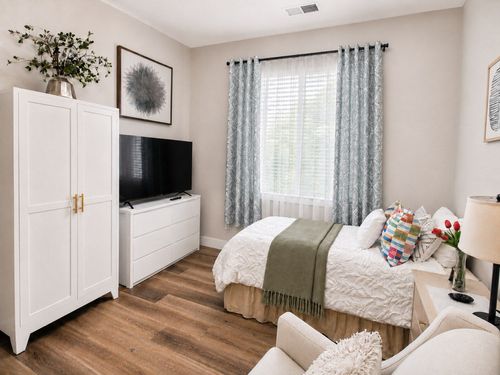
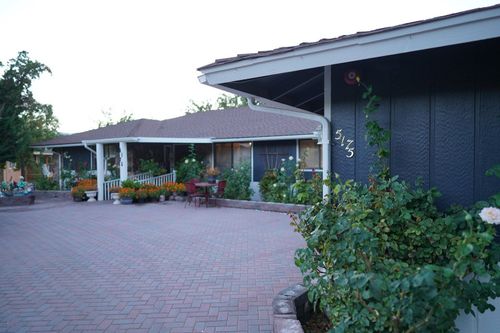
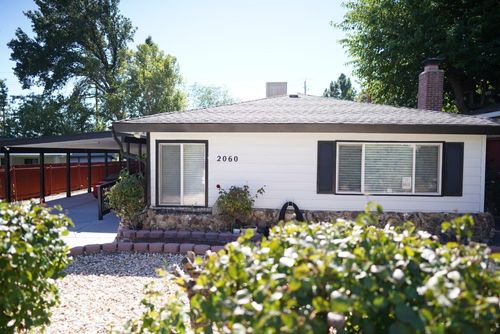
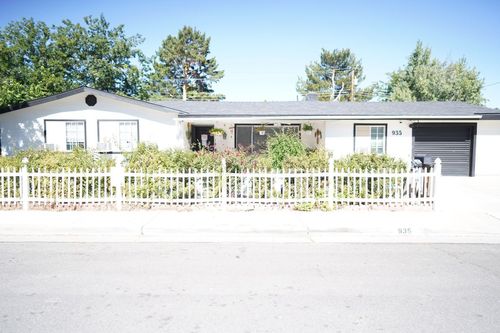
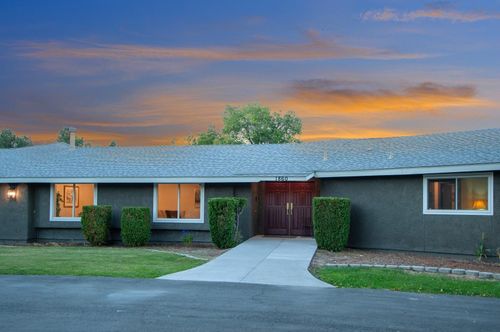
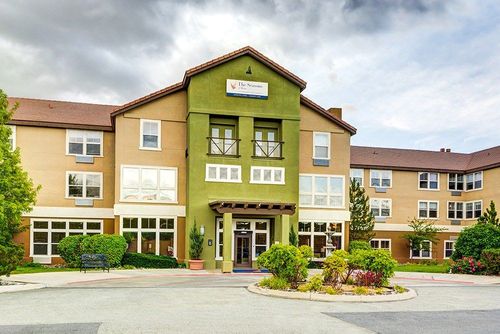
Reno has a residential care scene that looks nothing like the big-campus model most people picture. Alongside a few larger communities, the city holds more than twenty places where the smallest homes run just five beds and the largest community reaches 142. Names like Aprils Villa, A Summerdale Homes @ Riata and Artesian Gardens belong to the first group: ordinary houses in Reno neighborhoods that have been set up to care for a handful of older adults under one roof.
That spread in size is the first thing worth understanding, because it shapes almost everything else about daily life, from who answers a call at night to how many faces a resident sees in a week.
What residential senior living actually means in Reno
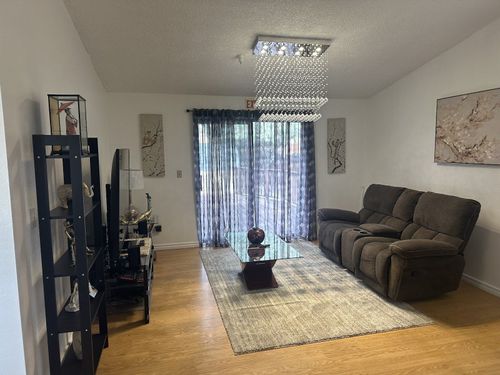
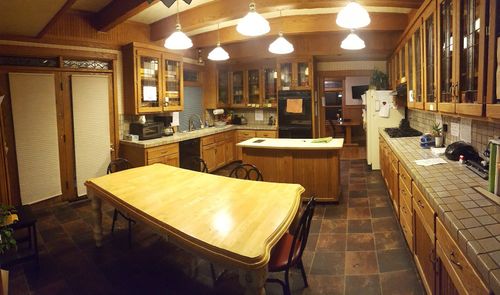
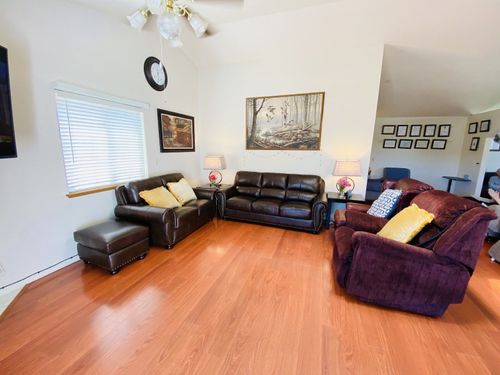
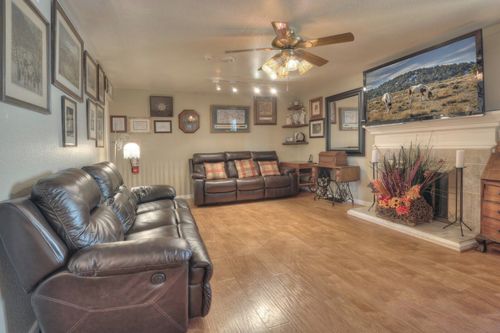
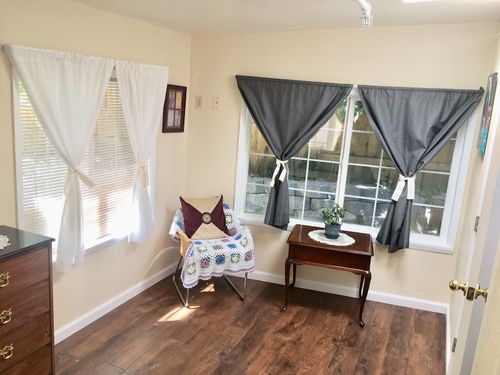
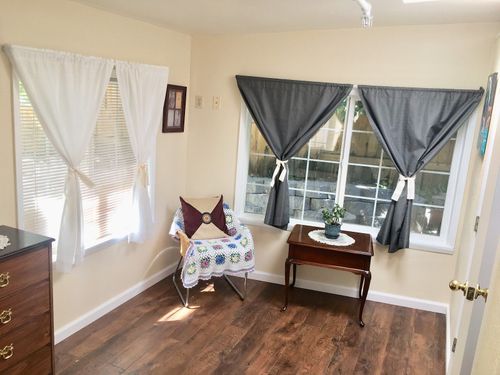
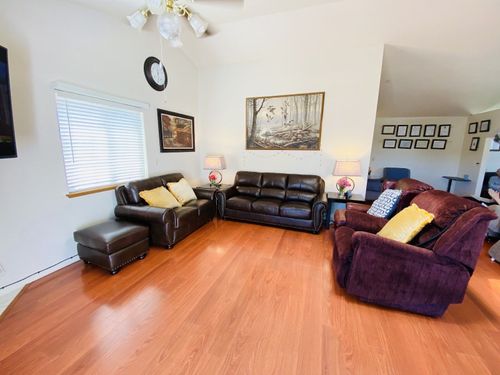
In a residential home, the people caring for your parent are few and consistent. A home like A Benevolent Heart Care Home or Aspen Home for Seniors operates on the scale of a large family, so a caregiver learns that one resident takes coffee late and another dislikes the television on at dinner. Meals come from a shared kitchen, and the living room is the main gathering place.
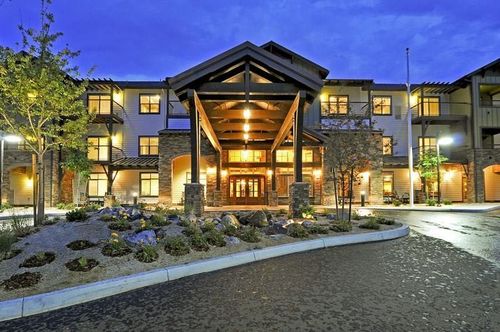
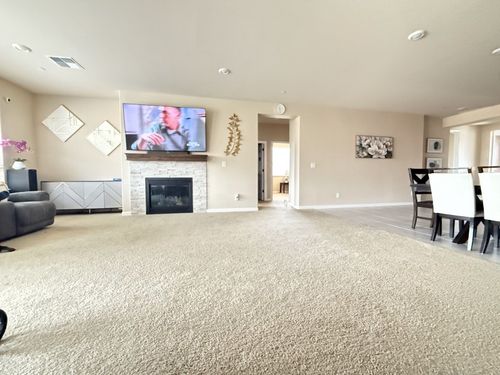
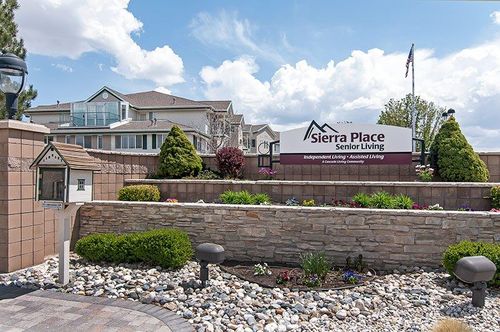
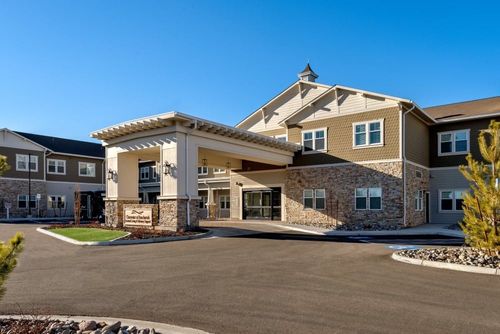
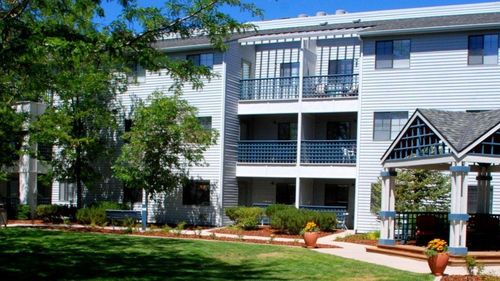
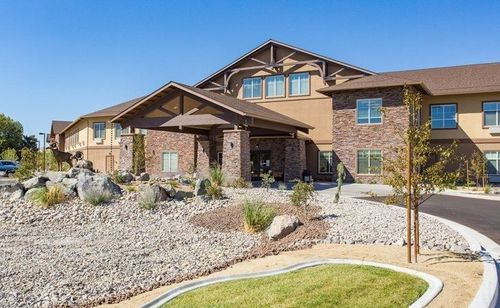
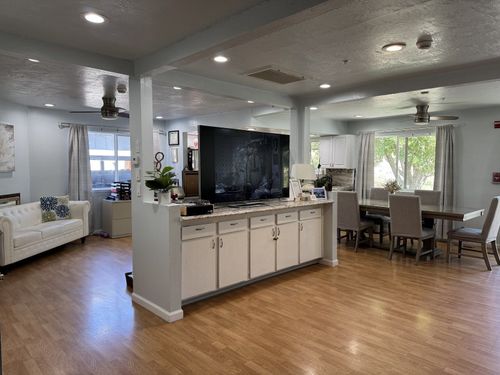
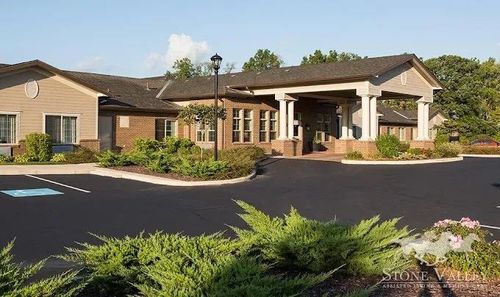
Large communities work differently. They offer more apartments to choose from, bigger common spaces, and a wider calendar of group events, which suits someone who is outgoing, mostly independent, and wants options. A quiet person who needs steady hands-on help often does better in a small house, where there is nowhere to get lost.
Neither is better in general. People who thrive in small homes tend to need close attention and a calm setting, while those who want variety and privacy often prefer the larger floor plans.
The cost reality
Residential homes in Reno tend to start near $4,461 a month, and the local spread runs $2,660 - $6,895/mo. That gap is wide because a small home prices its care around how much help each resident needs, how many caregivers are on shift, and whether the room is private or shared.
Because the staff is small, a resident who needs more assistance can change the price noticeably, so it helps to ask how the home reassesses care levels over time. A few local communities accept Medicaid, which matters for families planning a longer stay, and several welcome pets, a detail that can decide the whole choice for someone attached to a dog or cat.
Narrowing the Reno list
Start with the kind of day your relative needs. Someone who wants help with bathing, medications and meals, and who would be overwhelmed by a long hallway of strangers, points toward a five or six bed home. Someone who still drives, hosts friends and wants a gym or a dining room points toward a larger community.
Then look at the practical edges: how far the home is from the family member who visits most, whether the room can be shared or private, and whether the house can keep your parent if their needs grow. Homes such as A Mother's Love Senior Home Care and Artesian Gardens Senior Care II are close in size but can differ in what care they take on, so compare two or three side by side rather than relying on a name.
Visit at different times of day if you can. A house at mid-morning and again around dinner tells you far more than one scheduled walk-through.
What a local advisor brings
An advisor who works in Reno knows which homes tend to have an open room, which ones handle higher care needs well, and how the small houses differ from the larger communities in practice. That saves a family from calling twenty places and hearing the same answers.
The service costs families nothing, and you stay in charge of every decision. If you would like help sorting the Reno options by your relative's needs and budget, a short conversation is a good place to begin.
Our Reno directory keeps expanding as we evaluate providers for quality and alignment in 2026. Reach out for a conversation about residential care homes in Reno, or browse the communities we have vetted at your own pace.