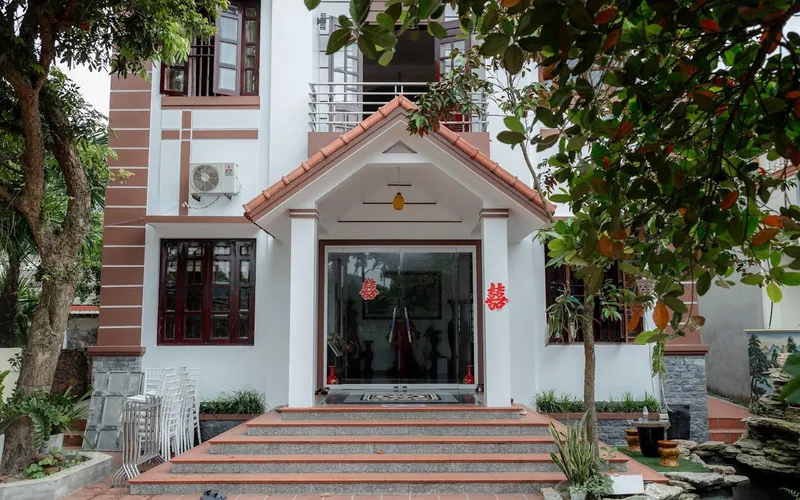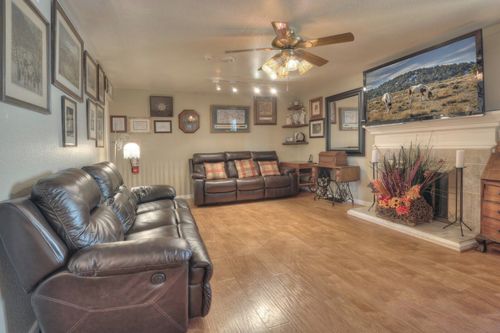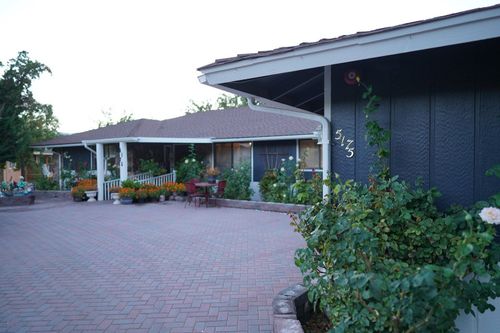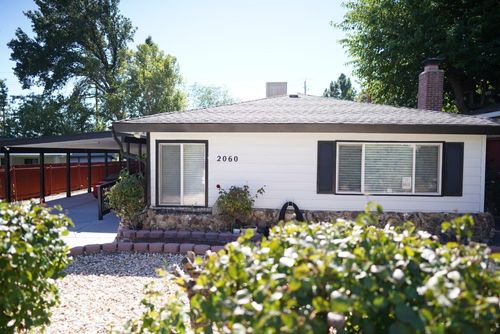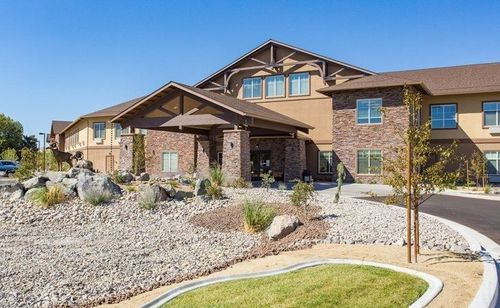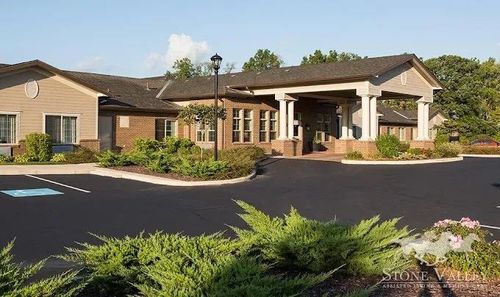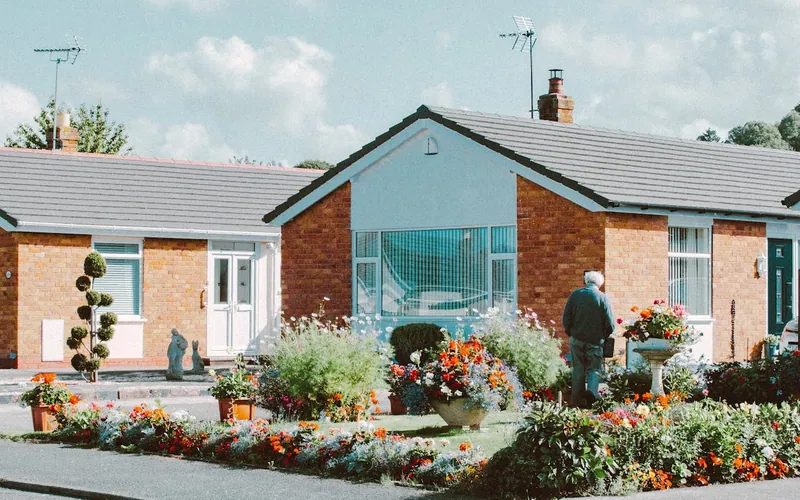
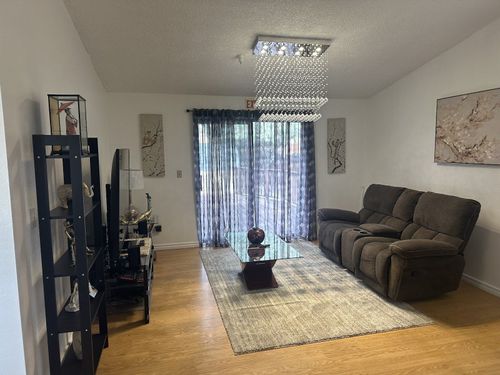
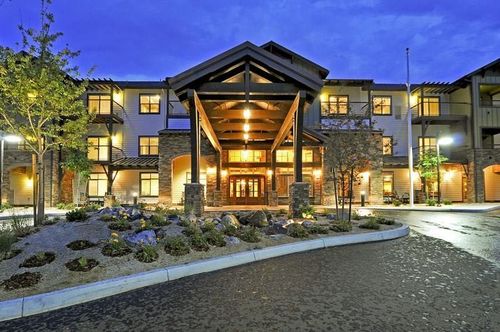
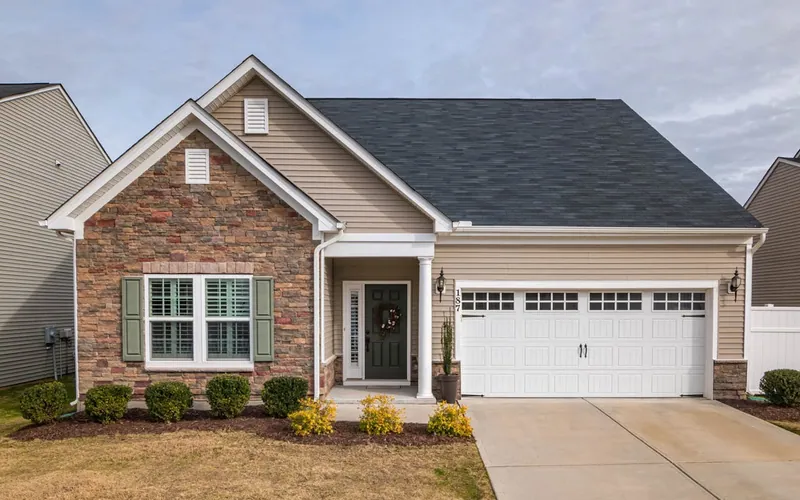


Residential care in Sparks is anchored by house-style settings such as Faith & Hope Home Care, Holy Family Home Care, and Hope Valley Care, where a handful of residents share a single household instead of a corridor of apartments. These sit alongside larger communities that house considerably more people, and more than ten communities in all give a Sparks family a real choice between intimacy and scale.
The smallest homes in the city hold only a few beds while the biggest community holds well over a hundred, a gap that shapes everything from how meals are served to how quickly a caregiver notices a change in someone's mood.
What Residential Care in Sparks Looks Like Day to Day
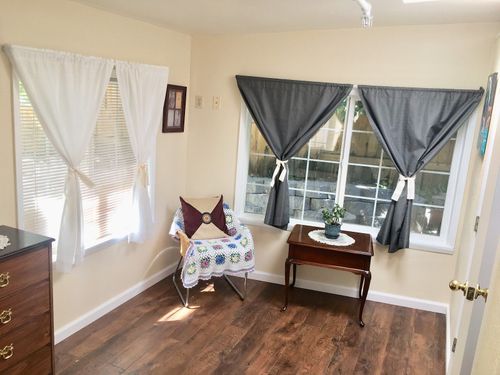
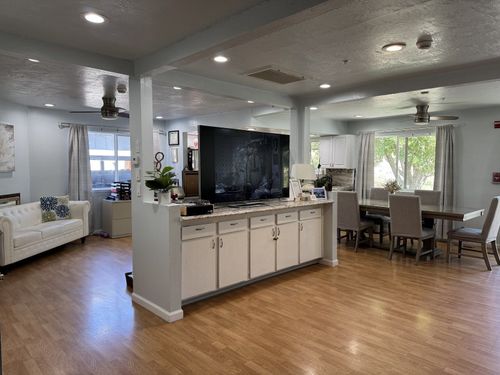
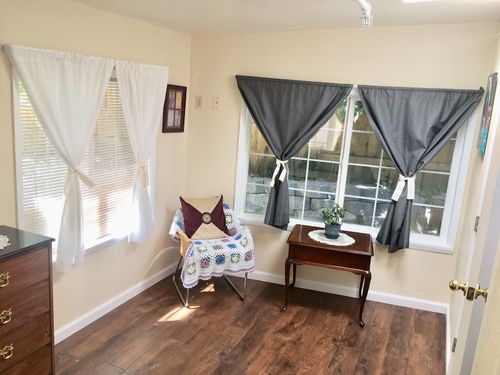
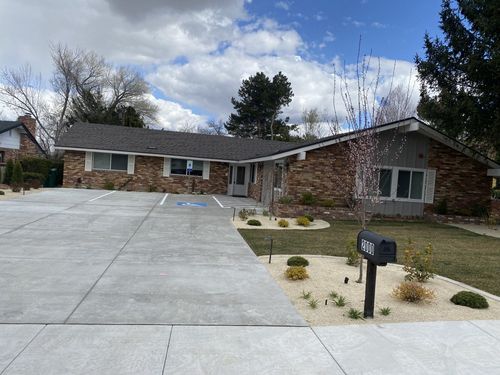
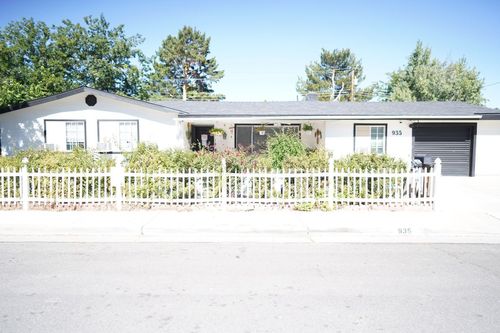
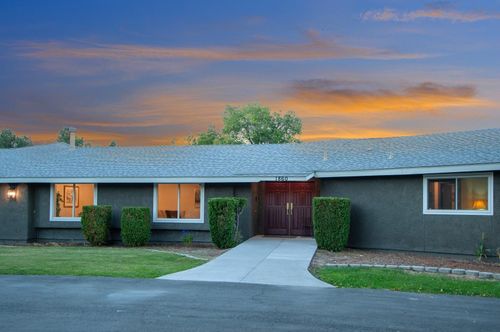
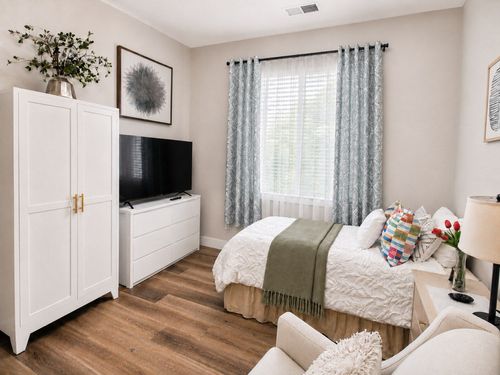
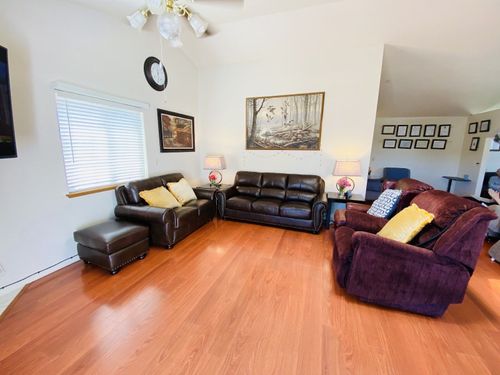
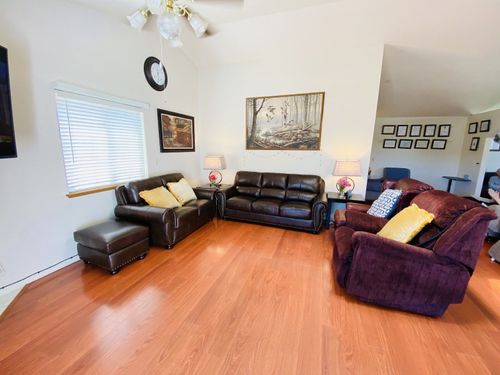
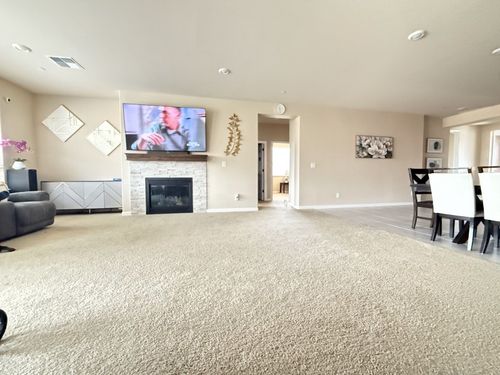
A residential care home in Sparks usually feels like a private house that has been adapted for senior living, with a shared kitchen, a common living room, and bedrooms along a short hallway. Caregivers in this kind of setting know each resident well, and the daily schedule bends around a person's habits more easily than a fixed community calendar can.
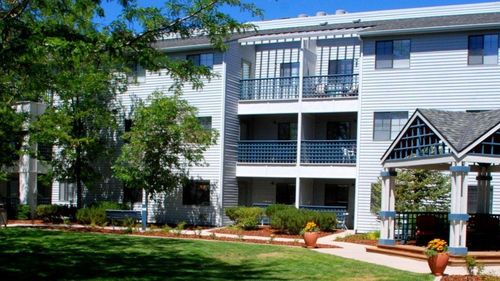
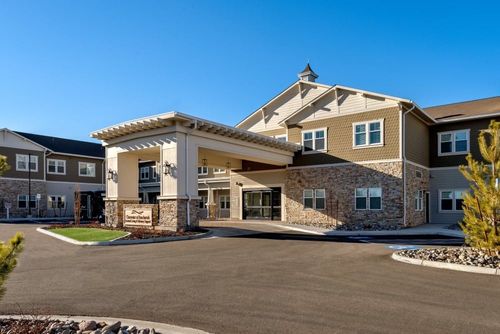
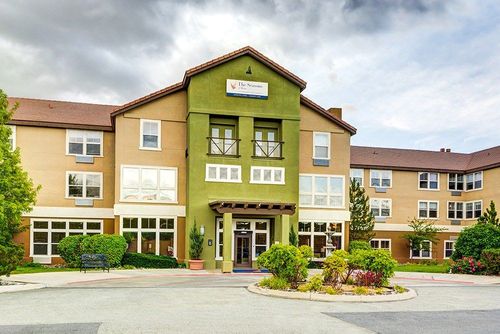
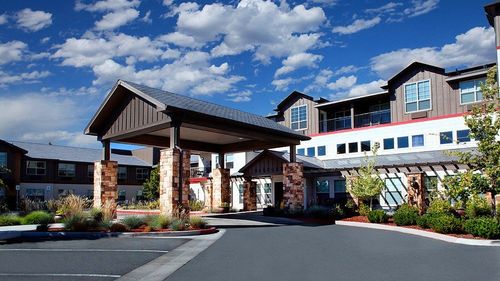
People who thrive in a household of this size tend to be those who feel overwhelmed by crowds or long hallways and who value seeing the same few faces every day. People who prefer a wider circle of neighbors, scheduled outings, and a larger dining room often settle better in a bigger community, and Casa Romana II and Cascades of the Sierra give a sense of the other choices nearby.
Budgeting for Residential Care Across Sparks
Starting prices for residential care in Sparks center on $3,832 a month, and the local spread is quoted $3,600 - $4,500/mo, which keeps most house-style settings within a familiar range. Holy Family Home Care and Adult Care at Pah Rah mark the two ends of that spread, so even within the residential model the figure varies with room type and level of help.
The base rate in a small household often covers meals, laundry, and housekeeping as a single bundle, which is simpler to read than the itemized schedules found elsewhere. Families should still ask what triggers a move to a higher tier of care, because that answer, more than the starting figure, decides what a year in the home will cost.
Shortlisting Between Morningstar of Sparks and Its Neighbors
A sensible shortlist starts with the level of help a person needs today and the level they are likely to need in a year, then compares how Morningstar of Sparks, Hope Valley Care, and the other communities respond to that change. Staffing is the next question, including how many caregivers are on duty during the day, who is awake overnight, and how a household handles a resident whose needs grow.
Visiting at mealtime reveals more than any brochure, since a family can watch how caregivers speak with residents and how relaxed the room feels. Families who keep a short written list of questions for each visit find that the final comparison almost writes itself.
Matching a Sparks Household to the Right Setting
An advisor who follows residential care in Sparks can say which houses have an opening, which ones suit a particular level of care, and how long the move is likely to take once a family decides. That local knowledge is especially useful for hospital discharges, when a person needs a placement quickly and a family has little time to visit.
The same advisor can talk through how private payment usually works here, since Medicaid is rarely part of the picture in Sparks, and can point out which communities welcome pets. Whenever a family wants to go over a particular situation, they are welcome to reach out and talk it through.
Our Sparks directory keeps expanding as we evaluate providers for quality and alignment in 2026. Start the conversation about residential care homes in Sparks, or scan the buildings we cover at your own pace.