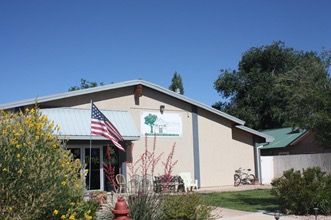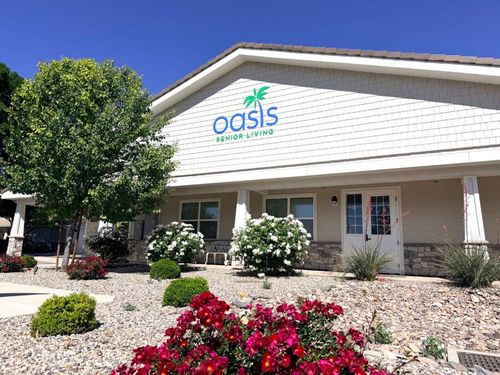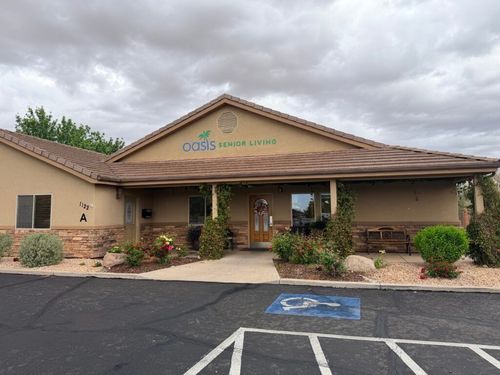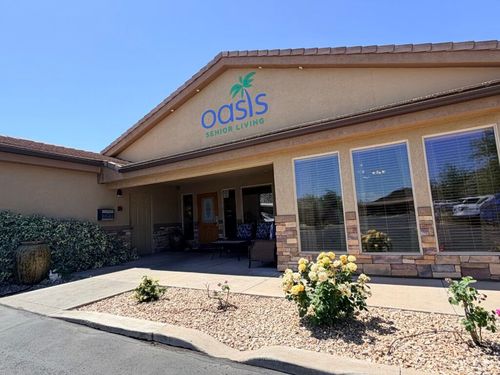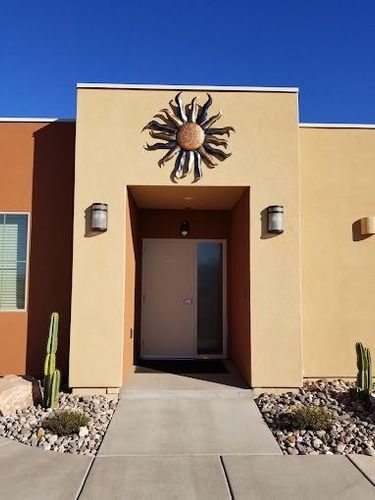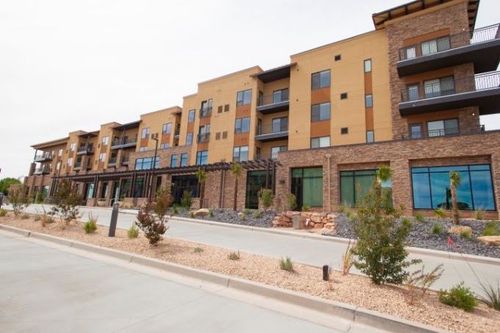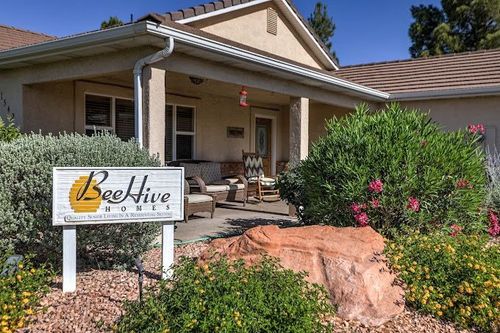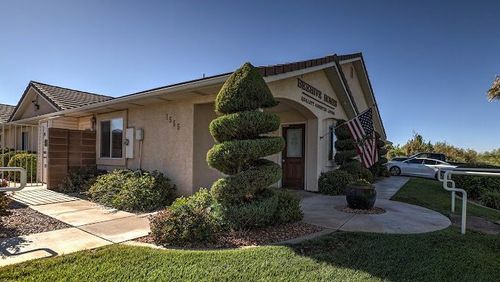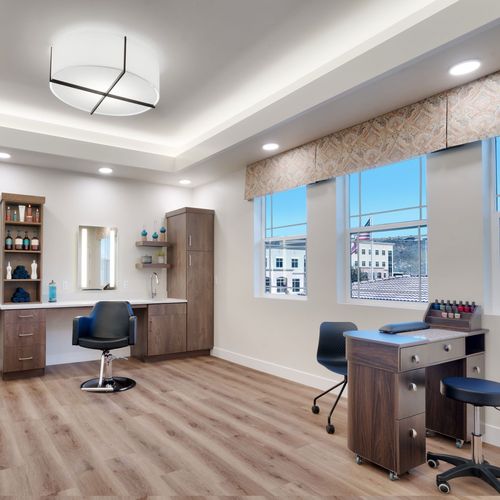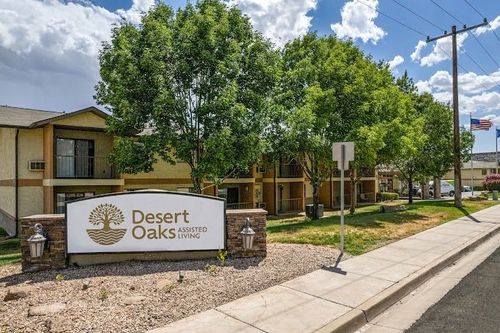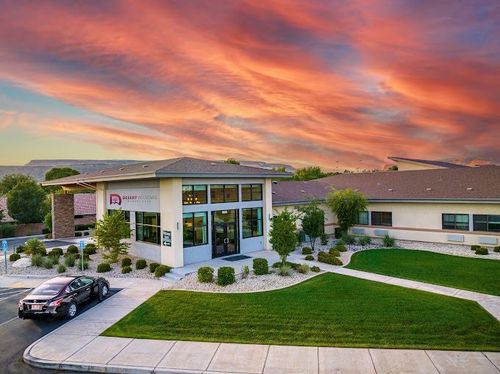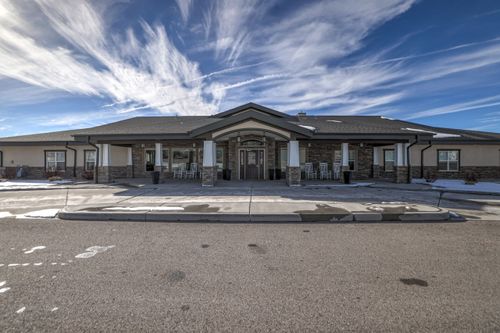
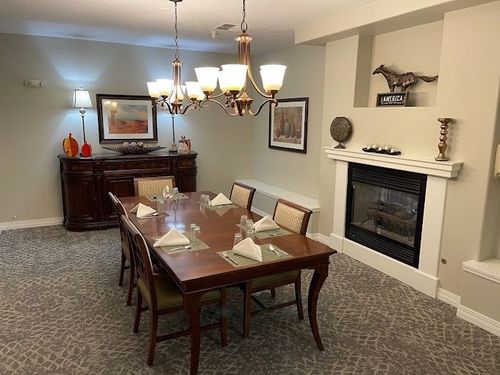
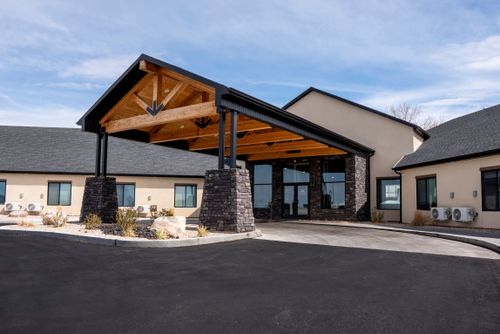
Cedar City's senior fabric draws from two strong anchors: Southern Utah University with its expanding retiree-faculty base, and the multigenerational ranching households spread across the surrounding plateau. Three communities (Our House of Cedar City, All Seasons Senior Living, and Three Peaks Assisted Living and Memory Care) hold the city's assisted-living and memory-care capacity. Intermountain Cedar City Hospital sits inside the city for clinical care, with the broader Iron County corridor through Parowan and Brian Head connecting easily by I-15 and SR-143.
Cedar City's older population reflects those same two anchors: SUU's growing retiree-faculty presence in the central blocks, and the long-tenured ranching families on the plateau. Roughly 5,000 of Cedar City's 37,000 residents are 65 or older in 2026, around fourteen percent of the city, and a steady stream of newcomers continues to arrive from California, Las Vegas, and the Wasatch Front, drawn by the high-desert climate.
How Care Shows Up in Cedar City
Cedar City's three published buildings each carry both assisted living and memory care, giving the city one of the higher per-capita memory-care densities in southern Utah. Skilled-nursing care flows through Intermountain Cedar City Hospital and a regional rehabilitation campus.
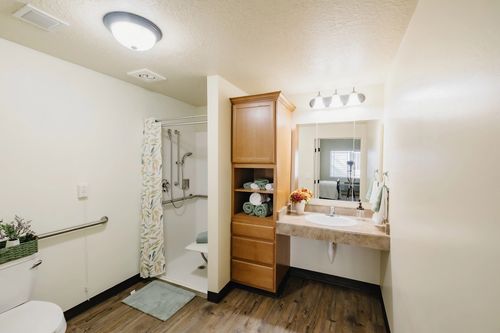
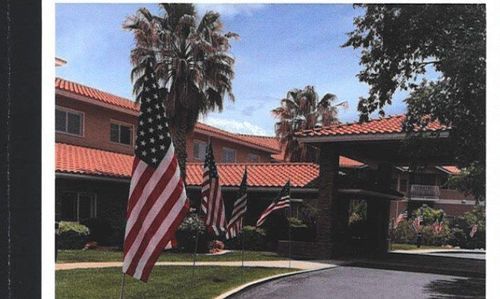
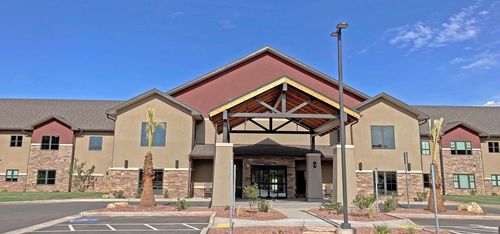
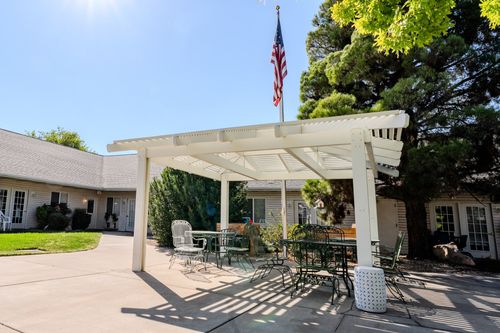
- Assisted Living: Each of Cedar City's three communities offers assisted-living rooms. Our House of Cedar City (75 apartments under SAL Management Group) anchors the largest scale; All Seasons Senior Living (30 apartments under Wasatch Senior Living) sits in the middle range; Three Peaks Assisted Living and Memory Care (42 apartments, independent management) rounds out the local options. The choice often comes down to building character, daily routine, and which Intermountain Cedar City Hospital primary doctor a parent already sees.
- Memory Care: Each of Cedar City's three published buildings holds a secured memory-care neighborhood, unusual for a city this size, and gives families a meaningful range of dementia-care options without leaving the area. That depth means a recent dementia diagnosis usually finds a four-to-six-week move-in window across the three settings, with the smaller All Seasons setting often offering faster move-in for tight timelines.
- Independent Living: Cedar City's published senior-living inventory does not include a dedicated independent-living campus. Households seeking apartment-style retirement typically look at the assisted-living buildings' independent-living tier where available, or step about forty-five minutes south on I-15 to St. George's Temple View, Legacy Village, or the Abbington.
- Skilled Nursing: Intermountain Cedar City Hospital handles short post-hospital recovery for Cedar City residents, with extended placements moving to a regional rehabilitation facility outside the county. None of the local senior-living buildings carry standalone skilled-nursing capacity.
Families typically narrow the three options based on scale, neighborhood character (central blocks versus the SR-130 west-side approach), and cultural ties to Southern Utah University, with former faculty or staff households often gravitating to the buildings closest to campus.
Healthcare Access in Cedar City
Intermountain Cedar City Hospital, a 48-bed Intermountain Health campus inside the city, anchors clinical care for senior-living residents. The hospital covers 24-hour emergency, an oncology center, cardiology with rehabilitation, neurosurgery, general surgery, women's health, and an Intermountain primary-care network across Cedar City and Parowan. Most local senior-living residents reach the campus inside a five-to-ten-minute drive.
When a case exceeds the local hospital's scope (the most demanding trauma, cardiac surgery, or pediatric subspecialty needs), referrals travel about three hours up I-15 to the Intermountain Medical Center flagship and the University of Utah's academic medical campus. Hospital case management coordinates appointments and discharges with senior-living staff directly, often through a single call to a familiar contact.
What Cedar City's Pricing Looks Like
The southern-Utah labor market and real-estate base keep Cedar City senior-living rates noticeably below the Wasatch Front. In 2026, assisted-living rates across the three local buildings typically run $4,000 to $4,300 monthly. Memory-care apartments at the secured neighborhoods cost noticeably more than assisted living, with a same-campus tier move adding a modest amount to the rate. All-inclusive rates at the smaller residential homes scattered between Cedar City and Parowan vary with the home and the level of care.
Move-in fees, a couple's second-resident charge, and daily respite stays are each priced separately, and the advisor walks through the current figures during the first conversation. The southern-Utah pricing differential typically leaves a household with a noticeably lower monthly bill than similar Wasatch Front options, which the advisor also flags early on.
Why Families Choose Cedar City
Several threads weave Cedar City's fabric into something most older residents would rather not leave: the retiree-faculty community at Southern Utah University, the long ranching heritage on the surrounding plateau, the Utah Shakespeare Festival each summer anchoring the city's cultural identity, and a downtown small enough that a parent's Saturday errand crosses paths with familiar neighbors. Most held onto family property because their adult children took jobs at SUU, in healthcare, or in the surrounding agricultural and tourism economy.
Daily life supports those routines. Paved walking around Main Street, the Coal Creek trail along the southern city limits, the SUU Senior Audit program letting older residents sit in on classes, and the accessible drives toward Cedar Breaks National Monument all carry weekday outings that match the day's energy. The Cedar City Senior Center keeps a calendar of hot lunches, Medicare benefits help, and afternoon outings, while the small-city fabric usually catches a missed gathering within the same week.
What a Local Advisor Brings to Cedar City
A Cedar City first call typically pulls in several threads at once: the three local buildings, the residential homes filling the area between Cedar City and Parowan, the Southern Utah University retiree-faculty community ties, and Intermountain Cedar City Hospital's discharge cadence. New Choices Waiver math against the city's lower private-pay rates pairs naturally with the southern-Utah cost differential when families compare against Wasatch Front options.
Our directory for Cedar City continues to grow as we evaluate providers for quality and alignment in 2026. Reach out for a conversation about senior living in Cedar City, or browse the communities we have vetted at your own pace.