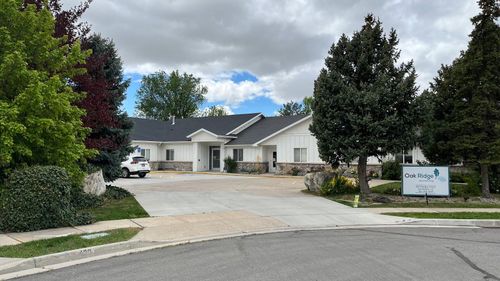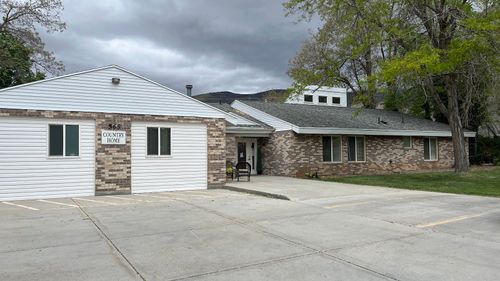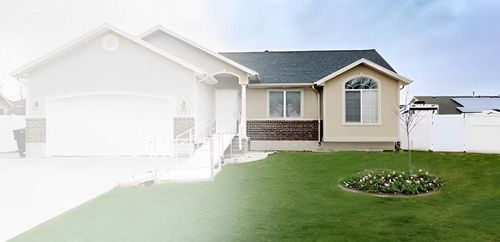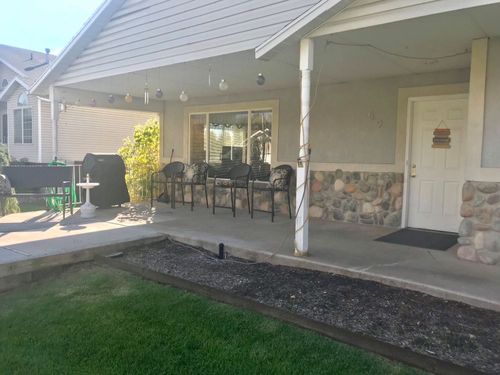
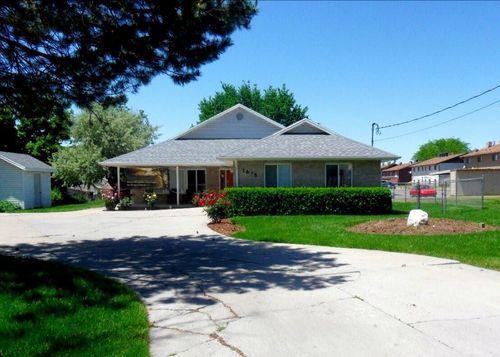

Layton, a fast-growing Davis County city next to Hill Air Force Base, has two small residential care homes, and between them they cover most of what families look for in the format. BeeHive Homes of Layton, a thirteen-resident house on King Street, specializes in memory care for residents with Alzheimer's or dementia. Todds Care Center (Country Oaks), also thirteen residents, on Angel Street, leans toward assisted living with rehab-style therapy and welcomes pets. Together they are the city's 2 home-style options, in a place where senior living has otherwise been built as large communities.
Families usually reach for a small home here after deciding a resident would rather have a smaller household than a big building, whether because of memory loss, a wish to keep a pet, or simply a preference for a quieter place. They want a handful of housemates and caregivers who learn a resident's name quickly, and both Layton homes deliver that, so the choice between them comes down to the specific person.
Two Homes, Two Kinds of Care in Layton
The two homes share the small-home basics but differ in their specialty: at both, around thirteen residents live in private bedrooms, eat home-cooked meals, and get help with dressing, bathing, medications, and getting around, plus overnight supervision, from staff who know each person rather than a rotating wing. BeeHive Homes is built for memory care, with a setting designed for residents living with Alzheimer's or dementia who do better in a small, calm house than a large secured wing. Country Oaks leans the other way, pairing assisted living with a visiting nurse practitioner and physical, occupational, and speech therapy, and it welcomes pets, which BeeHive does not.
The trade-offs of any small home apply to both: thirteen residents cannot fill the activity calendar, amenity list, or social circle of a large Layton community, and neither home keeps a full-time nurse for complex medical care. What they offer is attention and continuity, the same caregivers and the same housemates day after day. At Country Oaks, the visiting therapist means a resident recovering from a fall or a stroke can do physical or speech therapy without leaving the house. For a resident who would rather have that kind of attention than the scale of a big campus, either home can be a strong fit, depending on which specialty matches the need.
What Layton's Care Homes Cost
Both Layton homes accept Medicaid for residents who qualify, which is less common among small homes than families expect and a real advantage here. Private-pay rates run close together, roughly $4,300 a month at BeeHive Homes and around $4,400 at Todds Care Center (Country Oaks), both comfortably below the statewide assisted-living rate of $4,350 a month. A small home tends to cost less than a large campus because it carries far less overhead.
As always, those are starting rates: each home charges a base that bundles room, meals, and routine help, with heavier care adding to it, and memory care at BeeHive can run higher than basic assisted living. Because both homes take Medicaid, a family on a tight budget has two licensed local options rather than none, though waiver eligibility and timing carry their own rules. Whether the waiver covers a given resident comes down to income and asset limits, and the private-pay gap between BeeHive Homes and Country Oaks stays small enough that care level, not price, usually decides between them.
A Young Air Force City, Two Small Homes
Layton is one of the younger cities along the Wasatch Front, shaped by Hill Air Force Base and a median age in the low thirties, with only about one in ten residents past 65. Senior demand is rising as the city's longtime families age, but it has mostly been met by large assisted-living and memory-care buildings, leaving just two small homes for families who want a house. With around thirteen beds in each, and memory-care space tighter still, openings come and go quickly. Because BeeHive's memory-care beds and Country Oaks' assisted-living beds answer different needs, the home a family prefers will not always be the one with room. Lining up both homes as options early, rather than fixing on one, gives a Layton family the best odds of a timely move.
Why Layton Families Like Having a Choice
Having two homes in town means a family can match the setting to the person instead of taking whatever is open. For a parent with dementia, BeeHive Homes and its memory-care focus is the natural starting point; for a parent who needs therapy after a hospital stay or refuses to part with a dog, Country Oaks fits better. Both keep a parent close to family in Davis County, with the low ratio and familiar faces that draw people to small homes in the first place. A big community still wins for some residents, though: someone who thrives on a full events calendar, exercise classes, regular outings, and a large circle of neighbors will be more at home on a larger Layton-area campus, where that bigger setting is the right call rather than a lesser one.
How an Advisor Helps in Layton
With two homes that specialize differently, the Layton decision is really which one fits, and that is exactly what a local advisor sorts out. Someone who has walked both BeeHive Homes and Country Oaks can say which suits a resident's care level, whether memory care or a pet policy or therapy is the deciding factor, and which home actually has an opening when a family needs it.
Both BeeHive and Country Oaks take Medicaid, so untangling that side first keeps a family from spending a day touring the wrong one. Talk to us, or see the homes we've vetted across Davis County and beyond.