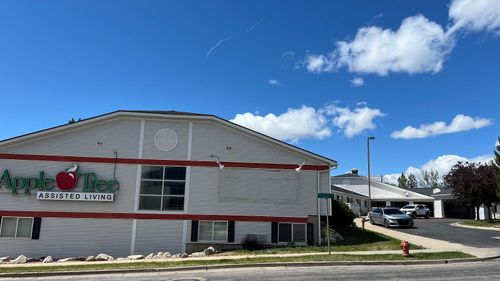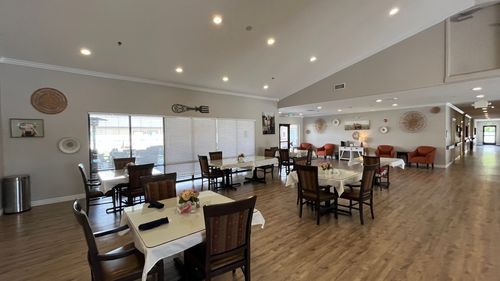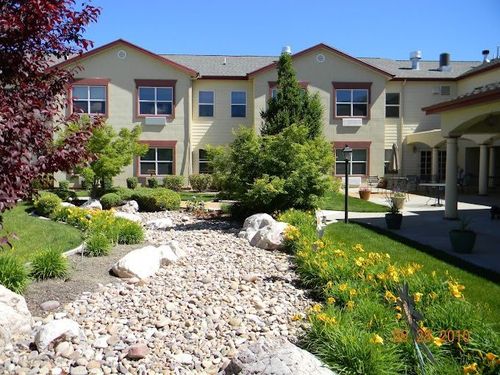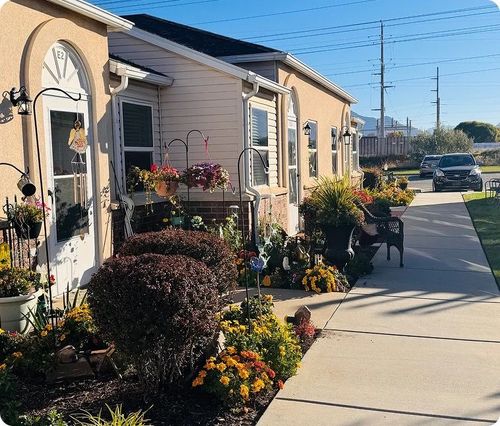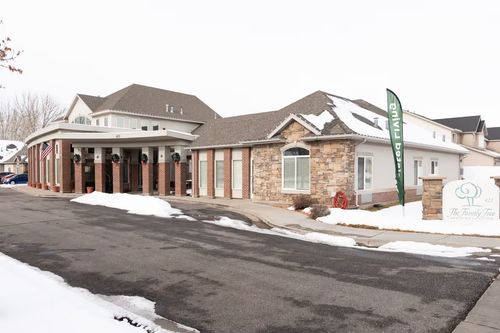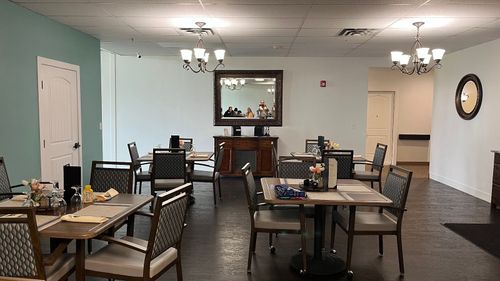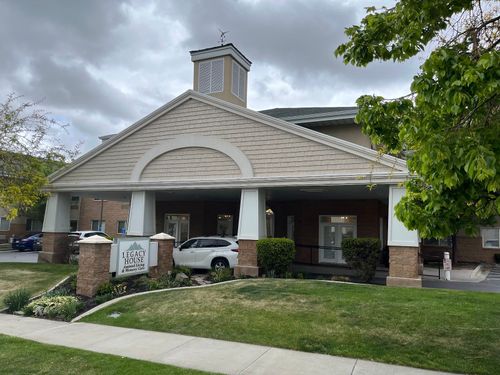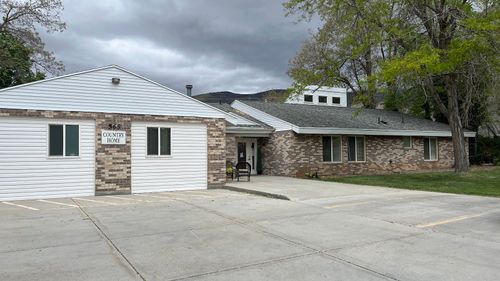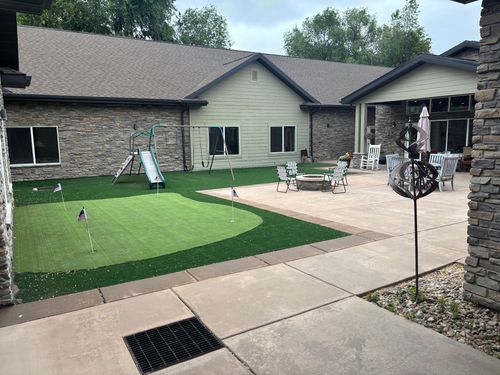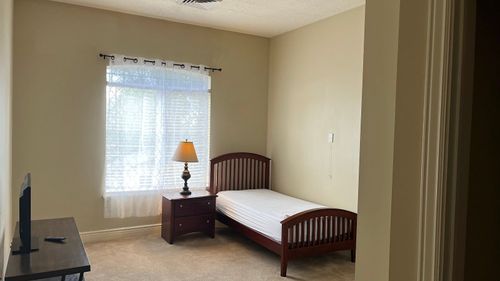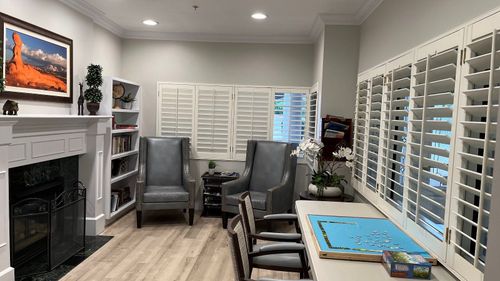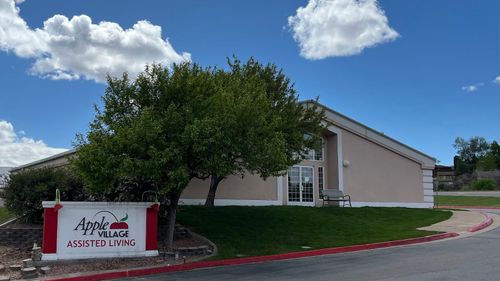
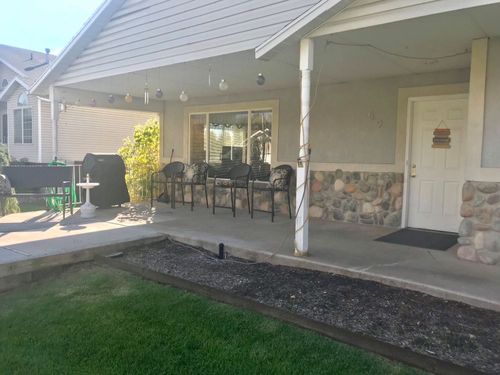
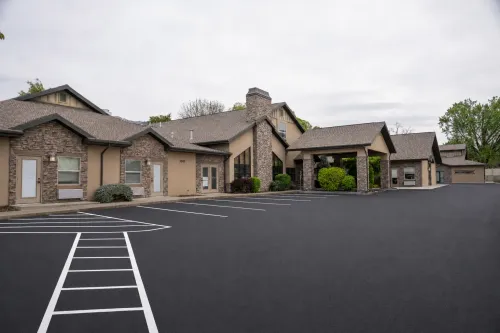

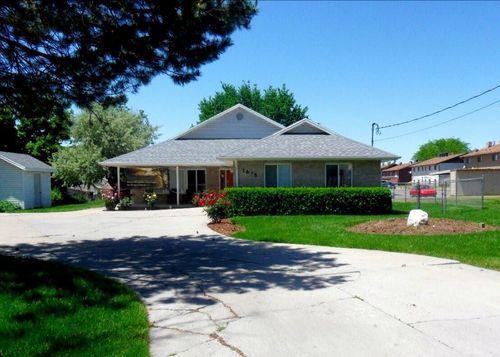

Layton grew up alongside Hill Air Force Base, and many of its older residents are military retirees who stayed in the area after their service ended, which gives the city's senior population a different makeup than the older bench towns to the south. The 5 Layton communities that accept Medicaid are spread across town rather than gathered in one district, a couple of them small residential homes on quiet streets and the rest mid-sized assisted-living buildings, several an easy drive from Holy Cross Hospital-Davis.
Most families arrive needing daily assisted-living or memory-care support, often after a hospital stay or once managing at home became more than they could keep up with, and what they want is a Layton community that accepts the waiver without making them private-pay for a year first. The harder part, for a lot of them, comes earlier, in figuring out that the coverage they have counted on for years does not reach this kind of care.
Why Medicaid Steps In Where Medicare and TRICARE Stop
Most of Layton's older residents carry Medicare, and many military retirees also carry TRICARE, so families are often caught off guard to learn that neither pays for long-term custodial care, the daily help that assisted living and memory care exist to provide. Medicaid is the program built for that gap: through Utah's New Choices Waiver, it covers the care services at an assisted-living or memory-care community, the daily help with dressing, medication, and supervision a resident needs once they require a nursing-facility level of support.
What the waiver does not do is pay for the room and board, the housing share of the monthly bill, which the resident covers from their own income. It also has no part in independent living, where there is no care for Medicaid to fund, so a resident in the independent wing at a community like Sunridge pays privately until their needs move into assisted living. For the many Layton households weighing Medicare, a military benefit, and now Medicaid together, working out which program pays for which piece is the genuinely confusing part, and getting the New Choices Waiver lined up is where most of the real effort goes.
What It Takes to Qualify, and What Care Costs in Layton
Medically, a resident must need a nursing-facility level of care to use the waiver, and financially, a single applicant in 2026 has to stay within the state's monthly income and countable asset limits, with married couples figured separately. Applicants above the asset line usually have to spend some of it down first, and because Utah looks back 5 years at money that changed hands, families who plan the finances early avoid a last-minute scramble.
On the private-pay side, assisted living at Layton's Medicaid-accepting buildings runs $4,300 - $5,250/mo a month before any waiver help, averaging $4,630, with memory care higher. Where a resident qualifies, the waiver pays for the care services only and does not cover room and board, so the resident still pays rent and meals from income, which for most households means the bulk of a Social Security or pension check goes to housing while Medicaid carries the care on top.
A Big City With a Smaller Share of Seniors
Layton is the largest city in Davis County, near 85,000 people, but a younger one, with only about one in 11 residents past 65, a lower senior share than the older towns down the bench. The base and its working families keep the median age down, even as the absolute number of older residents, close to 8,000, is large enough to support a real set of senior communities. Most of those run private-pay, so the 5 that accept Medicaid are a modest slice, and with the New Choices Waiver limited to a set number of slots across Utah, the timing of an opening tends to matter more than whether a Layton building takes the waiver at all.
Staying Where a Career and a Community Took Root
A lot of Layton's seniors arrived for Hill Air Force Base work decades ago and never left, so the friends, the wards or clubs, and the weekly routines that fill a life are all here, not something to rebuild from nothing late in the game. Keeping a Medicaid move inside Layton lets a resident hold onto that web of familiarity at the moment it matters most, and it keeps adult children who settled nearby close enough to stay involved day to day.
As the county's largest city, Layton has the full-service Holy Cross Hospital-Davis, the specialists, and the pharmacies a resident is likely to lean on, so a move into one of its assisted-living communities rarely means traveling far for care, and a family is not stitching appointments together across the valley.
How an Advisor Cuts Through the Coverage Maze in Layton
Working out which program pays for what is often the hardest part of a Layton search, because a family may be holding Medicare, a military benefit, and a Medicaid question all at once. Untangling that, then finding which local community has a waiver-funded room when it is needed, is where an advisor earns the call. An advisor who works Layton keeps that straight, knowing whether the small BeeHive and Country Oaks homes or the larger Apple Village and Sunridge have current openings, how the New Choices Waiver dovetails with a discharge from Holy Cross Hospital-Davis, and where a resident's care level and budget actually land.
Sorting all of that out is what turns a confusing list of communities into the two or three a Layton family should actually tour. Our Layton list keeps growing as we vet more communities for 2026; tell us where things stand about Medicaid-accepting senior living in Layton, or browse the communities we've vetted when you're ready to look.