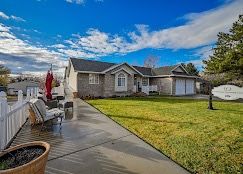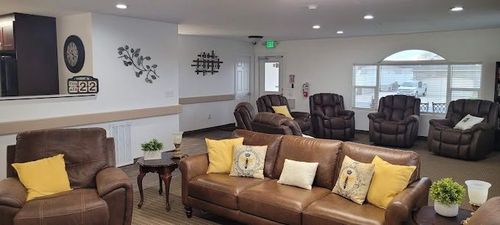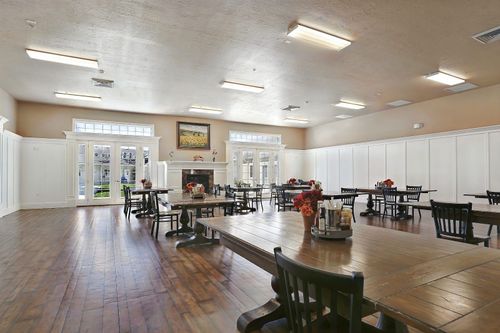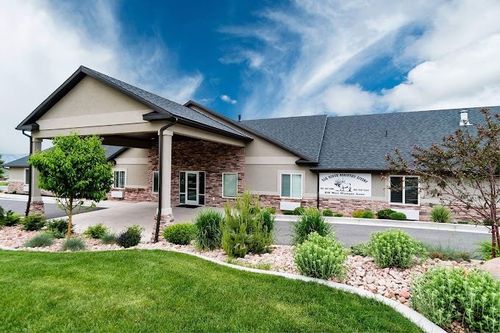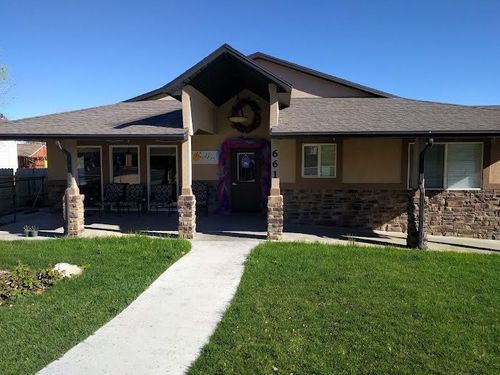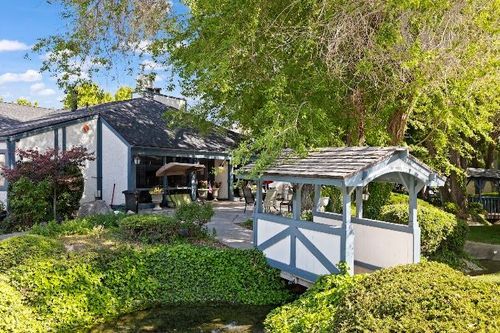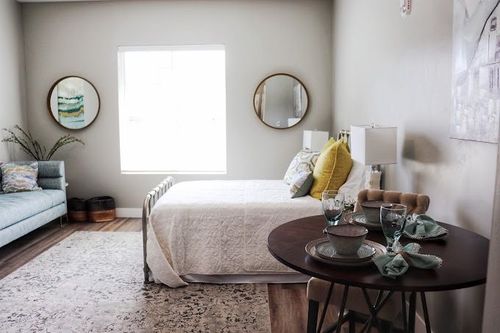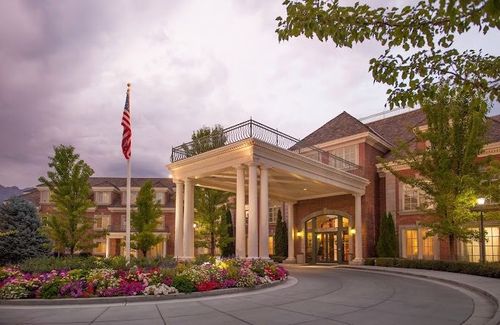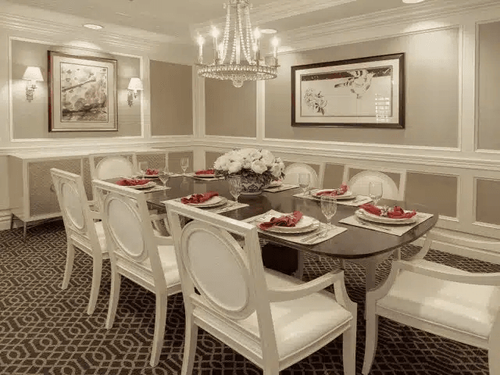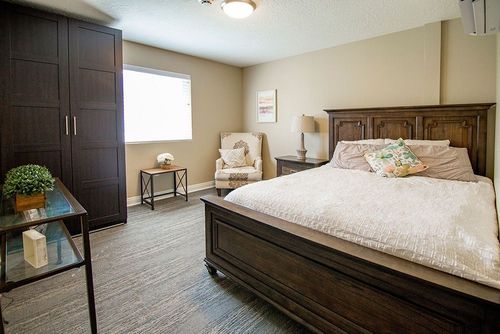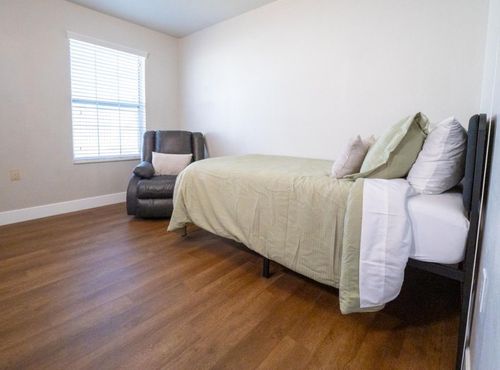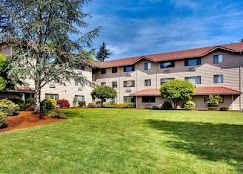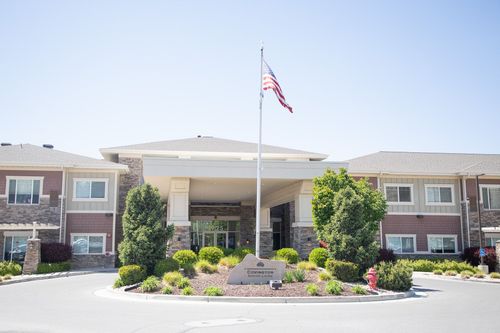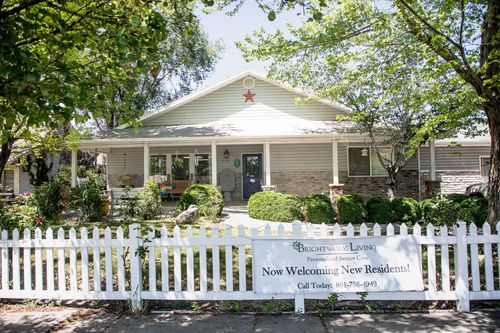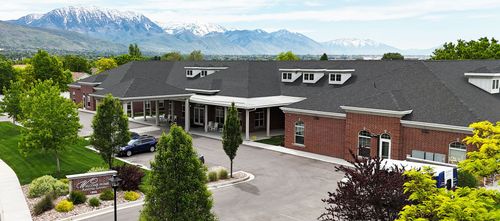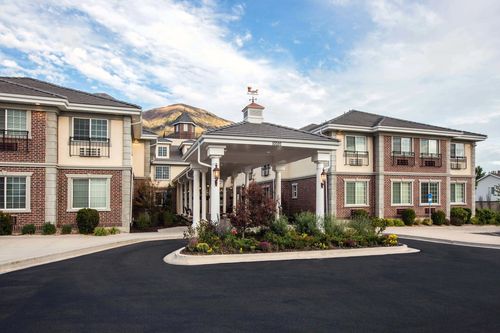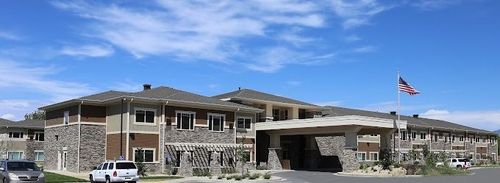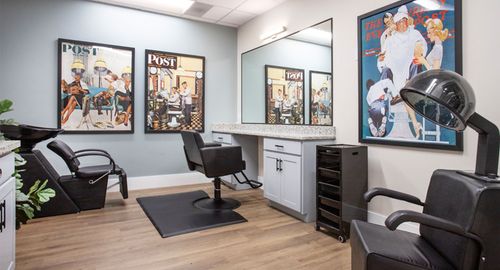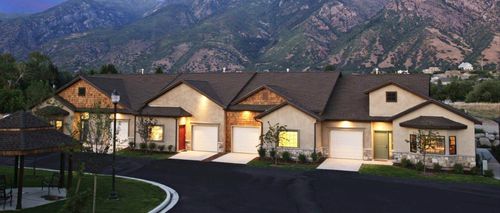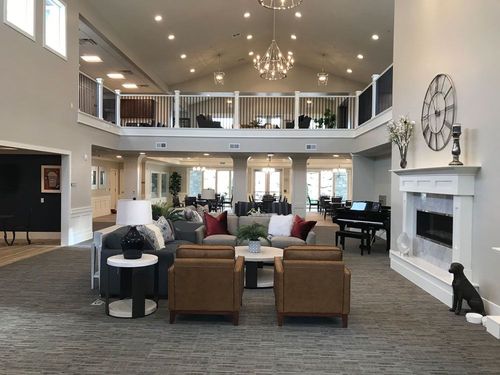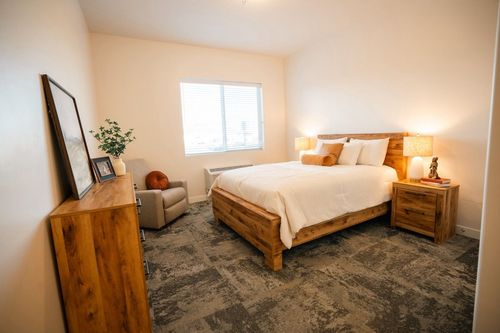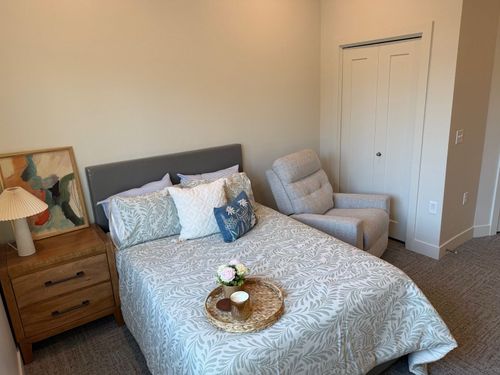
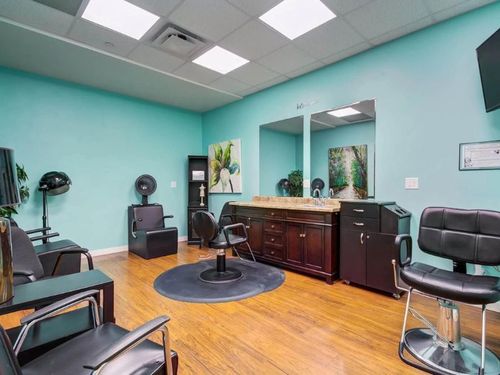

Both of Mapleton's senior-living communities welcome a resident's pet, which makes the pet-friendly search here the same as the senior-living search: the 2 addresses that take an animal are the town's only ones. Maple Landing on 300 South runs assisted living, while Spring Gardens on 800 South spans independent living, assisted living, and memory care. A cat or a small dog rarely raises a question at either; the size of a larger dog, the deposit, and who handles the daily walk are what actually sort one building from the other. Mapleton sits on the bench between Springville and Spanish Fork, close enough that a vet visit or a supply run is minutes in either direction.
Most families looking here are trying to keep one thing intact through a move, the animal that gives a resident's day its shape. A Mapleton senior who walks the same dog along the canal each morning is not set on parting with it lightly, and the town's two communities are set up to let that routine carry over rather than end at the door.
Bringing a Pet to Maple Landing or Spring Gardens
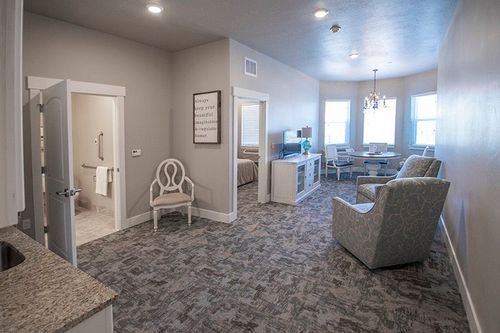
The pet question in Mapleton shifts with the level of care more than with the address. In an independent-living apartment at Spring Gardens, a dog or cat lives much as it would in any apartment, with the resident handling feeding, walks, and cleanup and the animal coming and going on a leash through shared halls. Assisted living, at either community, adds a layer of practicality, because staff are not there to walk or feed the pet; a community needs to see that the resident, or a named family member, can manage the daily care, and most ask for a backup plan covering a hospital stay or a hard week. Memory care, offered at Spring Gardens, is where the welcome narrows hardest.
A secured neighborhood built around residents who may wander has to weigh whether an animal is safe there and whether its owner can still reliably care for it, so a pet that was fine in assisted living is not automatically fine after a move down the hall. Across all three levels the baseline holds steady: proof of current shots, usually spaying or neutering, one animal in most cases, and a size the building can take. None of that is posted cleanly for either Mapleton community, which is exactly why the size, the number, and the deposit are worth pinning down in writing before any money changes hands.
What the 2 Rates Cost, and the Pet on Top
Maple Landing and Spring Gardens both price assisted living in the mid-to-high range, with Spring Gardens starting around $4,500 and Maple Landing around $5,000, and memory care at Spring Gardens running higher because the staffing is heavier. Those figures track the level of care far more than the animal, which arrives as two smaller numbers a family should still budget for. The first is a one-time pet deposit, common across Utah assisted living somewhere between a few hundred and a couple thousand dollars, sometimes refundable and sometimes not. The second is a monthly pet fee, often 25 to 100 dollars per animal, covering the added cleaning and wear.
Neither shifts affordability the way the base rate does, yet families overlook the monthly line when comparing two communities on the headline alone. One point belongs here plainly: those charges apply to pets at the two Mapleton buildings. A service animal trained for a disability is not a pet in the eyes of fair-housing law, so it carries no deposit and no recurring fee, though the resident still answers for any damage. Set the 2 Mapleton rates side by side and the pet is rarely what decides between them; the care level, the apartment, and what each rate already includes do the deciding.
Room to Walk a Dog on the Mapleton Bench
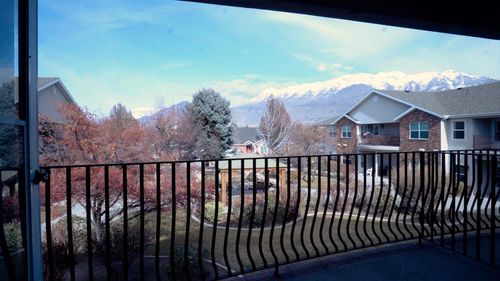
Mapleton gives a dog more room than its size suggests. The city park keeps a quarter-mile loop path and a small agility area, the Mapleton Lateral Canal Trail runs flat and quiet along the irrigation line, and the Hobble Creek Bike Path sits a short drive north, all on the leash the county requires.
That room matters because pet ownership runs deep among the town's seniors: with roughly 1,300 Mapleton residents past 65, and a 2026 national poll on healthy aging finding about 46 percent of older adults keep a dog or cat, several hundred local pet owners are the people these two communities are built for. Winters bury the bench in snow, so the indoor halls double as the bad-weather walk.
Why a Mapleton Move Keeps the Animal in Place
What a Mapleton move can spare a pet owner is a second upheaval for the animal. A resident who enters Spring Gardens in an independent apartment and later needs assisted living or memory care can shift within the same campus, without the dog or cat starting over in a new building under a new policy. That continuity, staying put at Spring Gardens as needs change, is hard to value until a family has lived the alternative.
Past it, the everyday draws are plain: the canal path and the quiet bench streets give a dog a real walk, Spanish Fork's shops and vets sit minutes away, and an adult child living nearby can fold a visit and a dog-walk into one afternoon. Researchers who study healthy aging keep finding that older adults with a pet report a stronger sense of purpose, part of why a Mapleton family is rarely willing to leave the animal behind for the move.
What a Local Advisor Pins Down in Mapleton
Because neither Mapleton community publishes a clean pet policy, the advisor's first job is confirmation: the current size or weight Maple Landing will take, whether Spring Gardens allows a pet in its memory-care neighborhood this month, the deposit each is charging, and whether either has an opening at the care level a resident actually needs. Those answers move from month to month at both Mapleton buildings, and a brochure usually trails them.
From there the work is matching the animal and the care level to the right building, a 60-pound dog to whichever will clear it, a memory-care need to whether the pet can come along. Reach out about pet-friendly senior living in Mapleton, or see the communities we've reviewed when you want to compare them on your own time.