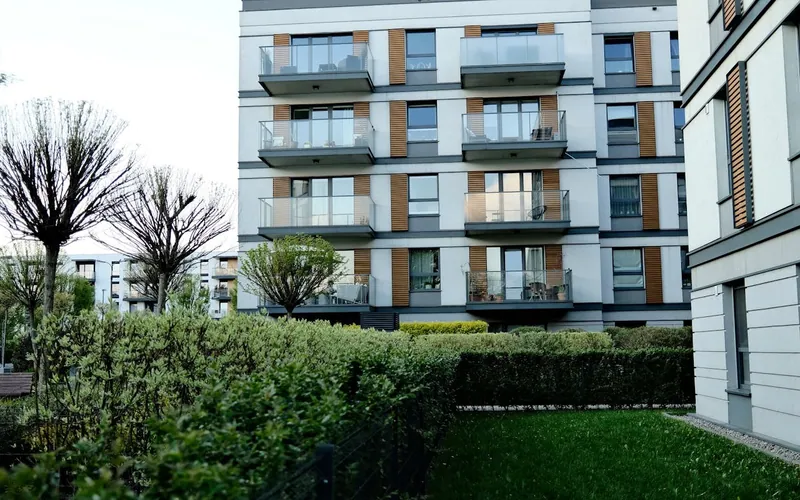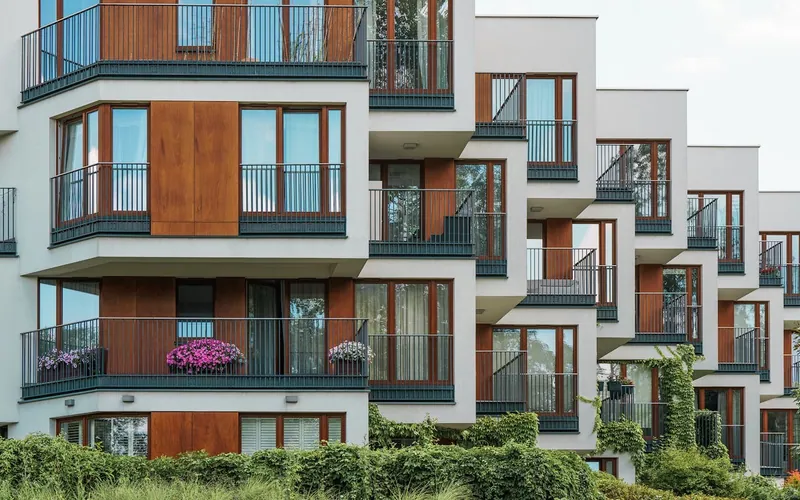
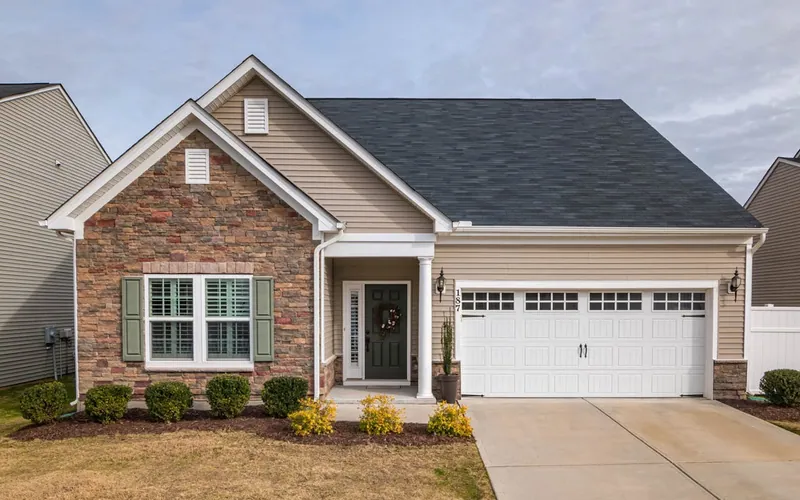
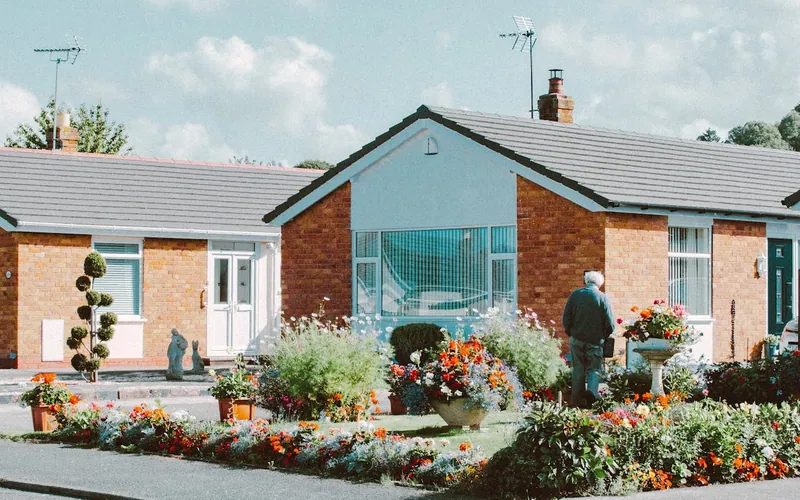









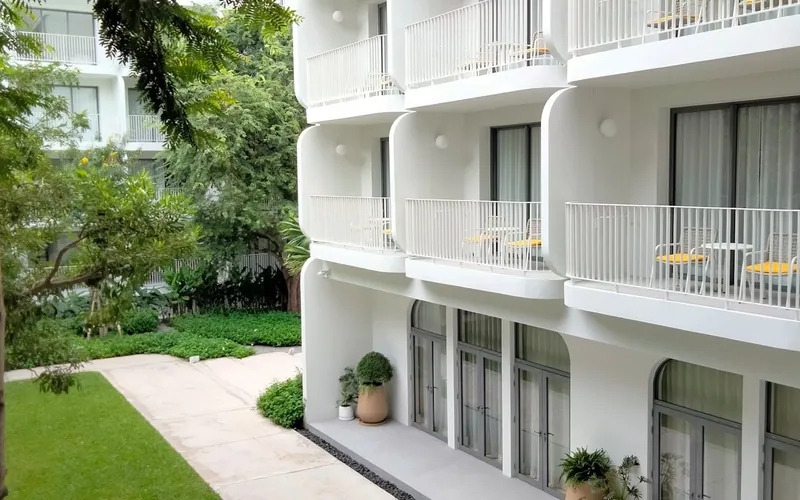

Phoenix senior living spans a wider range of sizes than most Arizona cities, from small residential settings with just four beds to a community with 146. With more than twenty communities to choose from, a family can look at a house on a quiet street one afternoon and a larger campus the next, and the two will feel nothing alike. Names such as Adagio Care, Ahwatukee Manor Assisted Living and Aegis at 38th Place Assisted Living show how many of the smaller settings are run as intimate, house-style communities rather than apartment towers.
Several of the communities accept Medicaid and several welcome pets, two details that quietly decide the short list for many households. Because the sizes vary so much, the first useful question is rarely which address is best. It is what kind of day the person actually wants to have.
The Options Across Care Levels in Phoenix
Most of the Phoenix field is built around assisted living, with 76 communities offering it, and that is where the small-house model shows up most. A four-bed or six-bed setting means the same few caregivers see the same few residents every day, which suits someone who would be lost in a large dining room. Larger communities, at the upper end of 146 beds, tend to offer more varied daily schedules and more neighbors to share meals with.
Memory care is listed at 4 communities, and independent living at 1, so a family looking for either should expect to compare fewer options than they would for assisted living. Independent living suits people who are managing well but want meals, upkeep and company handled for them. Memory care suits those whose safety at night or around the front door has become a daily worry.
Skilled nursing is a different kind of stay, usually tied to recovery after a hospital visit or to medical needs beyond what a residential community can staff. Many Phoenix families start in one setting and move to another as needs change, so it helps to ask early how a community handles that next step.
What Drives Costs Across Phoenix
Two things move the monthly bill more than any others: how much hands-on help a person needs and how much space they occupy. A private room with a private bath costs more than a shared room, and a person who needs help with bathing, medication and transfers will pay more than one who only wants meals and a ride to appointments. Pricing in Phoenix is also shaped by whether a community charges one flat rate or builds the bill from a base rent plus tiers of care.
Setting matters too. Small residential settings often bundle meals, laundry and personal care into a single figure, which makes comparison simple but leaves little room to trim. Larger communities may list a lower starting rate, then add charges as care needs grow, so the starting number and the number a family actually pays can sit far apart. Not every community publishes a starting rate at all, which is why current figures belong in the care-type cost guides rather than in a general overview.
Medicaid acceptance changes the picture for households with limited savings, though it usually applies to some rooms and some care levels rather than every bed in the building.
Narrowing the Field
Start with the three things that cannot flex: the level of care needed now, the area of the valley where family can visit easily, and the budget the household can sustain for years rather than months. Phoenix is spread out, and a community that looks close on a map can mean a long summer drive for a daughter visiting after work. Choosing within a short drive of the people who will visit most often tends to matter more than almost any feature on a brochure.
Next, decide between a small house and a larger community. A person who wants quiet and a familiar face at every meal usually does better in the first, while someone who likes activity and company usually does better in the second. Pet policy, Medicaid acceptance and whether the community can handle a higher level of care later are practical filters that can cut a long list down quickly.
Visit at a mealtime if you can, and notice how staff speak to residents when no one is watching. Two or three visits, not ten, are usually enough to feel the difference.
What a Local Advisor Brings to Phoenix
A local advisor keeps track of which Phoenix communities currently have a room, which accept Medicaid, which take pets, and which small houses fit a person who needs close attention. That saves a family from calling twenty places only to learn that most are full or priced outside their range, and it gives a hospital discharge planner a realistic short list on a tight timeline.
The service is free to families, and the advisor works from the household's needs rather than from a single community's sales goals. If you would like help sorting through the Phoenix options, it may be worth a short conversation to see which of them fit.
Our Phoenix directory keeps expanding as we evaluate providers for quality and alignment in 2026. Start the conversation about senior living in Phoenix, or scan the buildings we cover at your own pace.