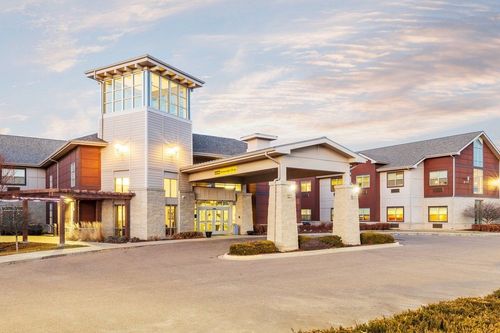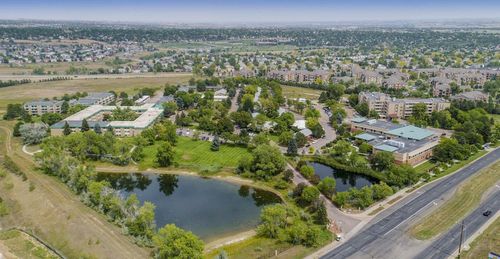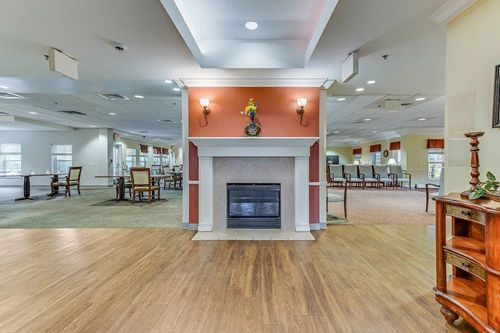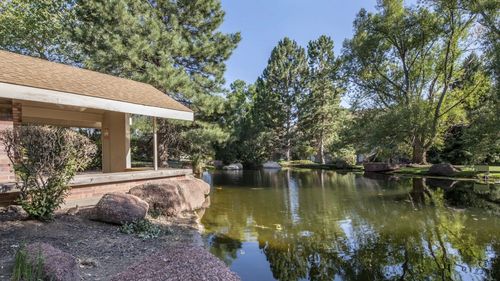

Frasier is the name that comes up first when Boulder families begin looking for skilled nursing, and it sits within a small number of communities in the city that provide this level of care. That shapes how the search goes. A hospital team may say a discharge is two or three days away, and a family then has to find a room that matches the medical plan, the insurance situation, and the distance from home, all in the same short window.
Most people arrive at skilled nursing with one of two goals. Some need a stretch of rehabilitation after surgery, a stroke, or a serious illness, and plan to return home. Others need round-the-clock nursing care that will continue for the long term. The two paths use the same buildings but ask different questions, and it helps to know which one applies before the first phone call.
Therapy, Nursing, and the Shape of a Day
A short-term rehabilitation stay in Boulder is built around therapy sessions. Physical, occupational, and speech therapists work with each resident on a schedule tied to the discharge goal, whether that is climbing stairs, dressing independently, or swallowing safely. Nurses are on site at all hours, manage medications, watch wounds and vital signs, and coordinate with the physician who oversees the stay.
Residents who are staying long term settle into a steadier routine. Mornings usually start with help getting up, bathing, and dressing, followed by meals, rest, visits from family, and whatever social activities the community offers that day. Because Boulder winters bring cold mornings and icy walkways, families often ask how the community handles outings and appointments, and it is reasonable to ask about transport to medical visits as well.
The practical difference between the two paths is in the pace. Rehabilitation is active and goal-driven, with progress reviewed often. Long-term nursing care is quieter, focused on comfort, safety, and keeping a familiar daily rhythm.
Paying for a Nursing Stay in Boulder
Skilled nursing is billed differently from other senior living, and families who are used to monthly rent for an apartment are sometimes surprised. Typical starting costs in the Boulder area sit around $10,500 a month, though the final bill depends on the room type, the level of nursing and therapy involved, and whether the stay is short-term rehabilitation or ongoing care.
Coverage rules matter as much as the starting rate. Medicare may help pay for a limited rehabilitation period after a qualifying hospital stay, but it does not cover long-term custodial care. Families planning for an extended stay generally rely on private funds, long-term care insurance, or Medicaid. Among the communities serving Boulder, only one accepts Medicaid, so a family that expects to rely on it should raise the question early rather than after a bed has been offered.
Who Is Asking for Beds Here
Boulder has a large population of older adults, and many of them have lived in the area for decades. Retirees who came for the university, the research labs, and the mountains have grown older in place, and a good number now need medical support that cannot be delivered at home. That steady demand meets a limited supply of nursing rooms.
Demand is not even through the year. Hospital discharges tend to cluster after winter falls and surgeries, and rooms can fill quickly when several families are searching at once. Families who start gathering information before a crisis usually have a calmer experience than those who begin the day a discharge date is announced.
Why Boulder Families Choose a Nursing Community Close to Home
Proximity is the reason most often given. A resident in rehabilitation benefits from frequent visits, and a spouse who no longer drives may depend on a short trip across town. Choosing a community in Boulder keeps a person near longtime doctors, a familiar pharmacy, neighbors, and the congregation or friends who still stop by.
There is also a practical advantage in continuity. When the same hospital and physician network follows a resident from the acute stay into the nursing community, records and medication lists move with fewer gaps. For long-term residents, a nearby location means grandchildren can visit after school and family members can attend care meetings in person, which makes it easier to notice small changes and speak up early.
One of the communities serving the area is also pet friendly, which matters to residents whose companion animal is a large part of their daily comfort.
Working With a Local Advisor on Timing and Fit
A local advisor follows how openings at Boulder's nursing communities move from week to week, and can say which options are realistic for a given discharge date. The advisor also knows how Medicaid timing tends to unfold, including how long an application can take and what paperwork a community will want in hand before admitting a resident, so that a family does not discover a gap on the day of the move.
The advisor also works alongside hospital case managers and discharge planners, helping translate a medical plan into a short list of buildings that fit the person's therapy needs, budget, and preferred location. Families who would like help narrowing the choices can reach out for a short conversation, or simply talk it through at a pace that suits them.
Our directory for Boulder continues to grow as we evaluate providers for quality and alignment in 2026. Reach out for a conversation about skilled nursing in Boulder, or look through the communities we have vetted at your own pace.