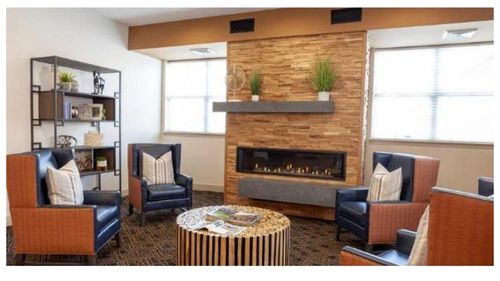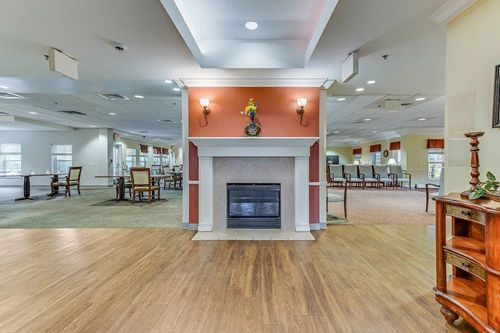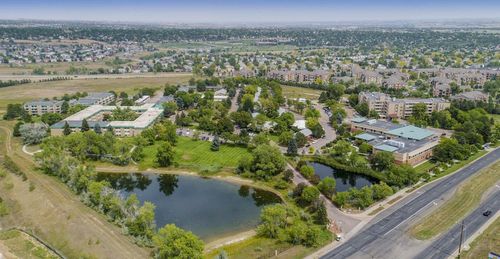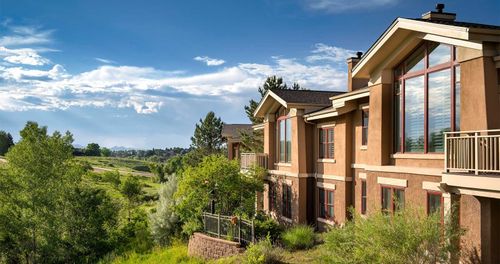

Douglas County spans the corridor between Denver and Colorado Springs, featuring a select variety of skilled nursing facilities equipped to handle complex recovery needs. Local care centers focus heavily on physical rehabilitation after surgery or illness, allowing patients to regain strength before returning to their residences. Facilities like Vi at Highlands Ranch offer clinical oversight for individuals requiring short-term medical support or ongoing daily assistance. Navigating this landscape quickly becomes necessary when medical teams recommend continued care following a hospital discharge.
Families often find themselves managing these transitions under tight time constraints. Medical professionals frequently suggest transferring to a skilled nursing facility when a loved one needs professional wound care, intravenous therapy, or intensive physical therapy. The primary goal is restoring independence while managing chronic health conditions in a highly supervised setting.
Daily Support and Clinical Routines
Residents living in these local centers follow daily schedules designed to maximize health outcomes and physical recovery. Therapists and nurses work together to deliver personalized therapy sessions, medication management, and mobility training. Every schedule adapts to the individual patient, balancing necessary rest periods with active rehabilitation exercises.
Beyond medical treatments, staff members assist with daily living tasks such as bathing, dressing, and dining. This level of support provides peace of mind for families who know their relatives receive constant attention. The structured environment ensures that dietary needs, medication schedules, and rehabilitation goals are met efficiently.
Financial Expectations for Local Care
Care within Douglas County represents a significant financial consideration for families planning for medical recovery. Baseline costs for skilled nursing typically start around $10,500 per month, depending on the specific medical requirements and room configurations. These rates cover continuous nursing staff, meals tailored to medical directives, and access to therapeutic equipment.
Long-term medical support involves different financial planning compared to temporary rehabilitation stays. Families should review their insurance coverage, as Medicare often covers a portion of temporary rehabilitative care following a qualifying hospital stay. Private payment or long-term care insurance is generally utilized for extended medical requirements.
Local Demand and Availability
Regional demographic trends indicate a growing number of older adults residing in this area, which directly influences the demand for medical care. Finding an available opening in a local rehabilitation center can be challenging during peak seasons when hospital discharges surge. Local facilities operate with a small number of designated care spaces, making early planning essential for families.
Securing a space requires proactive communication with admissions coordinators across the region. When medical events occur unexpectedly, families often need to act quickly to identify which facilities have immediate openings. Understanding the local capacity landscape helps families manage expectations during a stressful transition.
Reasons Behind Regional Care Choices
Relatives choose these clinical settings to ensure their loved ones receive continuous monitoring from licensed healthcare professionals. Medical situations involving stroke recovery, severe fractures, or progressive neurological diseases require advanced clinical skills not available at home. Families rely on these teams to manage complex medical needs safely.
Another significant factor is the desire to prevent hospital readmissions by providing professional medical oversight. Having access to respiratory therapists, physical therapists, and registered nurses on site provides reassurance. The supportive environment allows patients to focus entirely on recovery without the burdens of household maintenance.
Navigating Admissions and Care Transitions
Understanding the medical requirements and facility rules makes the facility selection process smoother. Local professionals assist families in evaluating which center matches their specific clinical needs and budgetary requirements. Making these complex decisions involves exploring funding avenues like Medicaid and understanding exactly when a patient is ready to return home.
Selecting the right environment involves more than just verifying if a location accepts certain payment types. Families benefit significantly when they have a knowledgeable guide to help translate medical terminology and explain discharge procedures. If a patient is ready to explore local care possibilities, a short conversation can provide much needed clarity.
We keep expanding our Douglas County coverage as we evaluate providers for quality and alignment in 2026. Reach out for a conversation about skilled nursing in Douglas County, or browse the communities we have vetted at your own pace.