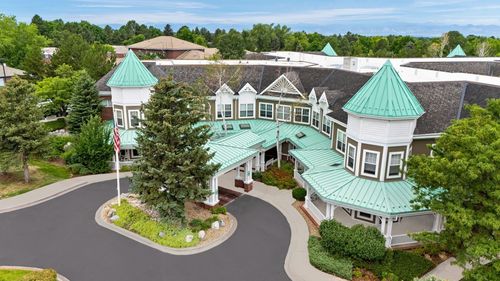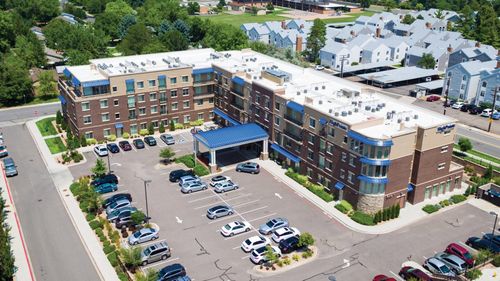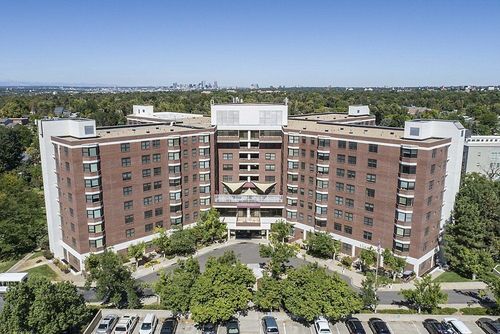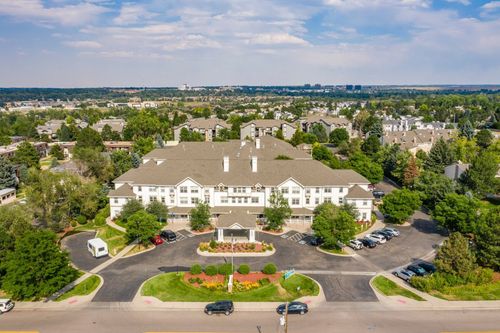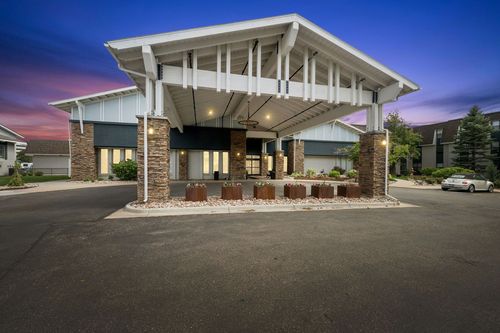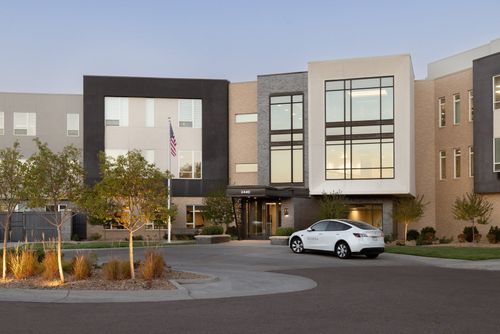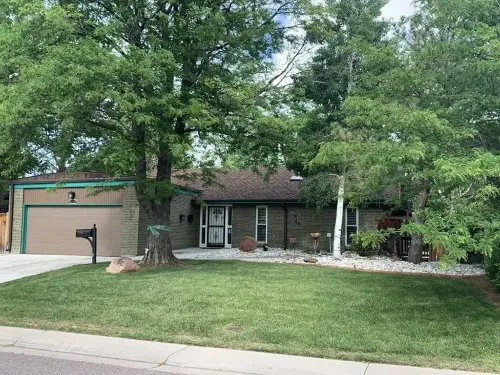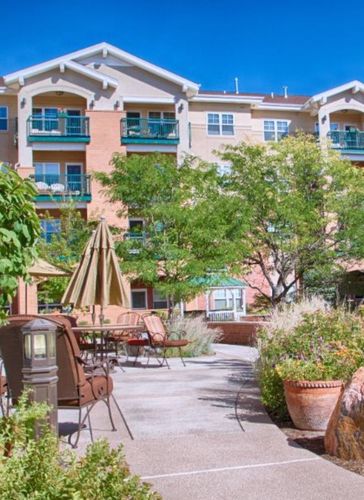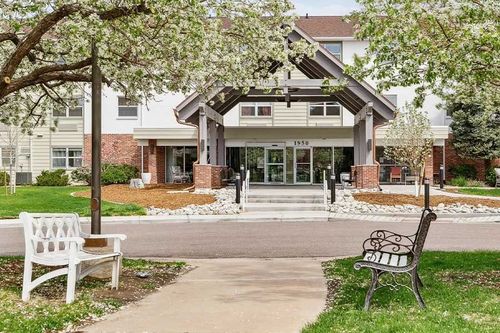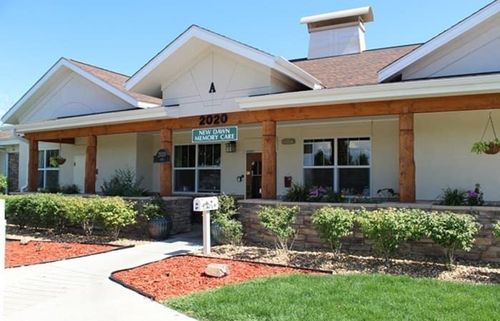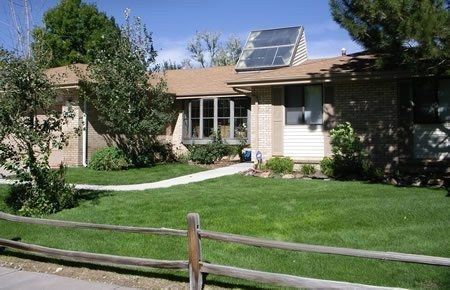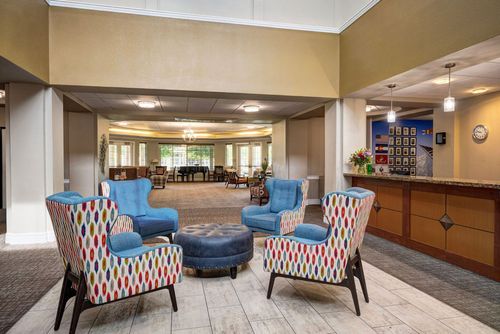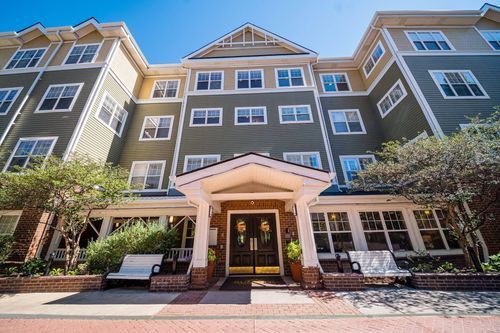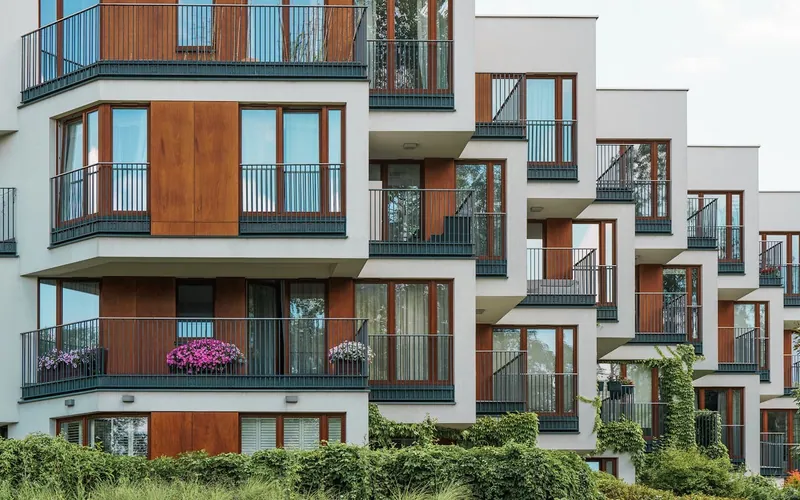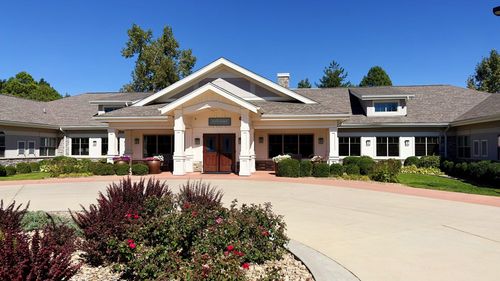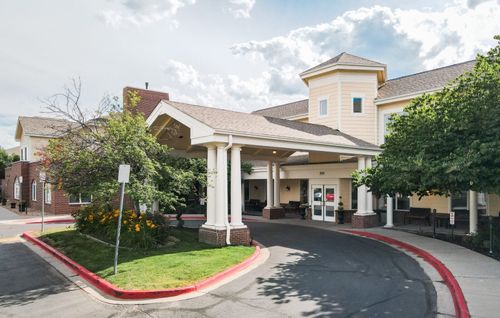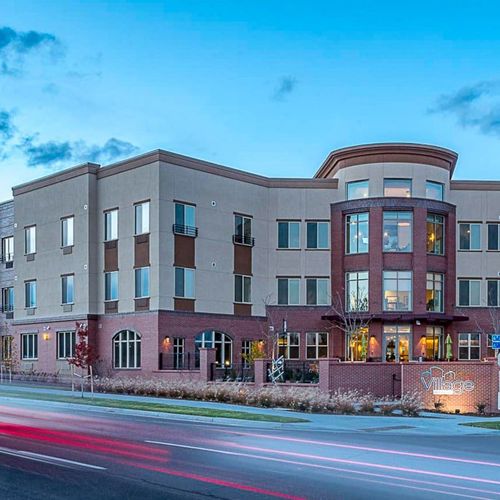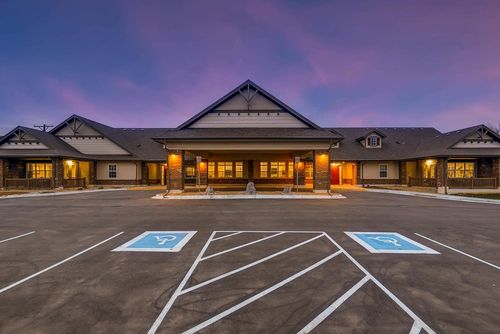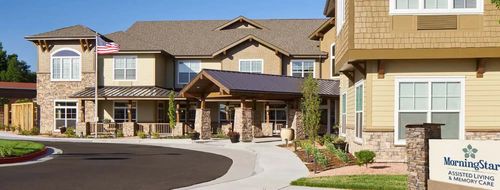
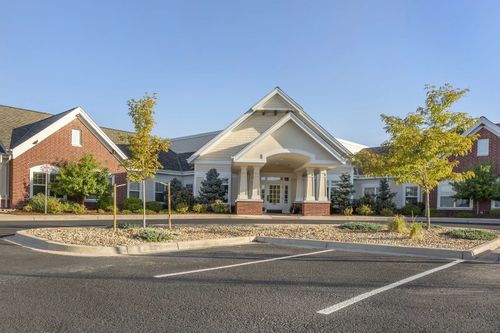
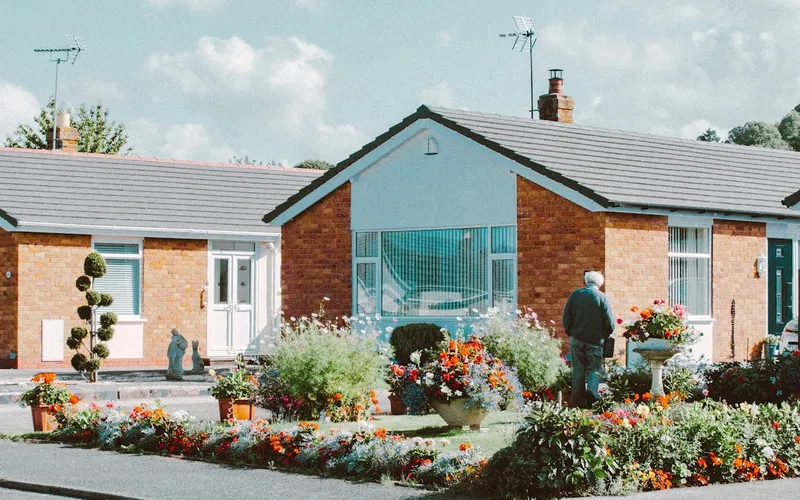



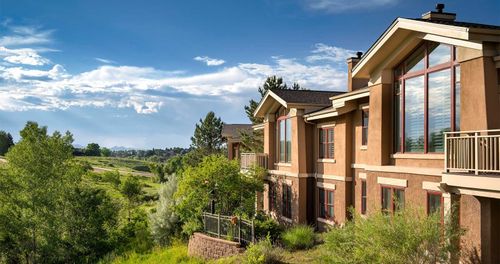

Douglas County memory care is spread across Highlands Ranch, the Woodlands area and the quieter pockets south of it, with Brookdale Highlands Ranch and Vi at Highlands Ranch among the better-known names. The field is a handful of communities, and it runs from small residential homes of roughly eight beds up to communities of about ninety.
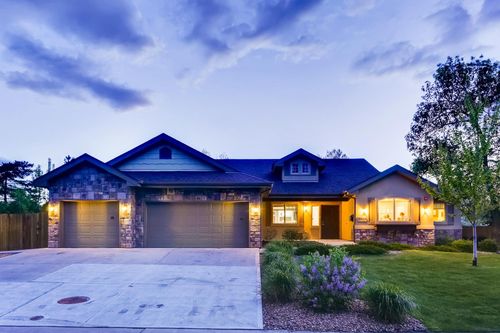
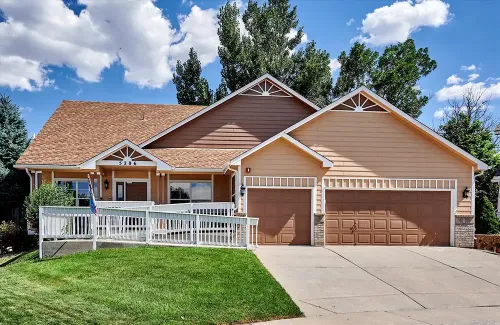
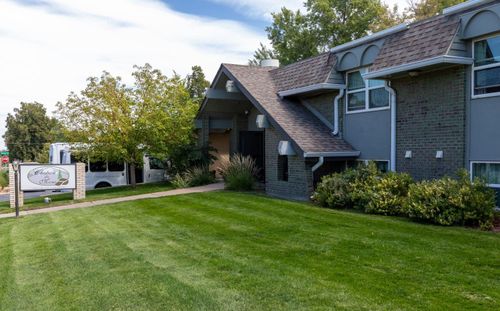
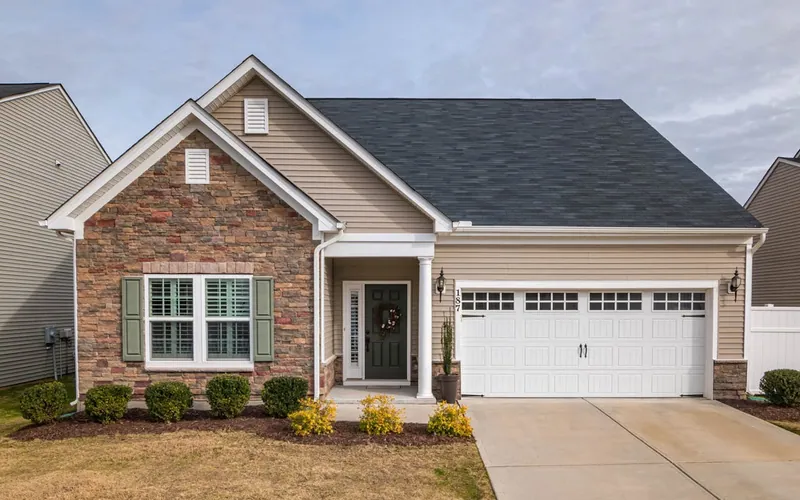
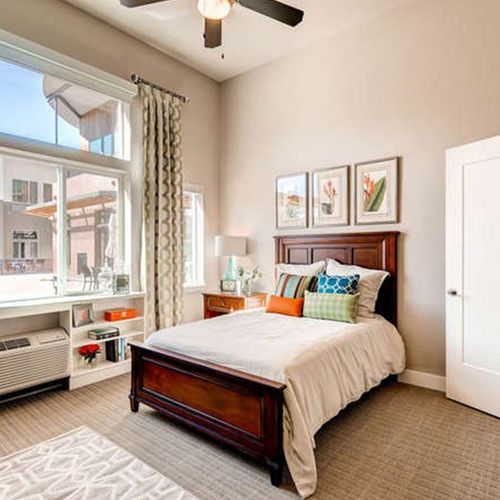
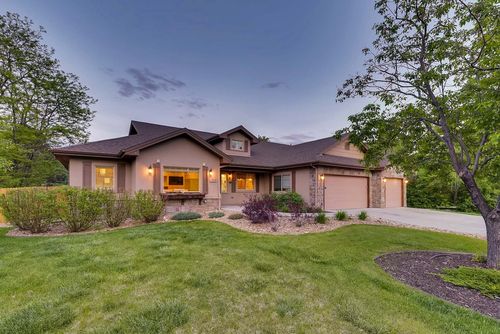
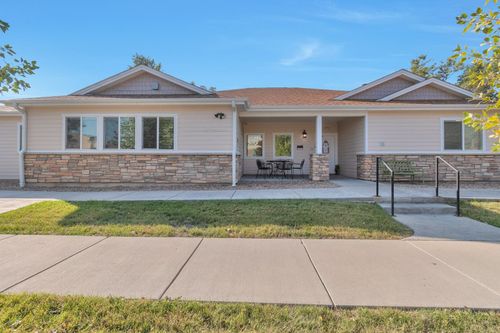
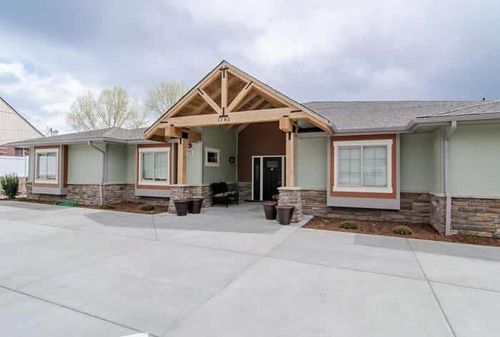
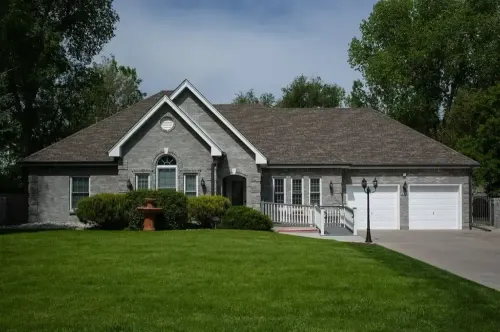
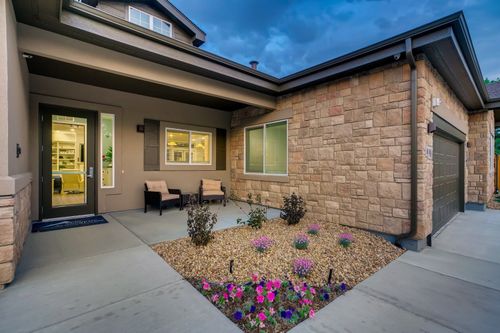
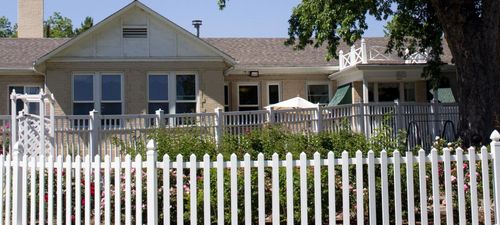
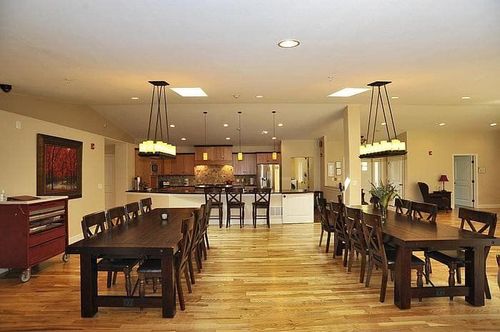
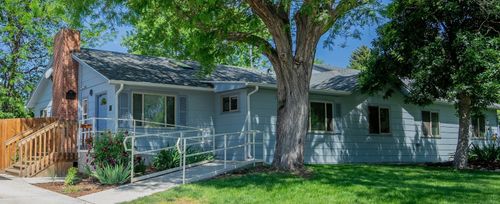
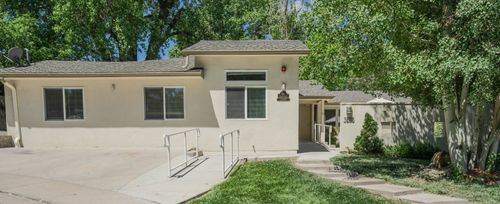
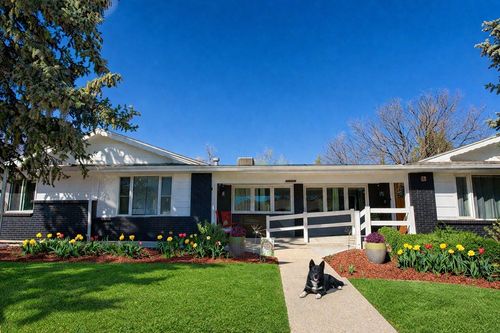
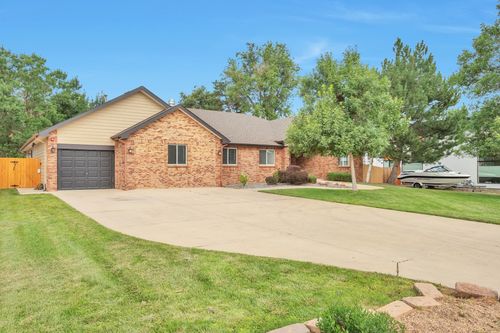
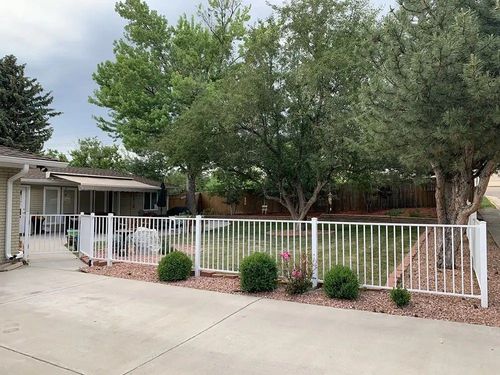
That range in size is the first thing to understand. Some families will find a secured neighborhood inside a larger building, while others will find a house-sized setting where a few residents share one kitchen and one living room. Almond Tree Senior Care - Highlands Ranch, Golden Orchard III and the two Solange homes, Solange at Grouseberry and Solange at South Forrest, give a sense of how many options sit at the smaller, home-style end.
Secured Spaces and Daily Routines
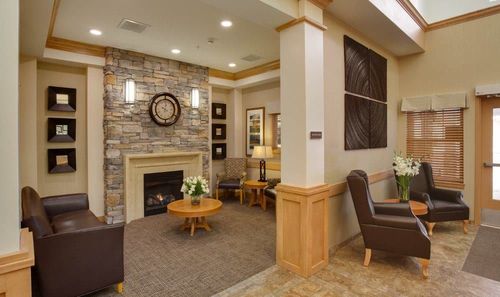
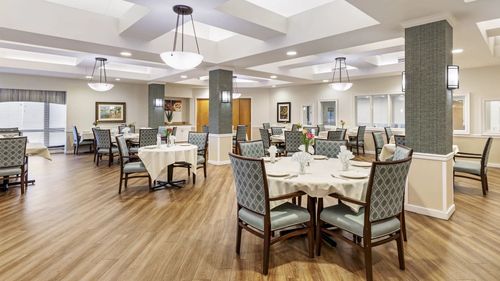
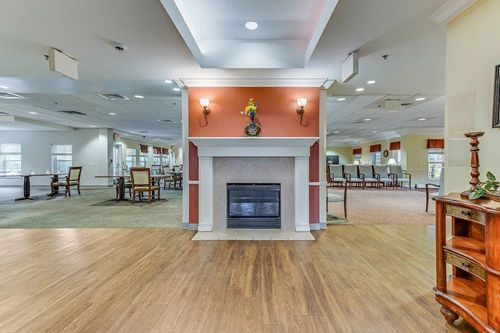
A secured setting means exits are controlled and residents can move freely inside without anyone needing to guard a door. In a larger community that usually takes the form of a dedicated neighborhood with its own dining room and activity space. In a smaller home the whole house is the secured space, and the layout is simply a residence with locked entries.
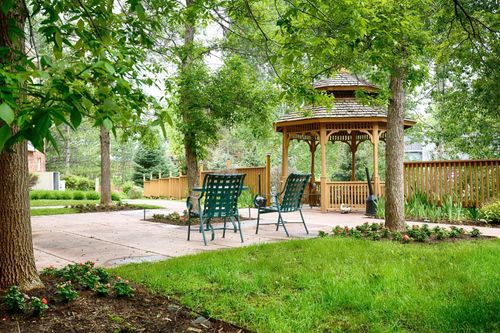
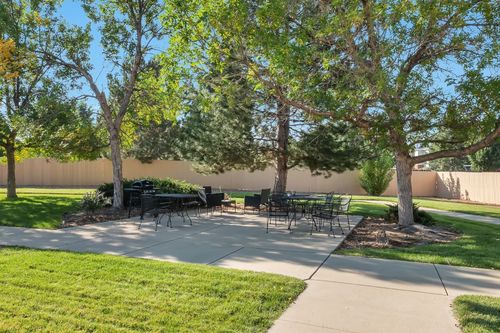
Days in either kind of setting follow a steady rhythm: breakfast at a regular hour, help with dressing and bathing, medication reminders, and short activities such as music, simple crafts, or a walk in an enclosed courtyard or garden. Staff in memory care learn each resident's habits, so that a familiar cup of coffee or an afternoon at the window becomes part of the routine.
When comparing communities, ask how many caregivers are on the floor during the evening hours, whether the building was designed around dementia from the start or has a wing added to an assisted living layout, and how a family's visits fit the schedule. A few communities in the county welcome pets, which matters to some residents more than any activity calendar.
Understanding Monthly Costs
Families here usually start near $6,608 a month, and published starting rates run $5,265 - $6,800/mo. The monthly figure generally covers the room, meals, help with personal care, medication management and the structured daily calendar, though the actual bill depends on the level of care a resident needs.
Three things move the number most: the size of the room and whether it is private, how much hands-on assistance a person requires day to day, and whether the setting is a larger community or a smaller house. A resident who needs help with several daily tasks will usually pay more than someone who mainly needs supervision and cueing.
One point is specific to this county. Medicaid acceptance is not part of the picture among the memory care communities here, so most families plan on private funds, long-term care insurance, or veterans benefits where a resident qualifies. Sorting out how those sources fit together before a move saves a good deal of stress later.
A Growing Older Population in Douglas County
Douglas County has long drawn families for its schools and open space, and many of those households are now watching parents and grandparents age nearby. The older population is growing steadily, and with it the number of people living with memory loss who need more structure than a regular home can offer.
Because the local field is small, openings at any one community can come and go quickly, and the smaller homes in particular may have only a bed or two free at a time. Families who begin looking early tend to have the widest choice, since waiting until a need is urgent narrows what is available that month.
Why Families Choose Memory Care in the County
Many families settle on a Douglas County community because it keeps a person close to the people who matter. A daughter in Highlands Ranch or a son in Castle Pines can visit after work, share a meal, and stay involved without a long drive, which counts for a lot when familiar faces help someone feel settled.
The choice between a larger community and a small home often comes down to temperament. A person who enjoys company and a full calendar may do well in a bigger neighborhood, while someone easily overwhelmed by noise may feel calmer in a house with a handful of residents and the same caregivers each day.
Families also value the chance to plan ahead. A secured setting with caregivers trained in dementia gives relatives peace of mind, and it lets them go back to being spouses, sons and daughters rather than full-time caregivers.
How a Local Advisor Helps
An advisor who works Douglas County follows which communities currently have openings, which have a waiting list, and how each one handles the move-in assessment. That matters here because beds turn over slowly and the smaller homes may fill without any public notice. The advisor can also explain how a hospital discharge date lines up with a move-in date, so a family is not forced to pick a building in a single afternoon.
Financial timing is part of the picture as well, since Medicaid is not an option among local communities and other funding sources take time to arrange. The advisor helps narrow a handful of communities down to the two or three that suit a person's care needs, budget and family's drive time. If you are just beginning to sort through the options, a short conversation is a comfortable place to start, and you can reach out whenever it suits you, or talk it through at your own pace.
Our Douglas County directory keeps expanding as we evaluate providers for quality and alignment in 2026. Start the conversation about memory care in Douglas County, or scan the buildings we cover at your own pace.