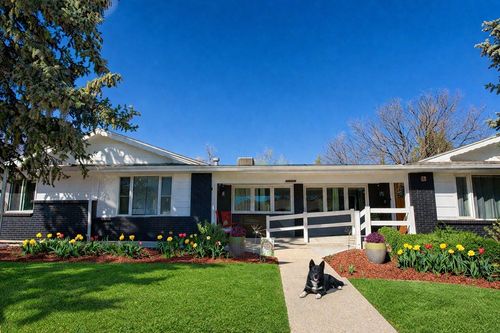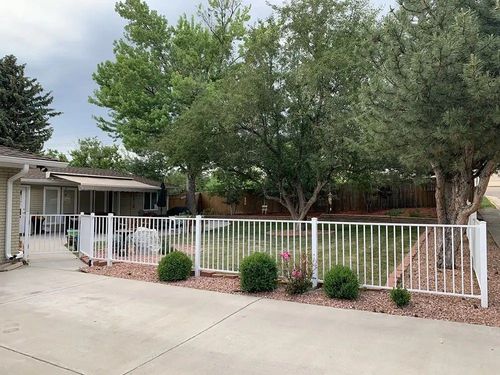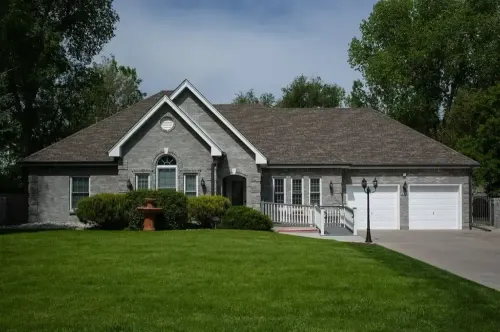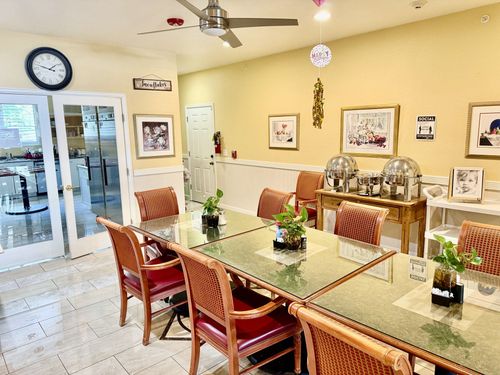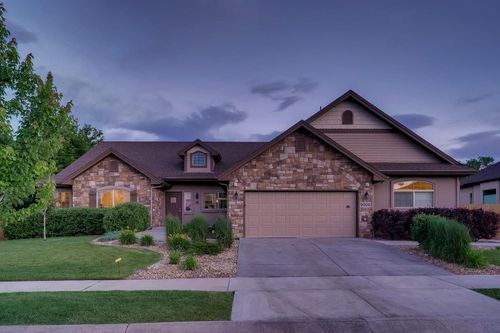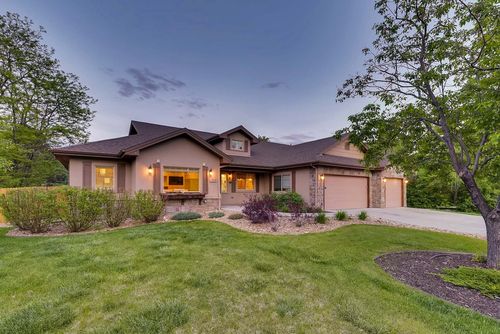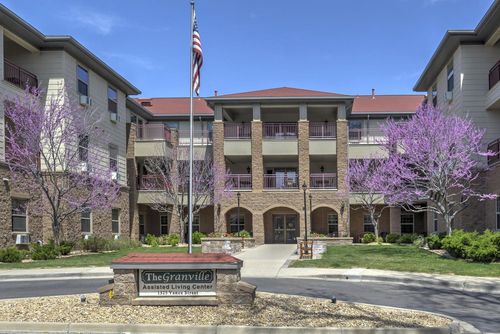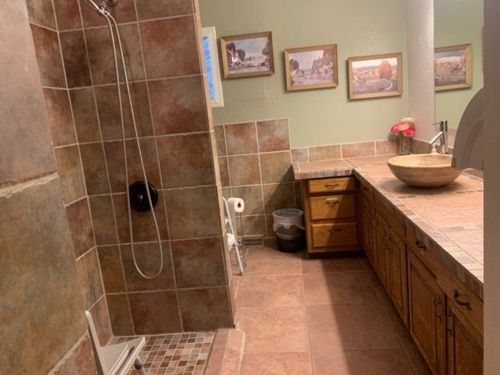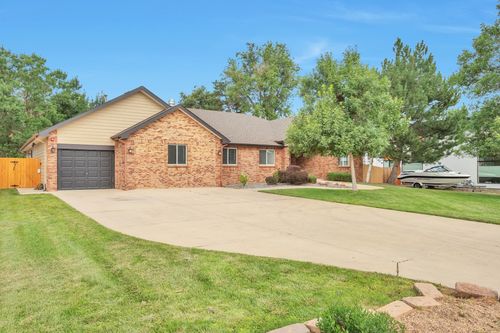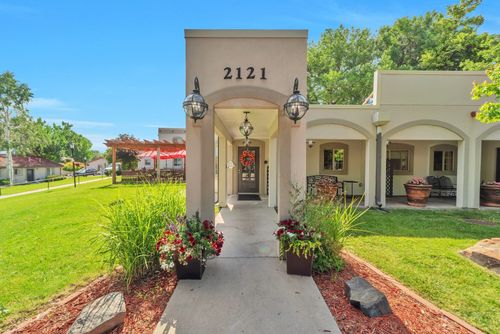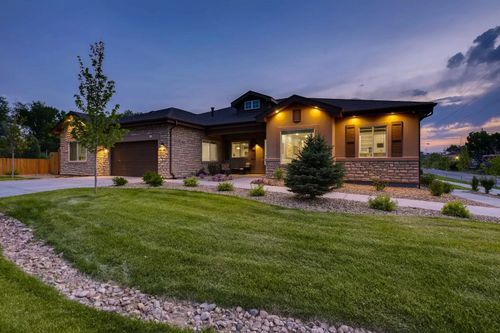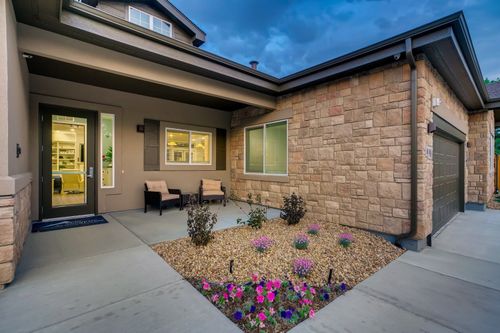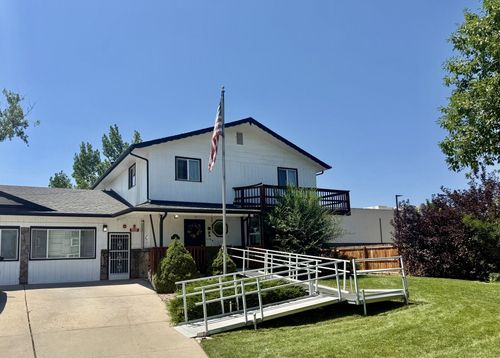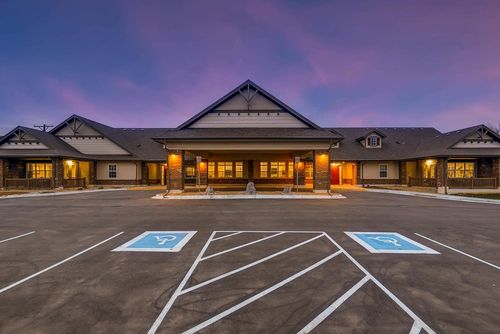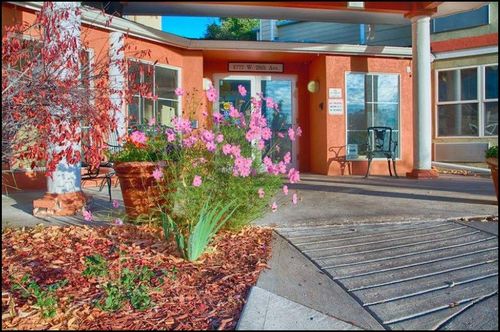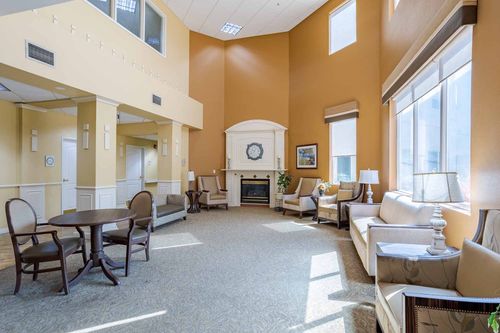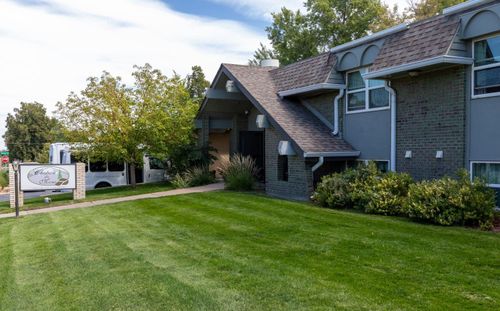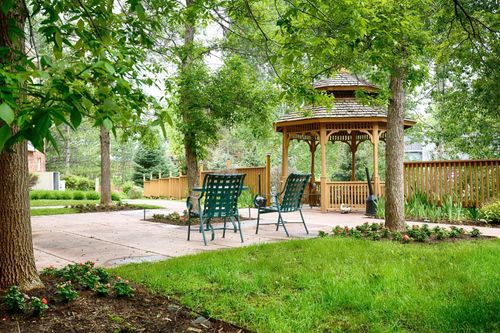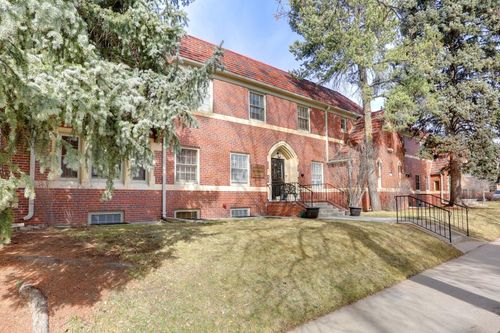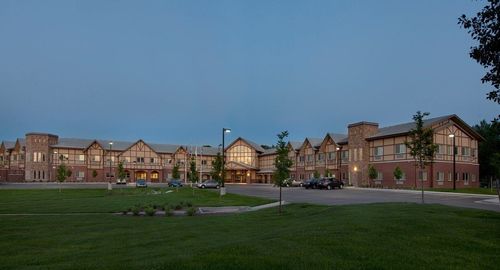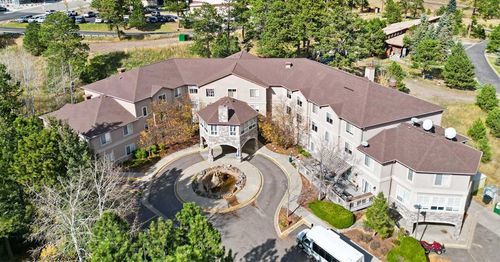

Evergreen sits in the Jefferson County foothills at roughly 7,000 feet, and its Medicaid-accepting senior living is concentrated in a single building rather than spread across corridors the way it is down in the metro suburbs. 1 community in town, Elk Run Assisted Living on Frost Way, carries Medicaid acceptance, a non-profit, faith-based assisted living home for residents who want to age in the pines near family instead of moving down the canyon to chase coverage. Most families reach this page after realizing that a mountain town with limited inventory still has a licensed, Medicaid-funded option close to home.
Families in Evergreen turn to Medicaid-accepting assisted living when the cost of long-term care begins to outrun retirement savings and Health First Colorado becomes the bridge that keeps a parent in a licensed local setting. The question is rarely whether Medicaid exists; it is how its waiver actually pays for assisted living, and what the resident still owes.
How Medicaid Funds Assisted Living in the Foothills
In Colorado, Medicaid is called Health First Colorado, and the part that helps pay for assisted living is the Home and Community-Based Services Elderly, Blind, and Disabled waiver, known as the EBD waiver. For a resident who qualifies financially and meets a nursing-facility level of care, the waiver pays for the Alternative Care Facility benefit: the care services inside an assisted living home, including personal care assistance, help with the activities of daily living, homemaker services, and medication management. At Elk Run, that means a qualifying resident receives the same hands-on assisted living support as a private-pay resident, with the care portion funded through the waiver.
What the waiver does not cover is room and board. A resident on the EBD waiver still pays the housing portion of the monthly cost, usually from their own income, while Medicaid covers the care services on top. That split is the single thing Evergreen families most often misunderstand, so it is worth stating plainly: the waiver pays for care, not for the roof. Independent living has no Medicaid path at all, because Medicaid funds care and independent living carries no care-need basis. Skilled nursing, when a resident needs it, is covered separately through traditional institutional Medicaid, which does include room and board.
What Families Pay and What Medicaid Covers
Private-pay assisted living in the Evergreen and west-metro area runs roughly $5,200 to $6,400 a month depending on care level, with Elk Run's published rates starting near $5,200 and rising with the hands-on help a resident needs. The latest national cost-of-care figures for 2026 put assisted living well above that floor in many markets, so for a family on a fixed income the gap between the sticker rate and what they can sustain is the whole problem.
For a resident who qualifies, the EBD waiver closes part of that gap by paying the care-services portion and leaving the family responsible for room and board. Eligibility is tied to income and assets: as of 2026, long-term-care Medicaid in Colorado sets a monthly income ceiling around $2,982 for a single applicant and a countable-asset limit of $2,000, with a non-applicant spouse able to keep substantially more. Applicants over the asset limit may need to spend down, and there is a look-back on asset transfers. These rules are statewide, but they decide whether the waiver is within reach for a given family.
Why Families Choose to Stay in Evergreen
Medicaid does not require a family to leave the mountains to find coverage. Keeping a resident in Evergreen means they stay in the foothills near the lake and the family that visits on a Sunday, rather than moving down to an unfamiliar city building to access a waiver-funded bed. A single Medicaid-accepting home is a small set, but it is a licensed, local one, and for a family already managing a move under financial pressure, staying near the people who visit matters as much as the funding. The value here is steadiness: a known building, a half-hour from the metro hospitals, with the funding question worked out before the move.
What a Local Advisor Brings to Evergreen
A local advisor keeps a current read on whether Elk Run has an open waiver-funded room and on the timing of an open waiver-funded room at Elk Run, since the local constraint is bed availability rather than a statewide waiver cap. That timing reality, rather than the program rules, is what usually decides whether a foothills family can move now or needs an interim plan. The advisor also knows the discharge route: when a parent is in Lutheran or St. Anthony down the canyon and a case manager needs a Medicaid-pending bed, the advisor connects the hospital plan to the single Evergreen option without sending the family chasing buildings on their own.
With one Medicaid-accepting home in town, the narrowing is less about choosing among buildings and more about confirming Elk Run fits the resident's care level and waiver status, and lining up a backup if the timing does not align. Our directory for Evergreen keeps growing as we vet communities for 2026. Start the conversation about Medicaid-accepting senior living in Evergreen, and we will walk through eligibility, timing, and the room-and-board math before you commit to anything.