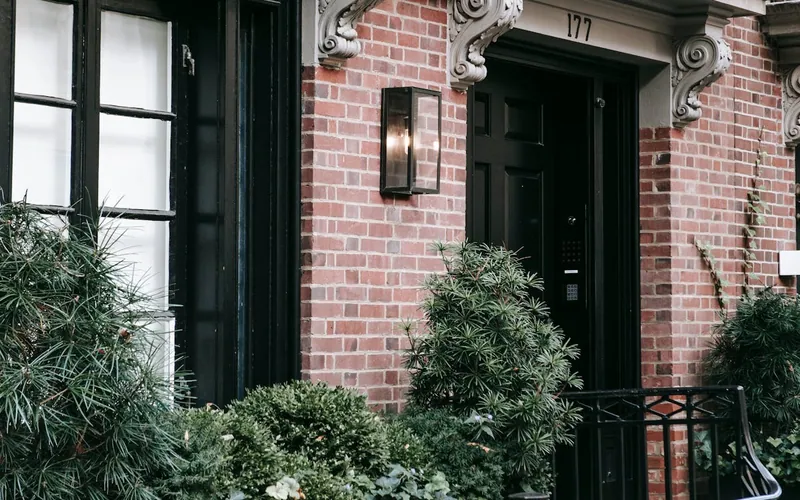
A 10-bed residential assisted living home in Tucson where short respite stays are available and caregivers know each resident by name.
- Respite stays
- Small home-style
- Assisted living
- Personal attention
Why Families Choose Desert Gardens Assisted Living
- Ten beds in a residential home where caregivers know every resident well
- Respite stays available for families who need a short-term placement
- Assisted living help with bathing, dressing, grooming, and medications
- Shared household meals with the kitchen close to the living areas
- Tucson setting with the Sonoran desert and mountains all around
About Desert Gardens Assisted Living
Desert Gardens Assisted Living is a 10-bed residential home in Tucson that offers assisted living in a setting scaled to a single household. Ten residents is enough to bring some variety to the dinner table and the living room, yet few enough that every caregiver can learn each person's name, history, and daily rhythm within the first week. The name points to the Sonoran landscape around it, and life in a Tucson home naturally follows the desert calendar.
Early mornings are cool and bright, afternoons call for shade and quiet indoors, and evenings bring a pleasant shift when residents tend to gather and talk, which gives the house a natural daily cadence without a rigid timetable. Help with daily living is the core of what the staff provides, including support with bathing, dressing, grooming, moving about the house, and taking medications on time. Because the home is residential in scale, caregivers do this work close to the people they know best, and a resident who needs a steadying arm on the way to lunch can usually have it right away.
Meals are shared and unhurried, with residents often lingering after the plates are cleared to continue a conversation or work through a newspaper together. In a house of ten, the kitchen is never far from the living areas, so the sounds and smells of a meal being prepared become part of the afternoon instead of something that happens in a distant dining hall. Short stays are also part of how this community serves Tucson families.
Respite care lets a resident stay for a limited period while a spouse or adult child travels, recovers from an illness, or simply rests after months of caregiving, and it gives the family a chance to experience the daily routine before thinking about a longer move. For relatives, the scale of the home makes visiting easy and natural. A visitor can arrive, find a parent in the living room or at the table, and spend an hour together without navigating a lobby, an elevator, or a long hallway, which tends to make visits more frequent and more relaxed for everyone involved.
Settling in is usually gentler in a home of this size, because a new resident meets ten people rather than a hundred and a small team rather than a large staff. Families are encouraged to bring familiar furniture, photographs, and favorite blankets so the bedroom feels recognizable from the first evening, and caregivers take note of small preferences such as how a person likes their tea or when they like to rise.
Evenings in a house of ten settle into a familiar pattern, with supper shared at the table and a few residents lingering in the living room afterward. Caregivers who helped with the morning routine are often the same people present at bedtime, so a change in appetite, mood, or energy is noticed quickly by someone who knows the person well. Families who visit in the late afternoon often find the house at its most welcoming, with a meal being prepared and residents settling into comfortable chairs, which gives a clear sense of how the community feels on an ordinary day.
Residents keep their independence in everyday ways, choosing when to rest, when to join a conversation, and how to spend a quiet hour. The staff step in where help is wanted and step back where it is not, which preserves dignity while still keeping a watchful eye on safety throughout the day and night. Tucson offers a quiet, established backdrop for a residential home, with neighborhood pharmacies, clinics, and grocery stores within a short drive of most addresses.
The surrounding mountains give the skyline a familiar shape that many longtime residents of southern Arizona find reassuring when they look out a window at the end of the day. The cost of assisted living here depends on the amount of daily support a resident needs, and the current rate is best confirmed directly when a visit is arranged. A local advisor can explain what is covered, how the price changes if needs grow, and how a 10-bed home compares with larger assisted living communities elsewhere in Tucson.
Environment
The community is a residential home in Tucson sized for ten residents, with shared living areas and a kitchen close by, so the surroundings feel familiar rather than institutional.
Services
Caregivers assist with bathing, dressing, grooming, mobility, and medication timing, and the community also offers respite stays for families who need a short-term place for a loved one.
Resident Experience
Days follow the gentle rhythm of a Tucson household, with unhurried shared meals, quiet afternoons out of the heat, and evenings when residents gather to talk and unwind.
Rates and availability current as of 2026. Contact Maria Romero for the latest figures.

Maria Romero
Advisor, CarePatrol of West Tucson, Arizona
Advisor Insight on
Desert Gardens Assisted Living
Desert Gardens Assisted Living works well as a trial run for families unsure about a move, because a respite stay in a 10-bed home shows how daily help really feels before anyone commits.
Amenities & Services
Compare Desert Gardens Assisted Living with Nearby Communities
Use this comparison to evaluate pricing, care availability, and key differences between similar communities in Tucson, AZ.
| Compared | Desert Gardens Assisted LivingTucson, AZ 4.9 (30) | Starfish Care HomesTucson, AZ· 0.1 mi No Google rating yet | Hacienda at the CanyonTucson, AZ· 1.0 mi 4.8 (109) |
|---|---|---|---|
Starting price | $3600/mo | $3600/mo | $3800/mo |
Care types | Assisted Living | Assisted Living | Assisted Living, Memory Care |
Total beds | 10 | 10 | 108 |
Medicaid | Not accepted | Not accepted | Not accepted |
Pet friendly | No | No | No |
Housing type | Residential | Residential | Community |
| View this community | View this community |
Desert Gardens Assisted Living
Tucson, AZ
- Starting price
- $3600/mo
- Care types
- Assisted Living
- Total beds
- 10
- Medicaid
- Not accepted
- Pet friendly
- No
- Housing type
- Residential
Starfish Care Homes
Tucson, AZ· 0.1 mi
- Starting price
- $3600/mo
- Care types
- Assisted Living
- Total beds
- 10
- Medicaid
- Not accepted
- Pet friendly
- No
- Housing type
- Residential
Hacienda at the Canyon
Tucson, AZ· 1.0 mi
- Starting price
- $3800/mo
- Care types
- Assisted Living, Memory Care
- Total beds
- 108
- Medicaid
- Not accepted
- Pet friendly
- No
- Housing type
- Community
Location
3700 N River Hills Dr, Tucson, AZ 85750
Get DirectionsNearby Essentials
- Hospital:Tucson has several major hospitals and many clinics and urgent care centers spread across the city, so medical care is generally a short drive from a residential address.
- Dining:Neighborhood restaurants and casual eateries typical of Tucson are a short drive away, including places that serve regional Southwestern food.
- Shopping:Grocery stores, pharmacies, and everyday shops are found along nearby main roads, so errands and prescription pickups are convenient for visiting relatives.
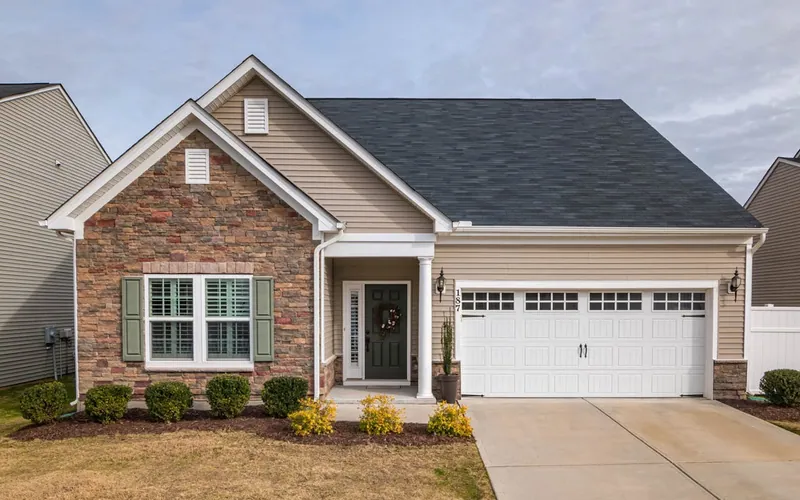
A residential Tucson setting with desert landscaping and a view of the surrounding mountains.
Nearby Communities



Frequently Asked Questions
What care does Desert Gardens Assisted Living provide?
The community provides assisted living, which means hands-on help with bathing, dressing, grooming, moving around the house, and taking medications, within a 10-bed residential home in Tucson.
How many residents live at the community?
The home has ten beds, which keeps it small enough that caregivers learn each resident's routines and preferences while still leaving room for company and conversation.
What does it cost to live here?
Cost depends on how much daily support a resident needs, so the current rate is best confirmed directly, and your advisor can explain what is included and what changes with needs.
Does the community accept Medicaid?
Families planning to use Medicaid should confirm directly with the community, since payment arrangements can change, and your advisor can help you prepare the right questions.
Are pets allowed at the community?
Pet rules in small homes vary and can change, so it is worth confirming directly whether a visiting or resident pet would be welcome before planning a move.
Can someone stay for a short period?
Yes, the community offers respite stays, which suit families whose caregiver is traveling, recovering, or in need of rest, and they also let a loved one try the routine first.
What does a typical day look like?
Days follow a household rhythm of shared meals, help with personal care, quiet time through the warm part of the afternoon, and evenings spent together in the living area.
How do families begin the move-in process?
Begin by arranging a visit through your local advisor, who can confirm availability, explain the care assessment, and help coordinate a move-in day that suits your family.
Why choose a 10-bed home over a larger community?
A 10-bed home offers steady faces and close attention, while larger communities offer more activities and amenities, so the better choice depends on the personality of the person moving in.
Free tools
Still researching?
Two free tools built for families like yours.
What level of care does your loved one need?
A 10-question quiz tailored by senior-living advisors. Get a personalized care-level recommendation, a monthly budget for your zip code, and a shortlist of matching communities near you — instantly.
Take the AssessmentHow much does senior care cost?
Compare assisted living, memory care, independent living, nursing homes, and in-home care — calibrated to your zip code. See what's included, how it's paid, and what 10–20 years of care will cost.
Compare Costs