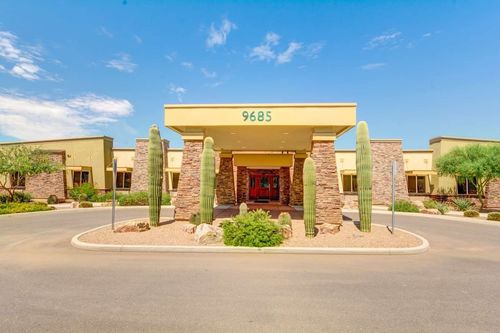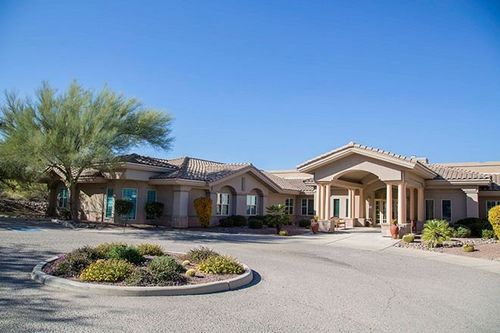































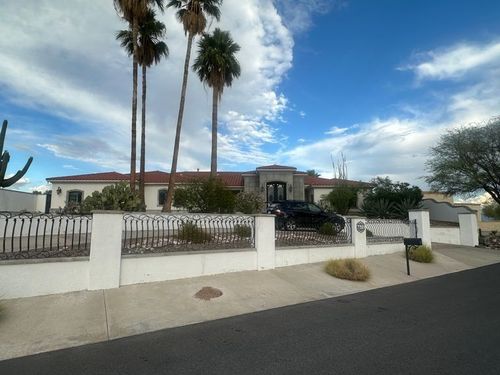





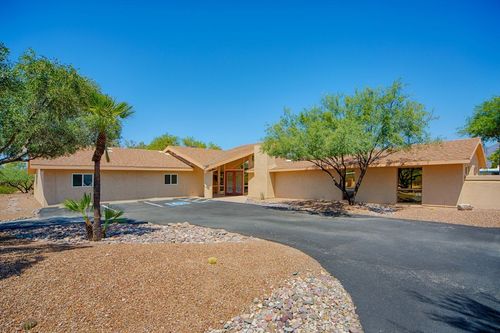


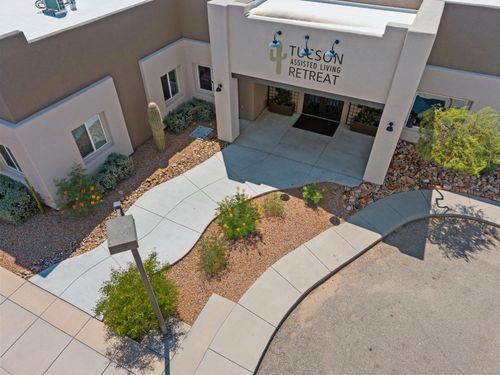


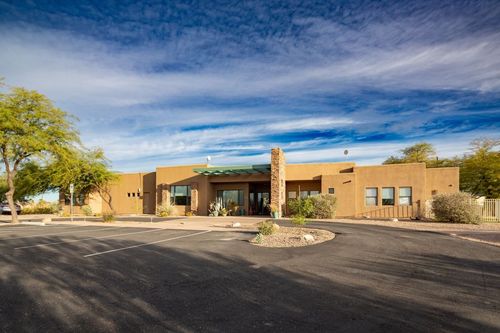
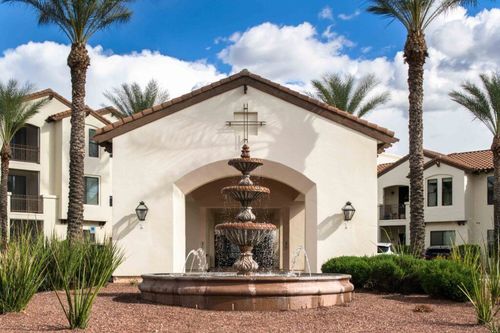


Tucson is the largest senior living market in this part of Arizona, with more than twenty communities whose size runs from five-bed adult care homes to a community with room for 240 residents. Many of the neighborhood-scale names, including A Breath of Life Care Home, Abella Manor Senior Care, Adobe Adult Care Home and Affirmative Care Home, are houses on residential streets, while 113 North Senior Care Center sits in a more institutional category.
That spread matters because a Tucson family can find a setting for almost any budget, temperament and level of need, and also because it takes real work to separate the places that merely sound alike. Medicaid acceptance at several communities and pet policies at a few others are details to raise early, since they narrow the field faster than any location filter does.
Abuelos at Edgewood Place and the Tucson home model
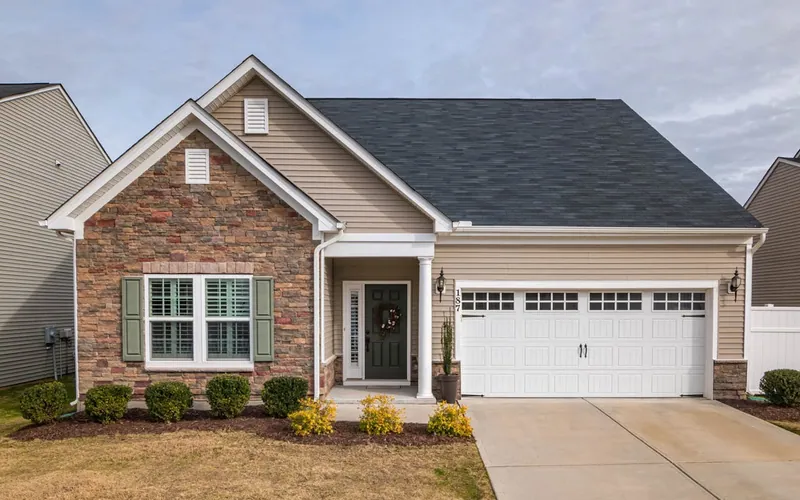
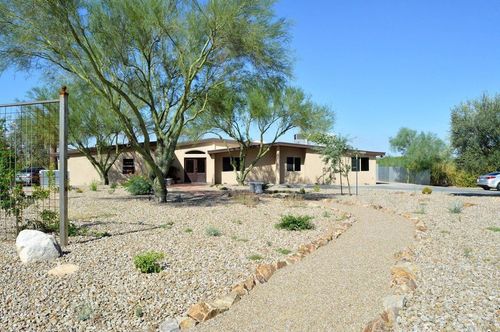
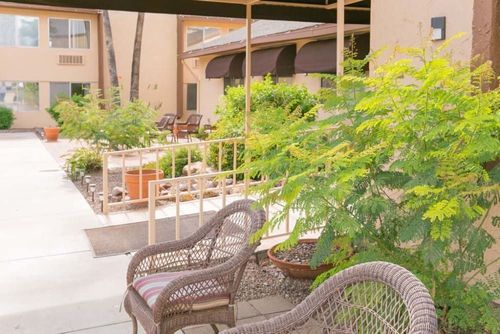
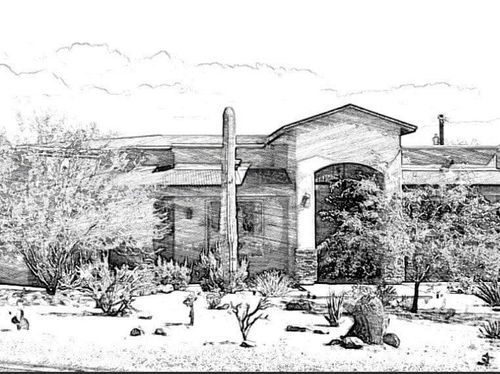
Abuelos at Edgewood Place illustrates what many Tucson families seek, a smaller community where the daily rhythm is familiar and the staff knows each resident's habits. Aaa Adult Care Home and A Breath of Life Care Home follow the same residential pattern, with a few residents, shared meals and a caregiver always within earshot.
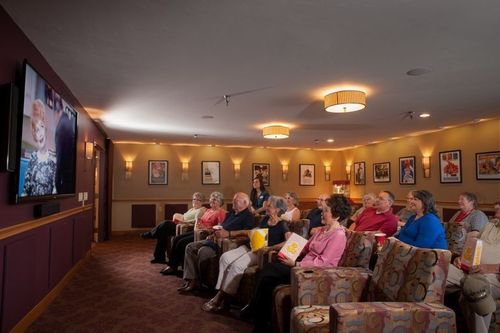
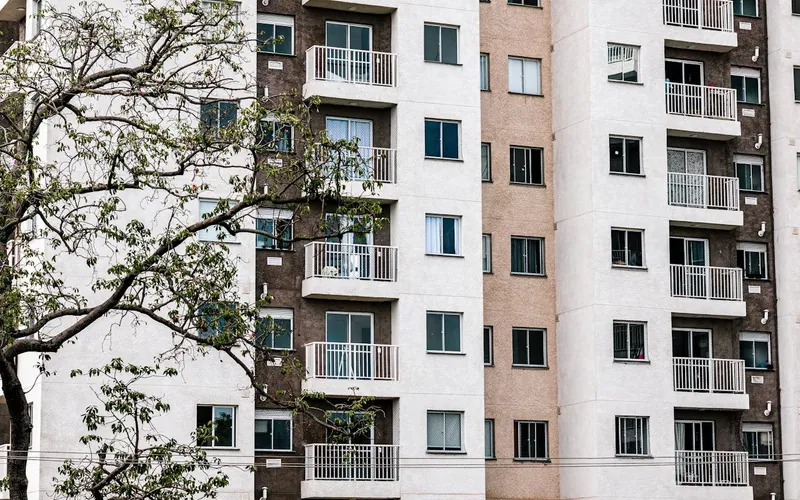
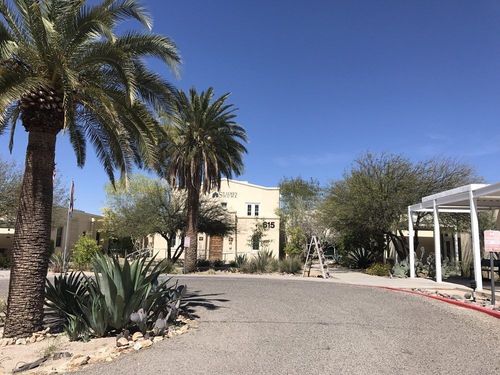
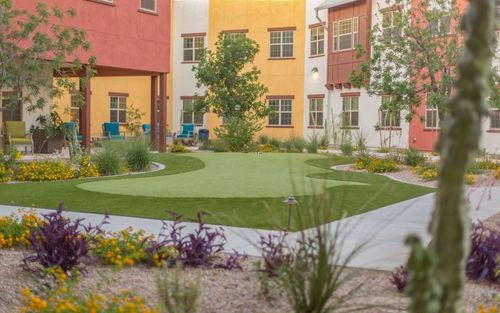
Larger Tucson communities offer something different, namely private apartments, a dining room, scheduled outings and staff who cover each shift in rotation. People who are still active and social often thrive there, whereas those who feel overwhelmed in crowds sometimes do better in a home with a handful of neighbors.
Because the city is spread out, location deserves real thought. A community close to a daughter's workplace or a regular doctor will get visited far more often than a slightly nicer one across town.
What shapes a monthly bill in Tucson
Tucson's price spread is wide, because the same city holds modest residential homes and large communities with extensive staffing and shared space. Starting prices at many of the smaller homes cluster together, while a bigger community may quote higher or lower depending on apartment size and included services.
Care level drives the rest. A resident who needs only reminders and meals will pay less than one who needs help with transfers, continence or round-the-clock supervision, and communities adjust their charge when an assessment shows a change.
Because several Tucson communities take Medicaid, families with limited resources should ask each one how that payment works, whether a waiting list exists and which services remain private pay. Current figures for each care type are in the cost guides on this site.
Building a Tucson shortlist around Abella Manor and others
Start by deciding between a house and a building, then confirm that a community takes any payment source the family relies on. After that, pick three places that fit your priorities, perhaps Abella Manor Senior Care, a larger community and one home with a pet policy if an animal is part of the family.
Visit on a weekday morning when staff are busiest, because that is when the true pace of the place shows. Watch whether residents are dressed and engaged, whether call lights are answered promptly, and whether the person leading the tour greets residents by name.
Write down answers to questions on night coverage, hospital transfers and what level of care would force a move. Comparing three sets of notes a few days later usually makes the right choice obvious.
A Tucson advisor and the open-bed question
Tucson is big enough that calling around alone can eat weeks, and a local advisor shortens that process by knowing which communities have beds now, which accept Medicaid, and which welcome pets. Advisors also keep track of how homes manage changes in health, a detail that rarely appears on a website.
Our directory for Tucson continues to grow as we evaluate providers for quality and alignment, and the guidance costs families nothing. If you are ready to sort the many Tucson options into a short list worth touring, reach out and we can start with a short conversation about the person who needs care.