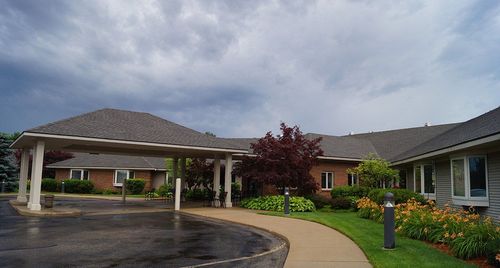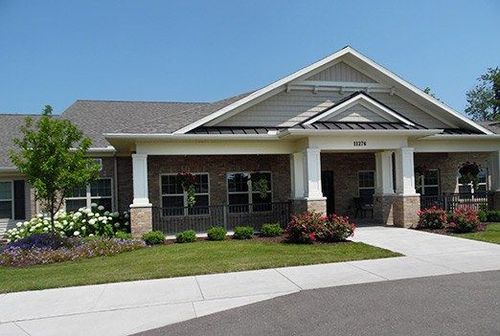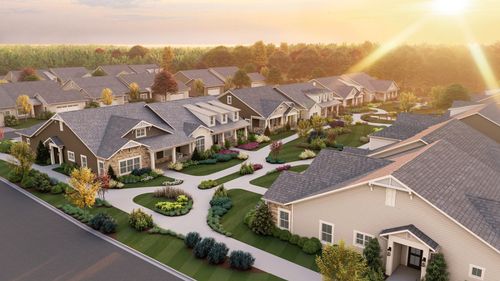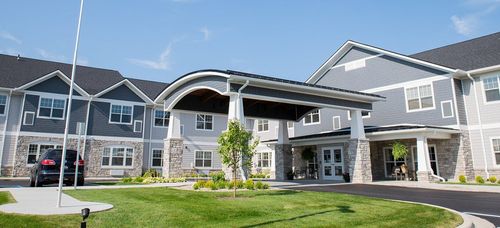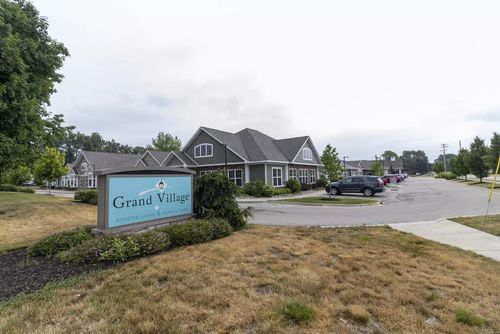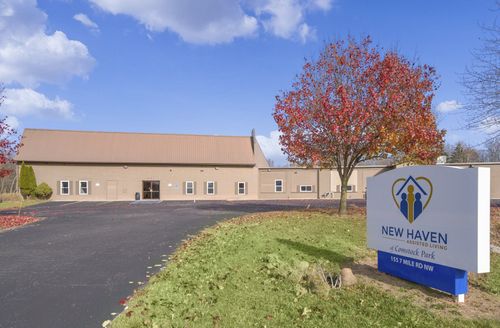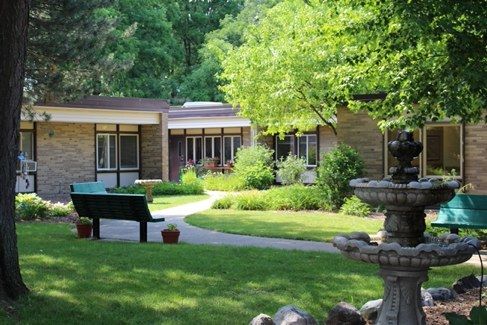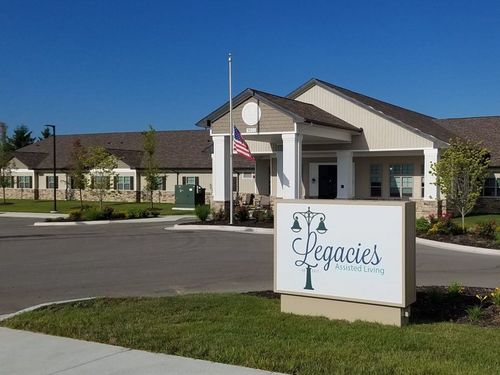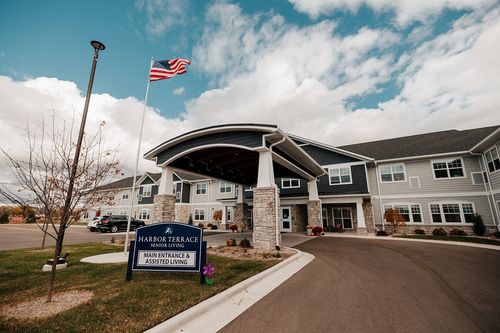

Allendale is a university town, and a resident in secured dementia care here lives in a place organised almost entirely around people sixty years younger. Green Acres of Allendale is the local address, and the contrast is not a drawback so much as a fact worth understanding before choosing: this is not a retirement community with a campus attached, it is a small secured setting inside a township that grows and empties with the academic year.
Ottawa County is one of the youngest in Michigan, under eighteen percent past sixty-five, and it is also one of the fastest growing. Older households here are a minority inside a rising population, which is exactly why secured capacity has not kept pace with them.
The Building Is the Community Here
In a town that has aged for decades, a secured resident sits inside a wider fabric of senior centres, day programmes and neighbours in the same situation. Allendale has none of that, because it has never needed it, so whatever happens inside the building is very nearly the whole of a resident's week. That raises the stakes on questions a family might otherwise treat as secondary.
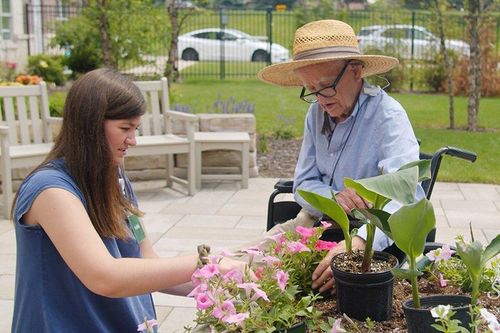
How does an afternoon actually fill, and what is offered to somebody who declines every organised thing. How often do relatives visit residents here, and what does the building do to make that easy rather than awkward. In a place with a dense senior network those answers matter less because the network absorbs the gaps; in Allendale there is no network to absorb them.
Paying for It Where No Public Route Exists
The building quotes after assessing a resident rather than from a published rate card, which is normal in small settings and means the useful comparison is the total after assessment rather than any headline number. What drives it is labour: the people a transfer takes, how hands-on the drug round is, how much washing and dressing is done for somebody, and how broken the nights are.
No waiver residents live here, so the plan is private and it needs to be built for years rather than months, because dementia stays are long. Where a household can foresee the end of its funds, that is a conversation to have at the start of the search rather than in its third year, since every alternative in Michigan takes months to arrange.
A Young County With Older Households In It
The consequence of Ottawa County's age profile is counterintuitive. A young, growing county does not generate less dementia; it generates the same need from its older minority while building housing, schools and services for everybody else. Secured rooms are the last thing added in a place like that, so the ones that exist are quietly filled.
What Allendale gives a family in return is proximity to Grand Rapids medicine without living in it. The city's hospitals are a straightforward drive east, so a resident's specialists and records stay exactly where they were, and adult children working anywhere along the corridor between Allendale and Grand Rapids can look in without planning a journey.
What a Local Advisor Brings to Allendale
With one secured address the questions are narrow: is a room genuinely free, what will the assessment produce as a monthly figure, and how far has this building taken residents in the past before asking a family to look elsewhere, since that governs whether one move will do.
Bring an honest account of the nights and a realistic monthly ceiling and a short conversation covers all three. Where nothing is free, the answer should be a bridge with parts, home hours across the hardest stretch of the day and a respite stay where one can be arranged, rather than a suggestion to wait. Reach out while there is still room to plan.
The Allendale directory continues to grow as we evaluate providers for quality and alignment in 2026. Start the conversation about memory care in Allendale, or look through the buildings we cover at your own pace.