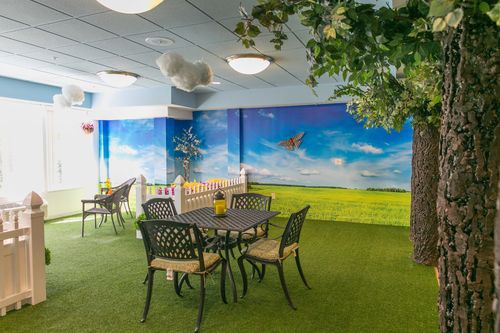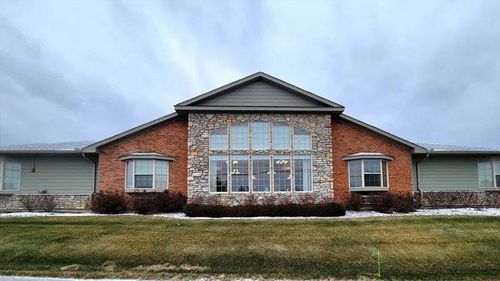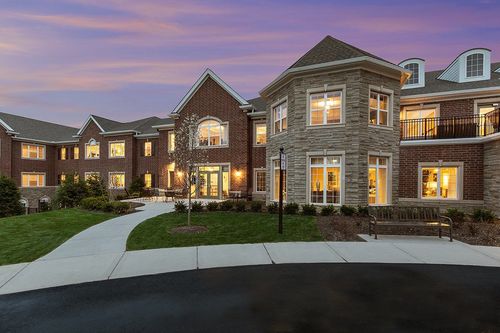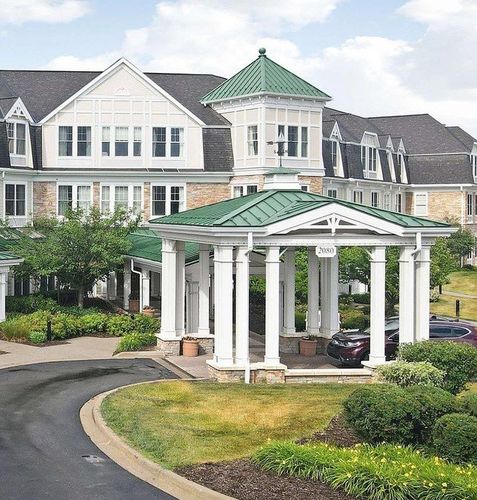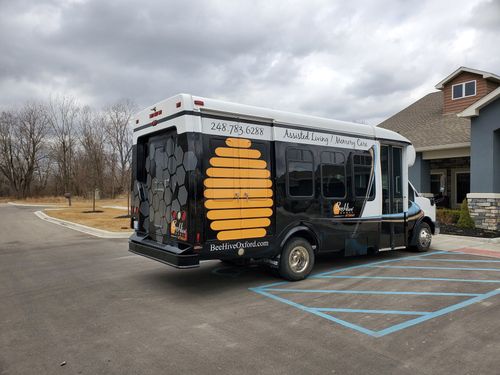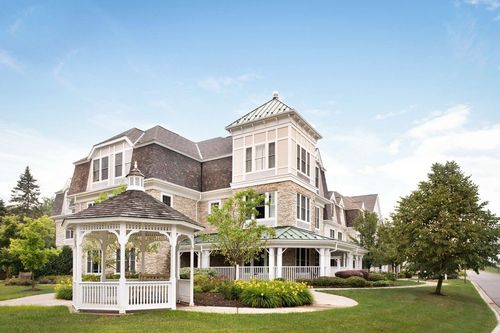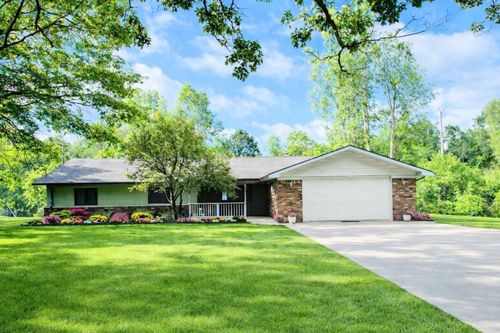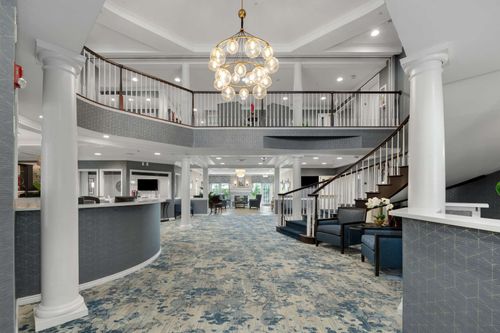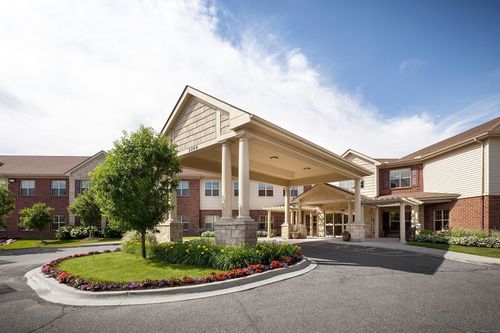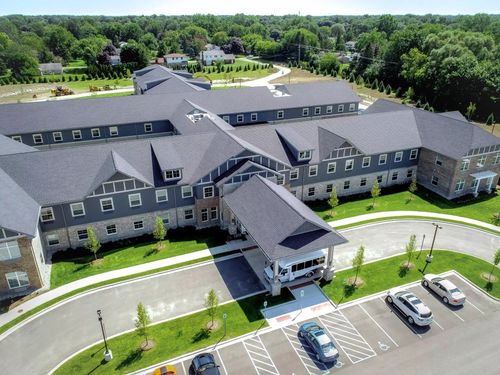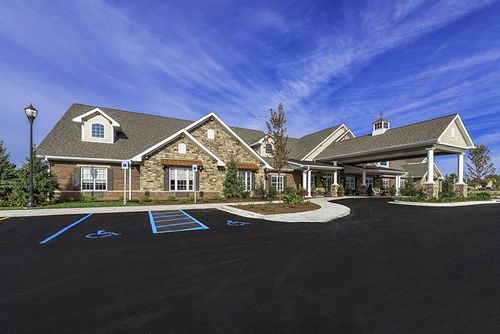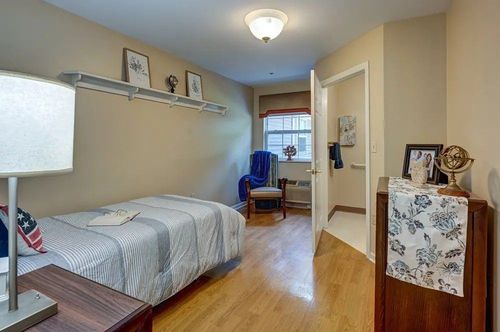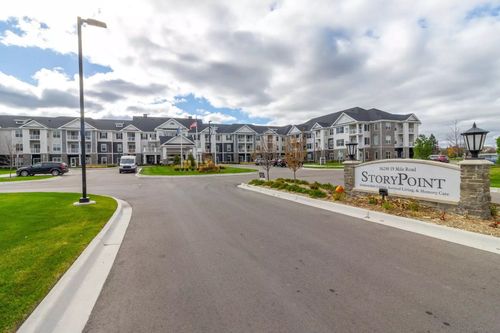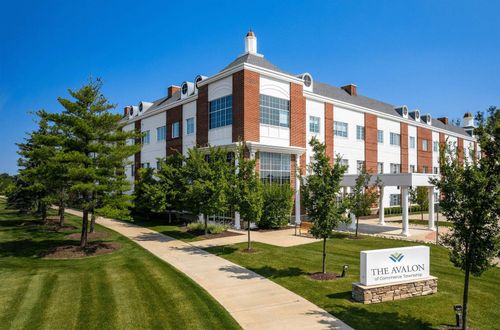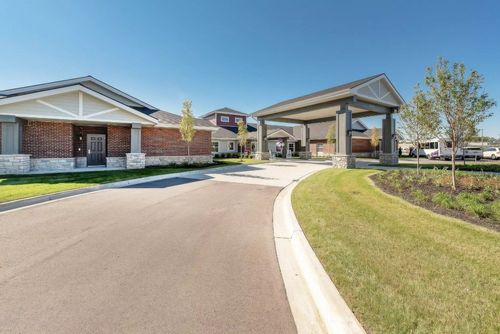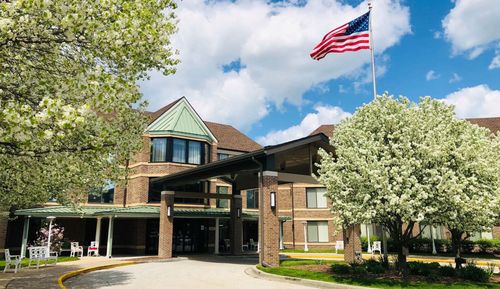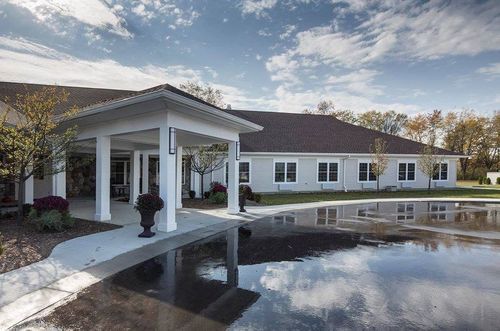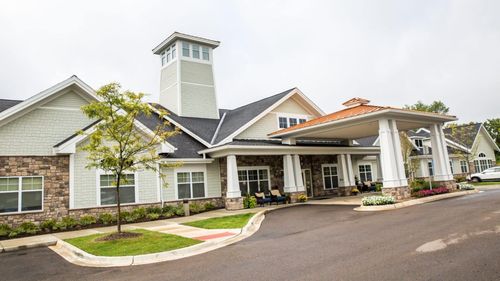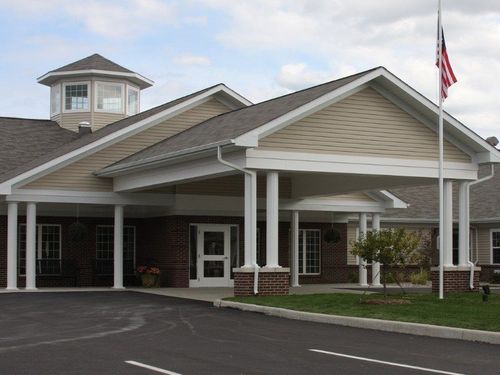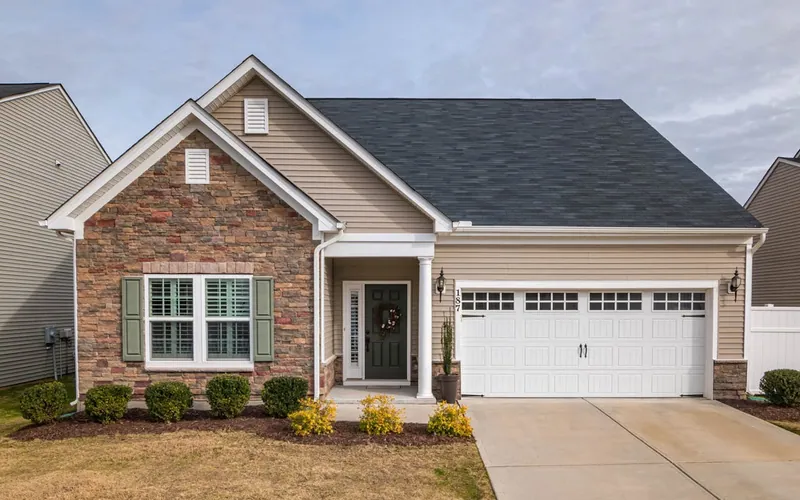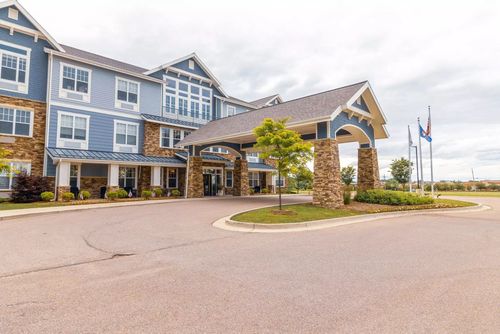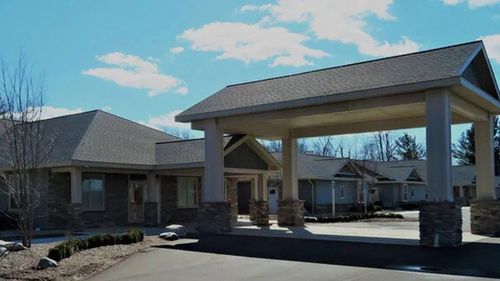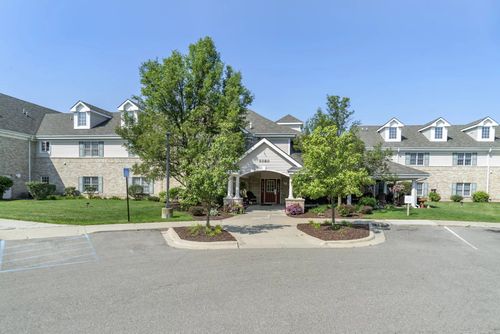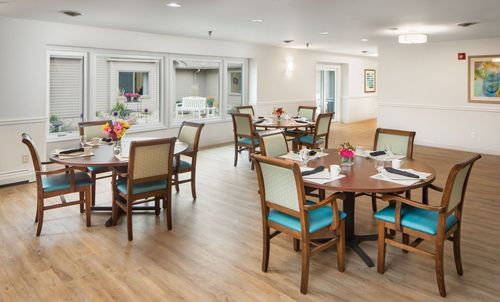
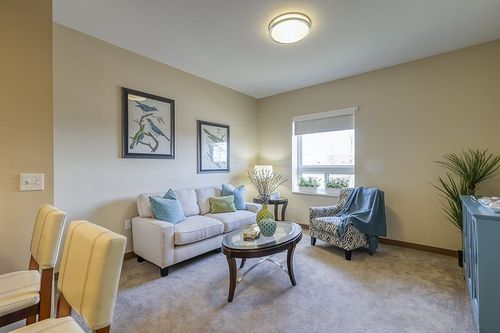
Auburn Hills sits where I-75 crosses M-24, which puts its secured dementia care inside a twenty-minute drive of Rochester, Pontiac, Lake Orion and Oxford. That location does something to the search that is easy to miss: the families looking at The Courtyard at Auburn Hills and Willowbrook Hills are rarely all from Auburn Hills, so rooms here move on a wider clock than a city of this size would suggest on its own.
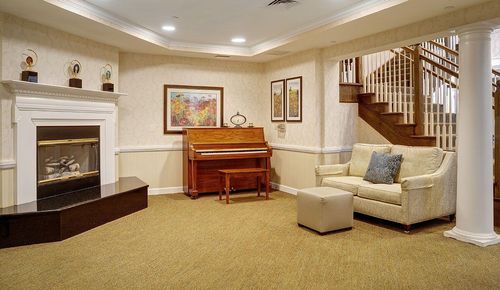
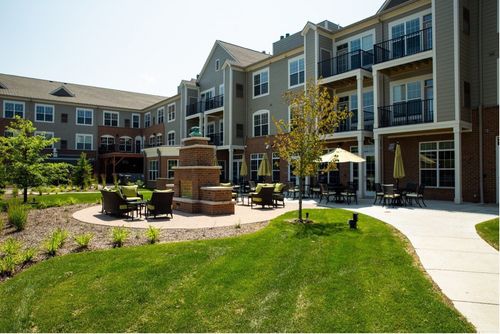
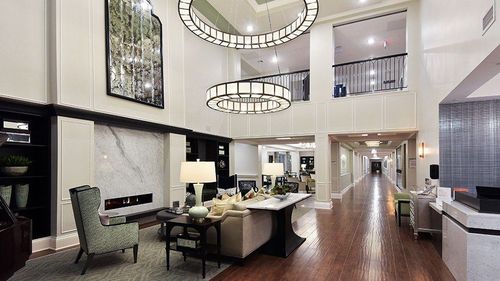
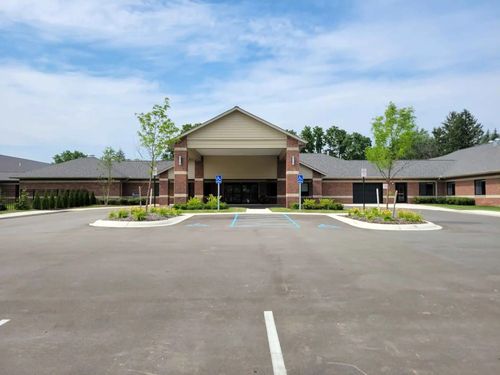
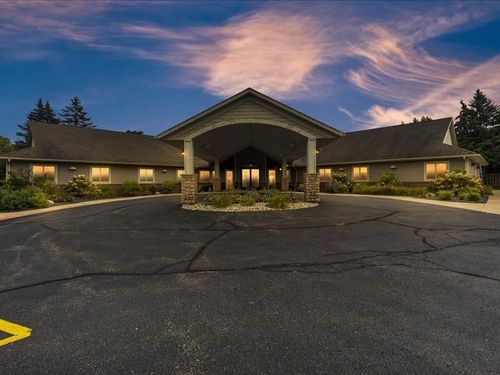
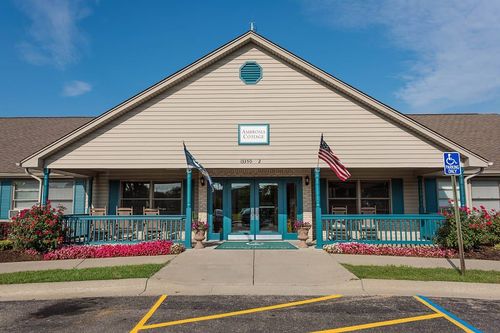
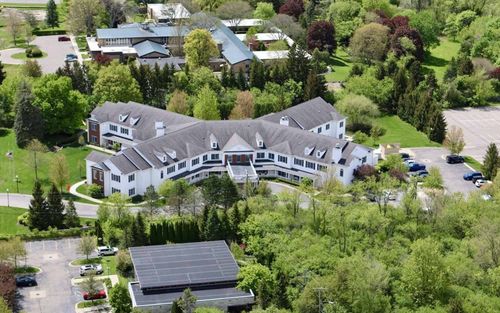
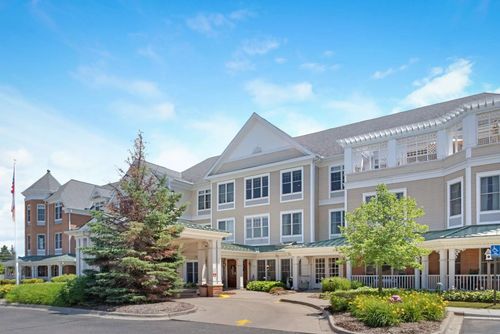
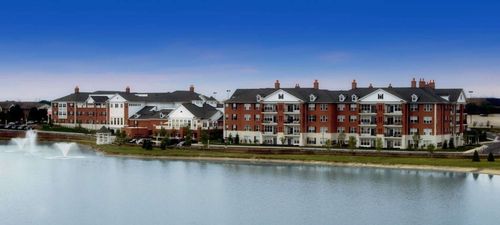
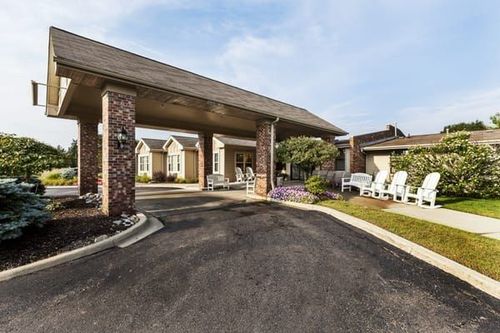
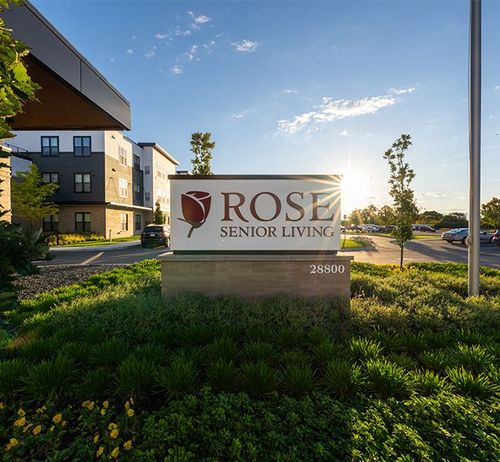
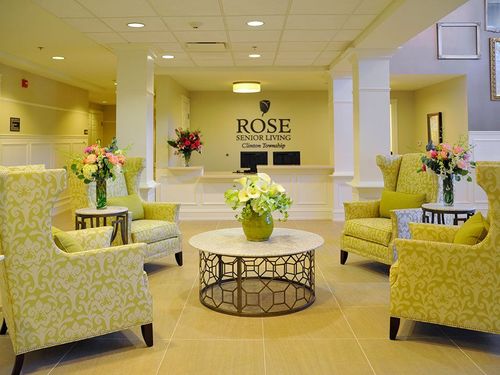
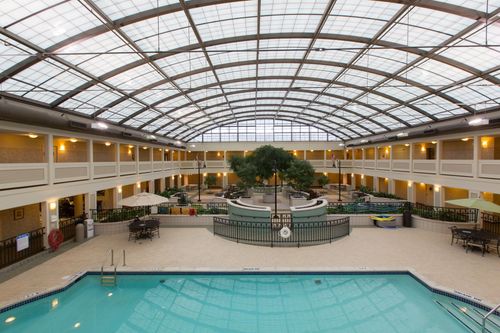
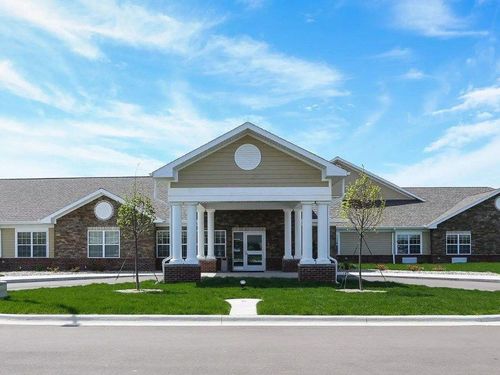
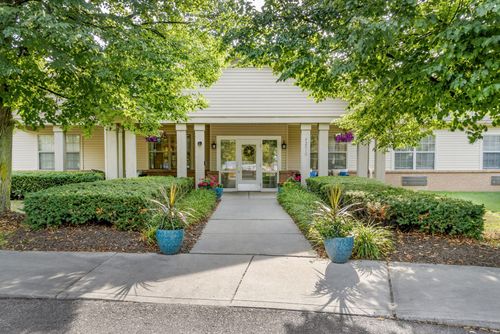
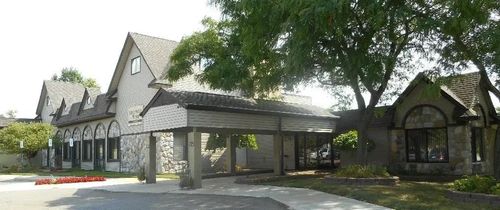
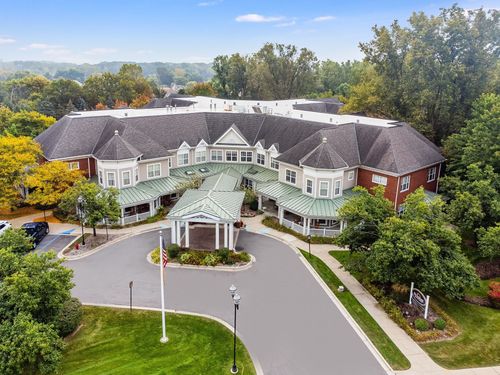
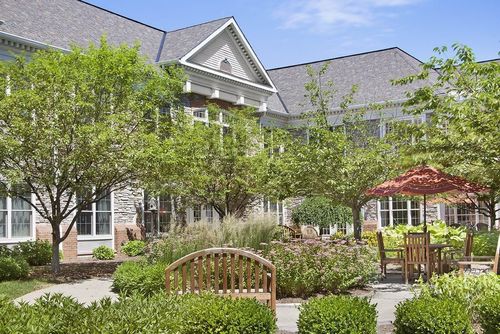
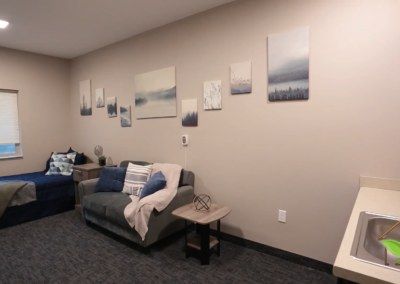
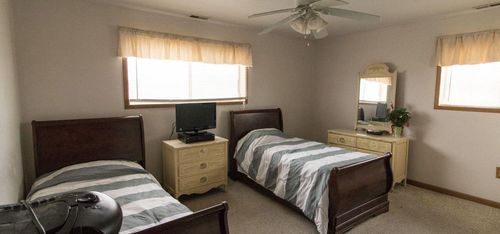
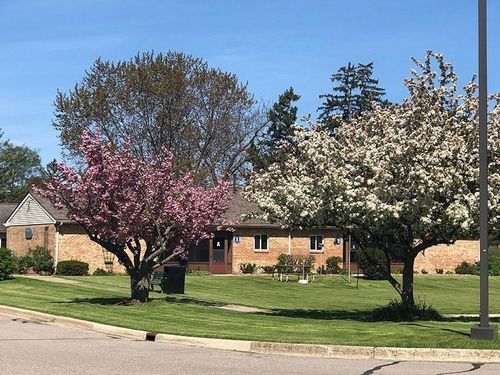
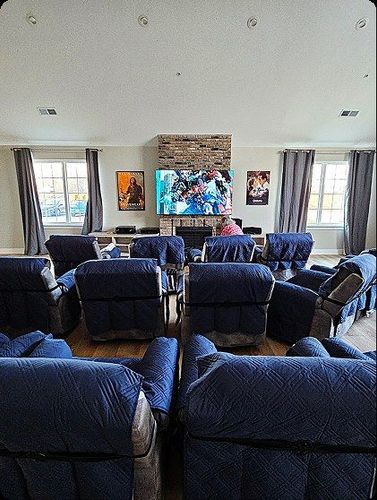
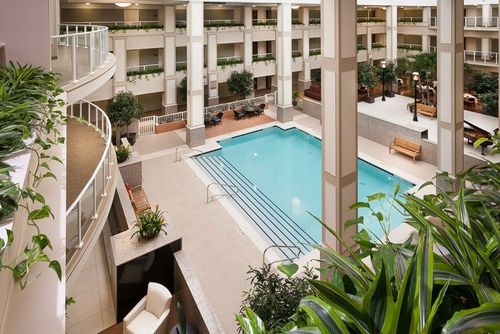
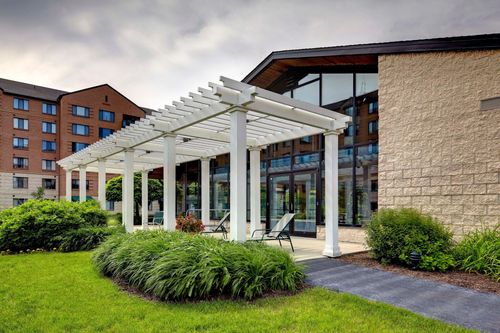
The two are also nothing like each other in size, running from a twenty-resident setting to a building of eighty-five. That is the first real question a family answers, because what separates them is not the care plan on paper but how busy and how populated a resident's day will be.
How Size Changes a Resident's Day
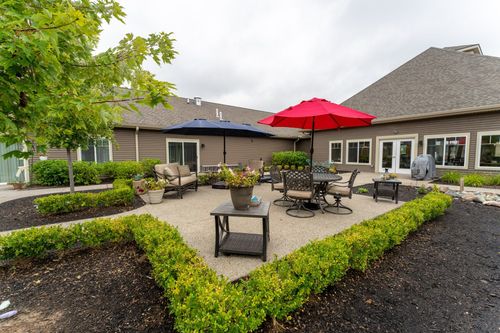
Dementia care is built on sameness: meals at fixed hours, the same caregivers through the week, an enclosed courtyard a resident can use without asking, controlled exterior doors, and staff awake through the night rather than sleeping on call. Activities are cut into short pieces, so somebody who joins twenty minutes late has not missed anything they need to have followed.
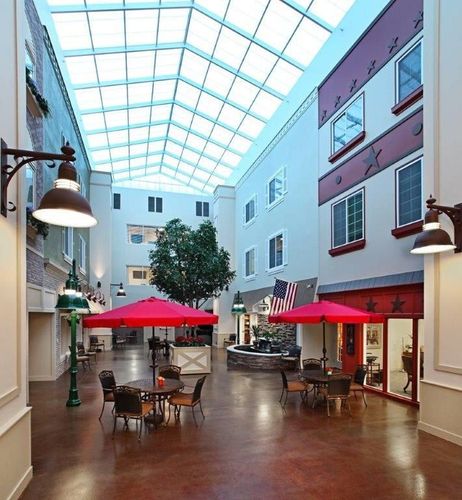
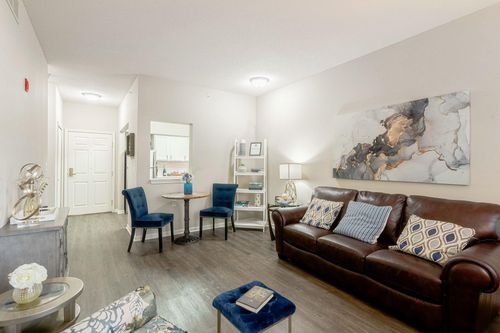
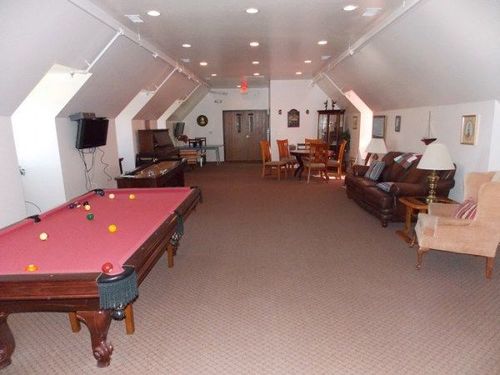
Where scale changes the experience is in noise and familiarity. A smaller secured setting keeps the same three or four faces in front of a resident all day, which suits someone who unsettles easily; a larger building carries more staff per shift and a fuller calendar, which suits someone still sociable enough to want company. One of the two local addresses welcomes pets, and for a resident whose words are going, an animal in the room holds attention longer than a conversation will.
What Sets the Price of a Secured Room
Neither Auburn Hills address prices a secured room off a rate card. Each assesses the resident first, and the figure reflects the labour involved: how many people a transfer needs, how much help mornings and evenings take, how settled the nights are, and how much of the medication round is hands-on. A secured room always costs more than an open assisted living room in the same building, because the staffing ratio is closer and someone is awake all night.
Neither local address currently takes Michigan's MI Choice waiver, the programme that would otherwise cover care services delivered inside a licensed building. That matters more in memory care than anywhere else, because dementia stays are counted in years and the waiver's assessment and capped enrolment take longer to clear than families expect. How many years the private plan covers is the first piece of arithmetic, not the last.
A Working City Inside an Ageing County
Oakland County is Michigan's second largest, with roughly 250,000 residents past sixty-five, about one person in five. Auburn Hills reads younger than that, because its daytime population is dominated by an enormous employment base and a university campus on its northern edge.
The result for secured care is a market shaped by the county rather than the city. Demand arrives from the whole north-central corner of Oakland County, so the two local addresses do not sit quietly waiting, and an opening that suits a particular resident is worth moving on when it appears.
What Keeps the Decision in Auburn Hills
Hospital cover helps rather than decides: Henry Ford Rochester Hospital is a short drive north with a Level III trauma designation, and Trinity Health Oakland in Pontiac carries a Level II. What actually keeps families local is the drive, because a relative who can look in at lunchtime does it far more often than one saving the trip for Sunday, and visit frequency is what dementia responds to.
Auburn Hills also runs its own support for older residents rather than leaving it to the county. The city's senior services department has worked out of the community centre on East Seyburn Drive since 1989, with door-to-door rides for residents past sixty inside a five-mile radius, priority given to medical appointments, and a loan closet for wheelchairs and walkers.
What a Local Advisor Brings to Auburn Hills
A Local Senior Advisor working Auburn Hills tracks which secured wing has a room genuinely free this month, what each will quote once the assessment is done, and how far each has carried residents in the past before asking a family to move again. That last answer is the one nobody volunteers on a tour and the one that decides whether this is the last move.
It takes very little time once the honest inputs are down. The assessed level of need, the private-pay runway and how often family can realistically visit will point at one of the two, so reach out while both are still options rather than after one has filled.
Our Auburn Hills directory keeps expanding as we evaluate providers for quality and alignment in 2026. Start the conversation about memory care in Auburn Hills, or look through the buildings we cover at your own pace.