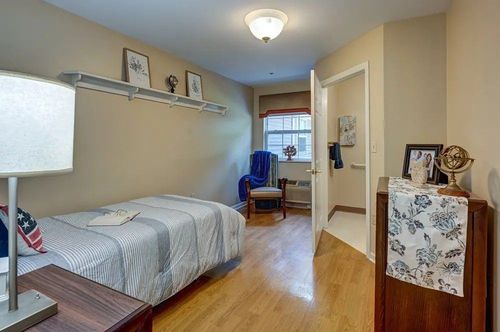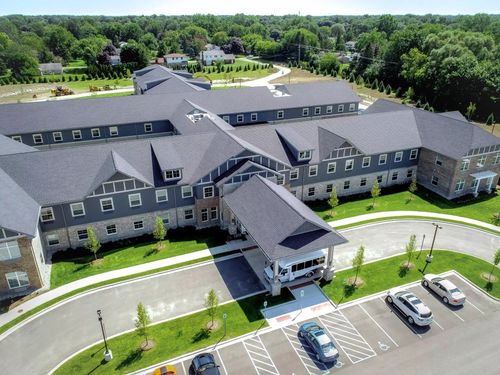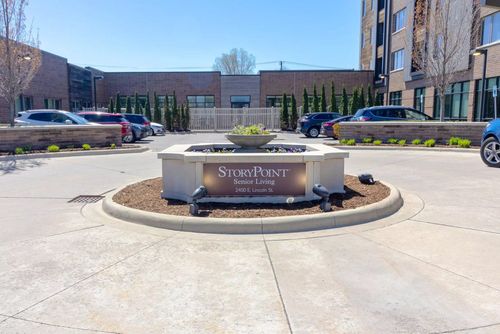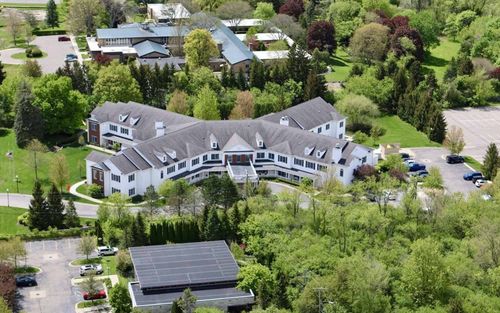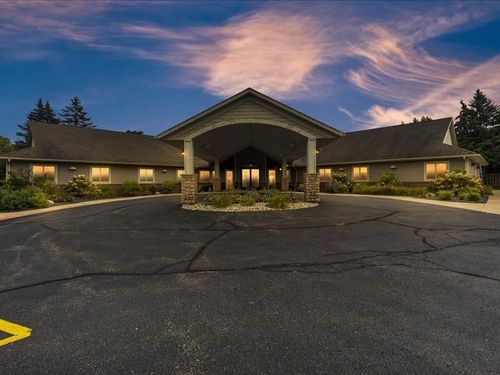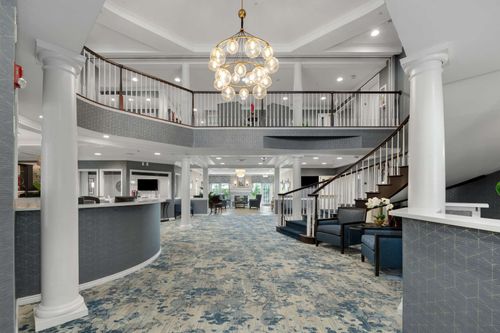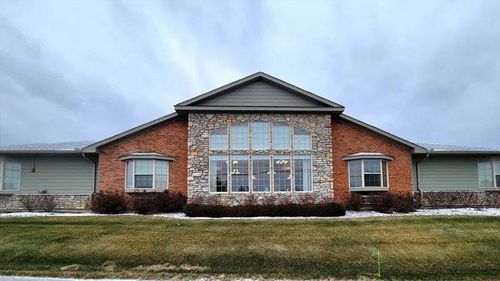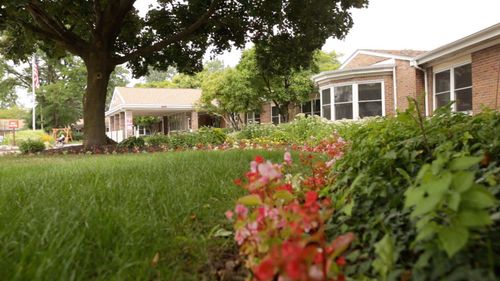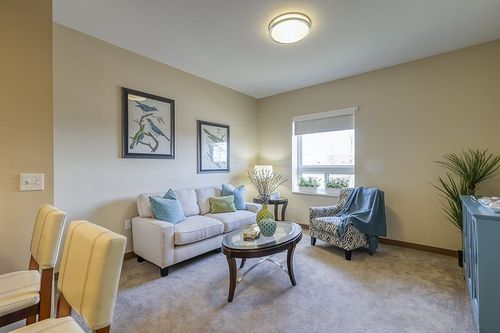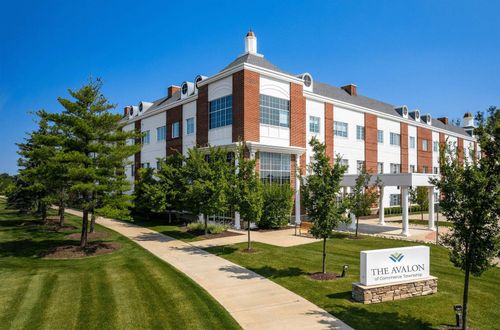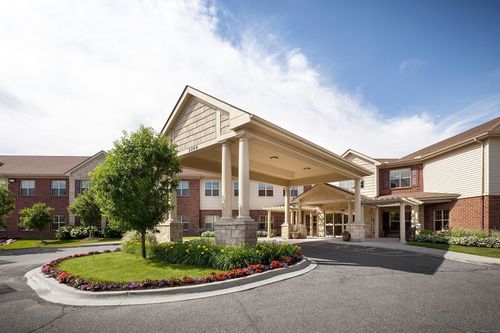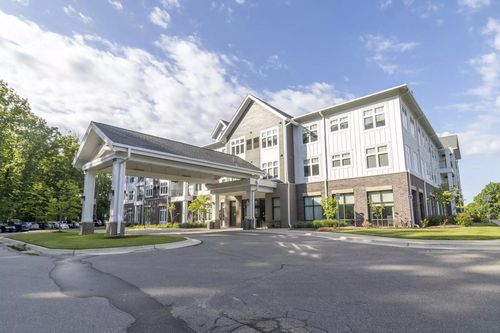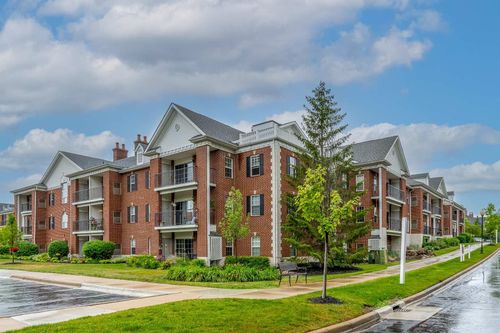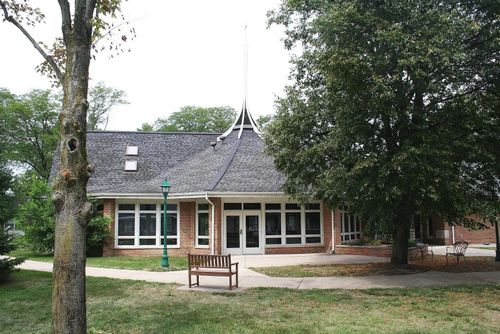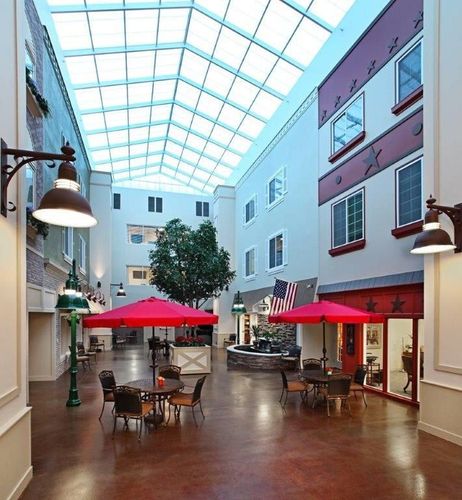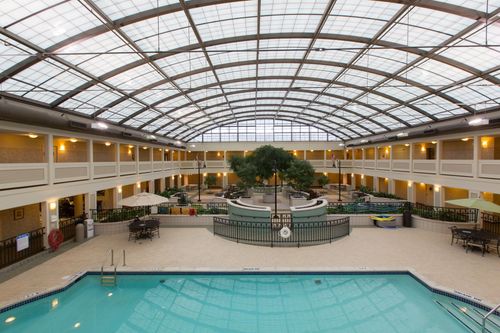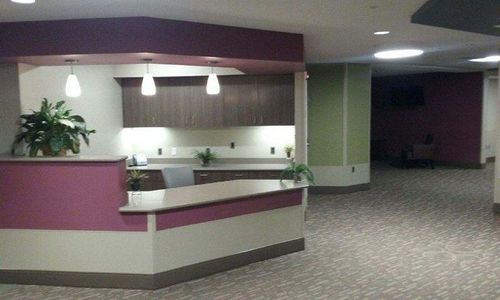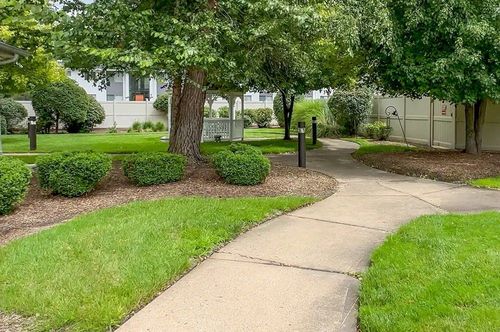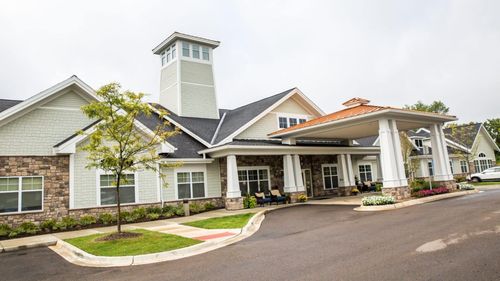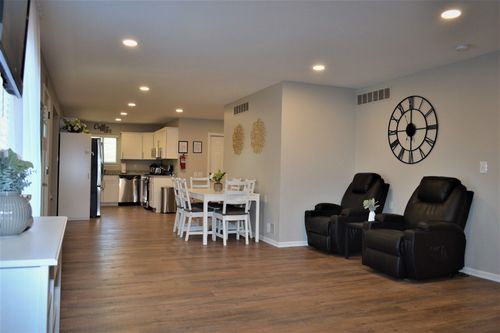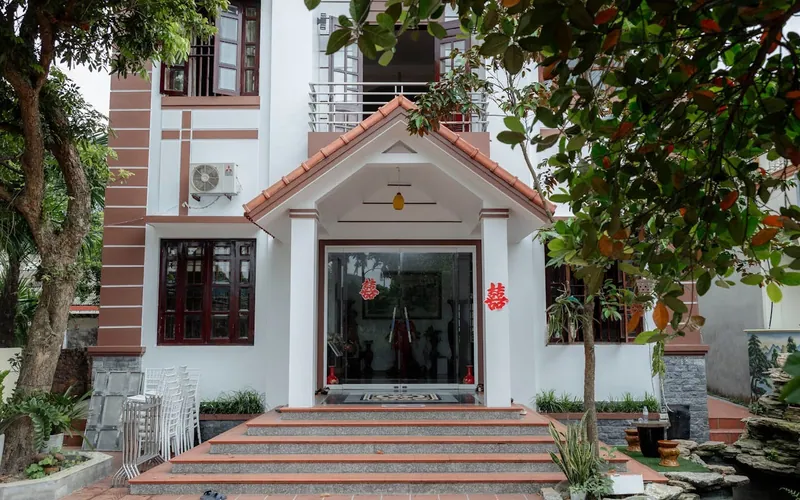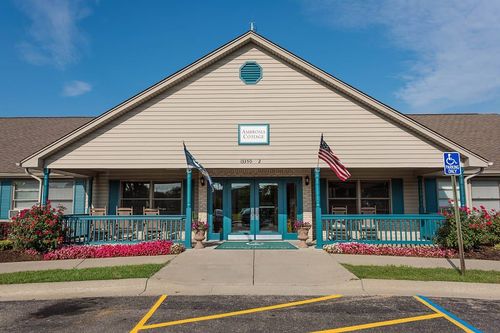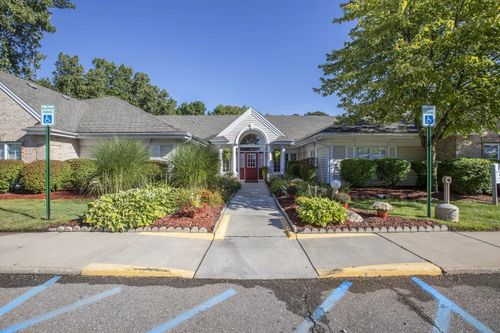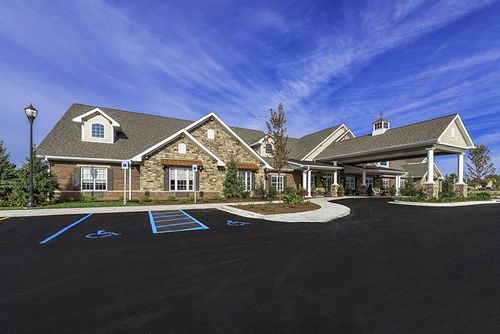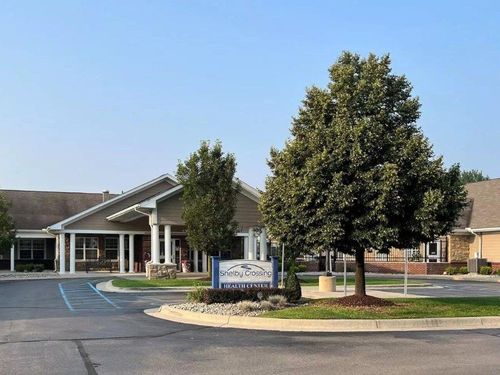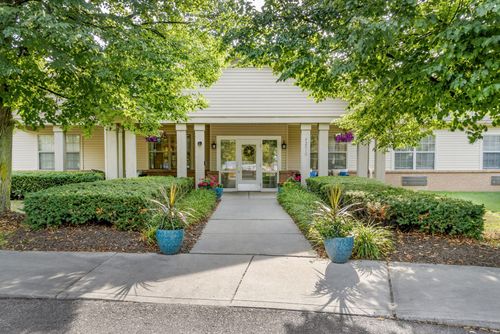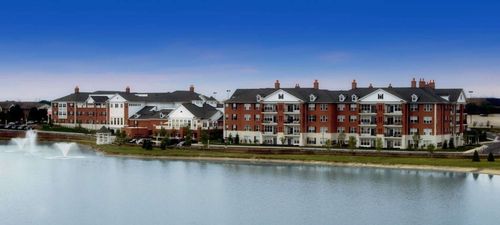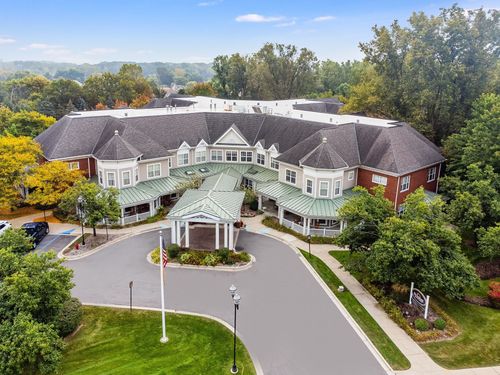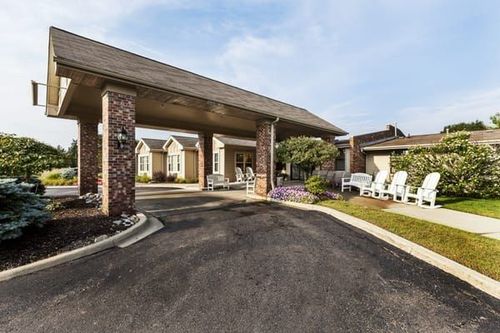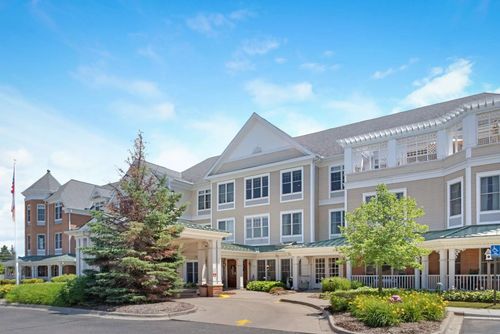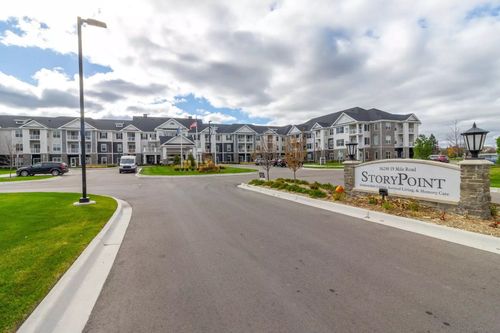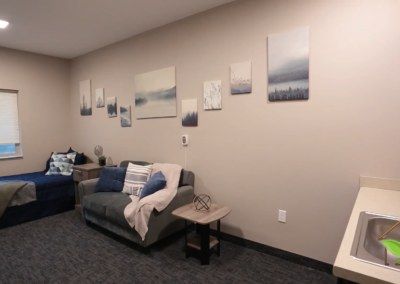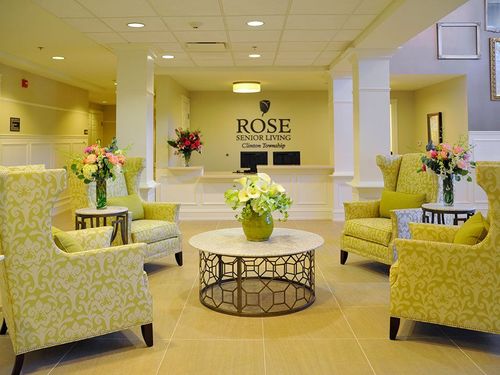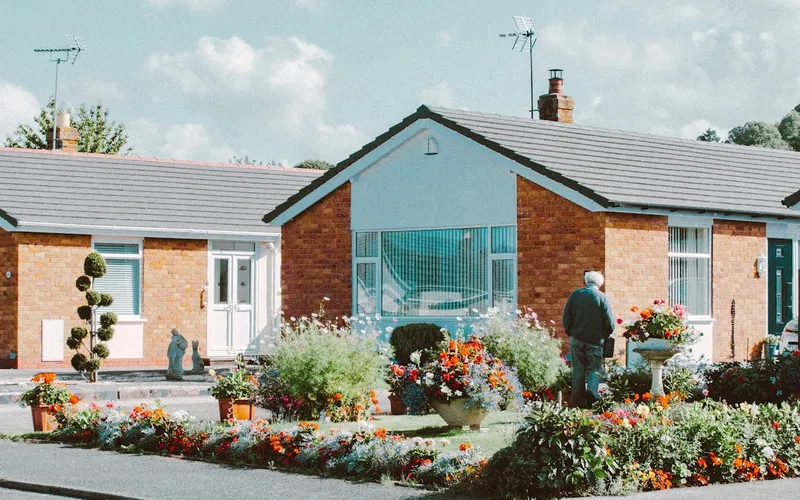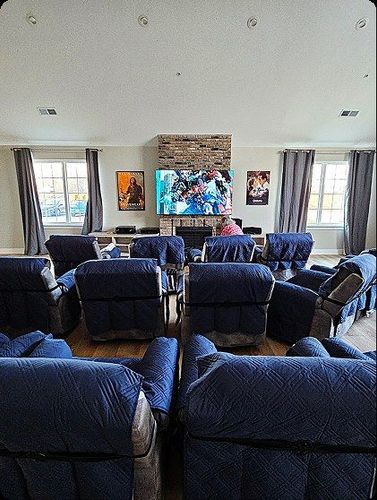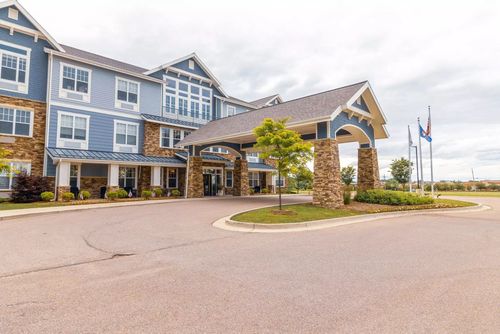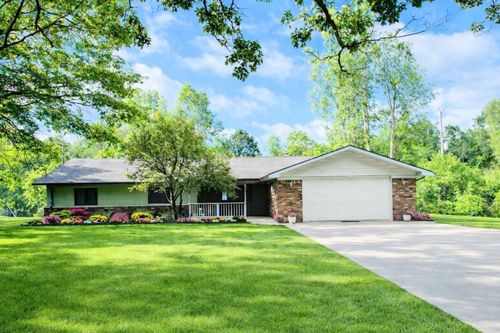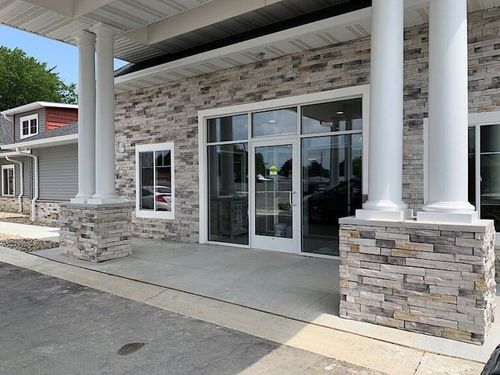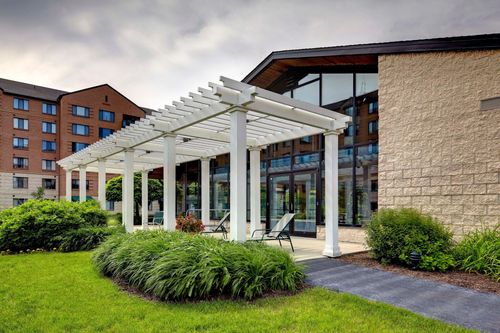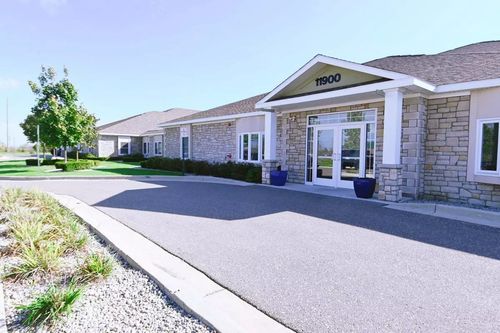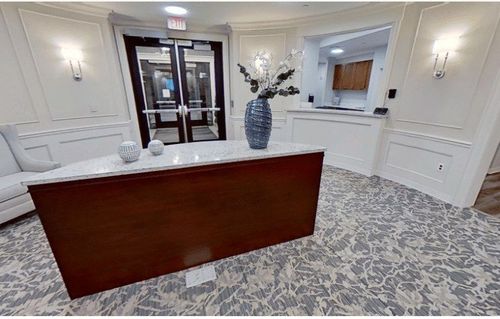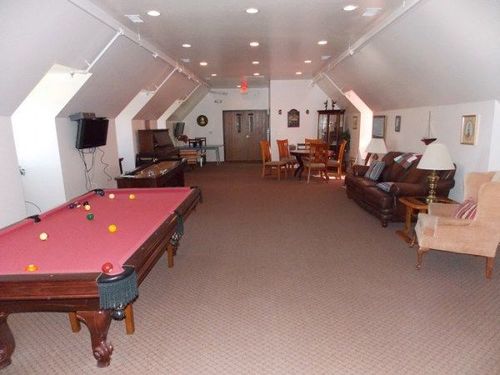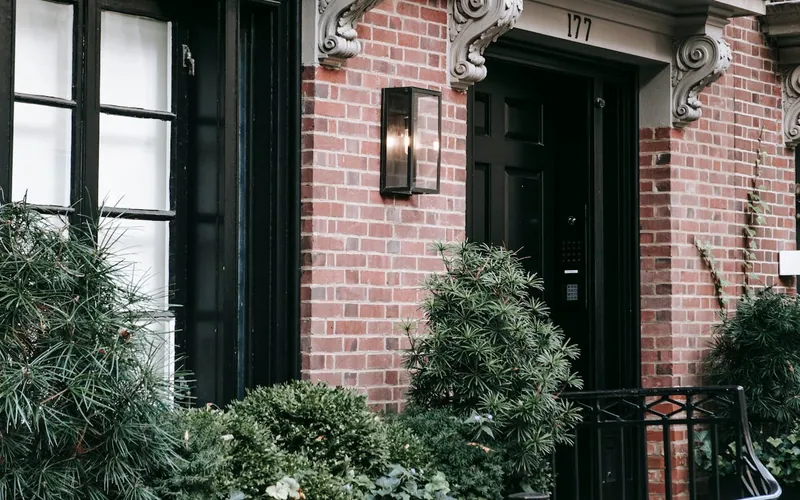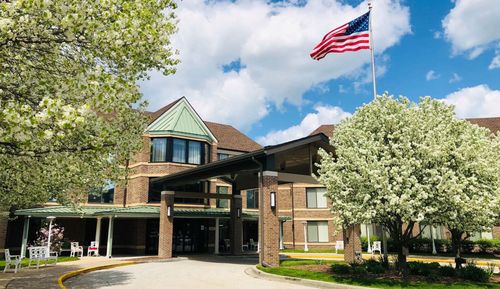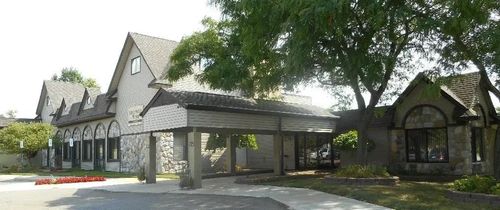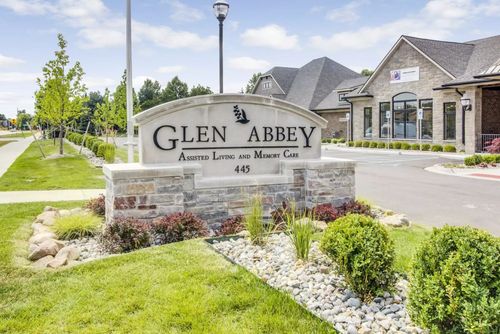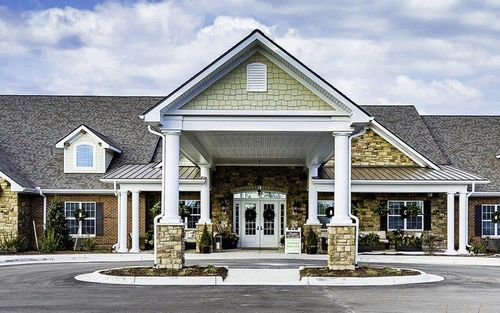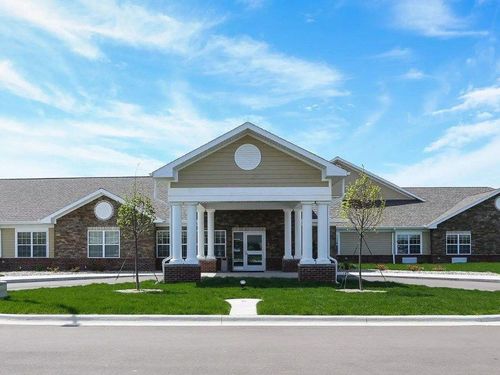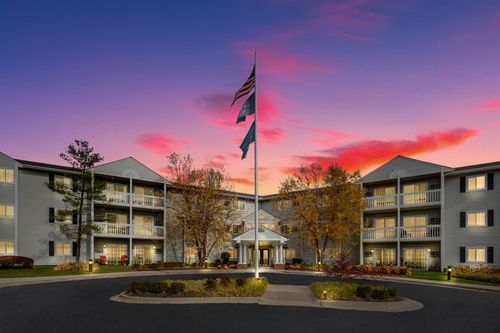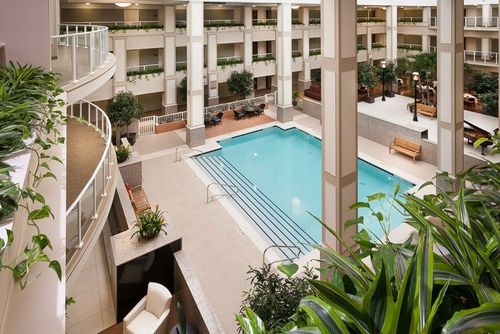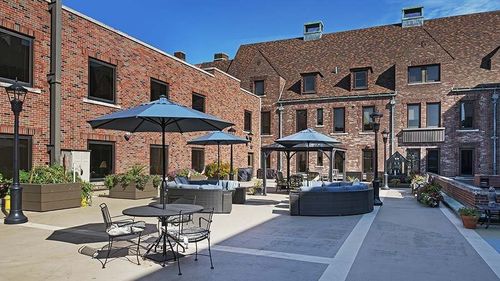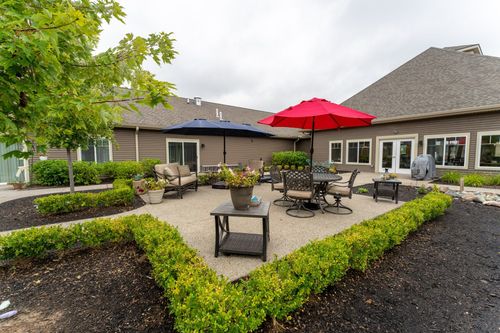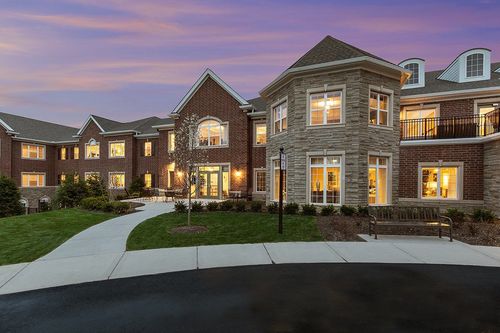
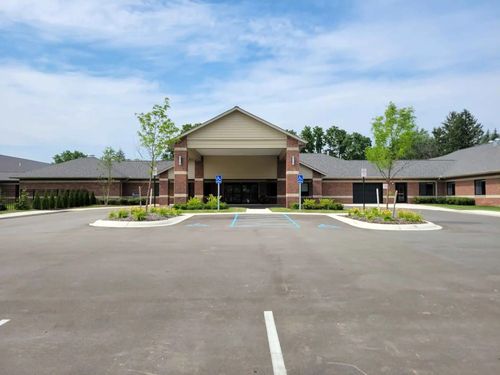
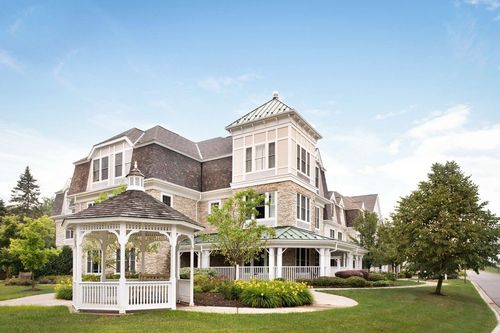
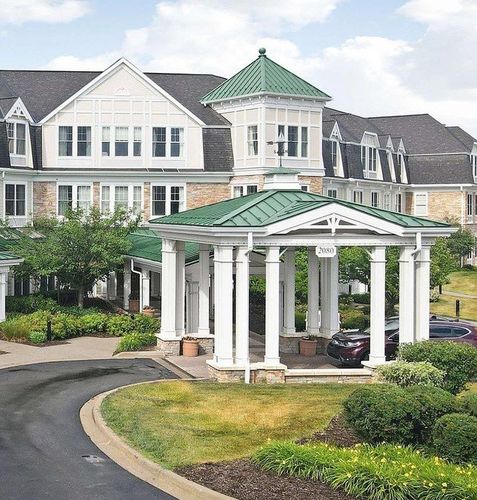
Bloomfield Hills features a small number of specialized memory support environments situated along major thoroughfares like Woodward and Opdyke roads. Local residential settings range from intimate home-like spaces housing 45 beds up to expansive continuing care campuses accommodating 132 beds. Families navigating a cognitive impairment diagnosis find a mix of dedicated standalone memory facilities and specialized wings integrated within larger residential campuses.
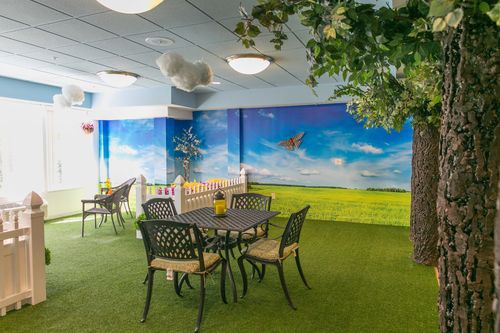
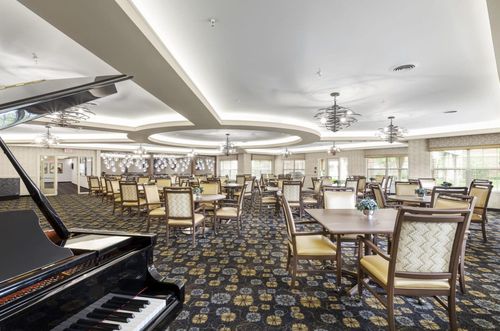
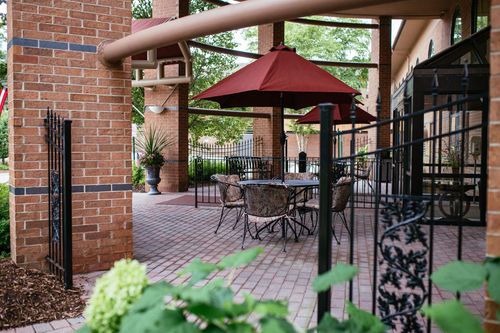
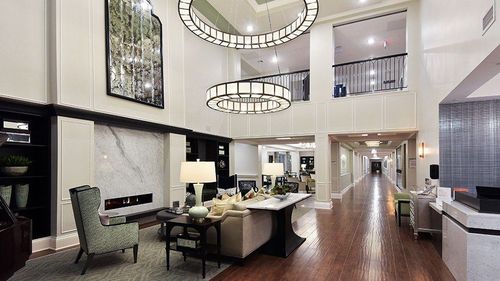
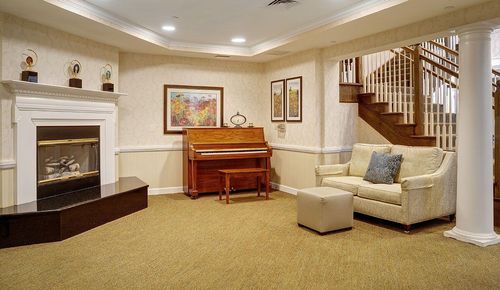
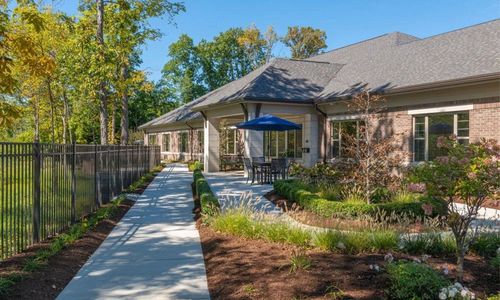
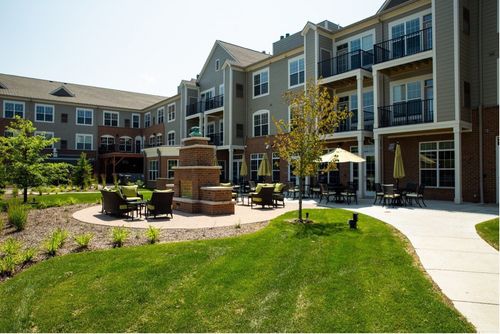
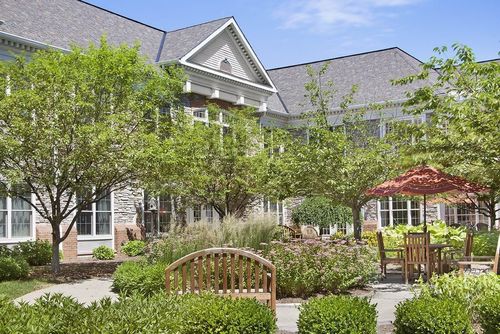
Selecting the right layout depends heavily on how a resident reacts to spatial boundaries. Purpose-built standalone environments provide continuous visual corridors and enclosed outdoor walking courtyards that reduce confusion. Conversely, dedicated wings inside larger buildings give residents proximity to a wider variety of shared dining spaces while maintaining locked perimeter access for safety.
Daily Routines and Specialized Engagement
Daily life inside local memory support neighborhoods revolves around predictability and emotional reassurance. Structured sensory sessions and familiar tactile tasks anchor the morning hours, helping residents transition smoothly through the early part of the day. Afternoon hours incorporate gentle physical stretches and music-focused therapies designed to maintain motor skills while easing anxiety.
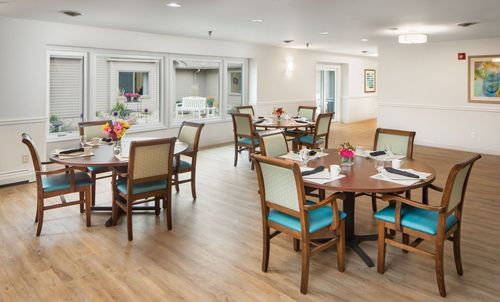
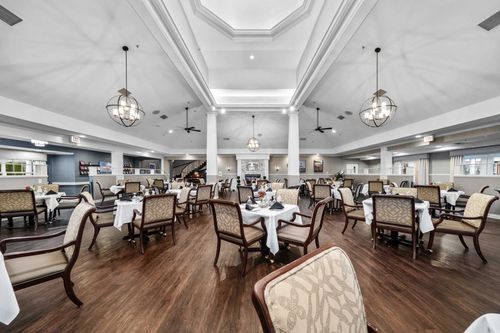
Mealtimes are treated as both a nutritional necessity and a vital social anchor. Dining areas use simplified menus and visual cues to encourage independent eating, while attentive aides remain close by to offer subtle physical assistance. Evening hours shift toward quiet auditory environments, low lighting, and calming bedtime routines that promote restorative sleep cycles.
Understanding Local Financial Commitments
Monthly costs for memory support in the area reflect the intensive staff-to-resident ratios required for advanced cognitive conditions. Base pricing typically starts around $4,200 per month for community residency and climbs based on the tier of personal assistance required. For instance, entry rates at locations such as The Bradford Senior Living begin at $4,200, whereas facilities like Cedarbrook Of Bloomfield Hills start at $5,200 per month.
Because state assistance covers none of the local room fees, financial coordination requires careful preparation well before a move becomes urgent. Families frequently manage these ongoing monthly investments by combining personal savings, private long-term care insurance benefits, or specific military service pensions. Understanding these cost structures early prevents unexpected budgetary strain during an already stressful family transition.
Growing Regional Need for Memory Support
Demand for specialized dementia housing across Bloomfield Hills continues to climb as local demographics shift. Adult children juggling their own careers and children often find themselves unable to provide the 24-hour supervision required in advanced cognitive decline. Having professional care nearby in Oakland County ensures that aging parents remain safe from wandering while staying close to their familiar geographic roots.
This regional concentration of specialized housing also provides peace of mind through structured emergency protocols and trained medical oversight. Local communities focus heavily on environmental design, removing visual triggers that cause confusion or distress. Families value knowing that their relatives reside in secure spaces explicitly engineered for safety rather than standard assisted living apartments.
Why Families Choose Local Options
Placing a relative in a dedicated memory support environment relieves family caregivers from the round-the-clock exhaustion of home-based management. Professional staff take over the complex tasks of redirection, hygiene support, and nutritional tracking, allowing family members to return to being loving sons, daughters, and spouses. The physical environment itself acts as a therapeutic tool, utilizing secure wandering paths and controlled exits to prevent hazardous departures.
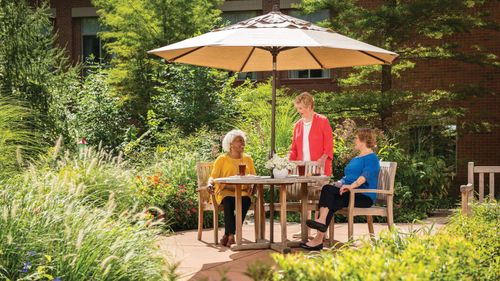
Additionally, these local neighborhoods foster genuine social connections among residents experiencing similar cognitive changes. Group activities and shared sensory experiences help diminish the isolation often felt by individuals losing their short-term memory. Families consistently report a profound sense of relief once their loved one settles into a predictable daily rhythm supported by trained specialists.
Navigating Transitions and Finding Fit
Evaluating memory support options requires looking closely at how an individual building handles transitions from independent living or hospital discharges. Advisors note that mapping out Medicaid timing and asset preservation strategies should happen well before formal admission paperwork is signed. Ensuring the physical scale of the building matches the resident's comfort level prevents overstimulation or withdrawal.
Every family's journey through dementia is distinct, and finding the right physical and financial fit takes careful, unhurried thought. To explore how these local Bloomfield Hills options align with your family's needs, reach out for a short conversation.
The Bloomfield Hills directory continues to grow as we evaluate providers for quality and alignment in 2026. Start the conversation about memory care in Bloomfield Hills, or look through the buildings we cover at your own pace.