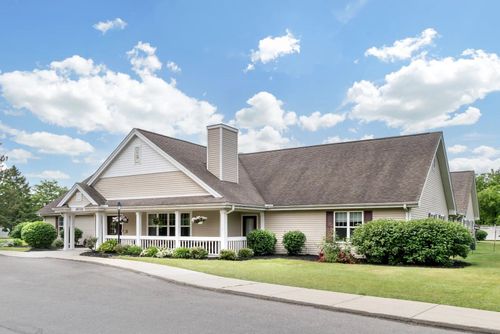
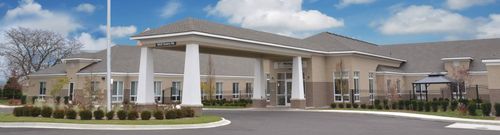
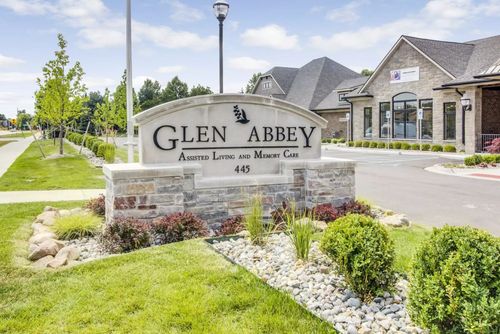
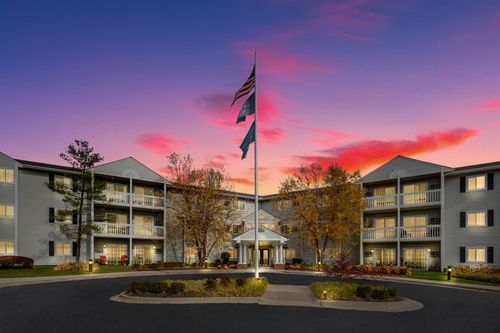
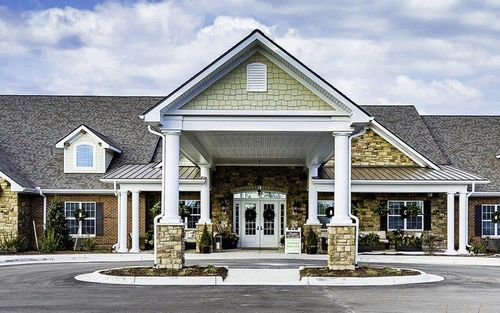
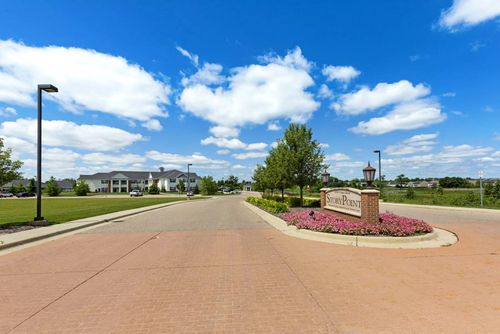
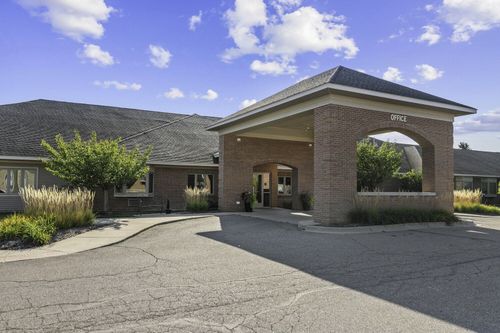
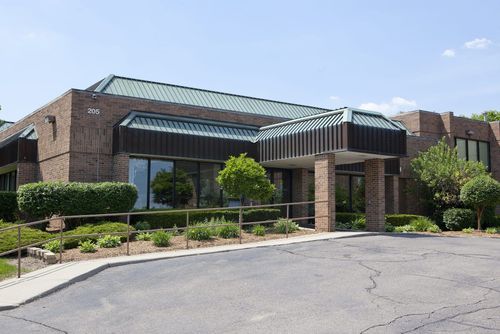
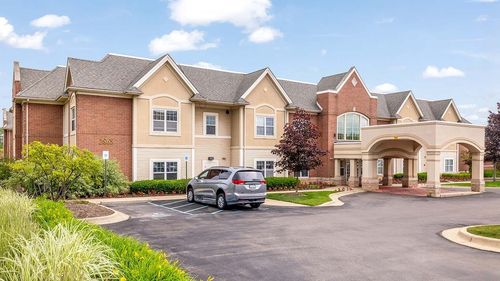
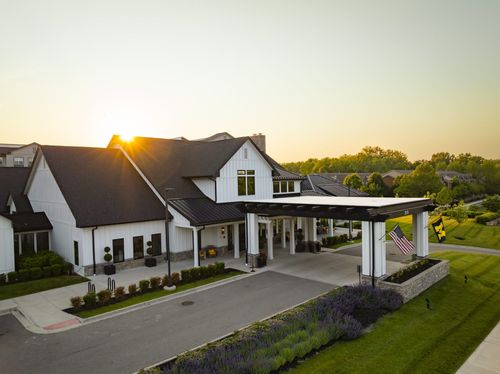
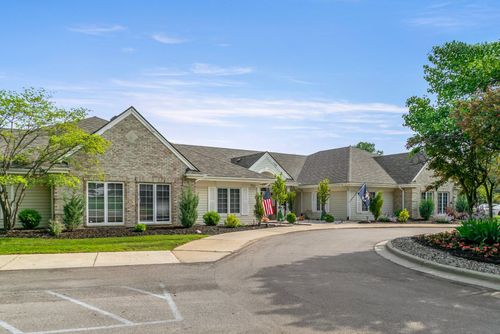
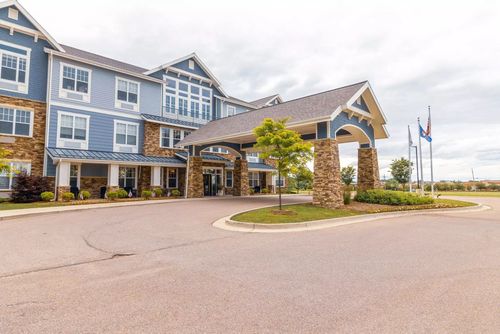
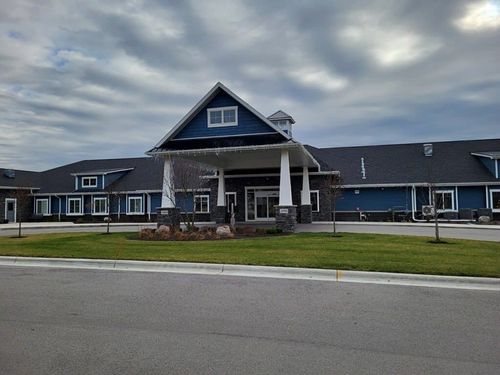
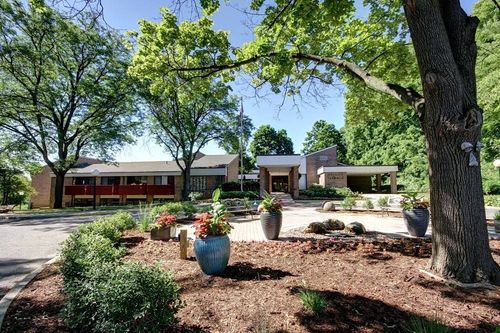
Assisted living in Carleton costs more than anywhere else in Monroe County, and the reason is worth understanding before the figure puts a household off. The Gardens of Carleton on Matthews Street is a purpose-built community of sixty beds in a village that would ordinarily support a converted house or nothing at all, and scale of that kind carries a price that rural rates do not.
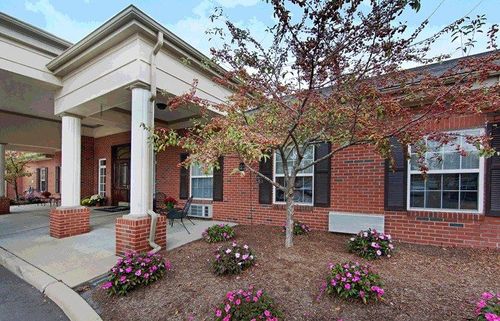
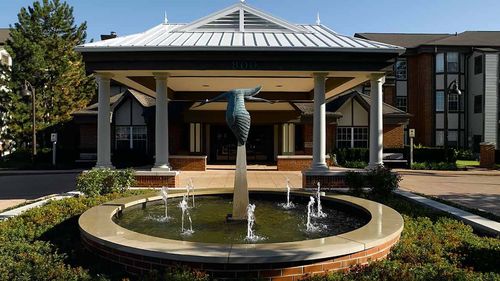
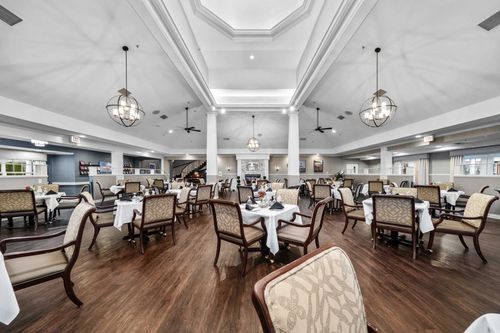
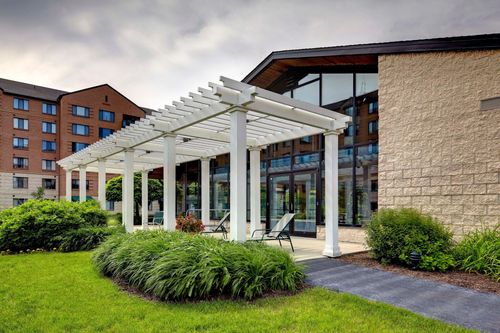
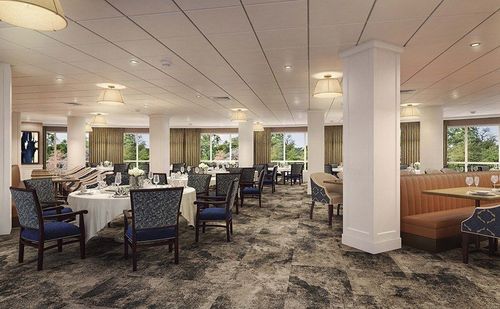
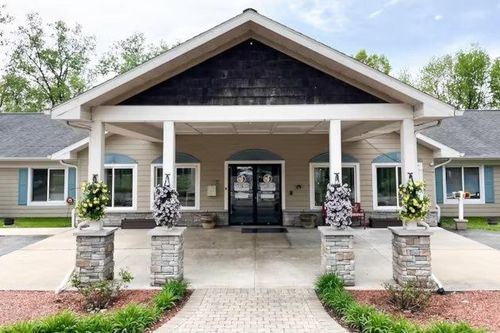
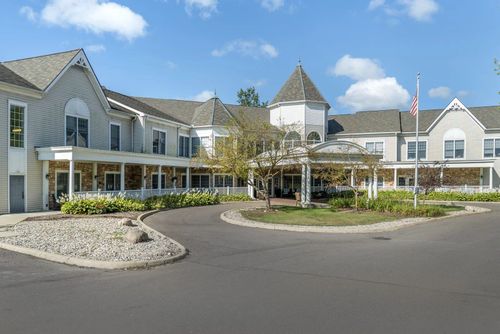
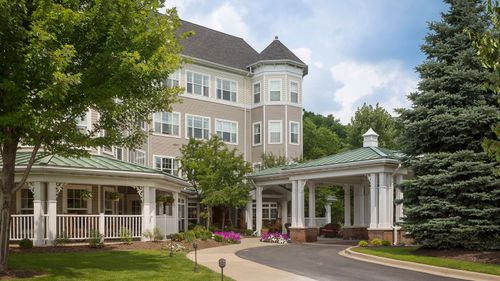
What a family buys at the top of the county range is a building designed for the job rather than adapted to it: proper corridors, staffing rostered rather than improvised, and a second level of care already inside the same walls.
Everyday Support in a Purpose-Built Building
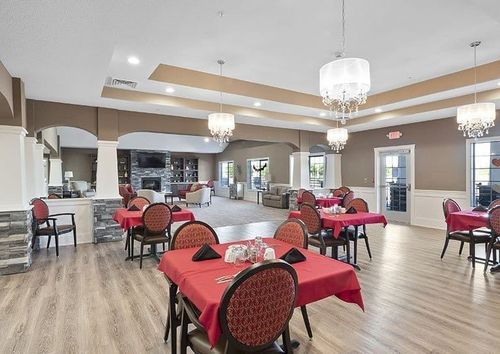
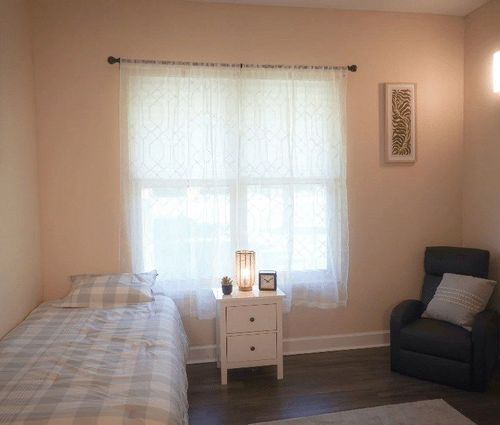
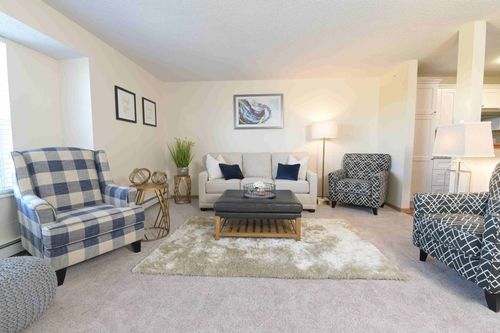
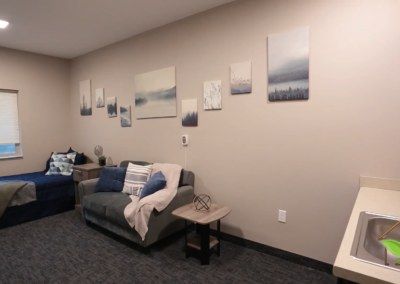
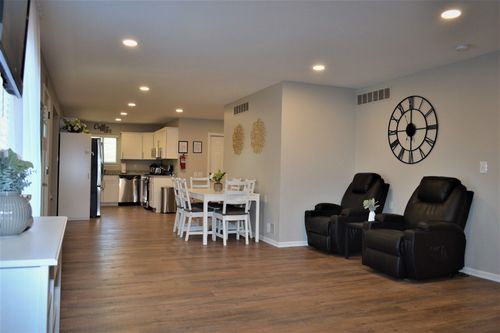
What the building provides is the standard list: the shower that has become risky, the pills that have become complicated, the cooking, the cleaning, and a staff presence that does not stop at ten o'clock. What differs in a building of this size is consistency, because sixty beds justify a roster rather than a rota built around whoever is available.
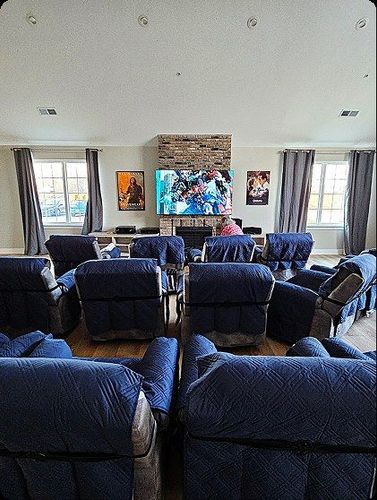
Scale also shows on a bad day, since a purpose-built community has somewhere to sit apart from the room without being alone, more than one person on shift when two residents need help at once, and a nurse assessment done on site rather than booked for next week. Those are what the rate pays for, and they show on a Tuesday afternoon rather than a Sunday tour.
Why the Rate Sits Where It Does
The Gardens of Carleton is quoted at $5,700 a month in 2026, the highest published assisted living figure in Monroe County by a clear margin. The number reflects the building rather than the village: sixty purpose-built beds close to the Wayne County line price against the Downriver market they compete in, not against the farmland around them.
Medicaid is not accepted, so this runs on private funds throughout. The state's MI Choice waiver applies in a narrower band than most families expect, and even inside it the money goes to care rather than to housing, a distinction that costs real money when it is discovered late. Moving in is billed separately, and short respite stays carry a nightly figure, which occasionally buys a family two weeks of thinking room.
A County That Looks North From Here
Monroe County's older population runs to 31,739, about a fifth of everyone living there, and Carleton sits at the northern edge of it, closer to the Downriver hospitals than to the county seat.
That orientation matters for a household weighing the rate, because Carleton competes with a much larger market a few miles north rather than with the small rural homes to the south. It also means the building fills from a wider catchment than the village population would suggest.
Why Families Choose Assisted Living in Carleton
Carleton is a village surrounded by farmland that happens to sit twenty minutes from the Downriver suburbs, and that pairing is what draws people who want quiet without isolation. Older households here often moved out from Wyandotte, Taylor or Trenton decades ago while their children stayed in those cities, so visiting means driving back along a route the family already knows by heart.
Hospital care runs north as well, toward Corewell Health Trenton thirteen miles away with 193 acute-care beds and three residency programmes taught alongside universities, and Corewell Health Taylor seventeen miles out with 189 more. The county's own ProMedica Monroe Regional sits ten miles south, licensed for 217 beds and designated Level IV for trauma. A choice of system rather than a single default is unusual for a village this size.
Where a Local Advisor Earns the Call in Carleton
A rate at the top of a county deserves a straight explanation rather than a shrug, and that is the first job here. A Local Senior Advisor can set out exactly what the Matthews Street community includes at that figure once a nurse has assessed the person, what it adds for a heavier care plan, and whether the difference against cheaper addresses is buying something a particular resident will use.
The second job is checking the fit against the money over time rather than at move-in. A high rate that never changes can be cheaper across three years than a low rate that climbs steeply with need, and working out which pattern applies is exactly the sort of thing worth a short conversation before a deposit rather than after one.
We keep expanding our Carleton coverage as we evaluate providers for quality and alignment in 2026. Start the conversation about assisted living in Carleton, or scan the buildings we cover at your own pace.