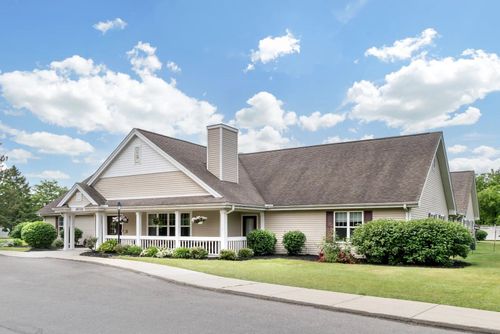
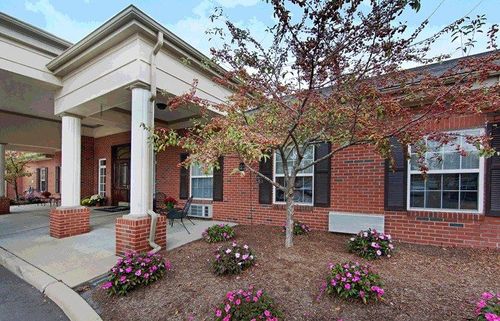
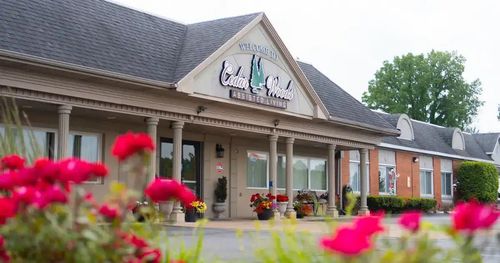
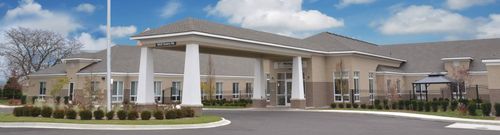
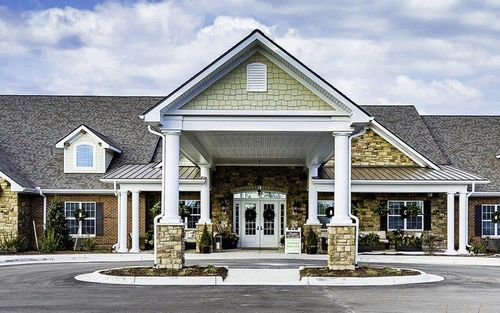
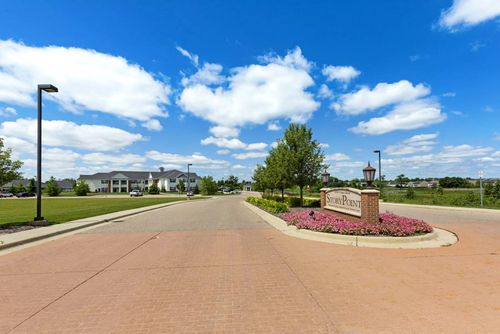
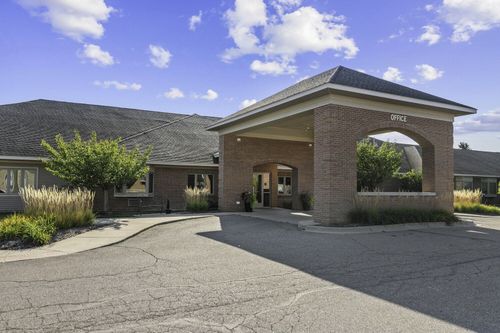
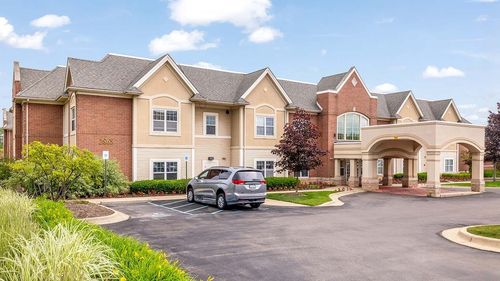
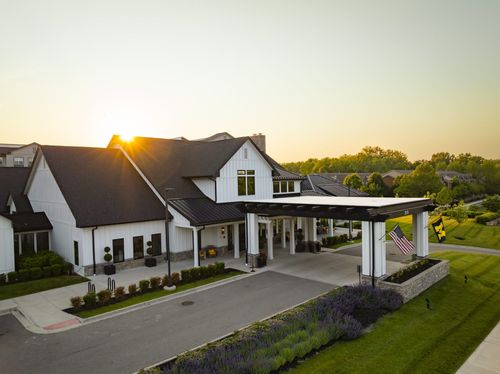
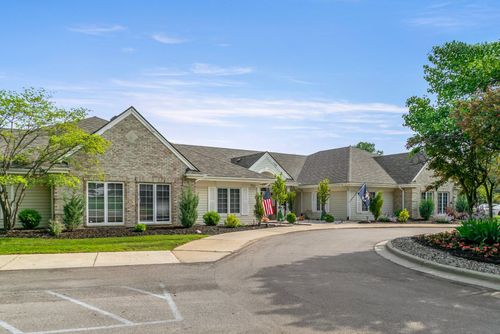
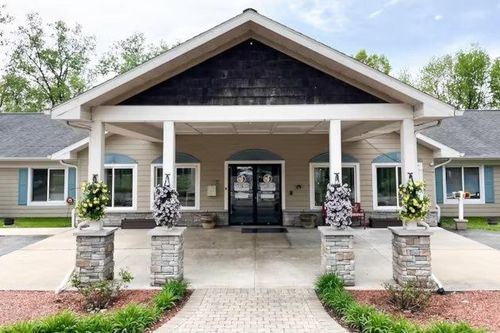
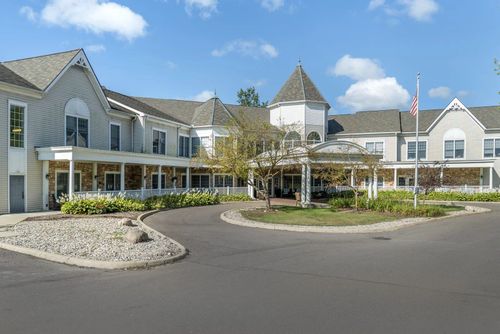
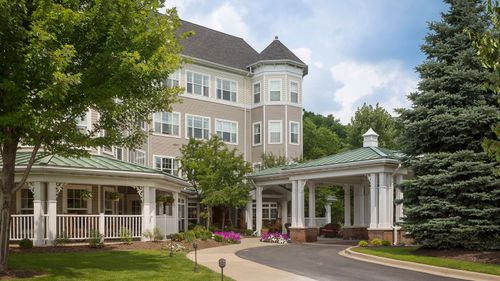
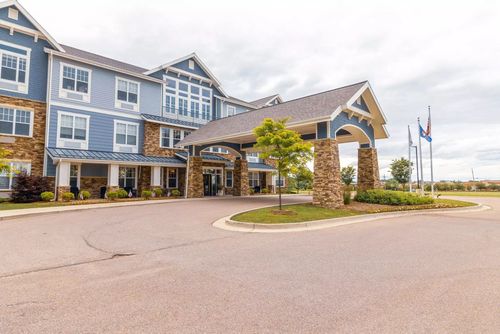
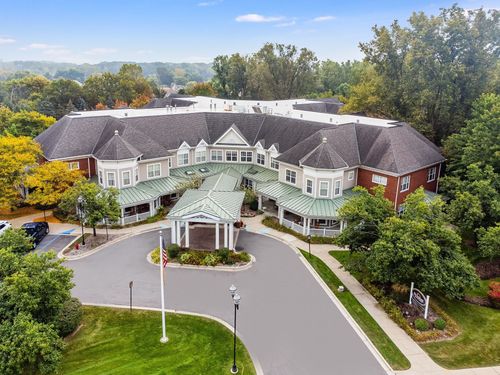
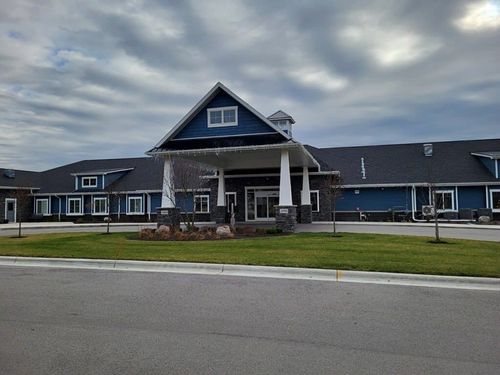
The Gardens of Carleton on Matthews Street is a purpose-built senior living community holding a secured dementia side, and it sits in a village most people would not expect to support one. That mismatch between the size of the place and the scale of the building explains almost everything about how memory care works here, including the part families notice first.
Carleton sits at the northern edge of Monroe County, close enough to the Downriver suburbs that the building prices and staffs against that market rather than against a rural one. A household weighing this address is looking at a suburban community that happens to stand among farmland, which is a genuine choice rather than a compromise.
What a Purpose-Built Secured Side Provides
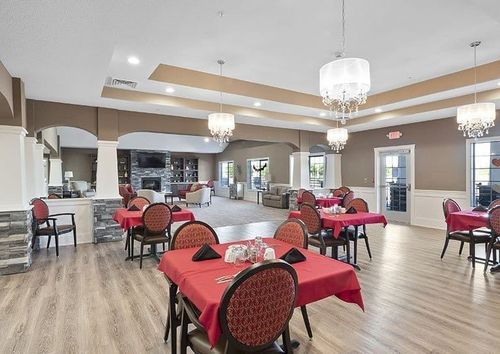
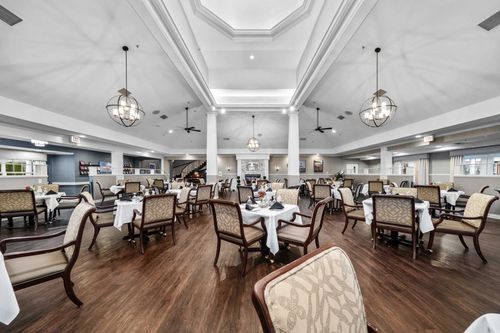
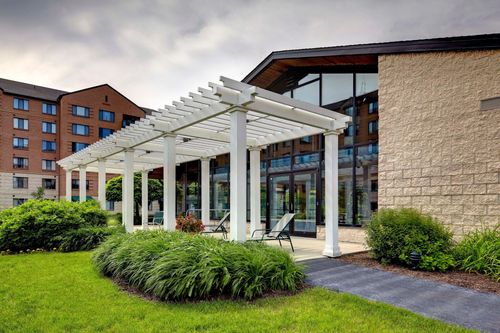
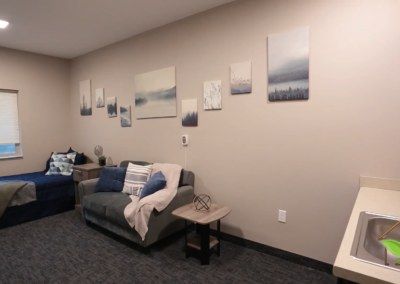
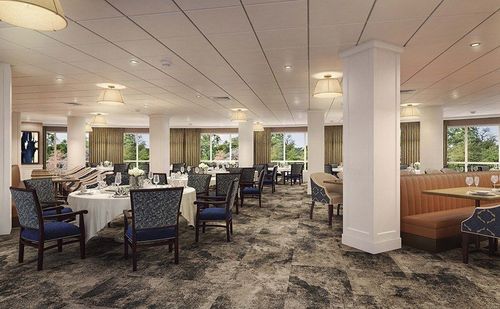
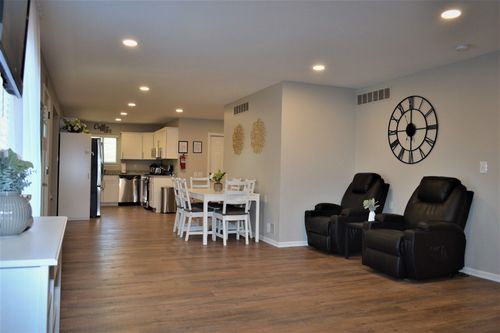
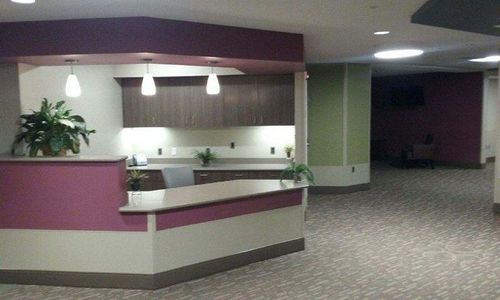
A building designed for dementia from the outset differs from one adapted for it, and structurally rather than decoratively. Corridors are laid out so a resident walking a loop ends up somewhere sensible instead of at a locked door, outdoor space is enclosed and reachable without staff unlocking anything, and the dining and activity rooms are sized for the smaller groups dementia care needs.
Staffing follows the same logic as the layout, with dementia-trained staff holding the floor through the night and the parts of the day that most often go badly, the late afternoon and the hour before bed, covered deliberately rather than by whoever happens to be on. The community also takes short respite stays, which in a village with a single address is the most valuable thing on offer, because it lets a household see how a resident settles before committing to anything permanent.
Why the Figure Sits Where It Does
The published starting figure here is $5,700 a month in 2026, and it is high for Monroe County. The explanation is the building rather than the village: a purpose-built community with a secured side and staffing to match costs more to run than a converted house, and it is priced against the Downriver market it sits beside rather than the farmland it sits among.
What a household actually pays turns on a nurse's assessment of how much supervision and hands-on help a resident needs, and a secured room is quoted above the starting figure. The community takes no Medicaid, and Michigan's MI Choice waiver is tied to a person's assessed needs and pays toward care rather than toward the cost of a room, so this is a private-pay decision. Moving in is billed separately, and a respite stay carries its own nightly figure.
A Village at the County Line
Monroe County holds a substantial older population, and Carleton's households sit at the top of it in a way that shapes their habits. This is a village that looks north, toward the Downriver hospitals and the suburbs where many families originally came from, rather than south to the county seat.
That has a practical effect on memory care, because demand on this one secured side comes from a wider area than the village population suggests, so availability is a question to ask early rather than a formality to confirm late.
Why Families Choose to Stay in Carleton
Carleton is farmland with a suburb twenty minutes away, and that combination is what drew many of its older households out here decades ago. Their children generally stayed in the Downriver cities the family left, so visiting means driving back along a route everyone knows, and a resident staying in the village keeps the quiet that was the point of moving.
The hospital position is better than the setting suggests. Corewell Health Trenton lies thirteen miles north as an acute-care teaching hospital, Corewell Health Taylor adds capacity a little further out, and the county's own ProMedica Monroe Regional sits ten miles south and takes part in Michigan's coordinated stroke and cardiac systems. A resident living with dementia is within a straightforward drive of all three.
What a Local Advisor Brings to Carleton
A rate at the top of the county deserves an explanation rather than a shrug, and that is the first thing a Local Senior Advisor working this corner of Monroe County will give. What the figure includes once a nurse has assessed a resident, what pushes it upward, and what the secured side provides that a smaller building could not are all answerable before a tour.
The second piece of the work is timing, because with one secured side serving a wide catchment, knowing whether rooms are genuinely free matters far more than knowing they exist, and the respite option means a household with an urgent situation has a way to start without committing. Working out whether that route fits is usually a short conversation rather than a long search.
Our Carleton directory keeps expanding as we evaluate providers for quality and alignment in 2026. Reach out for a conversation about memory care in Carleton, or browse the communities we have vetted at your own pace.