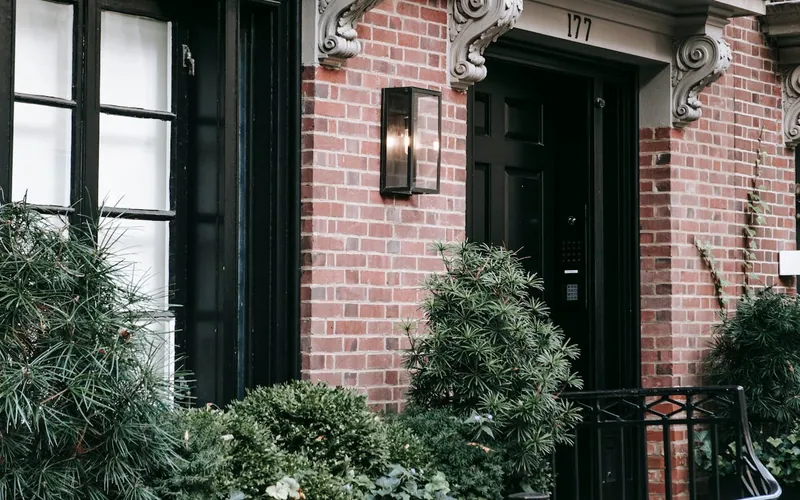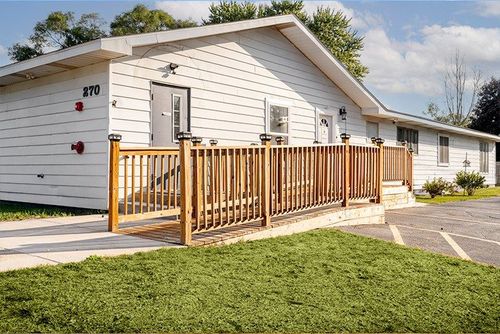

Cedar Springs, MI

Residential Senior Living in Cedar Springs

One residential community in Cedar Springs, MI — with free, unbiased guidance from local advisors.

1
Community
1
Residential
$3,550
Avg. Monthly Pricing

Explore Residential Senior Living in Cedar Springs

One residential community to review, with free guidance from a local advisor.

View all communities in Cedar Springs
Mary Beth Visniski

Cedar Springs Residential Advisor

Mary Beth Visniski

Certified Senior Advisor

Mary personally knows every residential community in Cedar Springs. Get free, unbiased recommendations tailored to your family's care needs, budget, and timeline — no sales pressure, no obligations.

What to Expect From Residential Senior Living in Cedar Springs

  • Match: All 1 community matches residential senior living in Cedar Springs.
  • Care types offered: assisted living and memory care.
  • Price range: From $3,550/mo across the matching set.

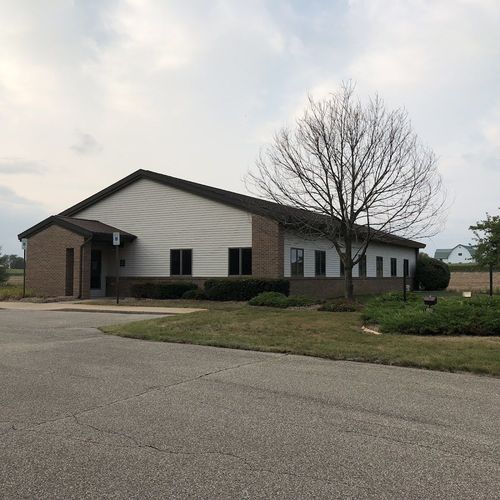
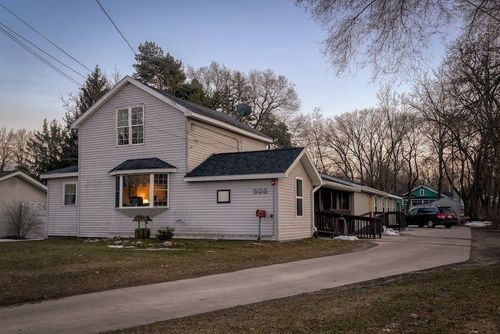
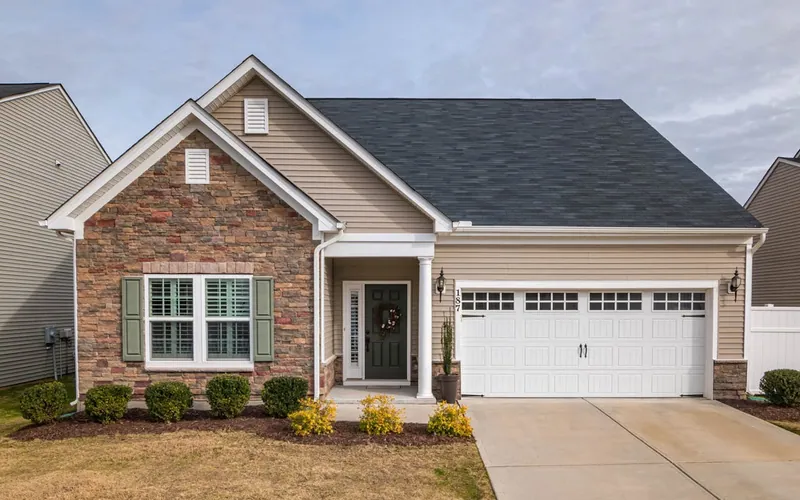
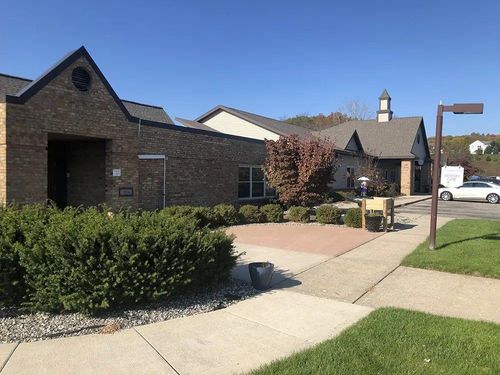
Fifteen minutes decides more about how a placement goes than most families believe when they start looking. New Haven Assisted Living of Cedar Springs is the household-scale address, from $3,550 a month, and its real competition is not another house in town but the far larger choice of communities twenty-five miles south in Grand Rapids. Better buildings undoubtedly exist down there in some number. What they cannot offer a family in northern Kent County is a relative who calls in on a Tuesday evening because it is on the way home, and over the years of a placement that difference does more work than any feature comparison.

Why Visit Frequency Is a Care Question

It sounds like a sentimental argument and it is a practical one. A resident who sees family twice a week has someone noticing that they are quieter than usual, that a bruise has appeared, that the same complaint has come up three visits running. A resident whose family manages a weekend visit once a fortnight has none of that, and the staff, however good, are working from a much thinner picture.

Distance also determines what happens in the awkward middle of a situation. A relative fifteen minutes away can drop in when a house rings to say somebody has had a fall and seems fine. A relative an hour away either takes half a day off or does not come, and over time the second option wins more often than anybody intends.

The Cedar Springs Rate

At $3,550 a month this sits toward the lower end of what small licensed Michigan houses publish. The figure is close to all-inclusive: the room, meals, laundry, housekeeping and hands-on help through the day, with staff awake at night. It is not a rent with a care package quoted beside it, which is why it can read as steep against an apartment and still cost less than the same support bought separately at home.

No public funding applies at this address at present. Michigan's route for public support in a licensed house is the MI Choice Waiver rather than Medicaid directly, and it needs three things to line up: a financial review, a clinical assessment, and a house enrolled in the programme. Where that is not in place, the useful calculation is the number of years a family's resources will carry the rate rather than the monthly figure by itself.

When Staying Local Is the Wrong Answer

Proximity is worth a great deal and it is not worth everything. Where a resident needs daily clinical attention, a licensed house cannot provide it, because these settings employ caregivers rather than nurses and the licence does not stretch that far. Where a resident's dementia has advanced past what the house is staffed and laid out to manage safely at night, the same applies.

In those situations the honest answer is a different setting, even where that means distance, and a family is better served hearing it early than discovering it after a second move becomes unavoidable. The question to put at the outset is not what this house manages now but how much decline it has absorbed before, and what happened when it could go no further.

What a Local Advisor Brings to Cedar Springs

An advisor covering northern Kent County can say whether a room is free at present, how far this house has taken residents in the past, and who is genuinely on duty overnight rather than what a website suggests.

The same advisor can be straight about the point at which the drive south becomes the better answer, so a family weighs the real trade rather than an imagined one. Most households here find it quicker to talk it through before a visit is arranged.

Our directory for Cedar Springs continues to grow as we evaluate providers for quality and alignment in 2026. Reach out for a conversation about residential care homes in Cedar Springs, or look through the communities we have vetted at your own pace.
Mary Beth Visniski

Mary Beth Visniski

Certified Senior Advisor, Michigan

Advisor Insight on
Residential in Cedar Springs

New Haven Assisted Living of Cedar Springs is the household-scale setting in northern Kent County, where the wider choice lies twenty-five miles south. Visit frequency tracks drive time closely, and regular visitors register the bruise and the repeated complaint that shorter acquaintance does not.

Residential Senior Living Near Cedar Springs

Residential communities within 25 miles of Cedar Springs.

Frequently Asked Questions About Residential Senior Living in Cedar Springs

Is it better to stay in Cedar Springs or move to Grand Rapids?

For most families in this part of the county, staying wins, and the reason is visits rather than sentiment. A relative fifteen minutes away calls in on a weeknight and notices what a fortnightly visitor misses: that someone is quieter, that a bruise has appeared, that the same complaint keeps coming up. That noticing is part of how a placement stays safe. The one exception is the level of care actually involved. Where a resident needs something a local house cannot provide, optimising for distance is the wrong instinct, and it is better to face that early.

What does $3,550 a month cover here?

Nearly everything used from one day to the next: the room, meals, laundry, housekeeping and hands-on help through the day, with staff awake overnight. The figure works as one settled number rather than a rent with a care package quoted alongside, which is why it can look steep against an apartment rent and still cost less than the same support assembled piece by piece at home. It sits toward the lower end of what small licensed Michigan houses publish. Prescriptions, personal items and any visiting clinician are billed separately.

Could public funding pay for a place here?

Not at this address as things stand at present. The Michigan route for public support in a licensed house is the MI Choice Waiver rather than Medicaid directly, and three things have to line up for it to work: a financial review of the resident, a clinical assessment finding they need nursing-facility level care, and a house that is enrolled in the programme. Where those do not align, the arrangement is private, and the calculation a family should make is how many years their resources will carry the rate rather than what a single month costs.

When does a small house stop being the right setting?

At the point daily clinical care is needed, because these houses employ caregivers rather than nurses and the licence does not extend to skilled nursing. The other limit is dementia that has advanced past what a particular house is staffed and physically arranged to manage safely after dark. Both limits are real and neither one is negotiable by any house. What varies enormously is where each individual house draws them, which is why asking how much decline this one has absorbed before, and what happened when it could go no further, is more useful than any general rule.

How often do families actually visit once someone moves in?

Less often than they intend, and the drive is the main predictor. Everybody plans on going twice a week at the outset. What determines whether that survives the first six months is whether the journey fits into an ordinary evening or requires setting aside part of a day. This is worth being realistic about before choosing, because visit frequency shapes a resident's week more than the dining room, the activity list or the decor, and it is the one variable a family controls entirely at the point of decision.

What activities happen in a house with a handful of residents?

Less than a large community offers and more than families expect. A household cannot run a printed weekly calendar, so what happens is smaller and more spontaneous: cards, a film, baking, somebody's visitors joining in, an outing when the weather and the staffing allow. Some houses bring in a visiting musician or a hairdresser on a regular basis. For a resident who found the activity schedule at a bigger place exhausting or impersonal, this is an improvement rather than a shortfall. For somebody who wants a full week, it is a genuine limitation and worth being honest about.

More Senior Living in Cedar Springs

Get Help Finding Residential Senior Living in Cedar Springs

Our local advisors know every residential community in Cedar Springs personally. Get free, unbiased recommendations tailored to your family's care needs, budget, and location preferences.

Free service · No obligation · We only recommend what's right for you