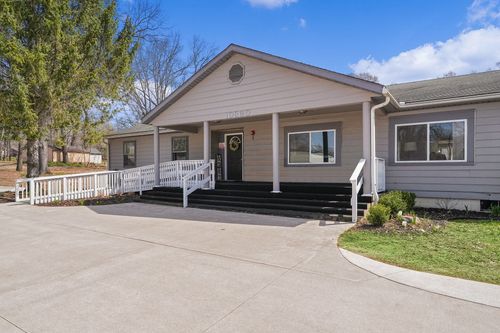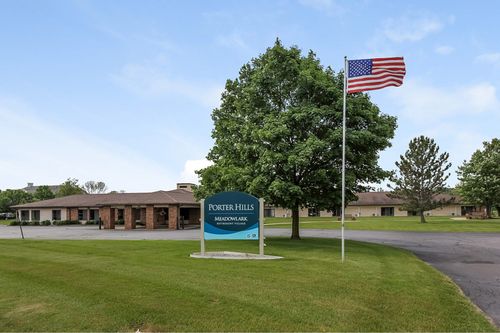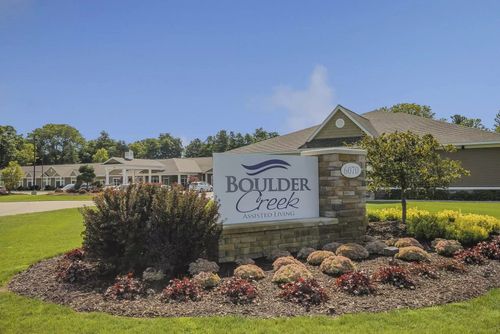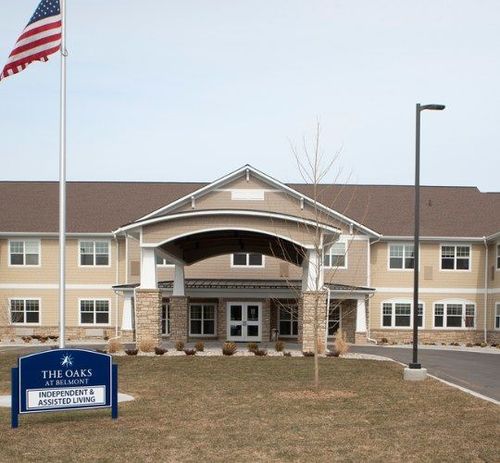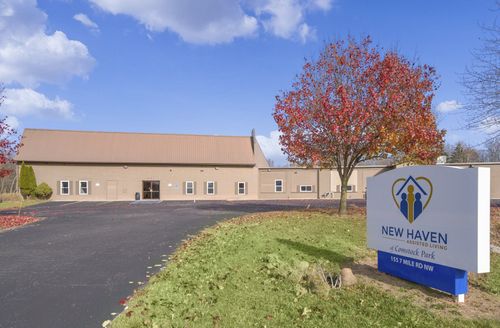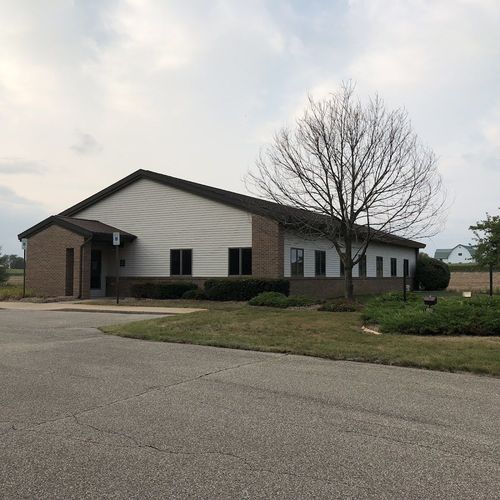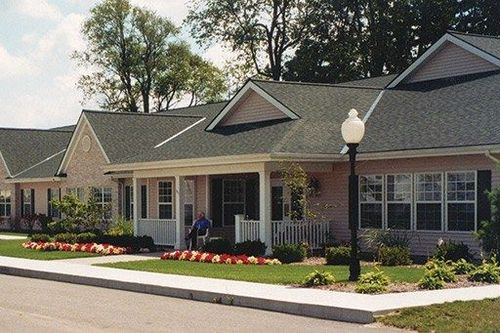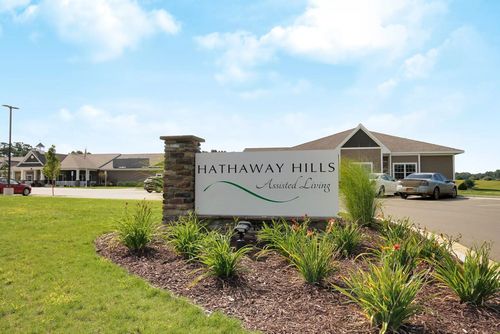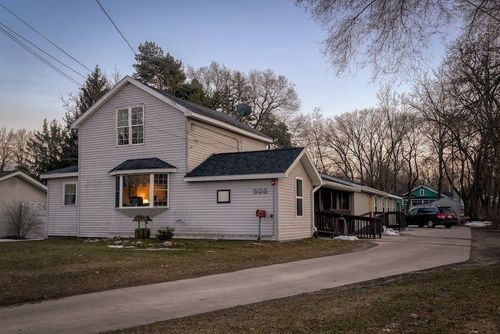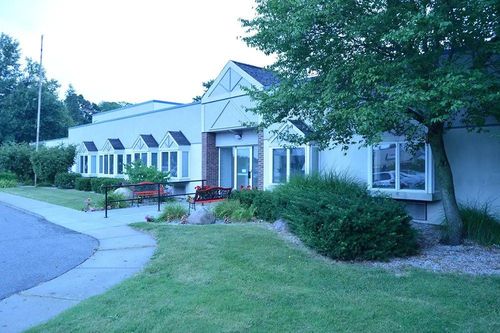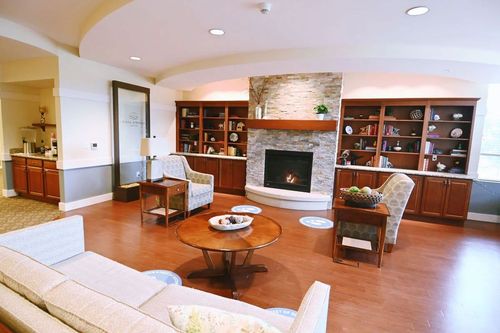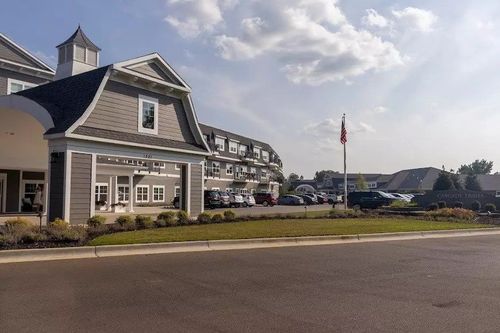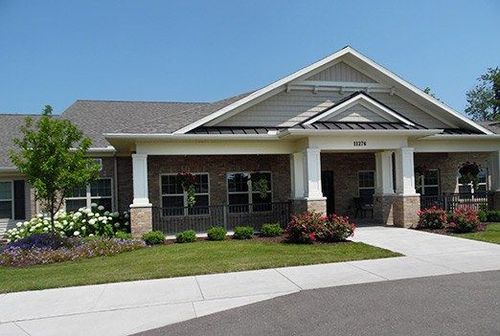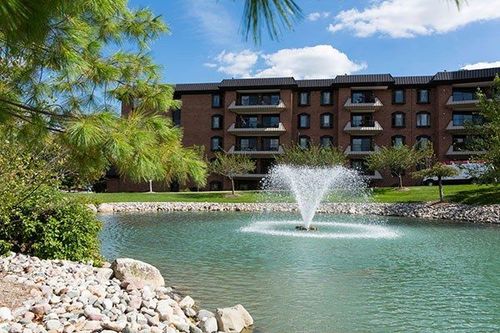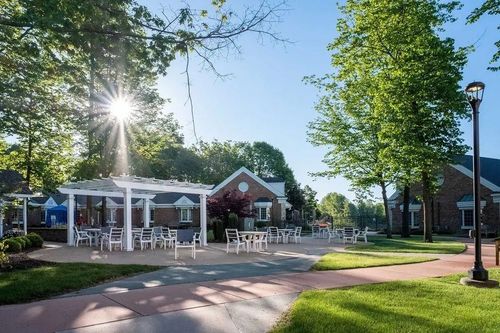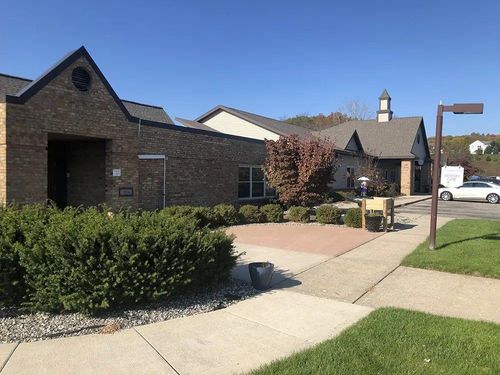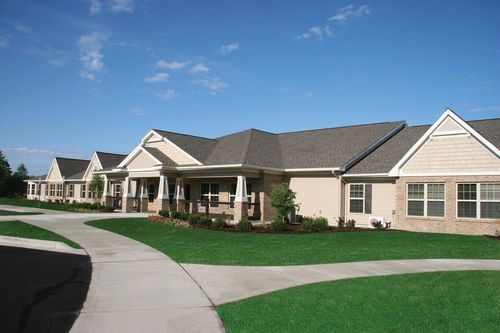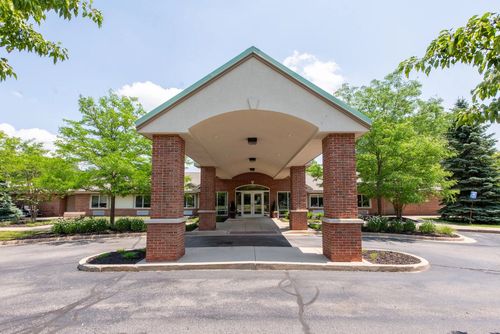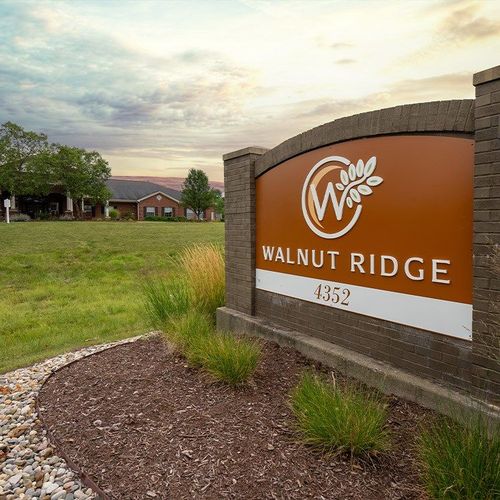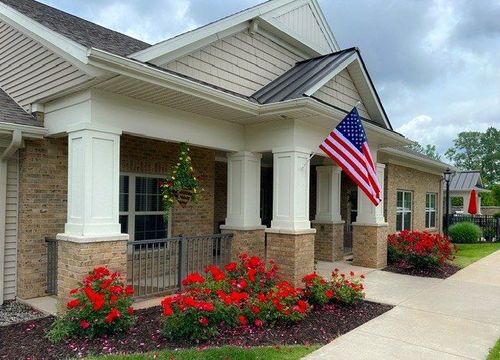
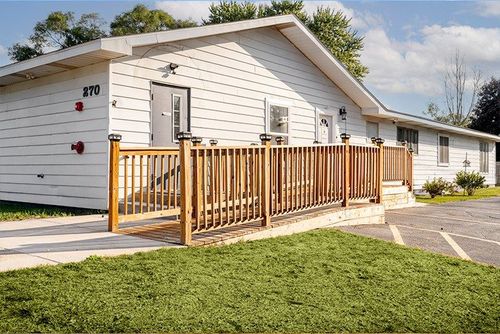

The entry rate is a poor guide to what memory care costs in Cedar Springs. Green Acres of Cedar Springs and New Haven Assisted Living of Cedar Springs both start well under what a Grand Rapids campus would ask, at $3,550 and $4,100 a month, and both then price the step into a secured room on their own terms, so the address that looks cheaper on day one is not necessarily the cheaper place to spend three years.
That matters more here than it would in a larger market, because both local addresses run the secured side and the open side under one roof. A resident who arrives needing help with the day and later needs the door watched is not moving town; they are moving along a corridor.
Moving Across the Hall Instead of Across Town
The value of that shows up at the worst possible moment, because a change in dementia rarely announces itself and a family finding a new building mid-crisis loses weeks and puts the resident through an upheaval that sets them back. In Cedar Springs the same staff, the same dining room and the same view carry over, and a routine survives the change in care level almost intact.
What the secured side adds is supervision that runs continuously rather than on a schedule: a controlled exterior door, an enclosed outdoor space a resident can use without asking, someone awake through the night, and a day cut into short predictable blocks that can be joined halfway through. Both addresses are residential in scale, so it is delivered by people a resident already knows rather than by a separate dementia team.
Why the Entry Rate Misleads
The two starting figures sit close enough together that families reasonably treat them as interchangeable, and then find the secured step priced very differently at each. One address adds a modest amount for it; the other adds roughly double that. Neither is doing anything improper, they are staffing the secured side differently, but it means the cheaper front door can lead to the dearer three-year total.
The way to compare properly is to ask both for the all-in figure at the care level a resident is likely to reach, not the one they arrive at. Neither building takes Michigan's MI Choice waiver, so what a family can carry privately, month after month, is the constraint that decides the outcome; the waiver assessment for this county is made by the Area Agency on Aging of Western Michigan, and the wait is long enough that it belongs in the planning rather than the emergency.
A Town at the County's Northern Edge
Cedar Springs sits about twenty minutes up the highway from Grand Rapids, far enough that it functions as its own place rather than a suburb, and its two houses fill mostly from the townships around them. Kent County is younger than Michigan overall, roughly one resident in six past sixty-five, but that figure is a Grand Rapids average and the northern townships sit well above it.
Because both buildings are house-scale, the number of secured places in town is genuinely small. Openings arrive singly and are taken quickly, which is the practical reason to know both addresses before there is any urgency.
What Keeps Families in Cedar Springs
Distance does most of the work here, and an adult child living in Rockford or Sparta reaches either house in a few minutes, and in dementia care the frequency of visits does more good than the quality of the furniture, because recognition holds longer in someone who sees the same faces several times a week.
The support around the town helps as well, since North Kent Connect in Rockford runs the food programmes that cover this corner of the county for anyone past sixty, and the Grand Rapids hospitals are a straight run down one highway, so a resident who moves into either house keeps their doctors, their pharmacy and their records exactly where they were.
What an Advisor Brings to Northern Kent County
A Local Senior Advisor working this end of the county knows which of the two houses has a secured place free rather than promised, what each will actually quote once a resident has been assessed, and how far each has carried people before asking a family to look again. In buildings this size the answer often comes down to which caregivers have stayed, and that is not something a rate sheet records.
The narrowing is quick once the real inputs are down: what the assessment says, what the household can hold monthly across several years, and how often family can drive over. Getting those three settled in a short conversation usually saves more time than another round of tours.
The Cedar Springs directory continues to grow as we evaluate providers for quality and alignment in 2026. Start the conversation about memory care in Cedar Springs, or scan the buildings we cover at your own pace.