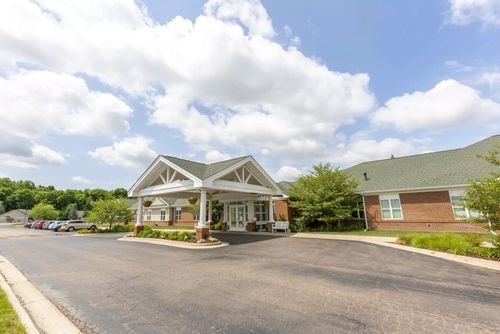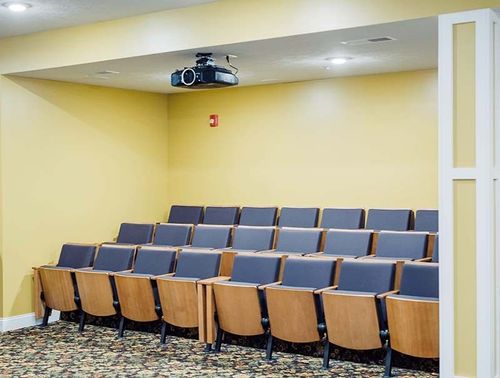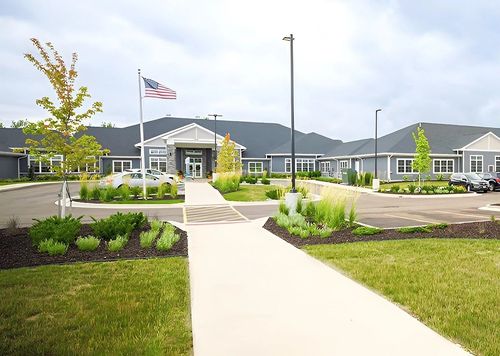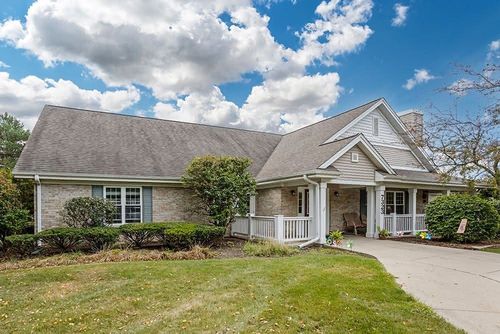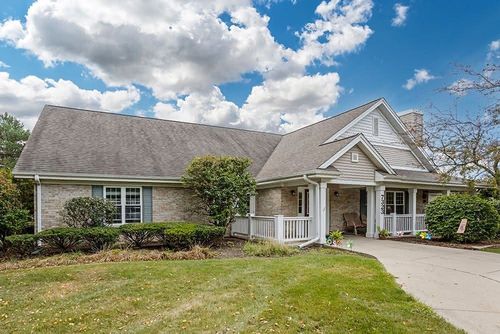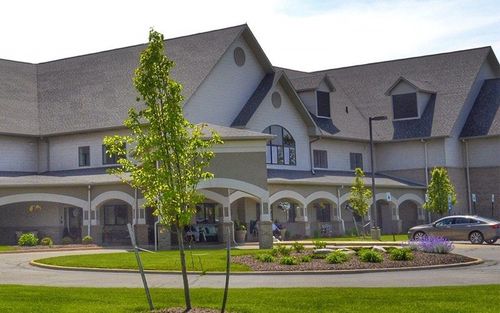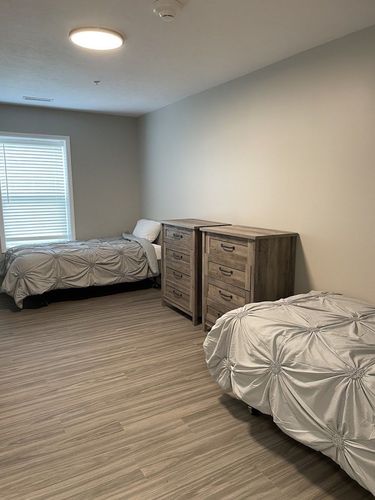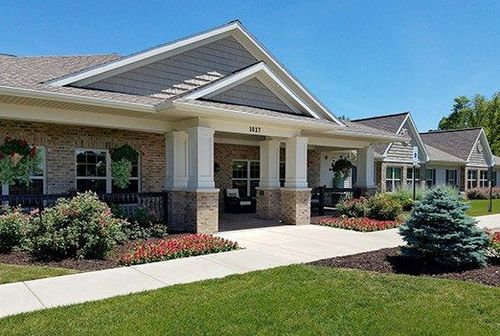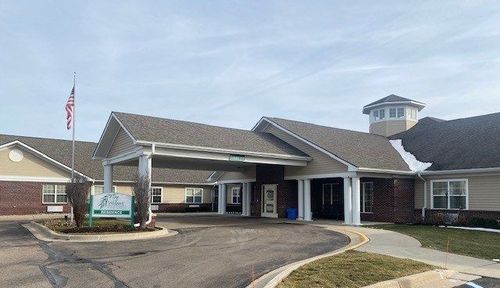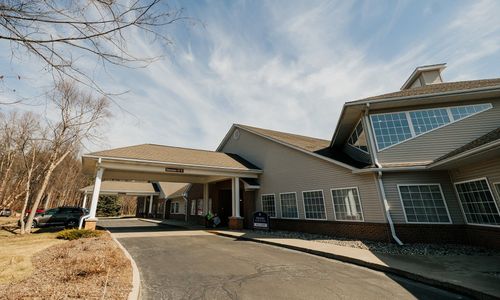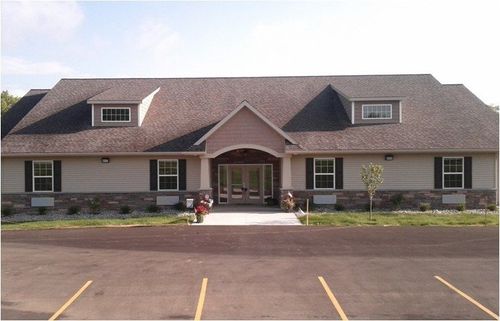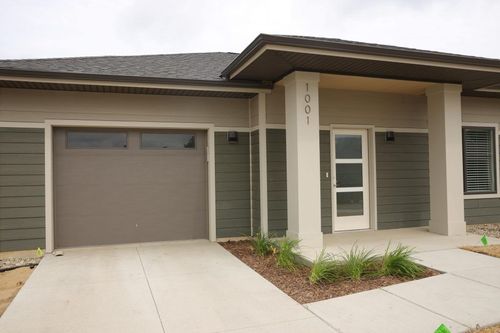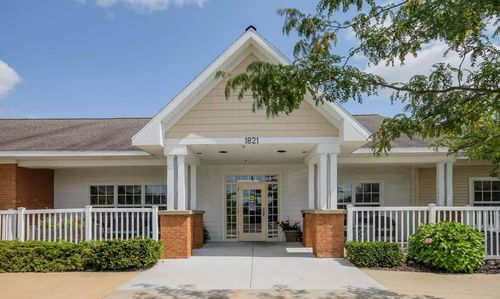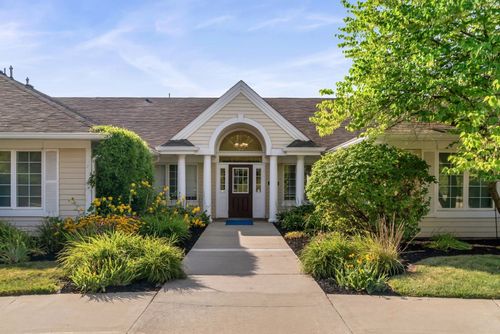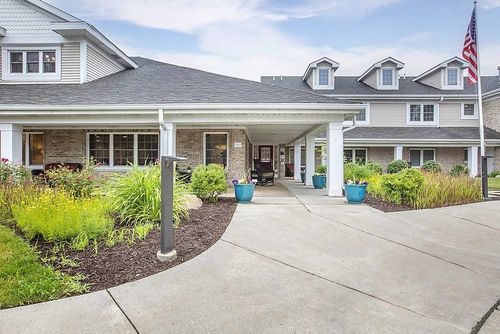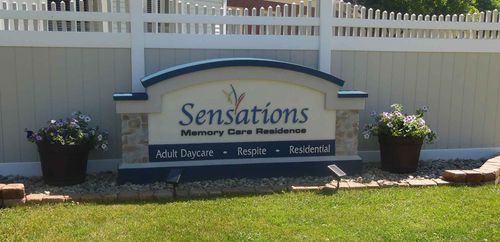
The step from assisted living into memory care usually costs a household a great deal. In Charlotte it costs very little, and the reason is structural rather than generous: Sensations on East Shepherd Street is a residential home in which every bed is already a memory-care bed, so the secure line runs around the whole property rather than around a corridor inside it.
That inverts the usual economics, since elsewhere a family enters at the assisted level, watches the secured tier sit far above it on the price list, and delays the move as long as possible. Here the second step is short, because there is nothing to build and no separate staffing model to fund.
A Secured House, an Assisted-Living Room
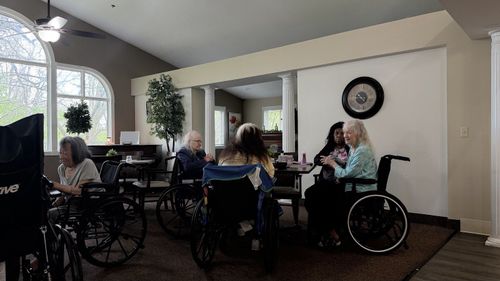
Day to day, an assisted-living room here provides the ordinary things. Medication is given on schedule and logged, a carer is on hand for washing and dressing at the resident's own hour, the kitchen adapts as appetites move, housekeeping and laundry cease to be anyone's chore, and nights are staffed by people who are awake.
The difference is the envelope, because with the whole house secured and every resident lives with memory loss, the daily routine is calibrated for that from the start: the tempo, the volume and the manner in which a muddled question is answered are not compromises between two populations. What that gives a resident whose memory is beginning to change is an environment that already fits them. What it costs is variety, since the house is quiet and its calendar small, and someone with no cognitive change who wants a crowd at dinner will feel that.
A Short Step Rather Than a Cliff
Assisted living at Sensations is quoted at $5,000 a month for 2026, with the memory-care level priced a short distance above it. In most Michigan markets that second figure is thousands higher, because a secured neighborhood inside a general building carries its own staffing ratio and its own overhead, whereas here it barely moves.
For a household planning several years ahead, that is the single most useful fact about the town. A resident who enters at the assisted level and later needs secured care does not face a rate that resets the budget, and a family does not have to choose between the right level and an affordable one. The building does not accept Medicaid, so this is private money, and Michigan's MI Choice waiver offsets hands-on care and nothing else. Get both figures in writing at the outset, since the whole argument for the address rests on the gap between them.
One County Seat, One House
Charlotte is the Eaton County seat, sitting south-west of Lansing in farming country that has aged the way rural Michigan generally has. Its senior living is this single address, and a residential home of that size serves the surrounding townships as well as the city.
Supply of that shape makes timing the governing variable rather than choice. Rooms open occasionally and without a schedule, there is no queue to be placed on, and the households already known to the house are the ones told when something is coming free. That introduction costs an afternoon and is worth considerably more later.
Why Eaton County Families Stay in Charlotte
Charlotte works as a town rather than a commute, with a courthouse square, a working main street and a population that largely stayed put, so a resident moving within it keeps their church, their shops and the neighbors who will actually visit.
Medical care is genuinely local for most of what an older resident meets. University of Michigan Health-Sparrow Eaton on East Packard Highway is a critical access hospital of twenty-five beds with an emergency department staffed around the clock, alongside surgical services, a breast care center, an oncology and infusion center, and orthopedics. The larger Lansing hospitals sit a short drive north.
What a Local Advisor Brings to Charlotte
The first question in Charlotte is not price but suitability, because a house where every resident lives with memory loss is a specific proposition rather than a general one. An advisor working Eaton County can say plainly which residents settle well in that environment and which find it too still, and that judgment is far cheaper to get right before a move than after.
The second is timing and terms in a one-address town. Knowing when the house expects a room, what the assessed figure has actually been, and what would eventually exceed what it can manage turns a single option into a plan. If a diagnosis is in hand and nothing is urgent yet, a short conversation now is worth more than a tour in six months.
We keep expanding our Charlotte coverage as we evaluate providers for quality and alignment in 2026. Start the conversation about assisted living in Charlotte, or scan the buildings we cover at your own pace.