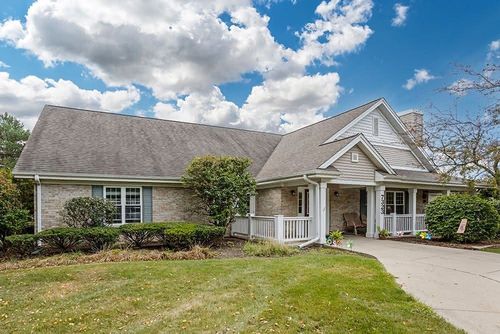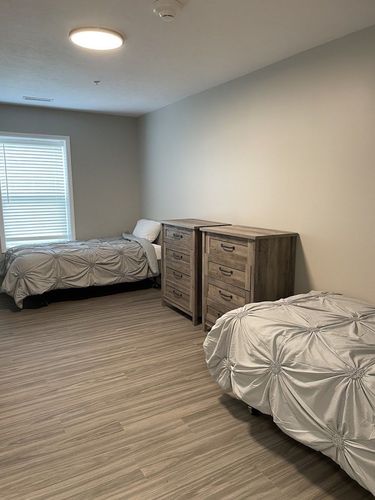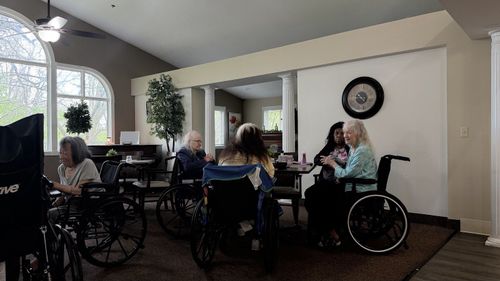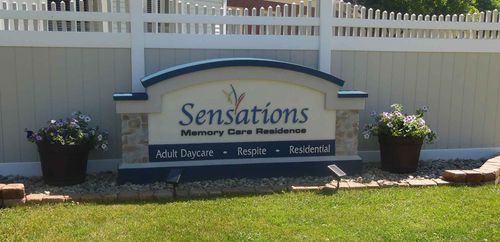
Families comparing home-style care around Charlotte notice the price spread before they notice anything else, and it puzzles them. Licensed houses across Michigan can differ by a third or more in what they charge, and the reason has almost nothing to do with the building. The listing here carries a monthly figure of $5,000, and what sits behind a number at that end of the range is care intensity rather than square footage. A small number of local addresses offer this kind of setting, Sensations among them, and understanding what drives the rate is the first useful step in judging whether one of them fits.
What Actually Sets the Rate
Staffing is the product in a house with a short resident list. Somebody has to be present overnight whether four people are asleep upstairs or fourteen, and a resident who needs two staff to move safely, help through the night, or close supervision because of dementia consumes considerably more of that staffing than a resident who mainly needs meals, reminders, and company. Rates in this part of the market follow the person rather than the address.
The second factor is what a house is equipped and licensed to handle. A home set up to keep somebody through advancing dementia, with the staffing and the physical arrangements that requires, operates differently from one serving residents who are largely steady and need light assistance. Neither arrangement is better in the abstract, because they are answers to different questions, and a family that establishes which question applies to their own situation stops comparing figures that were never comparable.
Where the Money Goes Around Charlotte
A standard base takes in the bedroom, the meals, laundry and housekeeping, assistance getting through a day, support with medication, and staff on duty around the clock. Anything medical or specialist generally sits outside that, meaning physician visits, therapy, medical supplies, and in some houses incontinence products, alongside whatever a resident spends on themselves.
Against the apartment-style communities twenty minutes up the interstate toward Lansing, a figure at this level is comparable rather than obviously higher or lower, which is worth saying plainly because households often assume a house must undercut a campus. It does not, and the reason is the same reason the care is different: a low ratio of residents to caregivers costs money to sustain. Payment here is largely private, with Michigan's MI Choice waiver able to fund the care portion, never the housing, for somebody who clears both a financial test and a clinical assessment, and only where a house has enrolled as a provider.
Choosing Between the Local Houses
Start from the person rather than from the price. What a resident needs today, and what they are likely to need in two years, determines which houses can genuinely serve them, and only then does the figure attached to each become a fair comparison. Working the other way around leads households to rule out the one house that could actually have kept somebody through the whole of it.
The supply picture in Eaton County is what it is everywhere at this scale. A house cannot add a bedroom, so a place opens when a resident leaves, which is neither frequent nor foreseeable. Discharges from the hospital here in Charlotte arrive on a clinical timetable rather than a household one, and a family that starts looking while a need is still hypothetical ends up choosing rather than accepting.
What a Local Advisor Brings to Charlotte
The things that separate two licensed houses do not appear in any listing and are not really price questions at all. How high a house will go on care before it asks a family to move somebody. Whether the overnight caregiver actually stays awake through a shift. What happens on the evening a resident becomes distressed and refuses to go to bed.
An advisor covering Eaton County holds those answers for the local houses alongside the larger buildings toward Lansing, so a household compares like with like rather than guessing. Where home-style care in Charlotte is being weighed up, talk it through before the price alone decides anything.
We keep expanding our Charlotte coverage as we evaluate providers for quality and alignment in 2026. Start the conversation about residential care homes in Charlotte, or look through the buildings we cover at your own pace.