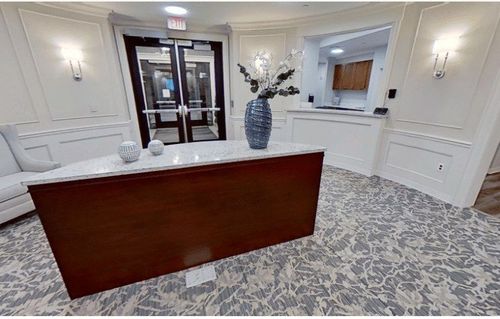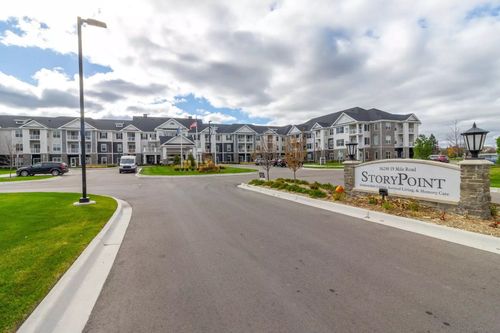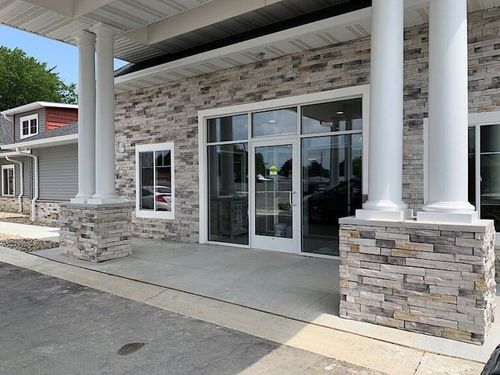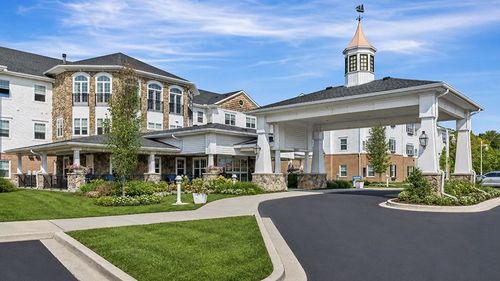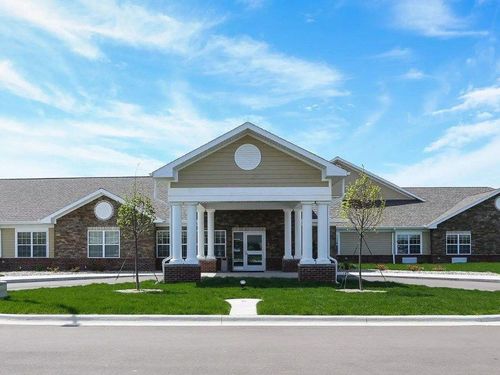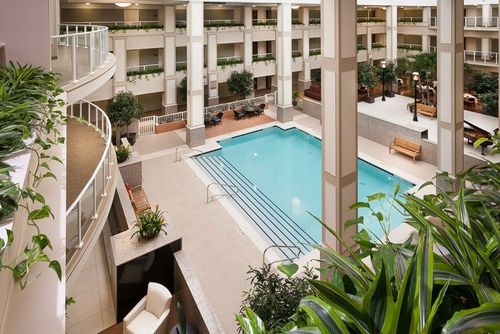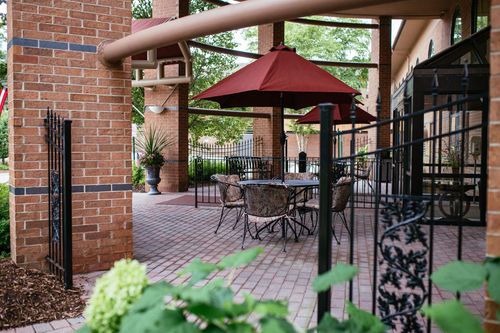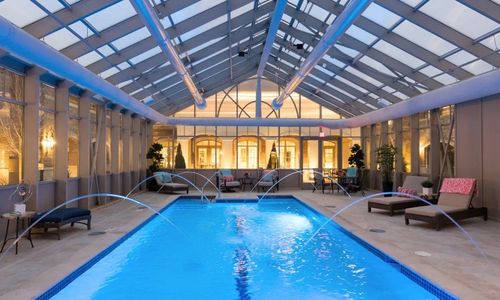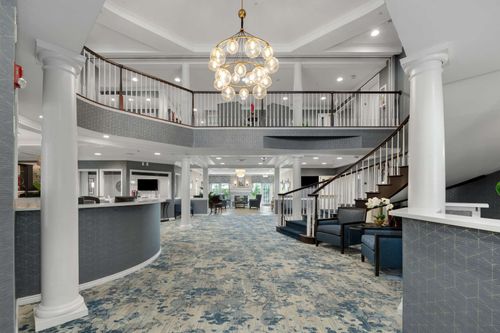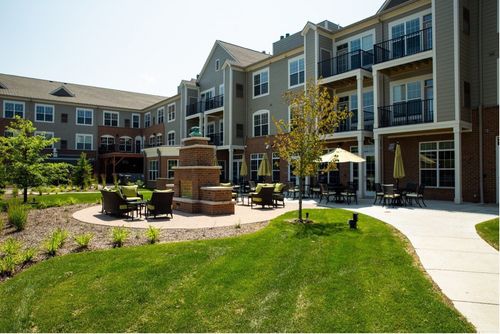
Chesterfield Township went from farmland to a place of forty-five thousand people in about two generations, and its senior housing did not expand at the same rate. What the township has instead is one substantial continuing-care address. The Village of East Harbor runs apartments, assisted living, a secured dementia section and nursing beds on a single property near the top of Lake St. Clair.
That shapes the independent-living decision here in a particular way. Choosing an apartment in Chesterfield is not really choosing an apartment. It is choosing a campus, and a household that grasps this at the start asks better questions than one that arrives thinking about square footage.
Housing First, Care Later
An apartment on a continuing-care property is still only an apartment, and the point needs stating because sharing an address with three levels of care leads people to assume some of it comes along. Medicines stay the resident's own business, no assessment sits behind the lease, and the front desk does not keep track of who is out.
What arrives instead is the removal of a household's weekly work. The cooking and cleaning belong to somebody else, laundry is done, the yard and the mechanical systems and the repairs stop existing as a category, most utilities collapse into a single payment, transport runs to appointments and shops, and an activity program waits for whoever wants one. A pull cord by the bed exists for emergencies and should not be mistaken for supervision.
Paying for an Apartment on a Continuing-Care Campus
The apartment prices below every level of care on the same property, which is what happens when a monthly figure covers a home and its services and nothing else. It behaves like rent, so a change in a resident's health does not move it, and that stability is the strongest financial argument for arriving early rather than at the point of need.
The rates that deserve interrogation belong to the rungs above. A household planning fifteen years ought to know what assisted living, the secured section and the nursing beds charge now, what an assessment adds, and how much warning precedes an increase. Worth learning as well is what happens to somebody already on the property when a care room opens, because a continuing-care campus sells continuity and continuity is a matter of written policy rather than goodwill.
A Township That Filled Up Fast
Macomb is not a young county, with close to one resident in five past sixty-five, and Chesterfield holds a sizable share of them in subdivisions built for young families in the nineteen-eighties and nineties and occupied by the same people thirty years on.
That produces a particular kind of demand, because the households looking at apartments here are not moving to Chesterfield, they are staying in it, usually within a few miles of the house they are selling. Apartments on one campus in a township this size therefore turn over rather than sit empty, and the households who get the layout they wanted are the ones who put a name down before the house became a problem.
Why Anchor Bay Households Stay North
The reason is visitors, and it is the least sentimental argument available. Adult children in New Baltimore, Macomb Township, Harrison Township and the communities along the bay are all inside twenty minutes, and a twenty-minute visit becomes a habit while an hour's drive stays an intention.
Hospital access does not require moving south either, since Henry Ford Macomb in Clinton Township carries 361 beds, Level II trauma verification and primary stroke certification, and McLaren Macomb in Mount Clemens carries 288 teaching-hospital beds with the same trauma verification. Anything needing a Level I center goes to Henry Ford St. John in Detroit, which is the far end of a freeway rather than the far end of the state.
What a Local Advisor Brings to Chesterfield
On a campus like this one an advisor's value concentrates in the years nobody is looking at yet. What each level charges, what an assessment does to a rate, how a move between levels is decided and how fast it happens, and what residents who have already moved actually experienced: those facts decide whether a continuing-care promise holds.
There is a funding point as well, better understood early than late. Michigan's MI Choice waiver pays somebody to help with washing, dressing and medicines, and an apartment supplies none of that, which puts it outside the program entirely, and no Chesterfield residence currently bills the waiver at any level. A household planning a long stay here is planning around private funds, and that arithmetic is far easier fifteen years out than eighteen months out. If that is the horizon, it is worth a short conversation.
We keep expanding our Chesterfield coverage as we evaluate providers for quality and alignment in 2026. Reach out for a conversation about independent living in Chesterfield, or browse the communities we have vetted at your own pace.