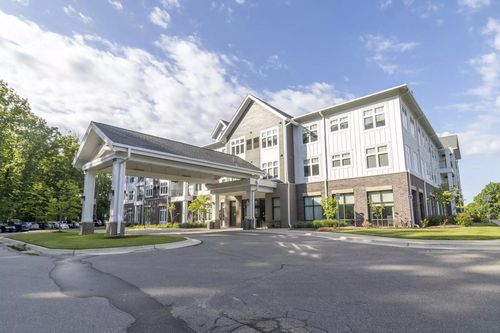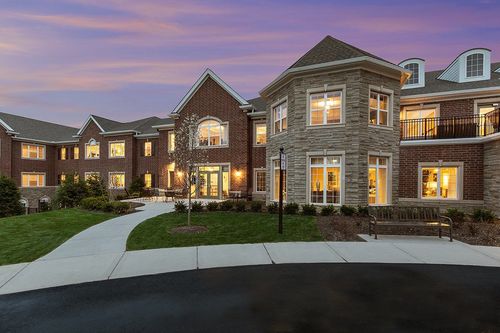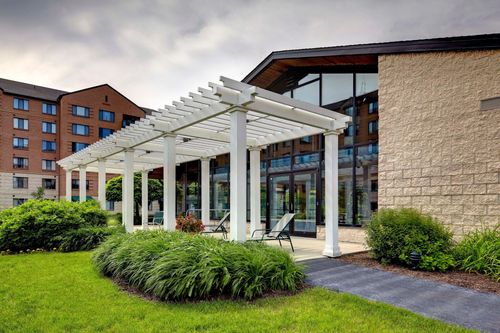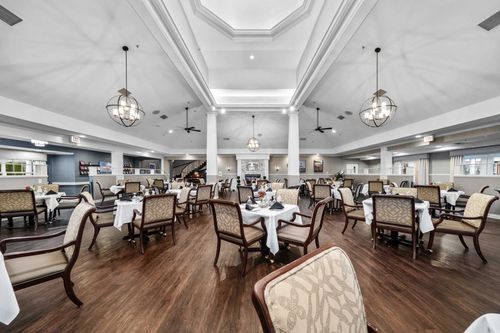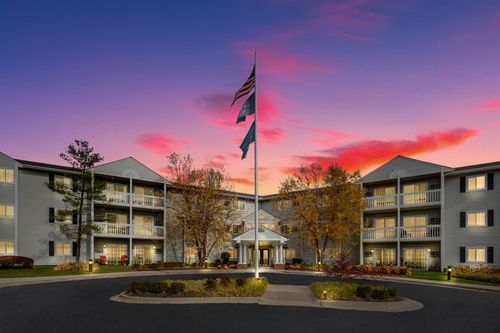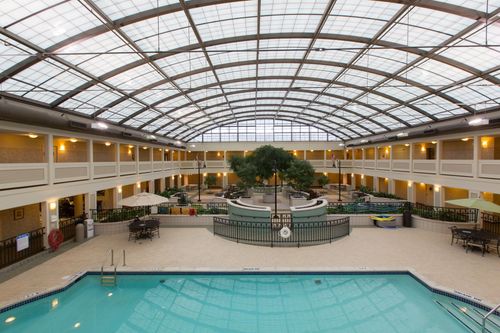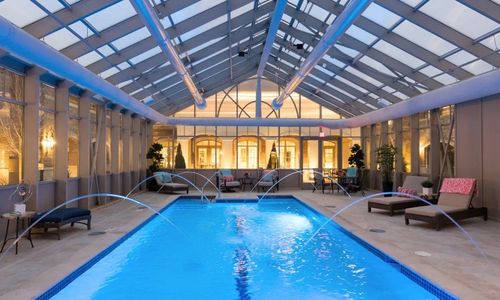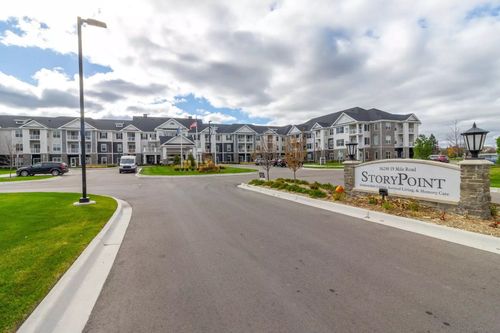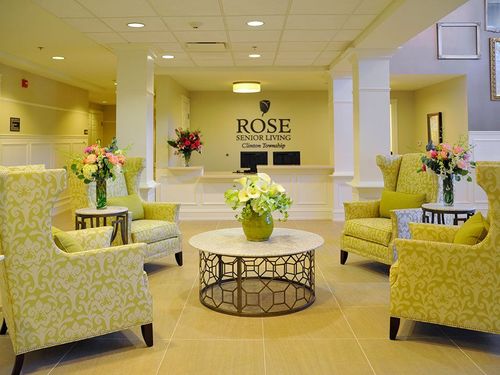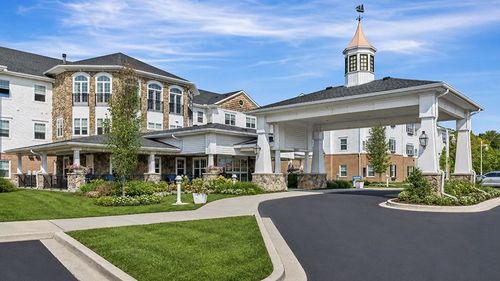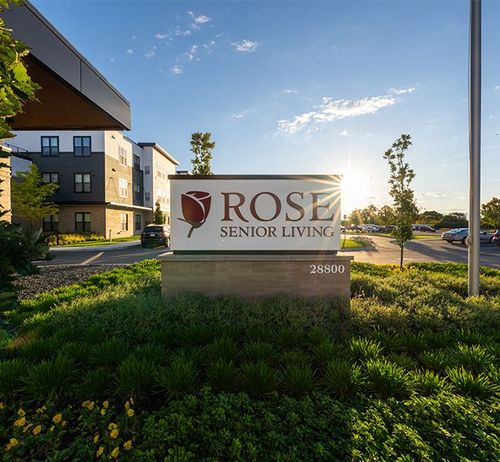
Farmington Hills has built its senior living around dementia care. Roughly half of the city's senior-living beds sit behind a secured door, spread across four addresses, and two of those buildings do nothing else. Independent apartments exist at exactly one of them: Rose Senior Living Farmington Hills on West Eleven Mile, the 1 matching community, where assisted living and a secured neighborhood share the same campus.
That shape has a consequence for anybody looking at an apartment. The city's market is deep where care is concerned and thin where housing is, so a household choosing this level is not comparing options; it is deciding whether one campus, with unusual depth behind it, is the right place to spend the next several years.
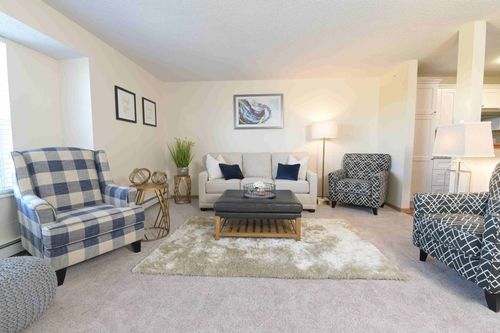
An Apartment on a Campus Built for Care
Independent living remains housing rather than care wherever it sits. The rate takes in the apartment, the dining room, housekeeping and the maintenance of the building, and it stops there. Residents keep their own physicians and their own routines, handle their own medicines, and nobody is monitoring them.
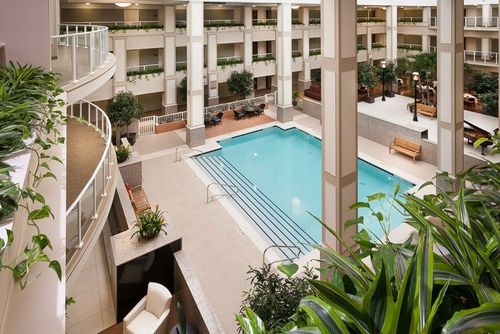
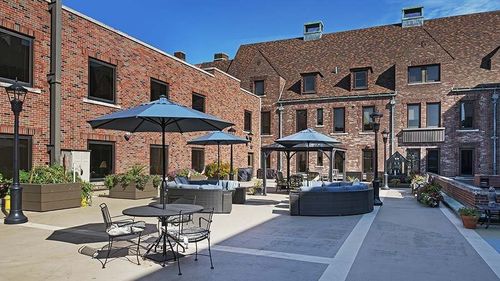
What the campus around them offers is depth if it is ever wanted. Because assisted living and a secured dementia neighborhood are on the same site, help can be bought as a service and a later change of health need not mean a change of address, which in a city with only one apartment tier is worth more than it would be somewhere with alternatives. The trade is a commitment to one campus with no local fallback, so the first visit deserves more scrutiny than it would elsewhere.
Comparing a Rate With No Local Comparison
An independent living figure prices accommodation: the size of the apartment, its layout, the meals and the upkeep. Care is bought on top of it later, which is why an apartment rate from one building and a care rate from another are not numbers that can sensibly sit side by side.
With one apartment tier in the city, the comparison has to be made inside the building instead. Ask what the figure includes, ask what assisted living on the same campus costs, and ask what the secured neighborhood costs, because those three numbers together are the actual shape of a decade rather than of a year. Michigan's waivers fund care and not housing, so nothing public reaches an apartment rate, and this campus bills no Medicaid at any of its levels.
A City With Outsized Dementia Capacity
Oakland County's older population runs to a great many people, and Farmington Hills carries an outsized share of the county's dementia capacity for a city its size. Memory care here is not an add-on to the senior-living market; it is close to half of it.
For a household at the apartment level that produces an unusual pattern. Care rooms are comparatively plentiful, apartments are not, and the apartments that exist turn over slowly because residents who arrive well tend to stay for years. There is no respite arrangement at this level either. Getting known to the campus well ahead of a move is the only reliable way to be in position when a particular apartment frees up.
Why Households Stay in Farmington Hills
The people who move into apartments here have generally lived in the area a long time and have no wish to leave it. The house has become the main occupation of a week, or one member of a couple has had a health scare that put the staircase in a different light, and the move gets made while it is still their own decision.
Staying in the city keeps the rest intact, since the physicians a household has used for years stay the same, Oakland County's hospitals sit within a familiar drive rather than a new one, and adult children living elsewhere in the county are making the trip they already make. That continuity is the largest part of what a local move preserves.
What a Local Advisor Brings to Farmington Hills
Where a city has one apartment tier, the advisor's work is about the terms rather than the shortlist. A Local Senior Advisor covering western Oakland County knows how often apartments come free at the campus, what care costs once it is added to a rate there, and the criteria the building uses when it judges a resident should move up.
That last point carries more weight in a city whose market leans this heavily toward dementia care, because the path from an apartment into a secured neighborhood is one many households here eventually walk. Understanding the terms of it in advance turns a hard year into a manageable one. It is worth a short conversation while nothing about it is pressing.
We keep expanding our Farmington Hills coverage as we evaluate providers for quality and alignment in 2026. Reach out for a conversation about independent living in Farmington Hills, or look through the communities we have vetted at your own pace.