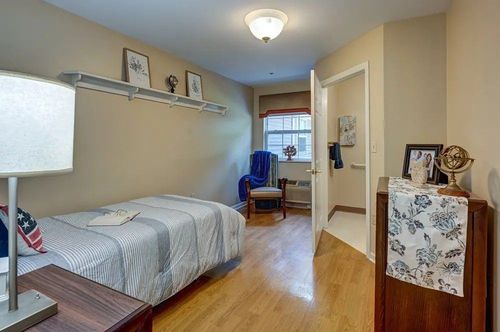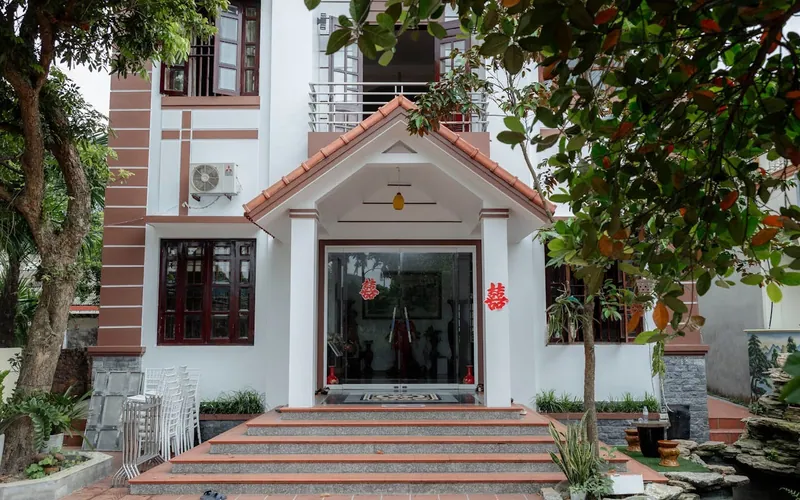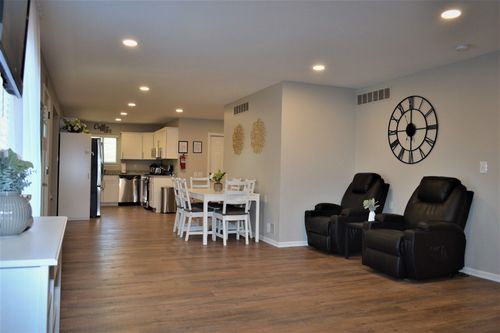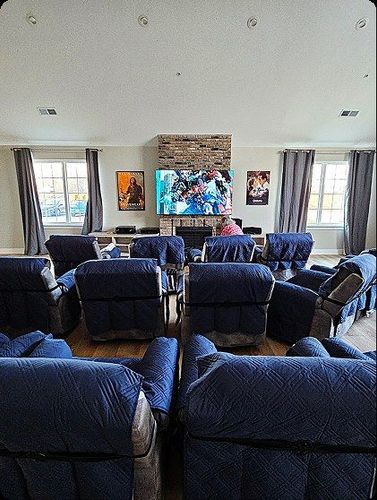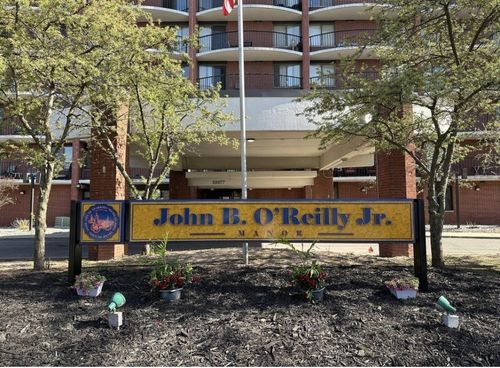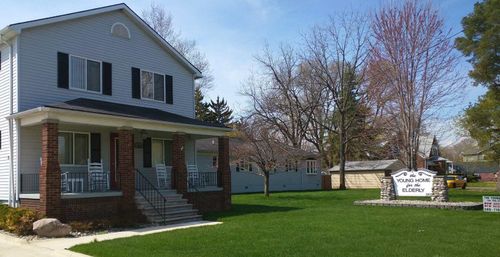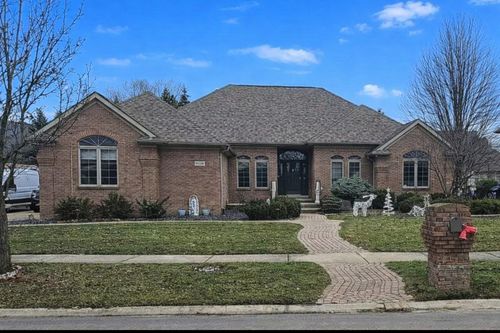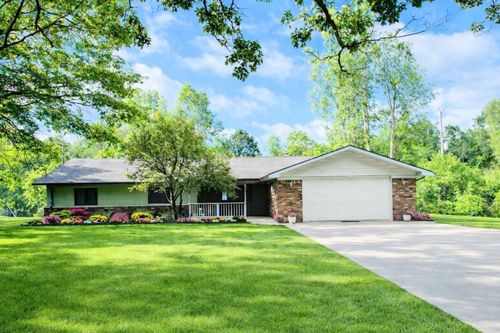
Farmington Hills is not a place short of senior living. Large communities sit along the main corridors of this part of Oakland County in numbers that most Michigan towns never see, which means a family choosing a house instead is choosing against a genuine and well-provisioned alternative. Courtyard Manor Farmington Hills II works at that household scale, from $4,500 a month. Deciding for it should therefore rest on something specific about the person rather than on a general preference for smallness, because in this suburb the larger option is not a distant abstraction but four minutes down the road.
The Resident a Household Suits
Scale affects some people and not others, and the difference is not subtle once you look for it. A resident who becomes agitated in a busy dining room, who cannot navigate a building with several corridors, or who withdraws when there are too many unfamiliar faces will do materially better in a house of a few people than in a community of two hundred, however good the larger place is.
A resident who is mobile, sociable and looking for something to do most afternoons will find the opposite. A household cannot generate a full week of activity, cannot supply a wide circle of new acquaintances, and does not have clinical staff walking the building. Those are real advantages of scale, and the communities nearby deliver them properly. Choosing between the two is a matter of matching a temperament, not of ranking two products.
What the Rate Reflects
At $4,500 a month the figure is close to all-inclusive and sits in the middle of the range small Michigan houses publish. It moves with the room, with how much hands-on help a resident uses and with what the house spends keeping competent people awake overnight, and a resident needing two people for transfers, or repeated attention after midnight, lands far heavier on a household of a few people than on a building that already has staff standing on every floor.
That carries a planning consequence worth facing early rather than late. Because these arrangements run for years rather than months, the number to work out is how long a family's resources will carry the rate, and the answer sometimes points toward a different setting at a different price rather than toward this one. Working it out at the start is uncomfortable and considerably better than discovering it in year four.
The Question Most Families Do Not Ask
Every house will happily describe what it does today. Far fewer are asked what they have done in the past when a resident's health declined, and that is the question whose answer predicts a family's own future. A house that has supported people through significant decline will say so in detail, name the point at which it could go no further, and explain what happened next. A house that has not will move the conversation on.
The related question is what happens on a bad night. In a household of a few residents, a caregiver calling in sick is an operational problem rather than a rota adjustment, and how a house covers that gap tells you more about it than any tour will.
What a Local Advisor Brings to Farmington Hills
An advisor working this part of Oakland County knows what this house has actually handled, how the overnight cover is genuinely arranged, and whether a room is free now, none of which is published.
The same advisor can put the household option honestly alongside the larger communities a few minutes away, so that a family choosing a house is choosing it for a reason that applies to their own relative. Where that choice is being weighed, it is worth a short conversation before the visits begin.
Our directory for Farmington Hills continues to grow as we evaluate providers for quality and alignment in 2026. Reach out for a conversation about residential care homes in Farmington Hills, or browse the communities we have vetted at your own pace.