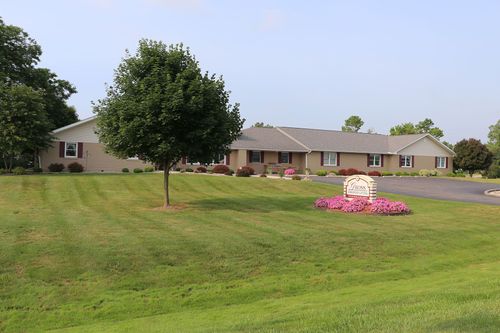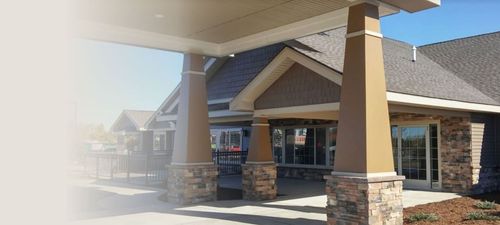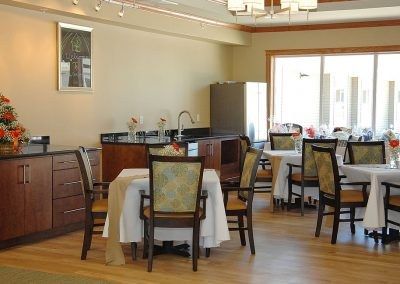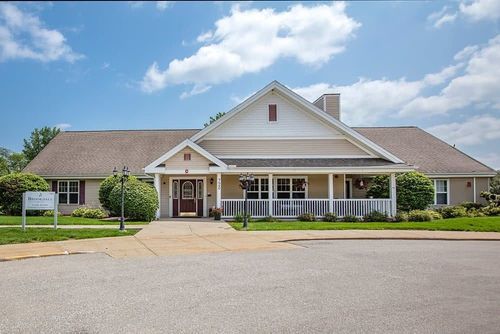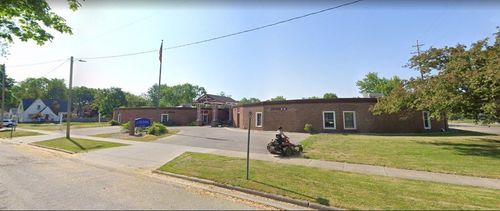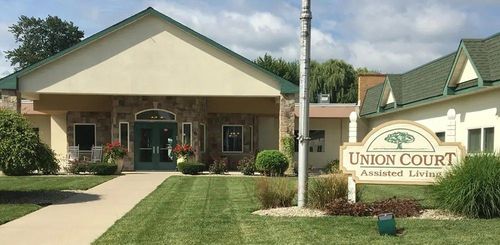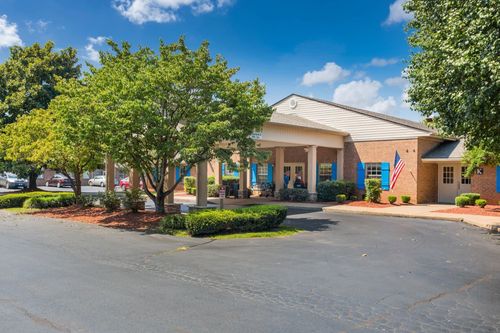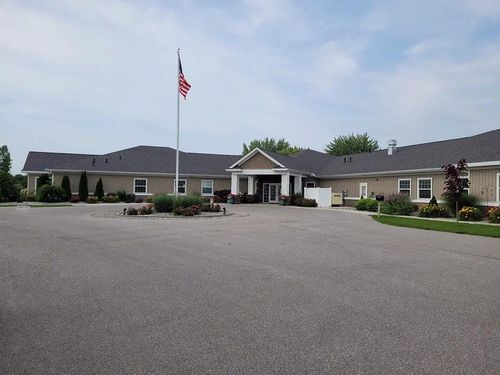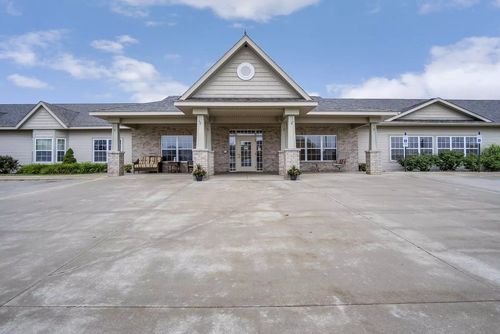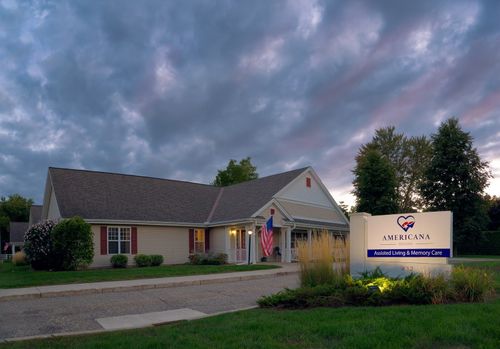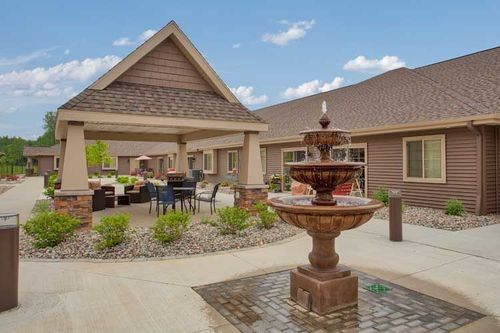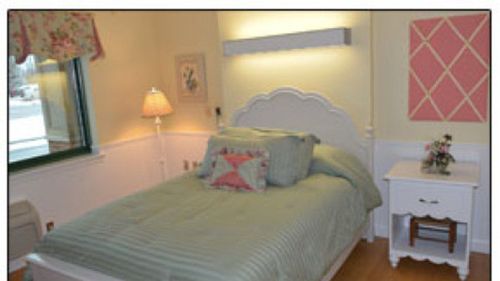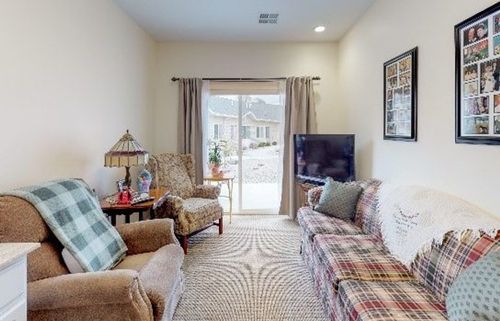
Frankenmuth has one address doing secured dementia care, Covenant Glen Memory Care, and a town built around people arriving from somewhere else. Those two facts turn out to be connected in a way that matters. A resident here is a short walk from a main street that stays busy through the year, and the relatives who visit are usually combining the trip with something, which in dementia care counts for more than almost any feature inside a building.
The single address also sets the terms, because with nothing to compare, the work shifts to two questions: whether this building suits the person, and what a family does in the weeks when it has no room. Households that answer both before anything turns urgent do far better than those that answer only the first.
What Secured Care Provides, and What It Asks
Dementia care runs on repetition rather than variety: the same faces at the same hours, meals that arrive when they always arrive, an exterior door under control, an enclosed outdoor space a resident can use without asking permission, staff awake overnight rather than sleeping on call, and activity broken into pieces short enough to join late. None of it is decorative; it is what lets somebody who cannot hold a sequence in their head get through a day without being frightened by it.
What a building asks in return is honesty about where a resident actually is, because families often present the best version of a parent at assessment and the placement then comes under strain within a month. Name the difficult things directly: the nights, the refusals, the moments somebody is not recognised. Frankenmuth also keeps primary care in town on North Main Street, so the doctor who has known a resident for years stays in the picture.
What the Monthly Figure Is Made Of
Published pricing starts at $5,300 a month in 2026. The room rents for a set figure and everything after it is hours: the caregivers a transfer takes, the hands-on share of the drug round, whether nights are settled, and how much dressing and washing need doing. The building re-prices as those change rather than holding a rate for a whole stay.
No local address takes Michigan's MI Choice waiver, which changes the order in which a family should do things. If public money is likely to matter eventually, the thing to file first is the waiver assessment rather than the application for a room, because the clinical judgement and the queue behind it run on their own timetable. Saginaw County families work through the regional aging agency for that, and the honest planning question in the meantime is how many years of private payment the household can promise.
Saginaw County's Older Fifth
Just over a fifth of Saginaw County is past sixty-five, a little above the Michigan share, and Frankenmuth holds a steady older population rather than a growing one.
Set against that, the town has one secured address, and dementia does not arrive on a schedule that respects local capacity. Families who have already toured and settled a budget can act on a phone call; those starting cold are usually looking at a wait.
Why Families Keep the Move Inside Frankenmuth
The town does something for visiting that larger places do not, being compact, walkable, and full of somewhere to take a resident that is not a lounge, which turns a visit into an outing rather than a vigil. For a family driving up from Saginaw or Flint that changes how often they come, and frequency is the most useful thing anyone can give somebody with dementia.
Familiarity accounts for the rest of it, since a resident who has known these streets for fifty years reads them without effort, and the church, the shops and the people at them stay where they were. Keeping those cues is one of the few advantages in this situation that costs nothing.
What a Local Advisor Adds in a One-Address Town
With a single secured building, the useful questions are narrow and specific. A Local Senior Advisor can say whether there is a room now, what the assessment is likely to add to the published figure, and, most importantly, the two or three things that would make this building say no to a particular resident. That last answer prevents a family from building a plan around a placement that was never going to happen.
Where the answer is no room, the reply should be a bridge rather than a shrug: home care hours, a daytime programme, or a plan that holds a household together until something opens. Reach out before the need turns urgent and that bridge is chosen rather than settled for.
We keep expanding our Frankenmuth coverage as we evaluate providers for quality and alignment in 2026. Start the conversation about memory care in Frankenmuth, or look through the buildings we cover at your own pace.