Frankenmuth, MI

Pet-Friendly Senior Living in Frankenmuth

One pet-friendly community in Frankenmuth, MI — with free, unbiased guidance from local advisors.

1
Community
1
Pet Friendly
$5,300
Avg. Monthly Pricing

Explore Pet-Friendly Senior Living in Frankenmuth

One pet-friendly community to review, with free guidance from a local advisor.

View all communities in Frankenmuth

What to Expect From Pet-Friendly Senior Living in Frankenmuth

  • Pets welcome: All 1 community welcomes pets.
  • Setting mix: 1 community in the matching set.
  • Price range: From $5,300/mo across the matching set.

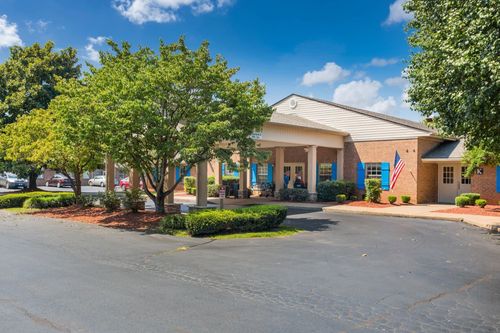
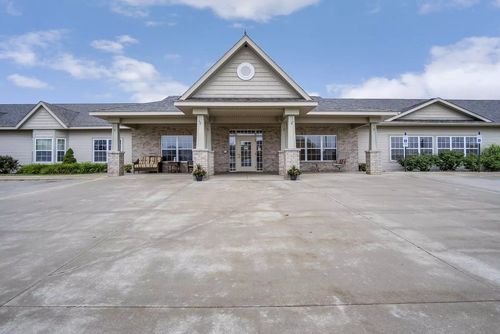
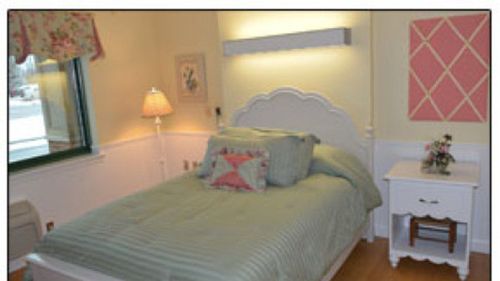
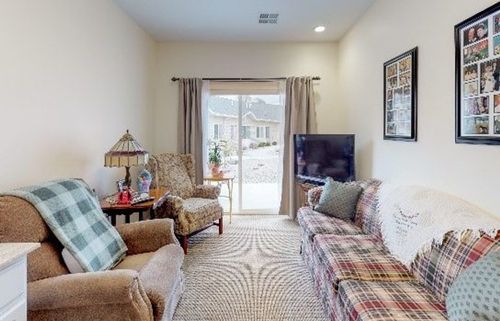
Frankenmuth's address, Covenant Glen Memory Care, is a memory care community, and that single fact reshapes the whole pet conversation here in a way it does not in most towns. Rooms at the address start at $5,300 a month. Where a building's residents are living with dementia, the question of whether an animal may come is not answered by a policy line about weights and breeds; it is answered by whether a particular resident can still look after a particular animal, and by what happens as that ability changes.

Why Secured Settings Treat Animals Differently

A community can genuinely welcome pets and still apply quite different rules inside a secured dementia neighbourhood, and the reasons are practical rather than bureaucratic. Doors in a secured setting are managed carefully, which complicates letting a dog in and out. Residents may not reliably remember to feed an animal, or may feed it repeatedly. And a small dog underfoot in a corridor is a fall risk among people who are already unsteady.

None of that means the answer has to be no. Plenty of memory care settings accommodate cats particularly well, and some run resident animals belonging to the community rather than to any individual, which delivers much of the companionship without asking a resident to shoulder responsibility they can no longer carry. What it does mean is that the question has to be asked about this building and this animal rather than answered from a general policy.

The Honest Version of the Care Question

Every community expects the resident, or a named person, to manage feeding, exercise and cleaning up. In a memory care setting that expectation deserves a franker conversation than it usually gets, because the resident's capacity is by definition changing.

The workable arrangements are the ones where a family member takes genuine responsibility from the outset rather than nominally. Somebody visits often enough to walk the dog properly, notices when supplies run low, gets the animal to a vet. Where that person exists, an animal can be a real anchor for a resident whose memory is going, since a dog remembers nothing about the diagnosis and behaves exactly as it always has. Where nobody can commit to it, the honest answer is that the animal will suffer and so will everyone around it, and better to face that before a move than three months after.

What the Money Looks Like

The published starting figure is $5,300 a month, which reflects the level of supervision a secured setting provides rather than anything about a pet. Above that sits a one-off sum taken when a resident moves in, which not every building gives back, and in many cases a recurring charge each month for the animal.

Both sums attach to pets and to nothing else. In law a trained service dog is not a pet, and neither is an animal documented as providing assistance, so no deposit or monthly sum may be applied and no weight or breed rule governs it, although the resident remains liable for damage. Guidance on documentation has been shifting in recent years, so it is a matter to raise directly with a building rather than to assume in either direction.

What a Local Advisor Brings to Frankenmuth

What this building has genuinely accommodated in recent months, rather than what a policy document suggests it might, and whether a room that suits a resident bringing an animal happens to be free, are not questions with published answers.

An advisor covering Saginaw County holds them, and can put the harder question honestly too, which is whether a particular animal and a particular resident still work together. Where the pet is central to the decision, it is worth a short conversation before a visit is arranged.

Our Frankenmuth directory keeps expanding as we evaluate providers for quality and alignment in 2026. Reach out for a conversation about pet friendly in Frankenmuth, or look through the communities we have vetted at your own pace.
Advisor Insight on
Pet-Friendly in Frankenmuth

Covenant Glen Memory Care is the Frankenmuth community accepting animals, and a secured dementia setting changes the pet question: doors are managed carefully, a resident may forget or repeat a feeding, and a small dog underfoot is a fall risk. Arrangements hold where a named relative takes on walking and vet visits.

Pet-Friendly Senior Living Near Frankenmuth

Pet-Friendly communities within 25 miles of Frankenmuth.

Frequently Asked Questions About Pet-Friendly Senior Living in Frankenmuth

Can a resident bring a pet into memory care in Frankenmuth?

Sometimes, and it depends on this building and this animal rather than on any general rule. A secured dementia setting manages its doors carefully, which complicates letting a dog out; residents may not reliably remember to feed an animal or may feed it several times over; and a small dog in a corridor is a fall risk among people already unsteady. None of that makes the answer an automatic refusal. Cats are often accommodated well, and some settings keep a community animal instead. The question has to be put to the building directly rather than assumed either way.

Who looks after the animal if the resident cannot?

A named person has to, and in a memory care setting that arrangement needs to be genuine rather than nominal. Somebody must visit often enough to walk the dog properly, notice when food or litter runs low, and get the animal to a veterinary appointment. Where that person exists, the arrangement can work well. Where nobody can realistically commit, the honest conclusion is that the animal will not be properly cared for, and facing that before a move is far better than discovering it three months afterwards.

Is a pet good for someone living with dementia?

For many people, yes, and the reason is simple: an animal remembers nothing about the diagnosis and behaves exactly as it always has, which is a rare thing in a resident's life once memory begins to fail. A familiar cat on a lap or a dog that greets someone the same way every day provides continuity that conversation increasingly cannot. That benefit is real and worth weighing in the decision. It depends entirely, though, on the animal being properly looked after, which is why the responsibility question comes before the companionship one.

What does it cost to keep a pet here?

The published starting figure at this address is $5,300 a month, reflecting the level of supervision a secured setting provides rather than anything to do with an animal. Above that sits a one-off sum collected at move-in, which not every building returns, and in many cases a recurring monthly charge for the animal. Both sums apply to pets and nothing else, since fair housing rules put a trained service dog, and an animal documented as providing assistance, outside that category entirely.

What if the answer for this animal is no?

Then it is worth establishing that early rather than late, because the alternatives take time to arrange well. Some families keep an animal with a relative and bring it to visit regularly, which preserves much of the benefit without asking a building to manage what it cannot. Some settings keep a community animal that residents share. What rarely works is moving an animal in on optimistic assumptions about who will care for it, since the consequences fall on the animal first and the resident second.

Can a family bring a dog in to visit?

Very often yes, and in a memory care setting it can be the better arrangement altogether. A visiting animal delivers much of the benefit of a resident pet, the recognition and the physical comfort, without asking a building or a resident to manage daily care that neither may be able to sustain. Buildings usually ask for the same vaccination records they would for a resident's animal and expect it to be leashed and supervised throughout. For a family weighing whether a beloved dog should move in at all, a regular visiting arrangement is worth considering seriously rather than treating as second best.

More Senior Living in Frankenmuth

Get Help Finding Pet-Friendly Senior Living in Frankenmuth

Our local advisors know every pet-friendly community in Frankenmuth personally. Get free, unbiased recommendations tailored to your family's care needs, budget, and location preferences.

Free service · No obligation · We only recommend what's right for you