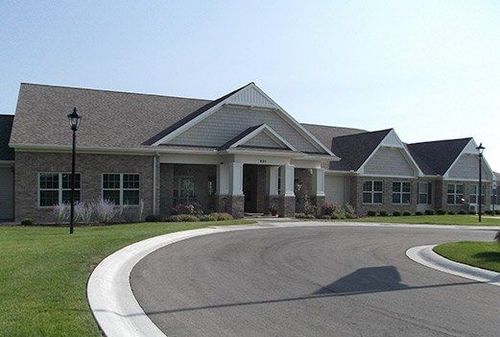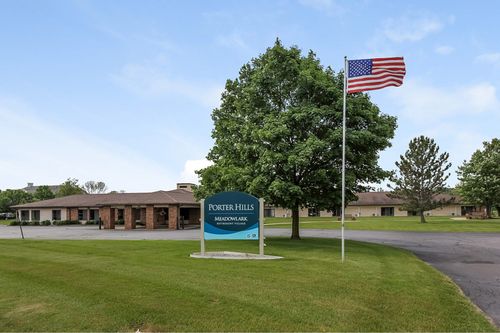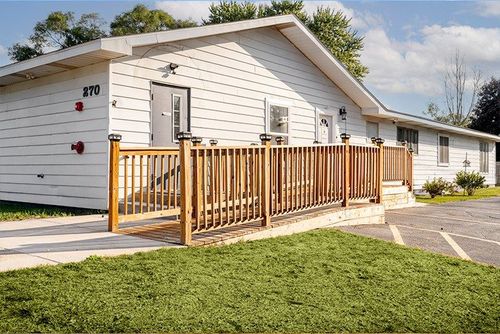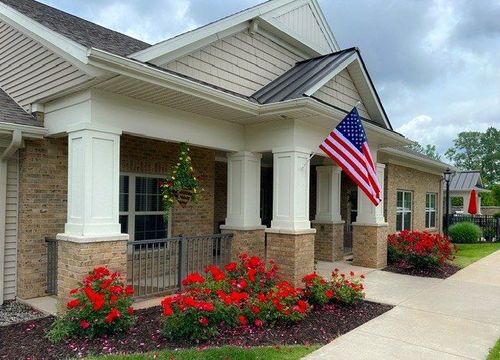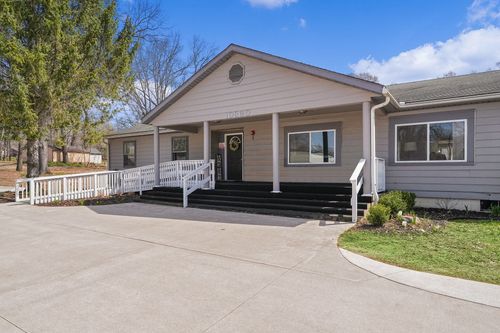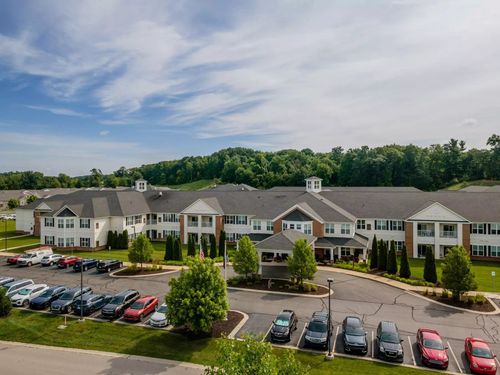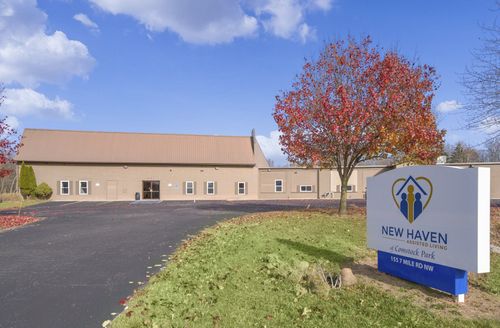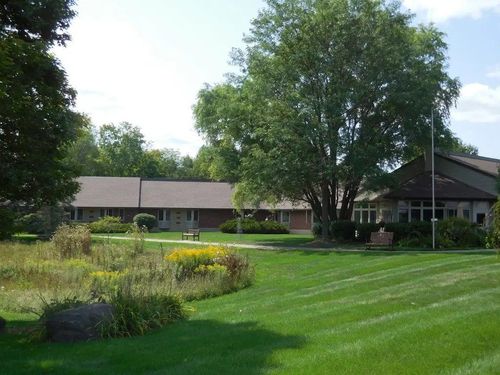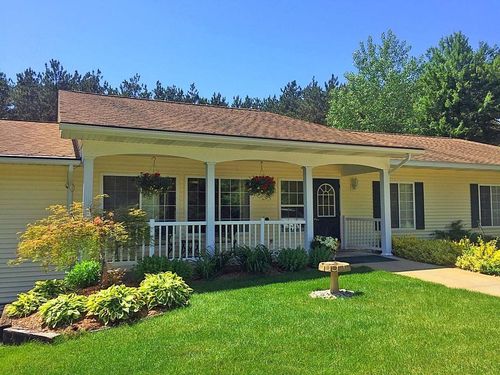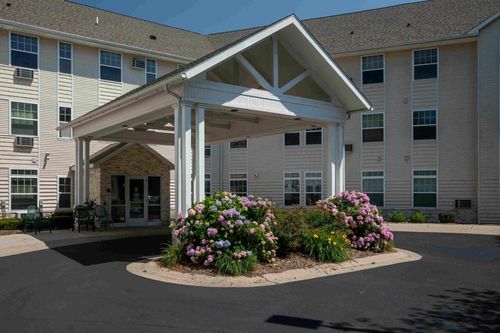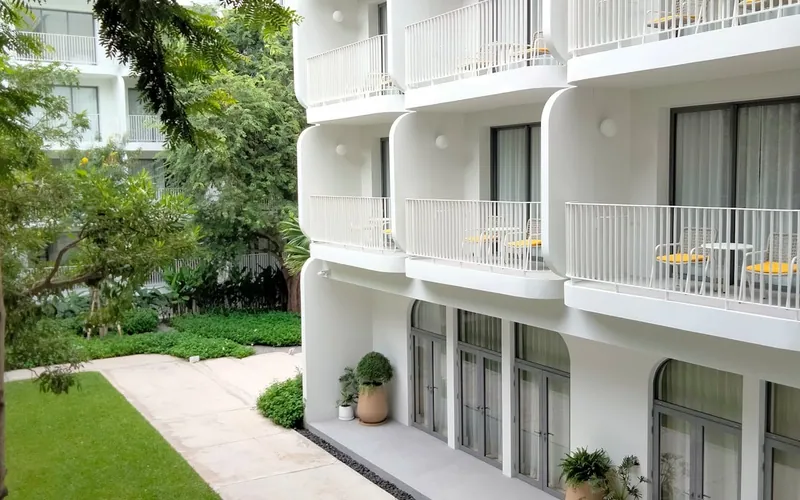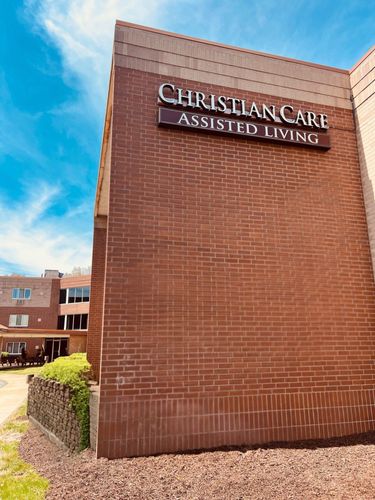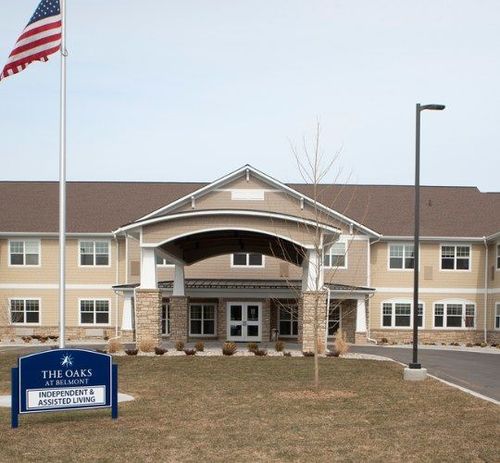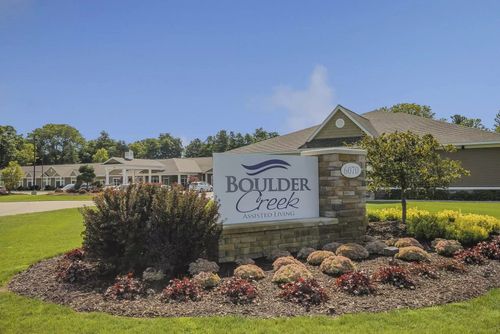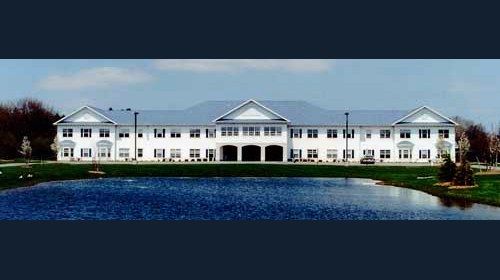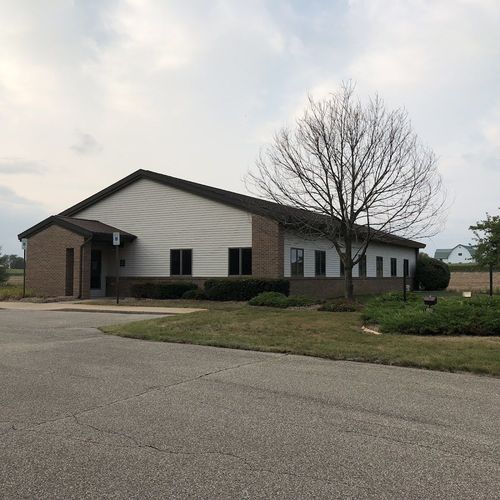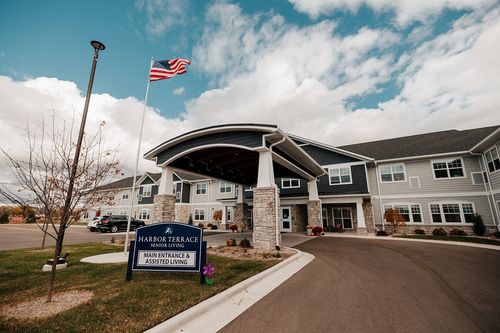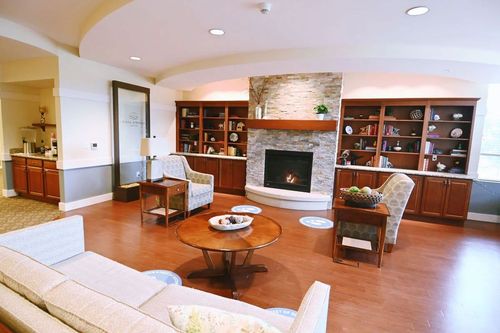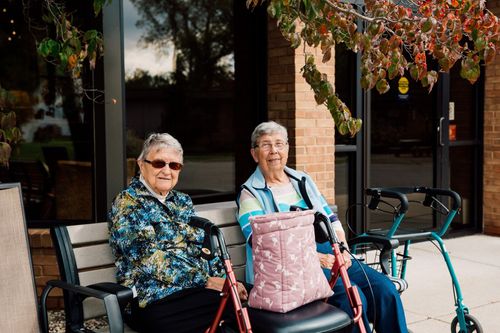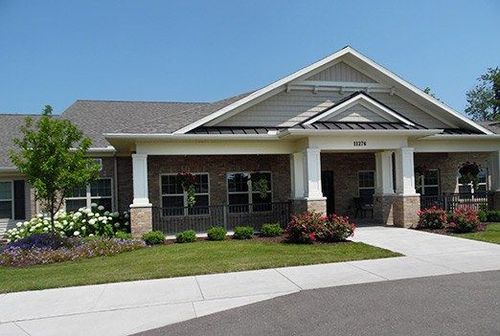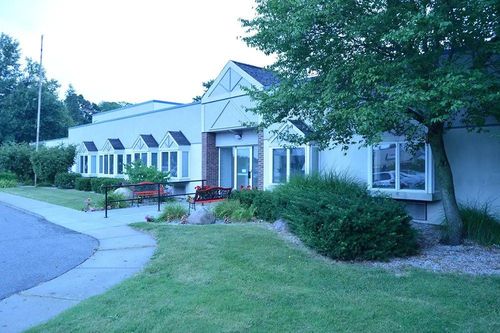

Rural senior living usually asks a household to accept two future moves: one when memory declines and the local building cannot manage it, and another when the savings run out. Grant is set up to avoid both, because Fountain View Retirement Village Grant on South Maple Street, the 1 matching community, runs thirty-eight rooms across assisted living and a secured dementia setting, and public funding is billed here as well.
Both halves of that matter for a household choosing assisted living now. A resident arriving for help with daily routines is not choosing a place with an exit built into it, and the funding route means the plan does not have to depend on savings lasting longer than they will.
What Daily Support Looks Like at Thirty-Eight Rooms
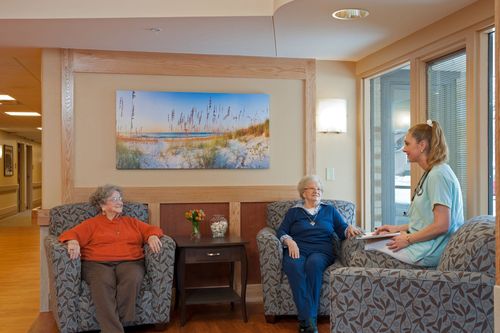
The care is the substance of the level, delivered somewhere small enough to be personal: staff taking over the medication, a caregiver on hand for washing and dressing, three meals cooked and served, laundry and cleaning gone from the week, and someone in the building through the night.
Thirty-eight rooms is a comfortable middle size for a rural community. It is small enough that caregivers know residents individually rather than from a chart, and big enough to hold a real calendar and a dining room with people in it, which the ten and twelve-room houses further north cannot sustain. Twelve of those rooms sit behind a locked door, so the staff a resident meets already work with memory loss daily. Short respite stays are offered too, which is the practical way to try the building before committing or to cover a stretch when the person caring at home cannot.
A Rate in the Middle, and a Route Beyond It
Assisted living in Grant is quoted at $4,501 a month in 2026, close to the middle for rural West Michigan rather than at either extreme. Above it sit the room and the level of hands-on support an assessment establishes, so the first visit should pin down what the figure already covers.
The more consequential number for many households here is not monthly at all but the count of years their savings will cover. Because this community participates in Medicaid, a resident who spends down may be able to remain rather than move. Michigan runs that help through a waiver that pays toward caregiving while the resident's own income continues to cover the room and the meals, and it requires both a financial review and an assessment at nursing-facility level of need before it starts.
Southern Newaygo, and Who the Rooms Serve
Newaygo County holds a little over ten thousand residents past sixty-five, slightly more than one in five, spread across a lot of rural ground. Grant sits at the county's southern end, closer to Grand Rapids than the rest of Newaygo manages, which gives households here options the northern half of the county does not have.
Thirty-eight rooms serve that southern stretch, and the twelve secured ones in particular are a small pool to wait on. Availability rather than suitability is what usually decides timing, and the households who move when something opens are the ones already known to the building.
Half an Hour From a Level I Centre
Corewell Health Gerber Hospital in Fremont lies seventeen miles north, a critical access hospital whose campus covers oncology, intensive care, maternity, women's health and both CT and MRI scanning, with home care staff working across the county. That handles most of an older adult's ordinary year without a long drive.
What Grant has that the rest of the county does not is proximity to Grand Rapids, thirty miles south, where Corewell Health Butterworth carries the only Level I trauma verification on this side of the state. Being half an hour from that rather than three quarters of an hour changes the calculation for a household with a heart condition or a stroke history in the picture, and it is one of the quieter reasons families choose the south end of Newaygo.
What a Local Advisor Brings to Grant
With one community covering the village, the useful questions are specific. A Local Senior Advisor covering southern Newaygo County can say whether a room is open, whether a Medicaid-funded space is open, which is not the same question, and what the monthly figure covers before an assessment adjusts it.
The funding sequence is where preparation pays, since the financial review and the clinical assessment have to line up, applications run longer than households expect, and starting while private funds still have a year in them keeps a family in control of the timing. Reaching out at that point rather than later is usually what keeps the choice open.
We keep expanding our Grant coverage as we evaluate providers for quality and alignment in 2026. Reach out for a conversation about assisted living in Grant, or browse the communities we have vetted at your own pace.