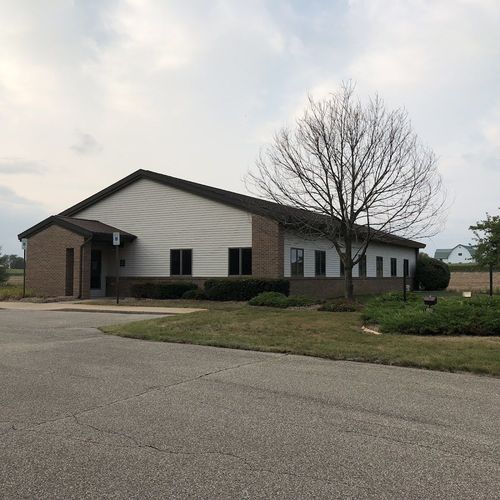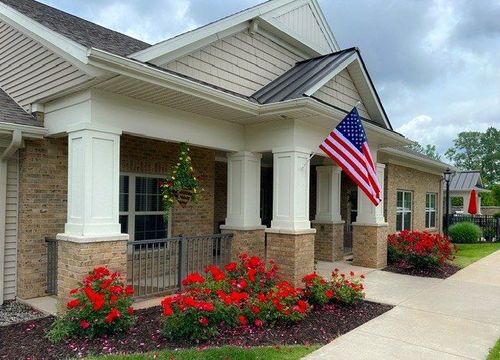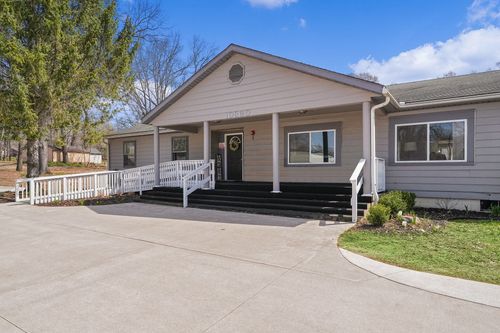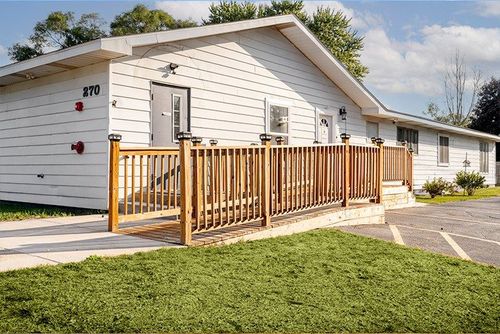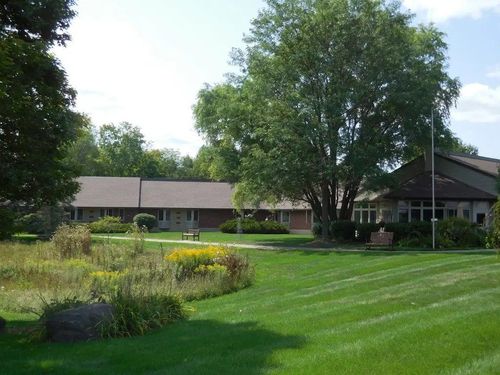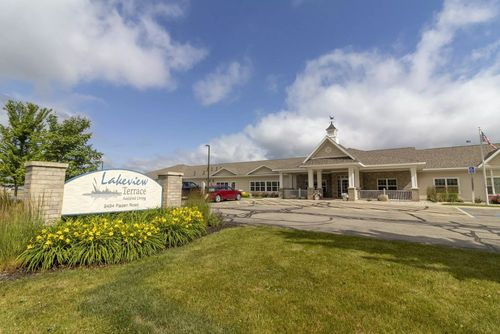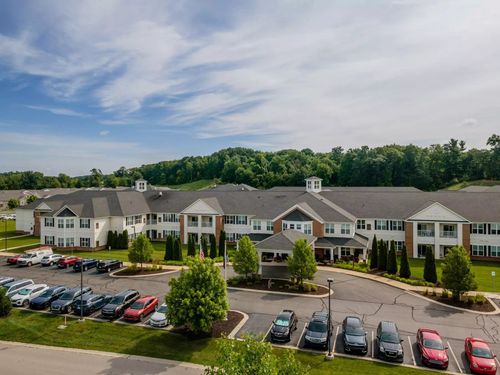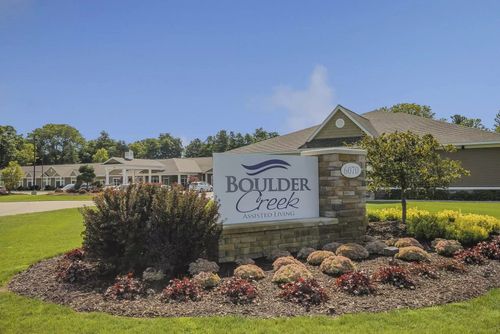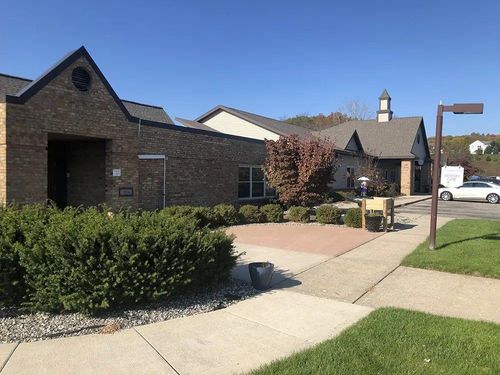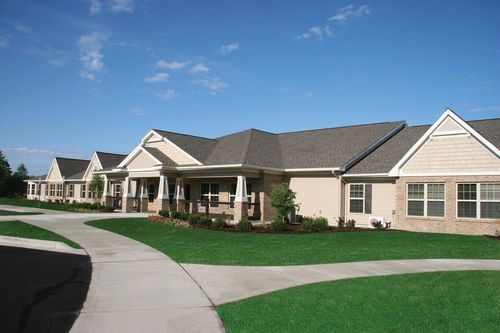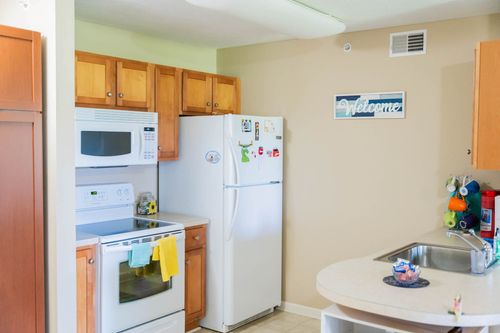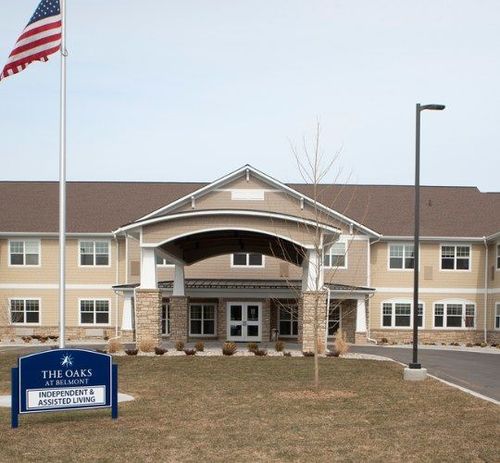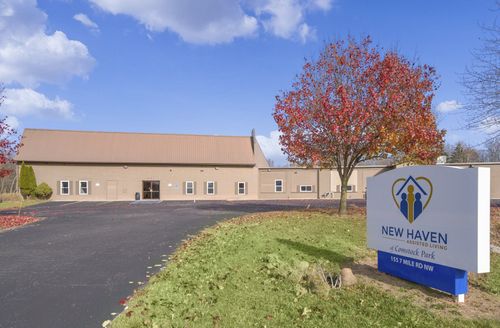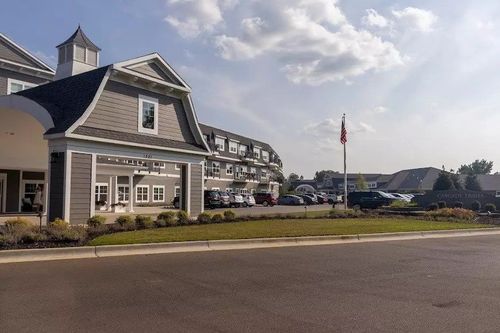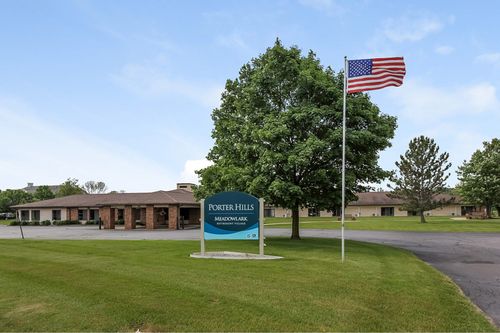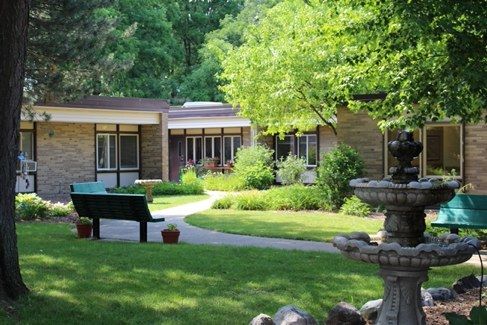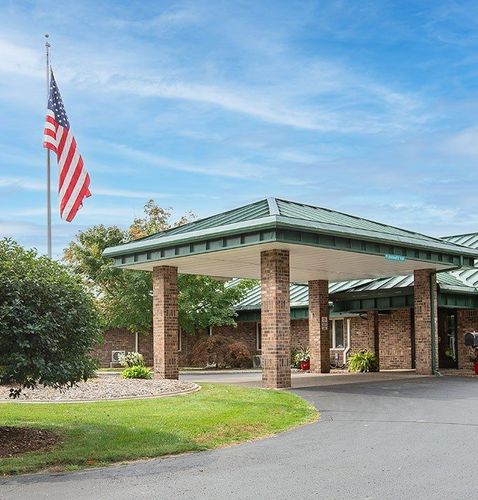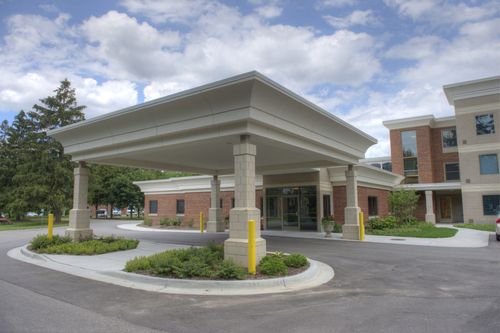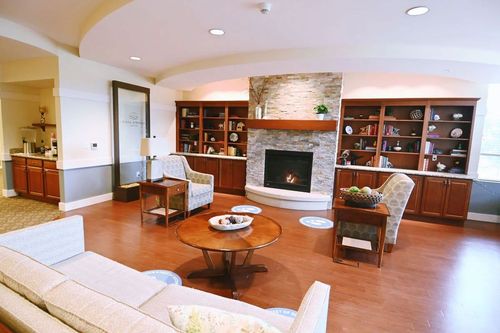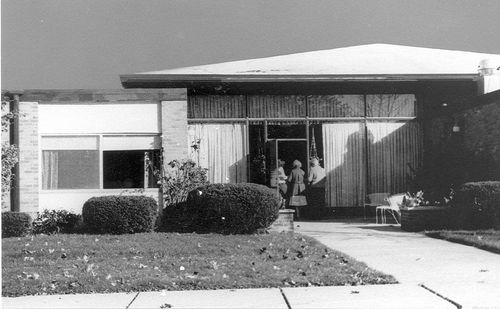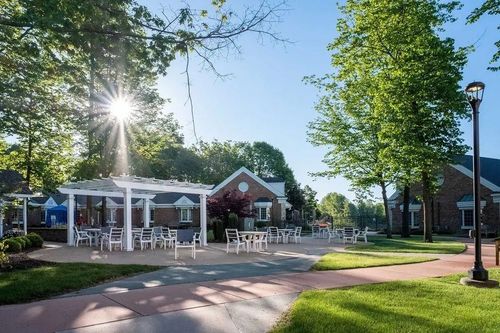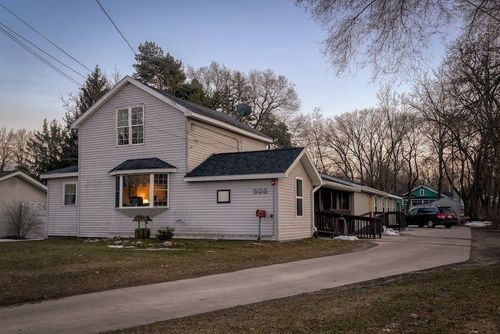
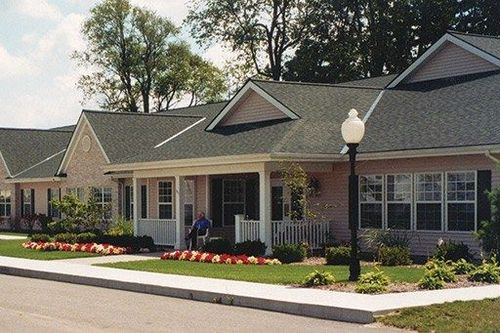
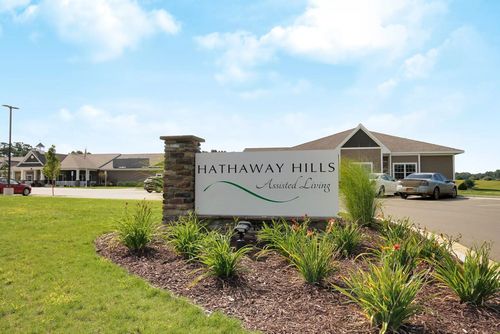
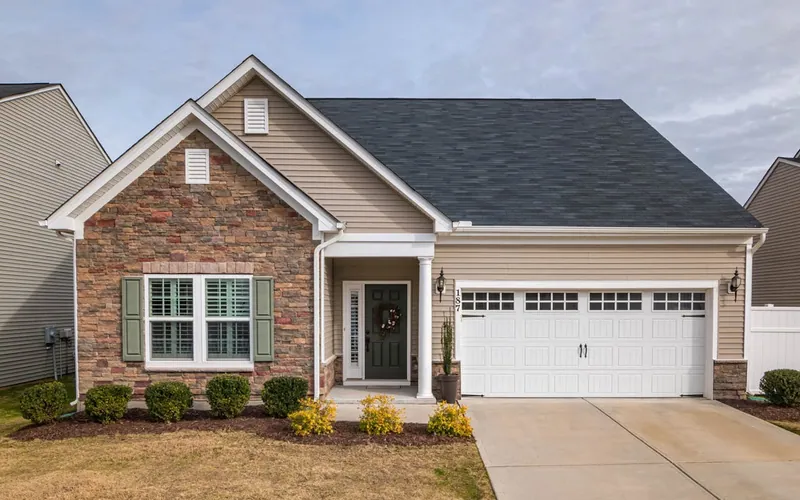
The distance between the smallest and largest assisted living addresses in Greenville is unusual for a town this size, running from a home licensed for twelve residents to a community of around sixty-five. Those are different propositions rather than different price points, because one is a household where a caregiver carries everyone's history by heart and the other has a dining room, a full calendar, and a shift pattern behind it.
That range is the real choice in front of a Greenville family, and it tends to sort itself by temperament rather than by care need. Among the 4 local communities, the deciding question is usually whether a resident is the sort of person who comes alive around thirty others at lunch or the sort who finds that exhausting by Wednesday.
Twelve Residents or Sixty-Five, and What Changes
In a twelve-bed home the care is relational, meaning one or two caregivers on a shift who notice that someone has been quiet since Tuesday without anybody writing it down. Meals come out of a kitchen rather than a servery, the routine bends around the residents instead of the reverse, and a family visiting at seven in the evening will usually find the same person who was there at breakfast.
A sixty-five-resident community trades some of that for depth, with a nurse on site through the day, a fuller activity calendar, staff who specialize rather than cover everything, and enough residents that most people find someone they genuinely like. The core help is identical in both, from medicines given on schedule and help with bathing and dressing through to laundry, housekeeping, and rides to appointments.
What the Top of the Local Range Buys
Greenville's highest published figure sits at $5,493 a month while the lowest is $4,150, and that gap is not explained by care level, since a resident with identical needs would be assessed the same way at either address. It reflects the room, the setting, and how much of the week's dining and activity comes bundled into the base rate rather than billed above it.
Care charges then sit on top of whatever the base is, added in tiers after an assessment, so two residents on the same floor plan can be several hundred dollars apart. One local address takes respite guests, which matters at the budgeting stage as much as the touring stage, because a short stay is charged daily and lets a household test the fit before committing to any monthly figure at all.
Where Montcalm County Recovers
Greenville holds the county's hospital, and more to the point it holds the rehabilitation and nursing center attached to it, so most people in Montcalm County who break a hip or come off a long admission do their recovery in this town rather than at home.
That pathway feeds the assisted living field directly, because a fair number of residents arrive after a rehabilitation stay that made plain the house was no longer workable. It also means the local addresses are used to taking someone mid-recovery, with therapy still running and a care level that has not yet settled, which is a very different intake from a planned move.
Why Families Keep the Search in Greenville
Montcalm County is spread out and Greenville is where its services concentrate, so a move within town keeps a resident near the hospital, the pharmacy, and the people they have banked with for thirty years. For families in Lakeview, Stanton, or Carson City, this is already the town they drive to.
The second factor is that none of the local buildings sit far from each other, so a family can genuinely compare all of them in an afternoon and a spouse who no longer drives can still be visited daily. In a rural county that compactness does more for how often someone actually gets seen than any feature inside the building.
Matching a Building's Size to the Person
The common mistake in a market shaped like this one is choosing on the tour rather than on the person, because a twelve-resident home shows beautifully to a visitor and can still be far too quiet for someone who has spent forty years around other people. The reverse holds just as often, and a larger community can overwhelm a resident who has always kept to a small circle.
An advisor's work here is that match plus the ordinary checks: which building takes a two-person transfer, which handles insulin, where a room is genuinely coming free, and which will hold a resident as needs increase rather than asking for a move. Families who talk it through before touring tend to see two buildings instead of every one, and they tend to see the right two.
Our Greenville directory keeps expanding as we evaluate providers for quality and alignment in 2026. Reach out for a conversation about assisted living in Greenville, or look through the communities we have vetted at your own pace.