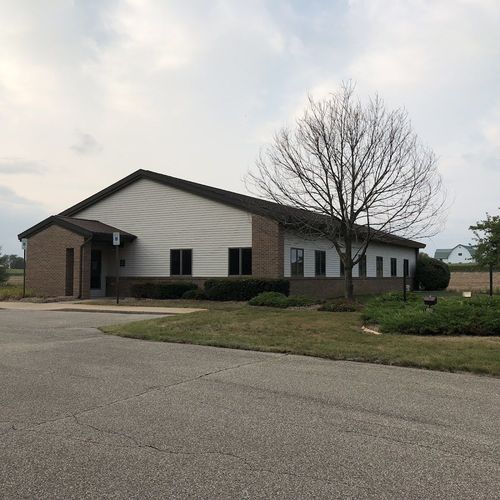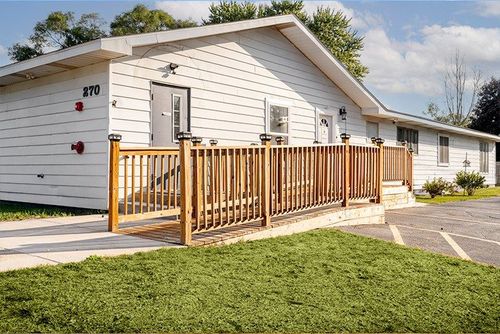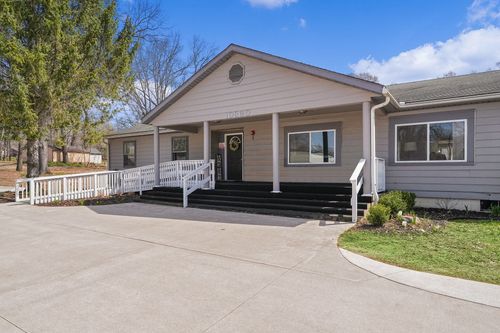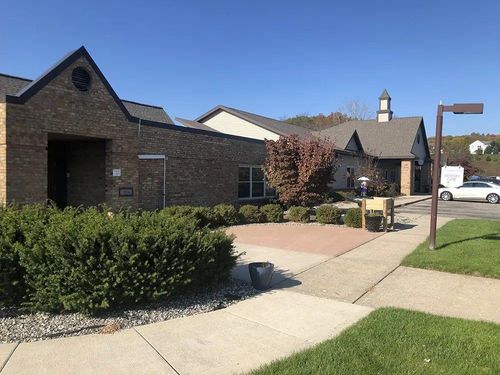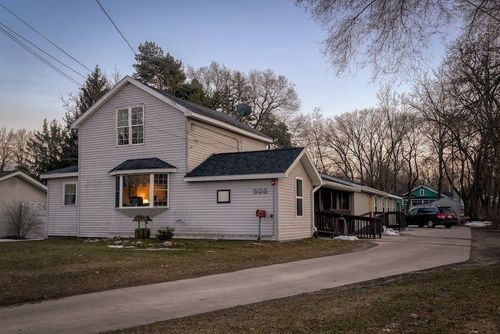
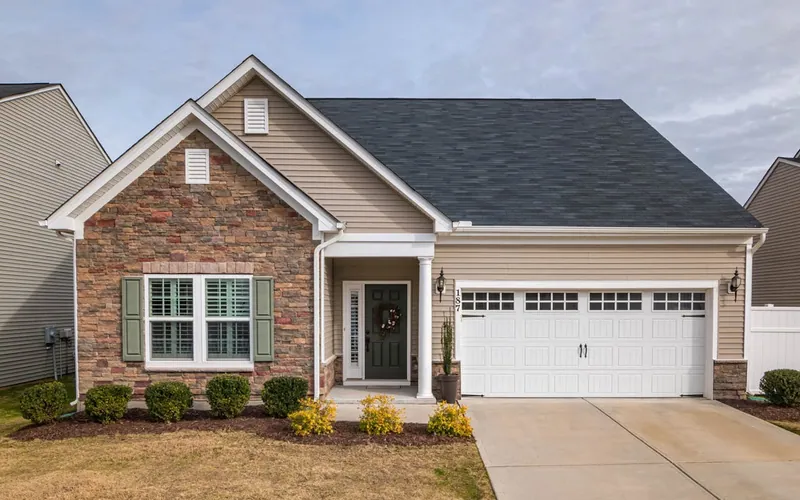
Greenville is a town of a size where the senior care options can be counted on one hand, and two of them are care homes: Golden Life Assisted Living and Meadows by the Lake. Both are genuinely small, in the range of a dozen to sixteen residents, which in Michigan makes them licensed adult foster care homes rather than the homes for the aged that larger buildings register as. The distinction is legal, and it is also the difference between a household and an institution.
In a town this size that has a practical consequence people from bigger cities miss. The caregivers working in a Greenville care home mostly live in Greenville, shop at the same stores, and are often known to the family already, which changes the texture of handing over a parent's daily care.
What a Small Home Trades, in Both Directions
The honest way to look at a care home is as a trade rather than an upgrade. What a house of twelve gives is attention: one caregiver covering a few people, meals cooked in a kitchen rather than plated from a service line, and staff who notice within a day that someone has gone quiet or stopped finishing dinner. Bathrooms are down a hall rather than across a building, and nobody gets lost between their room and the table.
What a house gives up in return is breadth. A larger senior community can run a full calendar of outings and clubs, offers a bigger pool of people to make friends among, and often keeps clinically trained staff on site. Neither model wins on the merits; a sociable resident who wants a busy week and a resident who finds a crowded room exhausting want opposite things, and Greenville families are choosing between those two temperaments more than between two levels of quality.
What Greenville Care Homes Cost
The two homes here run $4,200 a month at Golden Life Assisted Living and $5,493 at Meadows by the Lake. Small homes rarely undercut larger communities, and the reason is arithmetic: staffing a house around the clock costs roughly what it costs, and dividing that across twelve residents rather than eighty produces a higher figure per person, not a lower one.
What tends to come with it is a single all-in rate covering the room, all meals, laundry, housekeeping, personal care and medication management, instead of a base rent with care levels added on top as needs grow. That makes a year ahead easier to budget, though a family should still ask directly what causes a rate to change and get the answer in writing before anyone signs.
Choosing Between Greenville's Two Care Homes
The first question is how far each home can carry a resident. A home licensed and staffed for advancing dementia can keep someone as their needs grow; one that is not will eventually have to say so, and a second move is much harder on a person than the first was. Ask it plainly, early, and about the specific person rather than in general.
The second is simply whether a bed is free, and in Greenville that is a real constraint. Twelve to sixteen rooms between two houses is not many, and openings arrive unpredictably rather than on a schedule. Families in Montcalm County who wait for a crisis before looking usually find that the timing works against them, while those who start early can wait for the right room instead of taking the available one.
Sizing Up Greenville's Small Homes Properly
Both houses look similar from a listing and are not, so what matters is the detail underneath: how many residents each actually serves, what the licenses permit, which one has staff experienced with dementia, how the two differ on what is included, and which has an opening. An advisor covering Montcalm County holds that detail and updates it as it changes.
If a small, quiet household is what suits the person in question, talk it through and the two Greenville homes can be told apart properly before anyone drives out to see them.
Our Greenville directory keeps expanding as we evaluate providers for quality and alignment in 2026. Start the conversation about residential care homes in Greenville, or look through the buildings we cover at your own pace.