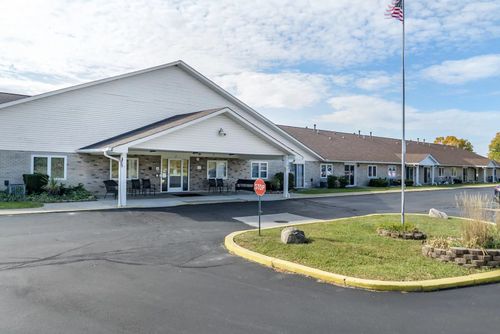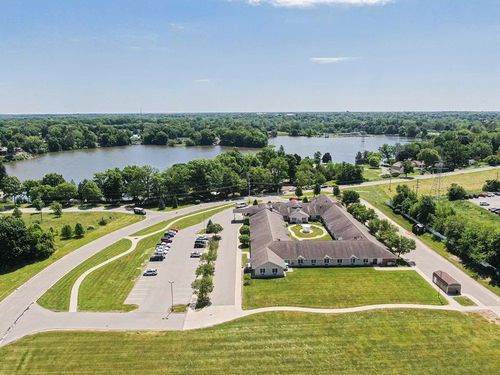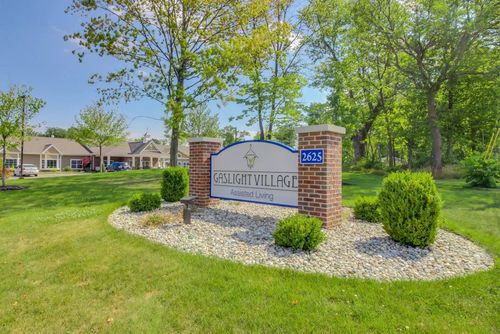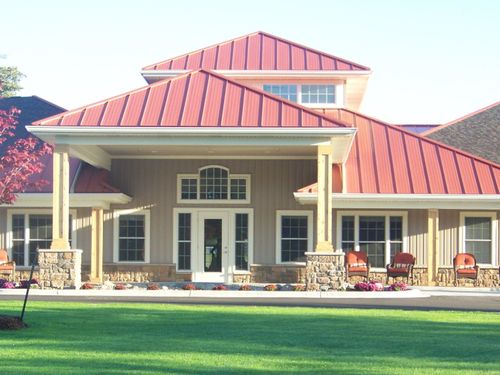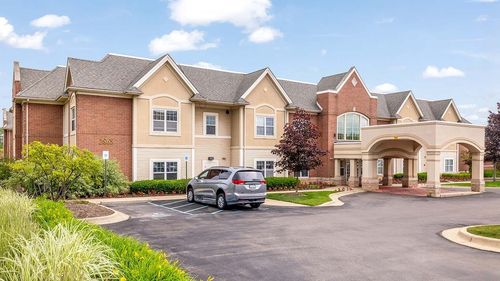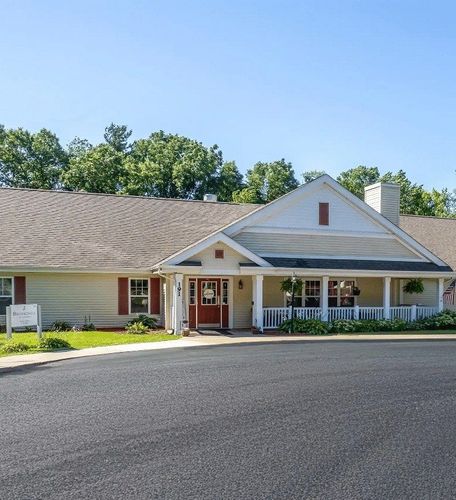
A dog that has spent twelve years on a few acres outside Hudson is not the same proposition as a dog raised in an apartment, and that is the honest starting point for anyone in Lenawee County weighing a move with an animal. Maple Ridge Farms Assisted Living is the address here taking residents with pets, at $4,000 a month. The written policy is the easy part of this. Whether a particular animal copes with fixed walk times, a much smaller territory and a corridor full of strangers is the part that decides whether the arrangement holds.
The Adjustment Nobody Budgets For
An animal used to letting itself out into a yard now waits for someone to take it. A dog accustomed to seeing one or two people a day now passes a dozen. Some settle inside a week and become the most popular resident in the house. Others pace, bark at night, or attach themselves so anxiously to the resident that neither of them relaxes, and in a small building that becomes everybody's problem quickly.
It is entirely reasonable to ask a house how it introduces a new animal, whether there is a settling-in period, and what it has done previously when a pet did not adapt. A building with real experience of this will answer in specifics rather than reassurances. It is equally reasonable to be honest with yourself about the animal in question, because moving a dog that will not cope is not a kindness to it, and the fallback arrangements are far easier to think about in advance than in week three.
The Terms, and What They Cost
Acceptance always comes with conditions the building sets rather than the state: a limit on how many animals, a ceiling on a dog's weight, and breeds an insurer will not underwrite. Current vaccinations and a neutering record are asked for as standard, and most houses now want the name of whoever takes over feeding and walking during any stretch the resident cannot manage. In a small setting that last point carries real weight, because there are fewer staff to absorb the work quietly.
On the money, the published rate here is $4,000 a month for the room and the daily support, with a deposit taken at move-in and often a monthly amount per animal on top. Both of those sums attach to pets and to nothing else. A trained service animal, or a documented assistance animal, sits outside the pet category under fair housing rules and cannot be charged either, though the resident stays liable for any damage caused.
Winter, Distance and Rural Practicalities
Two things about Lenawee County shape this more than any policy. The first is the walk itself: what matters is not a park on a map but the distance from a resident's own door to usable ground, and whether that ground is passable in February. A route that works beautifully in September is the reason some arrangements quietly fail by midwinter.
The second is how far away the vet is. A rural county means a drive for routine appointments and a longer one for anything urgent, and an older resident is not always able to make it. Working out in advance who takes the animal to the vet, and what happens in an emergency at eleven at night, is part of planning the move rather than a detail to sort out later.
What a Local Advisor Brings to Hudson
An advisor covering Lenawee County knows what has actually been accepted at these addresses recently rather than what a policy document implies, and whether a room with straightforward access to outside is among what is currently free.
An advisor also keeps track of how terms are changing at buildings elsewhere in the county, which counts for a good deal when the list close to home is short. Where the animal is the condition everything else rests on, it is worth a short conversation before a visit is arranged.
Our Hudson directory keeps expanding as we evaluate providers for quality and alignment in 2026. Start the conversation about pet friendly in Hudson, or scan the buildings we cover at your own pace.