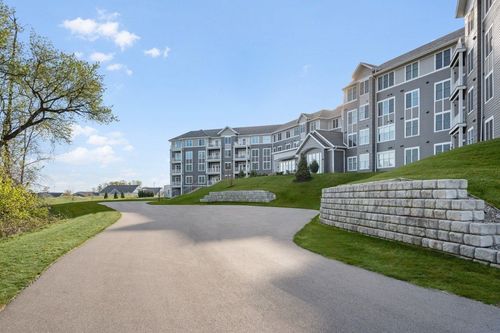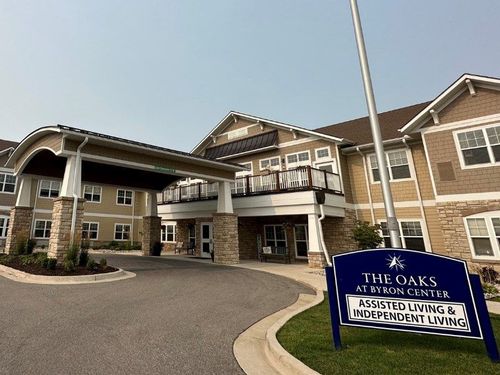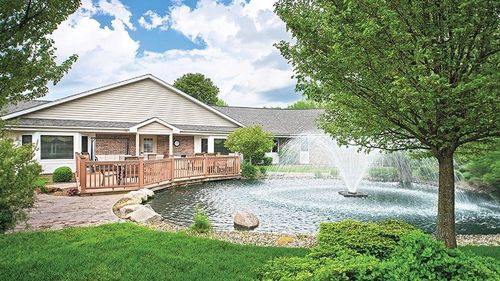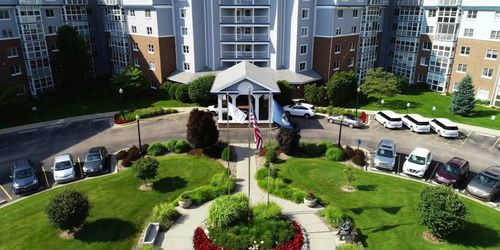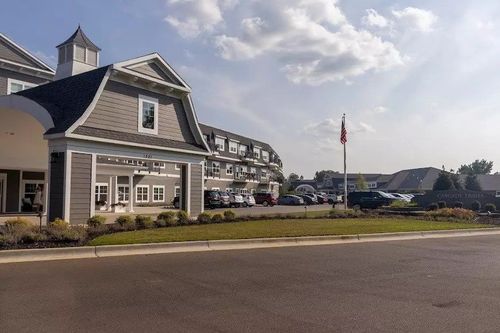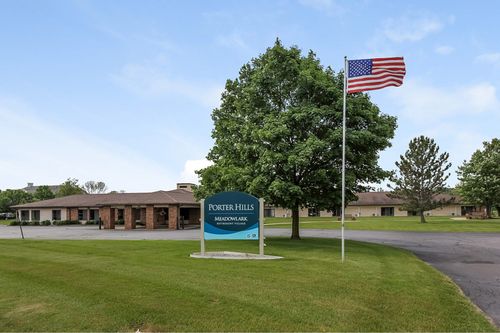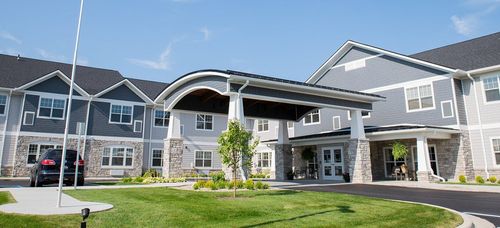

In Hudsonville the congregation is the social infrastructure, because people here have belonged to the same church for fifty years, and a great deal of what an older household relies on comes through that rather than through any service: the lifts to appointments, the casseroles that appear when somebody is unwell, the person who notices an empty pew. The Oaks at Jamestown, advertised from $4,200 a month, is where the independent living decision gets made, and the first question worth asking is what a move does to that network.
It is not a sentimental question, since for most residents here the church network is doing more practical work than any building could, and a move that quietly severs it exchanges support for services.
Judging a Move by What It Preserves
The useful test is whether a resident can still get to the same Sunday service, the same midweek group, and the same funeral when one happens. Ask the building directly whether it will drive a resident to their own congregation rather than to a service held in a lounge, and how far that transport reaches. Ask whether family can bring food in and eat together somewhere that is not a bedroom, and how late visitors may come.
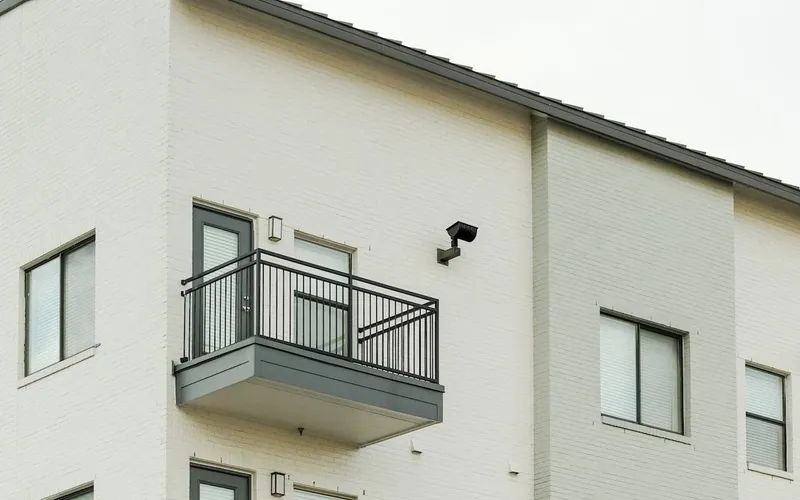
The other half is what an apartment adds that a house does not. The building supplies meals, weekly cleaning, all maintenance, transport and a diary of things to do, none of which the congregation was ever meant to provide and much of which it has quietly been providing. Handing those over frequently strengthens the church relationship rather than replacing it, because a resident stops being the person who needs lifts and goes back to being a member.
Where This Level Ends
No care is included at any point, so residents keep their medication, book their appointments and manage their health, and nothing is assessed at move-in because there is nothing to assess. Michigan contributes nothing toward an apartment either, its waiver being limited to people whose assessed needs are equivalent to a nursing home's, a bar nobody at this stage comes close to.
What is worth confirming, and is unusual enough to be worth asking about explicitly, is that this address participates in Michigan's waiver at the levels where the programme does apply. That is irrelevant on the day somebody moves into an apartment and consequential a decade later, because it determines whether a resident whose funds have run down can remain in the same building or must move again.
A Young County With Its Own Older Core
Ottawa County is among the youngest and fastest-growing in Michigan, at under eighteen percent past sixty-five, and Hudsonville's older residents are a settled minority inside a rapidly expanding population. Housing and schools get built for the growth; senior housing is added last, so what exists fills quietly.
Nothing here is urgent, since no hospital ever discharges anybody into an apartment, but the units people actually want come free rarely. Registering early is worth more than negotiating, and it costs nothing.
What a Local Advisor Adds in Hudsonville
The questions are about the decade rather than the month. What the building charges at each level above this one, how it decides a resident has outgrown an apartment, whether the waiver route genuinely opens later, and how long the wait runs for the layout a household wants.
A Local Senior Advisor can get all four answered and be candid about which the building would rather leave until later. Talk it through a year ahead of the move you are picturing, because at this level preparation buys choice and nothing else does.
Our Hudsonville directory keeps expanding as we evaluate providers for quality and alignment in 2026. Reach out for a conversation about independent living in Hudsonville, or browse the communities we have vetted at your own pace.