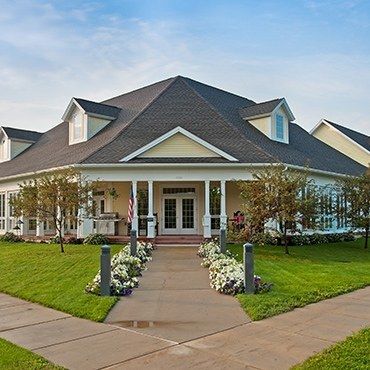
Kalkaska, MI

Medicaid-Accepting Senior Living in Kalkaska

One medicaid-accepting community in Kalkaska, MI — with free, unbiased guidance from local advisors.

1
Community
1
Medicaid Accepted
$4,090
Avg. Monthly Pricing

Explore Medicaid-Accepting Senior Living in Kalkaska

One medicaid-accepting community to review, with free guidance from a local advisor.

View all communities in Kalkaska

What to Expect From Medicaid-Accepting Senior Living in Kalkaska

  • Medicaid: All 1 community accepts Medicaid for residents who qualify.
  • Care types offered: assisted living, memory care, and skilled nursing.
  • Setting mix: 1 ccrc in the matching set.

Kalkaska's Medicaid-accepting senior living stands on the same ground as the county's health centre. Kalkaska Memorial Assisted Living on South Orange Street runs assisted living, a secured memory care setting and skilled nursing together, publishes assisted living from $4,090 a month, and accepts Medicaid, which for a village of two thousand people is a considerable amount of care to hold in one place.

The county sitting behind that address explains why it matters so much. Roughly 4,200 Kalkaska County residents have passed sixty-five, close to a quarter of everyone living here, and a rural county with that age profile does not support several senior living addresses. It supports one, built where the health centre already was, which is why the local Medicaid question is rarely about choosing a building and almost always about which program applies and when to start.

Which Medicaid Route Reaches Which Care Level

Two different Michigan arrangements are in play on this site, and they are not interchangeable. Care services in assisted living and in the secured setting are reached through the MI Choice waiver, open to somebody who meets nursing-facility level of need and satisfies the financial rules, and the waiver stops at the housing element, which the resident goes on meeting from income. Enrollment is capped, so qualifying and holding a funded place are separate achievements.

Skilled nursing runs on the institutional side of Medicaid instead, and there the program covers the stay while the resident contributes a set amount of their monthly income, so the housing question does not arise in the same form. A resident who moves along this corridor from assisted living into nursing is therefore moving between two arrangements, and the transition needs its own paperwork rather than inheriting the last lot.

Eligibility, Timing and What Rural Distance Adds

Income and countable assets set eligibility, with limits revised annually, so the first useful step is establishing where a household actually stands rather than working from a figure somebody remembers. Applicants above the asset limit generally spend down to reach it, and assets transferred in the years beforehand fall under a look-back review, which regularly turns a well-meant gift into a delay.

Approval waits on two processes running in parallel, a financial determination and an assessment of care need, and neither hurries the other. In a county this size the practical wrinkle is distance: appointments, assessments and paperwork all involve more travel than they would in a metropolitan county, which lengthens every stage a little. Medicare has no bearing here at all, its coverage running to hospital treatment, brief rehabilitation stays and hospice rather than to daily living support.

What a Single-Site County Means for a Household

With one address serving the county, the questions worth asking are specific. Three answers shape a plan: the number of rooms the community currently holds funded through Medicaid, whether it looks for a spell of private payment first, and whether a funding change happens in place or means moving within the building.

The site's own shape is the second consideration and it works in a household's favour. Because assisted living, a secured setting and nursing all sit on one property beside the health centre, a resident whose needs change does not have to leave the county to follow them, which in northern Michigan is not something to take for granted. Anticipating the funding change that comes with that move, though, is what keeps it administrative rather than urgent.

What a Local Advisor Brings to a Kalkaska Medicaid Plan

The facts that decide a placement here are the perishable ones: whether South Orange Street holds an open Medicaid-funded room this month, the community's habit around residents shifting over from private payment, the current pace of reviews and assessments in this part of the state, and where a household's figures sit against the thresholds.

Sequencing is the other half, and it matters more where distance stretches every step. Beginning the financial review at the right point against the care assessment routinely saves weeks that a rural household spends on the road otherwise. If Medicaid is likely to be part of a Kalkaska plan, a short conversation early is worth far more than a long one once a room is needed.

Our directory for Kalkaska continues to grow as we evaluate providers for quality and alignment in 2026. Start the conversation about medicaid in Kalkaska, or scan the buildings we cover at your own pace.

Advisor Insight on
Medicaid in Kalkaska

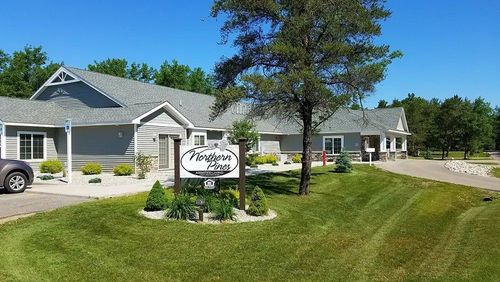
Kalkaska Memorial Assisted Living on South Orange Street is the county's only senior living address and stands on the county health centre's site, running assisted living, secured memory care and skilled nursing. The MI Choice waiver reaches the residential levels; the nursing wing runs under institutional Medicaid with an income contribution.

Medicaid-Accepting Senior Living Near Kalkaska

Medicaid communities within 50 miles of Kalkaska.

Frequently Asked Questions About Medicaid-Accepting Senior Living in Kalkaska

Does Michigan Medicaid pay for assisted living in Kalkaska?

Toward the care, yes, for somebody who qualifies; toward the accommodation, no. The route to both assisted living and secured memory care is the MI Choice waiver, paying for personal support and supervision wherever a resident meets nursing-facility level of need and clears the financial rules. The housing element continues to be met by the resident, usually out of monthly income. Waiver places are limited, so eligibility and an available funded place are two separate things, and the village community can only offer what it holds funded at the time.

Does Medicaid cover a nursing bed in Kalkaska?

Yes, though it arrives by a different route from the waiver. Institutional Medicaid meets a stay in a licensed nursing setting where a resident satisfies the financial and functional tests, taking a set contribution out of monthly income instead of billing housing separately. That is the fullest coverage Michigan Medicaid offers for senior care, and it is why the arrangement changes when somebody moves from assisted living into nursing even though the address does not.

What is covered under the MI Choice waiver, and what is not?

It is Michigan's home and community-based services waiver, built so that somebody who would otherwise require a nursing facility can be supported at that same level while living at home, or inside a licensed residential community. What it funds is care: personal assistance, supervision, care coordination and related services. What it does not fund is room and board, which stays with the household and is normally paid from the resident's income. Because the number of places is capped, being found eligible and being enrolled are separate steps.

How does living in a rural county affect a Medicaid application?

Mainly through distance and timing rather than through the rules, which are the same statewide. Assessments, appointments and document gathering all involve more travel in a county of this size, and each stage tends to take a little longer as a result. The other rural factor is supply: with a single senior living address serving the county, a funded room being open in the month a household needs it is not something to assume. Both of those argue for starting the process earlier than a household in a city would need to.

Can a resident begin privately and move onto Medicaid later?

That is a common path rather than an exception. Private funds cover an initial period, an application follows once assets have reduced to the level the program permits, and the placement continues under Medicaid afterwards. Community practice varies on the detail: how many rooms are held funded that way, whether a period of private payment is expected first, and whether the change happens in the resident's existing room. Establishing those terms before a deposit is paid is considerably easier than discovering them two years in.

What should a social worker or case manager have ready when referring here?

The level of care the patient needs and the evidence behind it, the current medication list, and a clear picture of where the household stands financially, since the financial review and the care assessment proceed independently and either can stall the other. It also helps to know whether the referral is for a residential setting or for the nursing wing, because those are different Medicaid arrangements on the same site. In a county with one address, an early call establishes whether anything is funded and open before a plan is built around it.

More Senior Living in Kalkaska

Get Help Finding Medicaid-Accepting Senior Living in Kalkaska

Our local advisors know every medicaid-accepting community in Kalkaska personally. Get free, unbiased recommendations tailored to your family's care needs, budget, and location preferences.

Free service · No obligation · We only recommend what's right for you