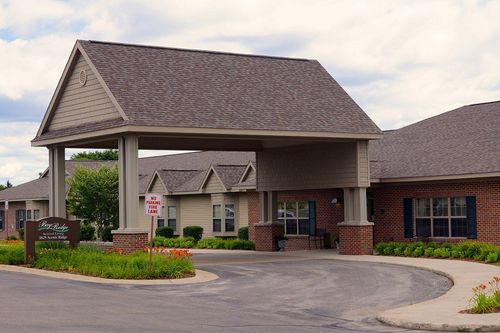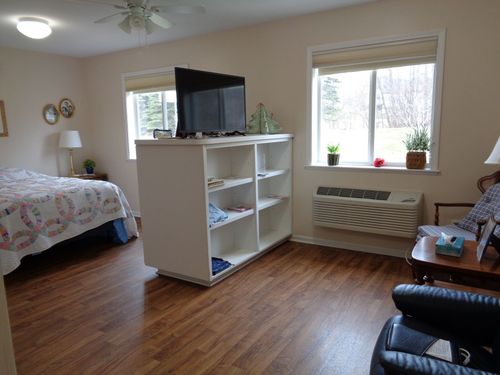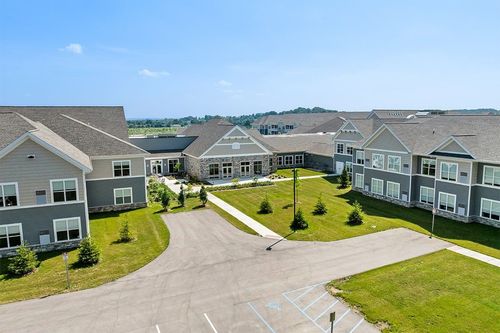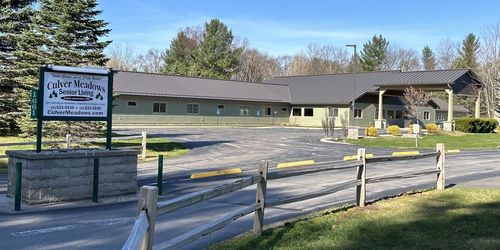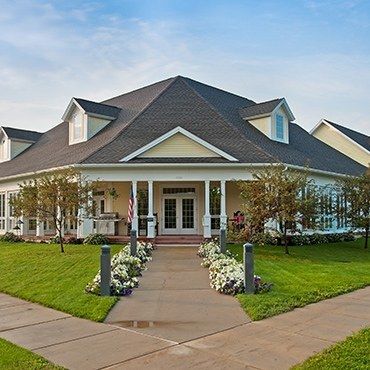
Kalkaska's secured dementia address participates in Medicaid, which is rare enough in northern Michigan to change the shape of a family's planning entirely. Kalkaska Memorial Assisted Living publishes from $4,090 a month, and it sits beside the town's Munson hospital, one of nine community hospitals in that system, with long-term care, dialysis, cardiac and pulmonary rehabilitation and an aquatic therapy pool on the same campus.
Most Michigan towns of eighteen thousand county residents offer neither of those things. Having both in one place means a dementia diagnosis in Kalkaska County does not automatically become a question about leaving it.
What Waiver Participation Actually Changes
It does not make secured care free, and families are frequently told otherwise. Michigan's MI Choice waiver covers the support a resident receives inside a licensed building; the rent and the meals continue to be met from the resident's own income. What it changes is the runway, since a household whose savings would have run out in year three can, if the clinical and financial tests are met, keep a resident in the same room rather than moving them at the worst possible moment.
Two conditions gate it, the first being that a clinician has to place the need at nursing-home level, which somebody in secured dementia care will normally meet, and the household's money has to fall under the programme's ceilings. Places are rationed statewide and there is a queue, so the file should be opened early. In a town where the local address does take waiver residents, opening it early is the single highest-value thing a family can do.
Inside the Building
The secured routine here will look familiar to anyone who has toured elsewhere, and it is not where a family should spend the visit. Spend it instead on the difficult part of the afternoon, on what happens to a shift when somebody calls in sick in a town with no agency staff to draw on, and on how long the current caregivers have been in post, because continuity is most of what a resident in a small northern building actually experiences. The published figure covers the room, with a care band above it that rises as needs do.
What the hospital campus adds is continuity, because a resident whose dementia brings a sharp change does not necessarily leave town for assessment, and the rehabilitation services next door mean a fall or an illness is treated where the family already goes. Respite is available here too, which gives a household something between coping and committing.
An Ageing County With One Secured Address
Kalkaska County holds around a fifth of its residents past sixty-five, above the Michigan share, spread thinly across a lot of ground. One secured address serves the lot, so rooms are infrequent and taken quickly, and a family that has already visited is in a different position from one that has not.
Staying local is also the clinical answer rather than merely the convenient one. In dementia, a resident seen several times a week holds recognition and routine longer than one seen monthly, and in this part of the state the alternative addresses are far enough away that visits become planned expeditions.
What an Advisor Brings in Kalkaska
Two questions carry most of the weight here: whether a room is free, and whether the waiver route is realistically open for this household, because the second one determines how long the first one lasts.
A Local Senior Advisor can get a straight answer on both, start the assessment running in parallel with the touring rather than after it, and say plainly what the building would decline. Reach out before the savings look tight, because the whole advantage of a waiver-participating address is lost if the paperwork begins too late to matter.
We keep expanding our Kalkaska coverage as we evaluate providers for quality and alignment in 2026. Reach out for a conversation about memory care in Kalkaska, or look through the communities we have vetted at your own pace.