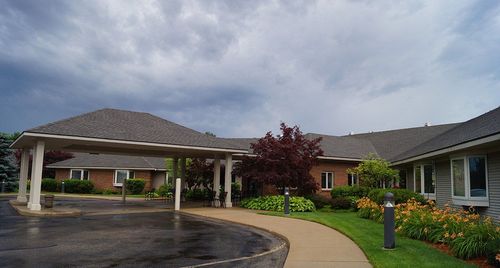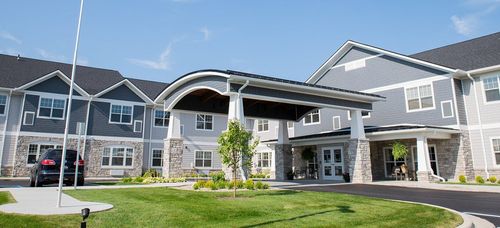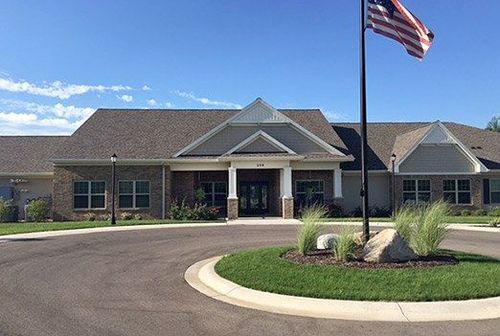




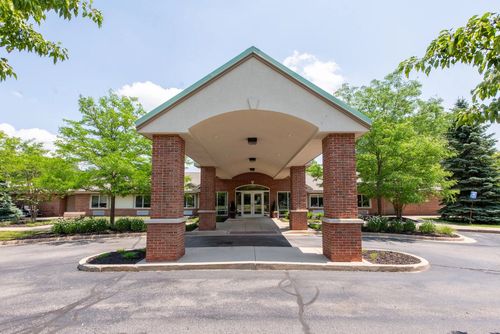
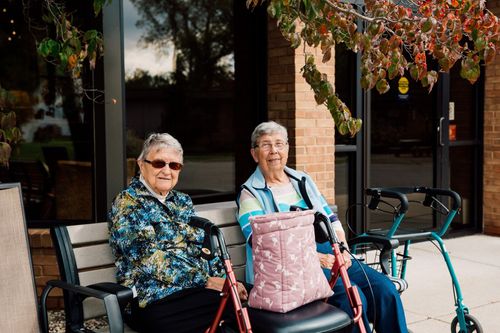
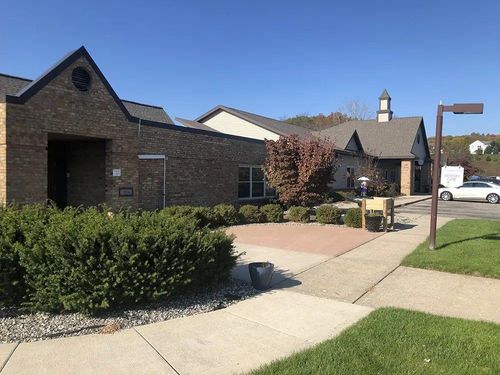
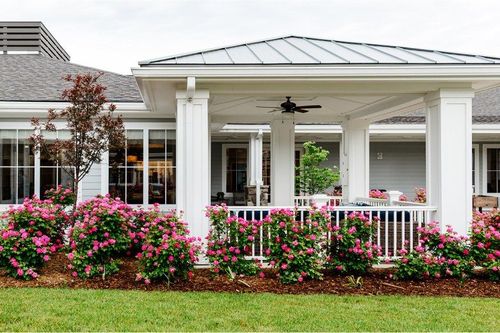
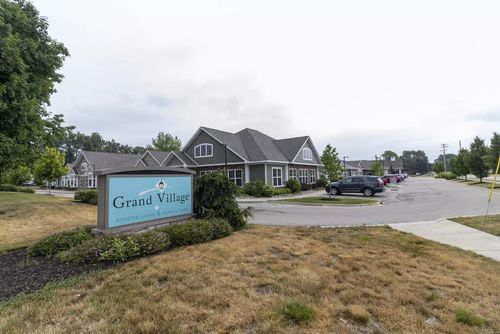
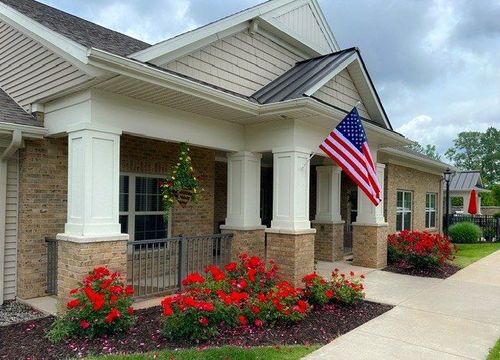
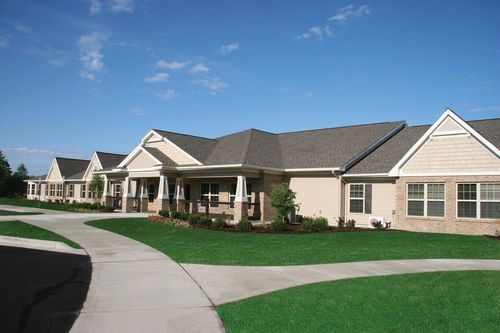
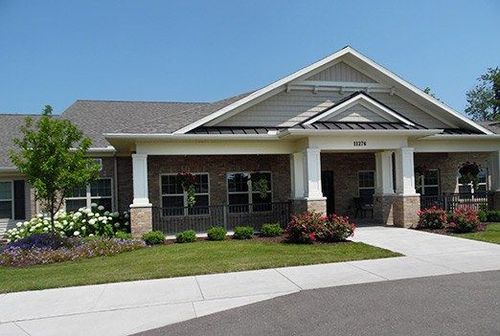

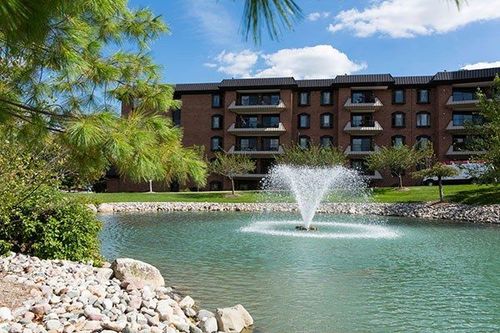
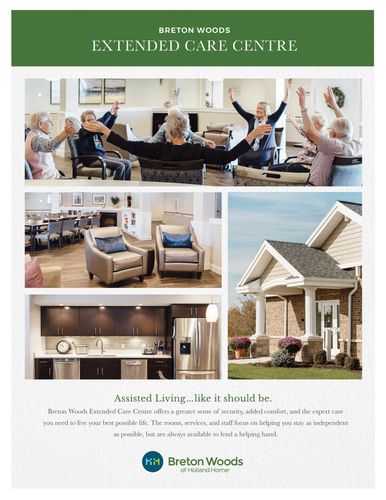
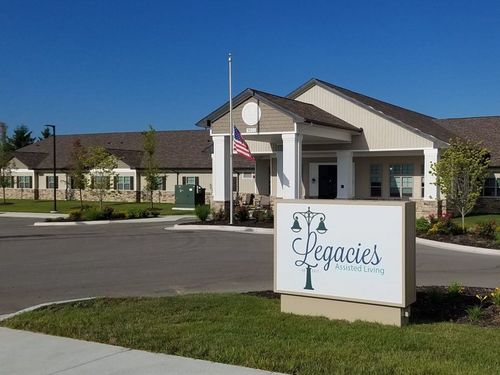
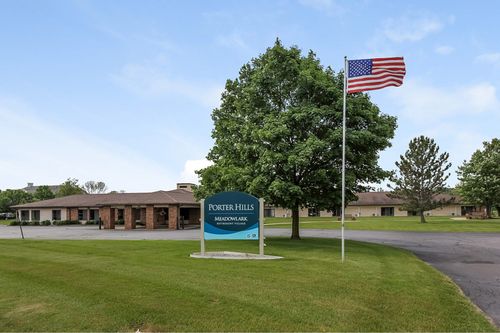
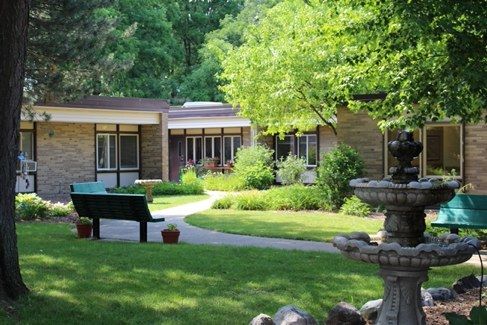

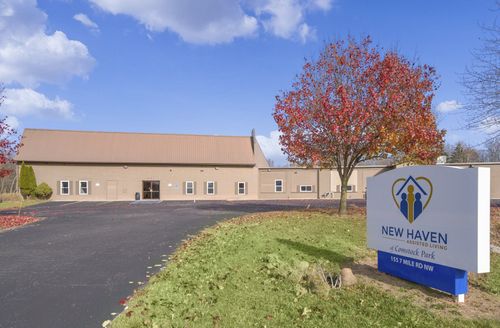
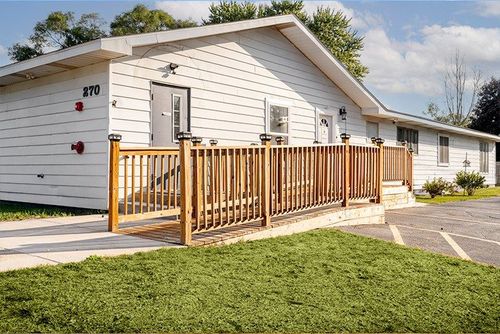
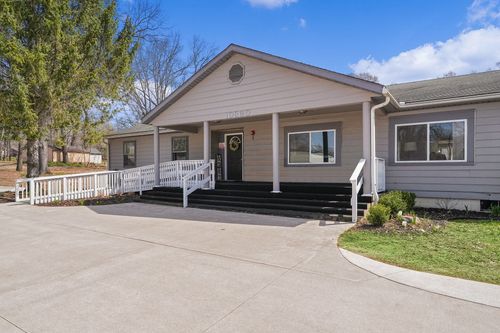

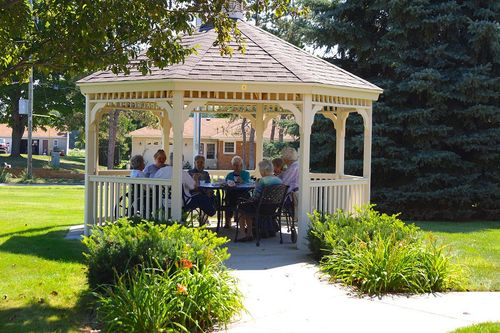
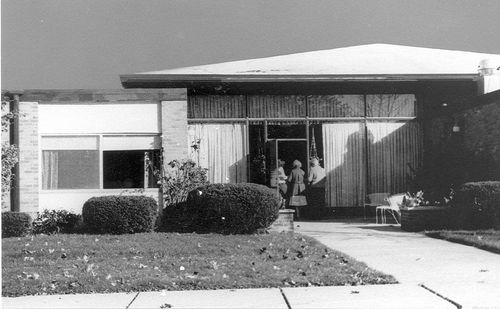
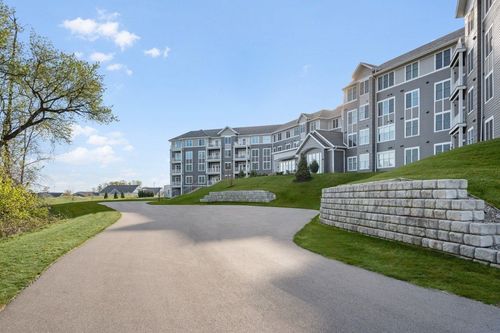
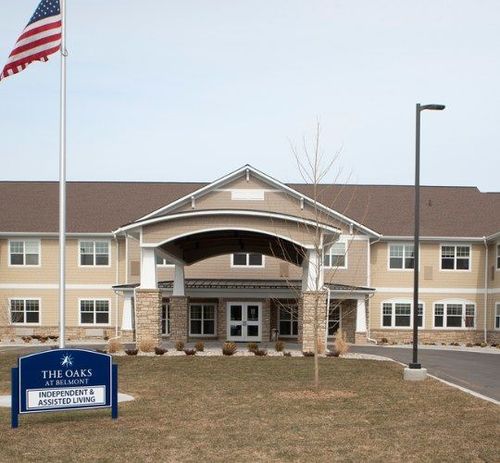
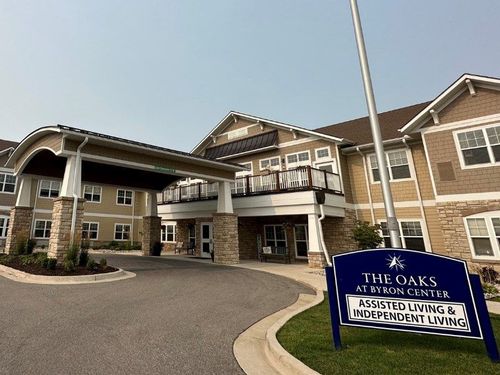

Kent County contains more than twenty specialized dementia care environments spread across Grand Rapids and its surrounding townships. When a family faces an Alzheimer's diagnosis, the immediate priority shifts from general assistance to finding a secure space tailored to cognitive changes. The local landscape includes a distinct mix of free-standing, purpose-built memory care communities and specialized wings housed within larger assisted living campuses.
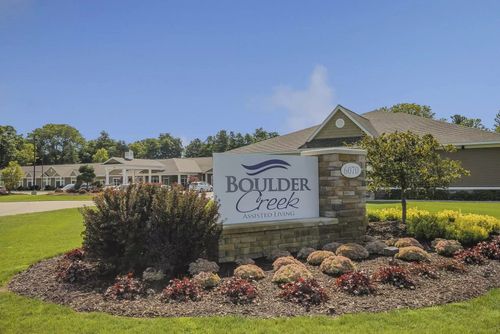
Selecting the right setup requires looking closely at building layouts and physical safety measures. For example, Boulder Creek Assisted Living & Memory Care offers dedicated activities in a structured environment, while Cascade Trails Senior Living provides options designed to prevent confusion and wandering. Navigating these regional choices helps families transition from constant caregiving to a sustainable, supportive lifestyle for their loved ones.
Structuring Daily Life Around Cognitive Support
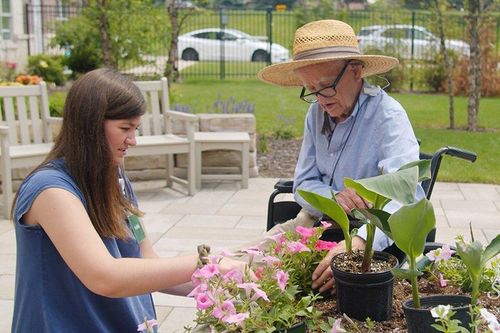
Daily routines in local memory care focus heavily on preserving dignity and reducing anxiety through predictable schedules. Structured mornings begin with familiar tasks, followed by cognitive exercises and physical movement tailored to individual abilities. Staff members receive specific training to manage behavioral changes with patience and redirection, rather than relying on restraint or sedation.
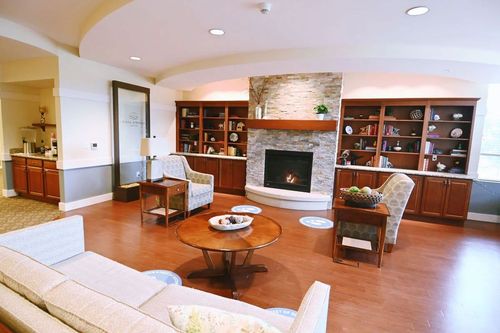
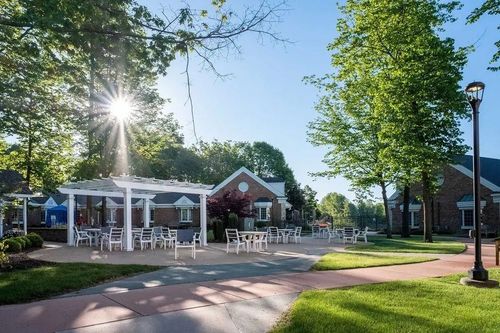
Physical spaces are engineered to maximize independence while ensuring safety. Secured outdoor courtyards allow residents to walk freely without the risk of leaving the property unnoticed. Wide, circular hallways prevent frustration by eliminating dead ends, which often trigger agitation in individuals with advanced dementia. Dining experiences are similarly modified, featuring high-contrast tableware and simplified menus to encourage independent eating.
Understanding the Costs of Local Dementia Care
Financial planning for memory care in this region involves analyzing a wide pricing spectrum based on the level of specialized supervision required. Monthly rates across the county typically range from $3,200 to $6,500, depending on the room size and the intensity of care. Families will find that entry-level pricing varies between specific properties, reflecting the difference between basic accommodations and premium, purpose-built environments.
For instance, Byron Manor features a starting price of $3,800 per month, positioning it as a relatively accessible local option. Meanwhile, Commonwealth Senior Living at East Paris lists a starting price of $4,950 per month, which covers a different suite of specialized behavioral resources. These figures generally bundle housing, utilities, meals, and 24-hour monitoring into one monthly bill, though ancillary medical supplies may incur extra charges.
Meeting the Growing Regional Need for Memory Care
As the population ages throughout West Michigan, the demand for specialized cognitive housing continues to climb steadily. Local health systems report an increasing number of families seeking residential alternatives when home care is no longer safe. This high demand means that premium suites in purpose-built buildings often have waiting lists, making early research crucial for families.
Local providers are responding by expanding their secure wings and updating existing layouts to meet modern dementia care standards. The growth is particularly noticeable in suburban areas like Cascade and Wyoming, where families prefer to keep their relatives nearby. Planning ahead ensures that families have options when a transition becomes medically necessary.
Why West Michigan Families Choose Local Specialized Placement
Keeping a relative in Kent County allows families to maintain regular contact and remain integrated in their loved one's care plan. The proximity to premier regional medical centers ensures that residents have access to top-tier neurologists and geriatric specialists. Local communities also maintain deep ties with regional hospice providers and physical therapists, creating a comprehensive network of support.
Furthermore, transitioning to a local community keeps seniors rooted in familiar geographic surroundings, which can be comforting even as memory declines. Family members can visit frequently without enduring long travel times, participating in community events and support groups. This localized approach transforms care from an isolated struggle into a shared community effort.
Navigating the Placement Process with Expert Guidance
Finding the right fit requires analyzing building layouts, opening dates, and specific care capabilities across the county. It is essential to understand how local communities handle sudden discharges from hospitals and when to initiate the paperwork if you are timing Medicaid eligibility. Several communities in the area do accept Medicaid, but spaces are limited and require careful planning.
An expert advisor helps sort through these variables to match a senior's specific behavioral needs with a property's actual staffing patterns. Having a knowledgeable partner ensures you do not waste time visiting buildings that cannot support your loved one's stage of dementia. When you are ready to explore the available inventory and clarify the next steps for your family, it helps to reach out for personalized support.
The Kent County directory continues to grow as we evaluate providers for quality and alignment in 2026. Start the conversation about memory care in Kent County, or scan the buildings we cover at your own pace.