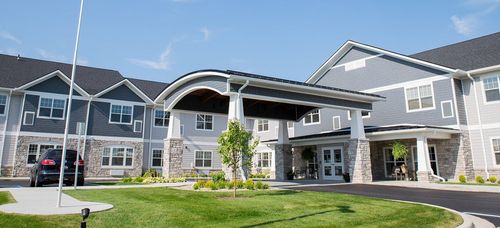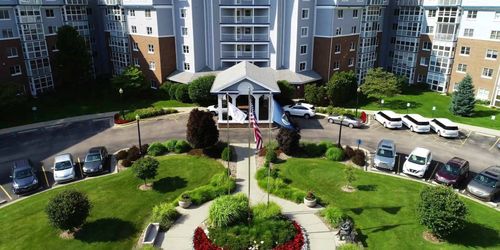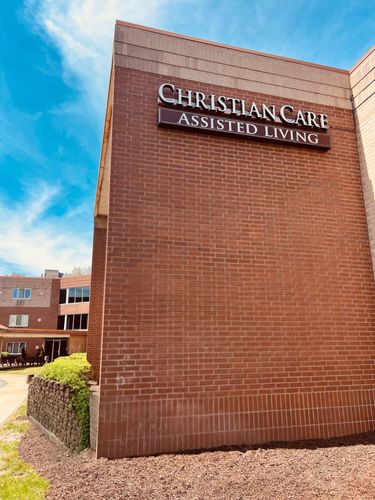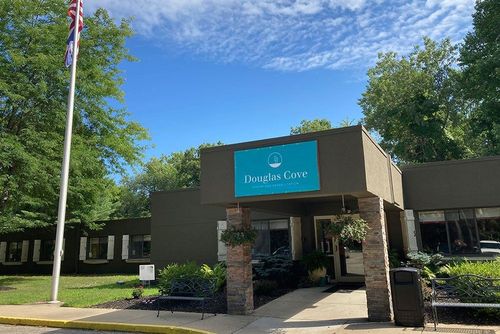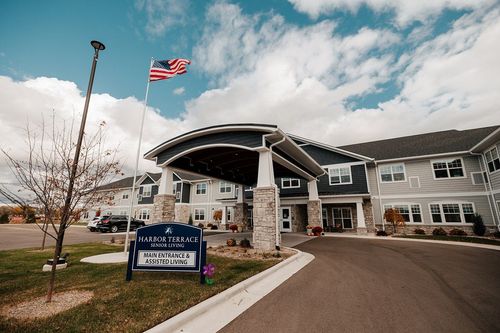
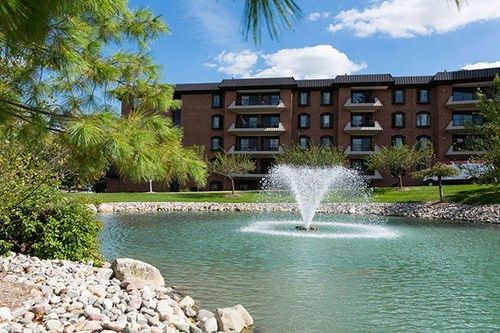

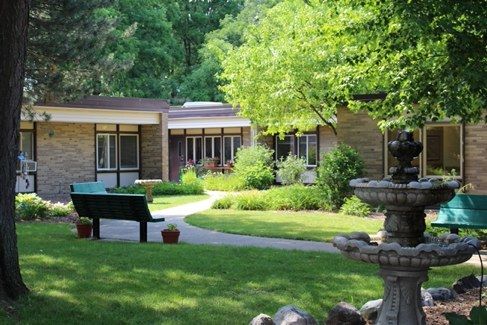


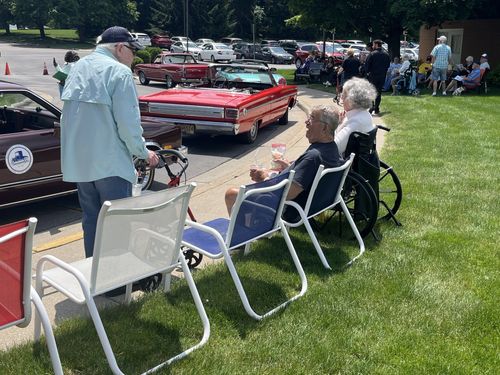
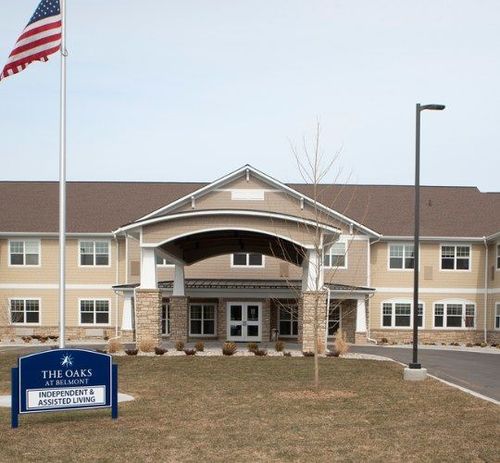
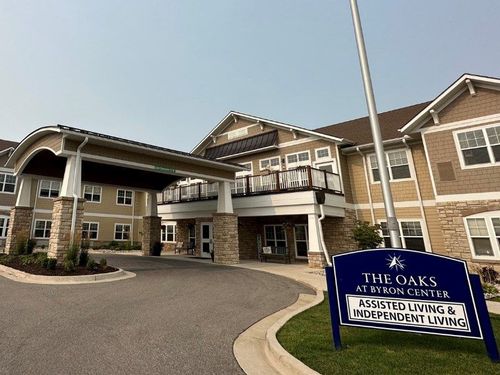

Kent County's skilled nursing care is spread across more than ten communities, from Holland Home-Breton Extended Care CENTRE and Medilodge of Grand Rapids to St. Ann's Home and Porter Hills Presbyterian Village. Some sit on larger campuses where independent living and assisted living share the grounds, while others are standalone nursing communities, and the size range runs from compact homes to buildings several times larger.
Most families reach this page within days of a hospital discharge, with a planner asking for a short list before the weekend. The first question is usually whether the stay is meant to be short-term rehabilitation after surgery, a stroke, or a hospital illness, or whether round-the-clock nursing will be needed over the long run. That answer shapes which Kent County communities make sense to call first.
Therapy, Nursing, and the Shape of the Day
Skilled nursing means licensed nurses on duty around the clock, with physical, occupational, and speech therapy available for people rebuilding strength after a hospital stay. A short-term rehabilitation resident typically spends part of each day in therapy sessions and the rest on rest, meals, and visits from family, with the goal of returning home or moving to a lower level of care.
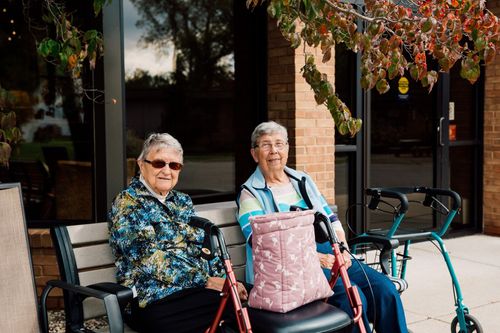
Long-term residents settle into a steadier routine, and nurses and aides help with medications, bathing, dressing, and mobility, meals are served in a dining room or at the bedside depending on the person's energy, and activity calendars give the week some structure. Residents who live in Kent County's skilled nursing communities for months or years often form friendships with staff and neighbors on the same hall.
Paying for Care in West Michigan
Starting monthly rates for skilled nursing across Kent County land around $9,002 a month, and the full spread of starting prices runs $5,674 - $12,450/mo. The gap reflects room type, the intensity of nursing and therapy a resident needs, and whether a community is a freestanding nursing home or part of a larger retirement campus.
Medicare may help with a limited stretch of rehabilitation after a qualifying hospital stay, but it does not pay for ongoing long-term care. Several Kent County communities accept Medicaid for residents who qualify financially, and timing matters, because an application started early can prevent a gap between private payment and coverage, and veterans may also have benefits worth exploring.
Kent County Skilled Care Demand and Waiting Lists
Grand Rapids and the surrounding townships have a long tradition of community-based care for older adults, and many of the nursing communities here have served the same neighborhoods for generations. That history means families often already know a name or two before they start looking.
Demand does not move evenly through the year, since hospital discharges tend to cluster around holidays and after winter illnesses, so a room that was open on Monday can be gone by Thursday. Planning ahead, even by a few days, widens the choices a family has when a discharge date arrives.
Why Families Pick Skilled Nursing Close to Home
For many Kent County families, location decides the shortlist. A community near a spouse's home, a church, or a familiar hospital makes daily visits realistic, and regular visits are one of the best supports for someone recovering or adjusting to a new setting.
Other families choose skilled nursing because needs have outgrown what a home or an assisted living apartment can safely provide, such as help with transfers, wound care, or medication schedules that require a nurse. Some prefer a community tied to a larger campus so a spouse can live nearby in a different level of care. A few communities in the county welcome pets for visits or residency, which can matter a great deal to someone leaving an animal behind.
How an Advisor Helps With Kent County Skilled Care
An advisor who works in Kent County keeps track of which nursing communities are likely to have openings, how quickly rehabilitation beds turn over, and which communities regularly work with the area's hospital discharge teams. That saves a family from calling a dozen buildings in an afternoon while a discharge clock runs down.
The advisor also helps match a building to the person: therapy needs, distance from family, budget, and the timing of any Medicaid application. When a hospital planner needs a realistic shortlist quickly, that local view keeps the process calm. Families who want to understand their options before a discharge date is set can reach out for a short conversation about what skilled nursing in Kent County looks like for their situation.
Our directory for Kent County continues to grow as we evaluate providers for quality and alignment in 2026. Reach out for a conversation about skilled nursing in Kent County, or browse the communities we have vetted at your own pace.