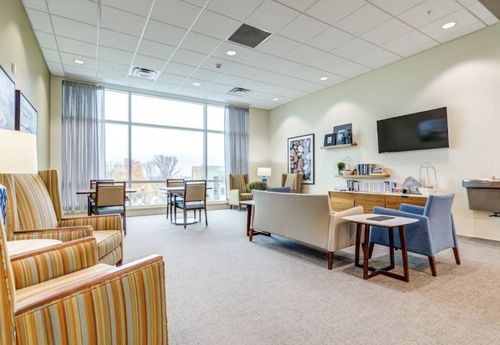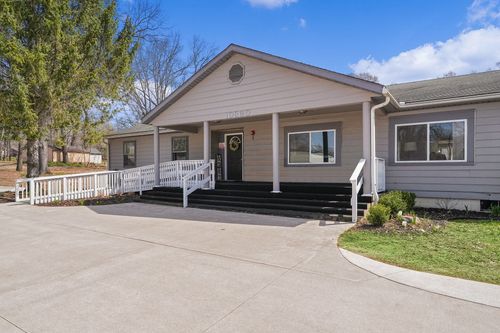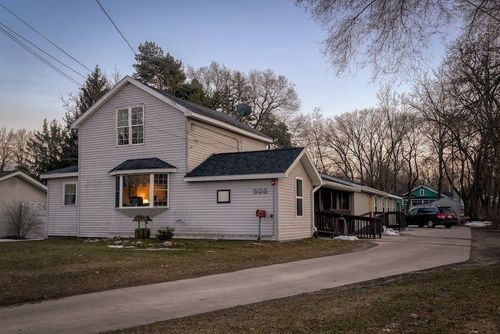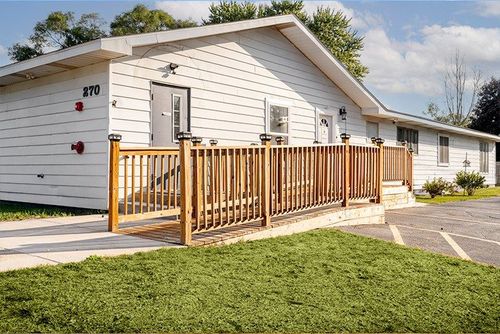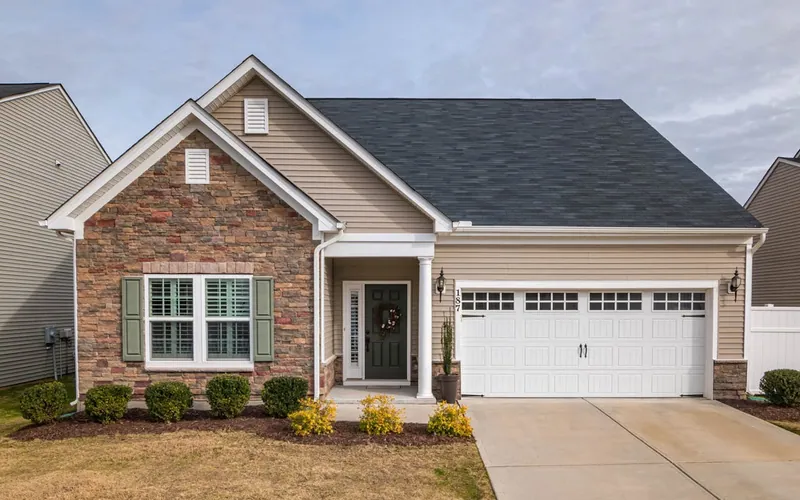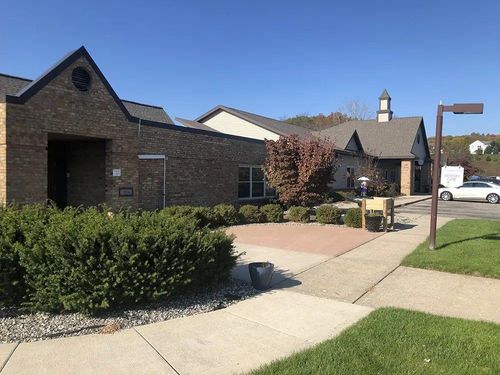
Most people who look at residential care in Lowell are looking for a way to stay in Lowell. Somebody who has shopped on Main Street for forty years, whose church is here and whose grandchildren play here, does not want to solve a care problem by moving twenty miles west into Grand Rapids where the choice is wider. Fountain View of Lowell South, listed at $4,230 a month, is the residential address in town, and that geography is a large part of why families ask about it.
Residential care means living somewhere licensed as a residence, with rooms rather than self-contained apartments, meals prepared for everybody and staff present through the night. It is a different proposition from an apartment with services attached.
Start With the Food
Of everything that changes in a move of this kind, meals are what a resident notices first and comments on longest. Somebody who has been living on toast and tea because cooking for one stopped being worth the effort is about to eat three prepared meals a day, and the difference shows up in weight, energy and mood within a month.
That makes the dining room the most useful thing to evaluate and the thing families most often skip. Ask to eat there rather than to be shown it. Look at whether residents are talking to each other or eating in silence, whether the food is cooked on site, how somebody who eats slowly is treated, and what happens when a resident does not come down. The answers say more about how a place is run than any tour of an empty room will.
What $4,230 a Month Covers
One monthly figure is the usual way these settings quote, instead of a rent with care levels charged separately on top as somebody's needs increase. Inside it sit the room, every meal, the laundry and cleaning, personal help through the day, medication management and staff on duty at night, which makes planning a year ahead considerably more straightforward.
The question to put directly is what would change it. A resident who begins needing two people for transfers, or genuine attention overnight rather than somebody simply being on the premises, may sit outside what a residential setting is staffed to provide. Establishing where that line falls, in writing, is a conversation worth having before a move rather than eighteen months into one.
What to Establish Before Committing
Two things decide whether this works over years rather than months. The first is the ceiling on care: what the license permits, how the building is staffed across a full week, and how far it can carry someone whose needs increase. The second is whether the resident wants communal living at all, because a person who values a kitchen and a front door of her own will not settle regardless of how good the building is.
Availability is the practical third consideration sitting behind those two. Lowell is a town rather than a city, so what is free changes month to month and a family that waits for a crisis usually finds the timing working against them.
Weighing Up the Lowell Option
An advisor covering eastern Kent County can establish what the license actually permits, how the building is staffed, whether a room is currently free, and how it compares with what a household could arrange otherwise. Those are the four answers that decide it, and none of them appear on a listing.
If staying in Lowell rather than moving toward Grand Rapids is what matters most to a household, reach out and the local option can be assessed properly.
Our Lowell directory keeps expanding as we evaluate providers for quality and alignment in 2026. Reach out for a conversation about residential care homes in Lowell, or look through the communities we have vetted at your own pace.