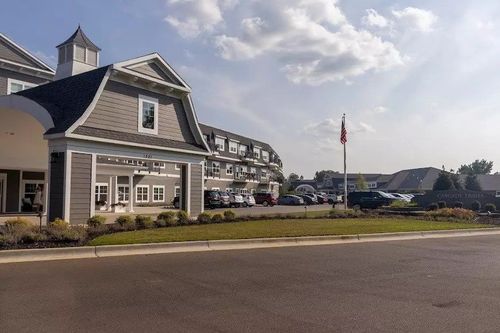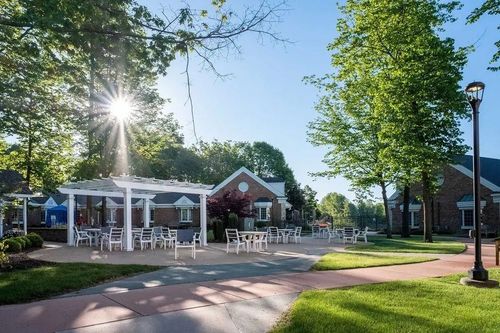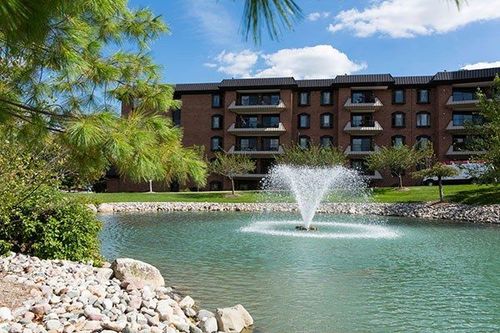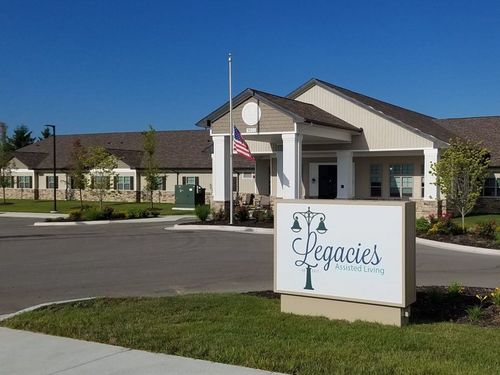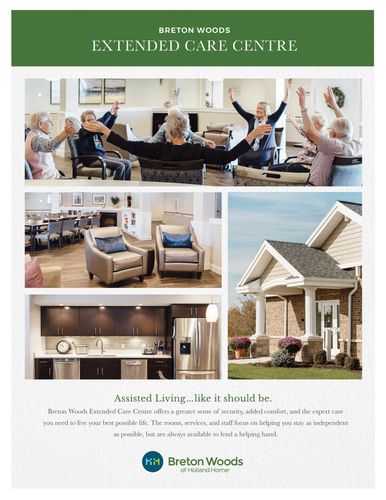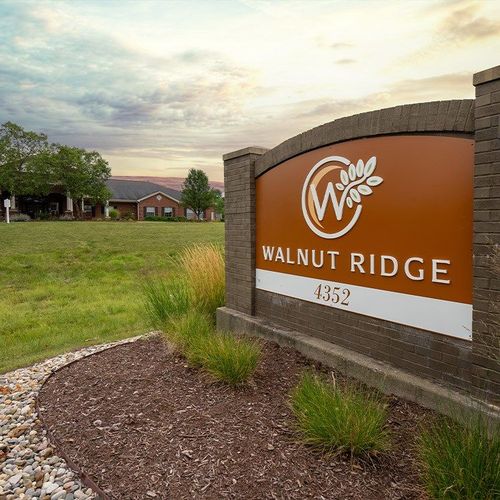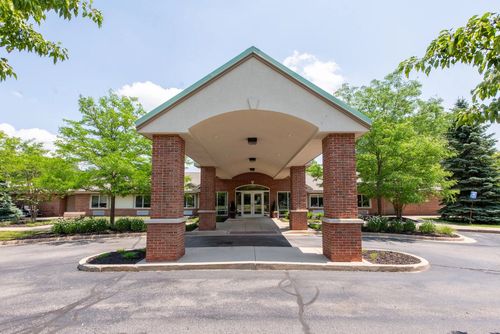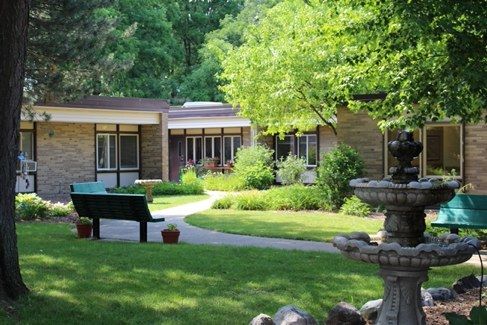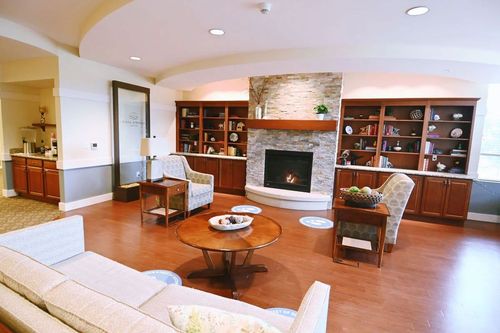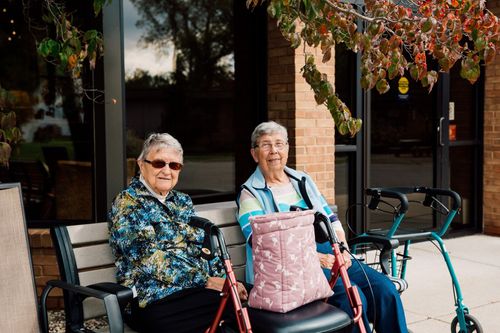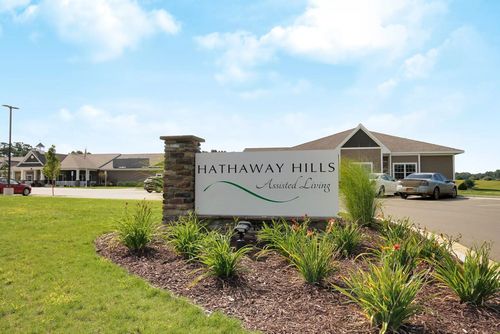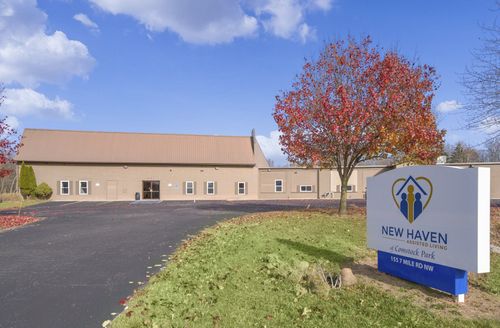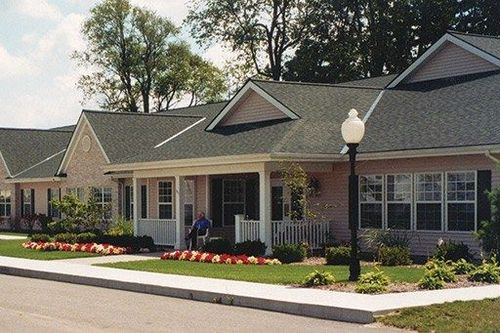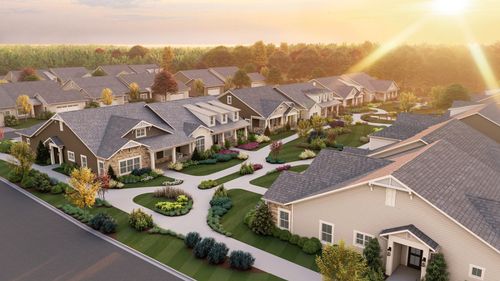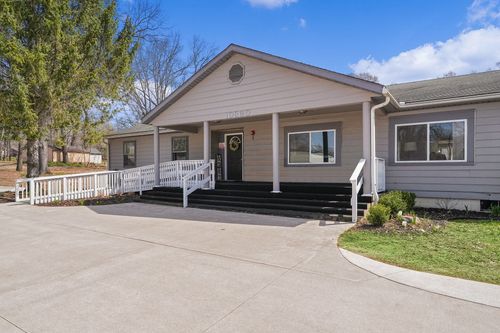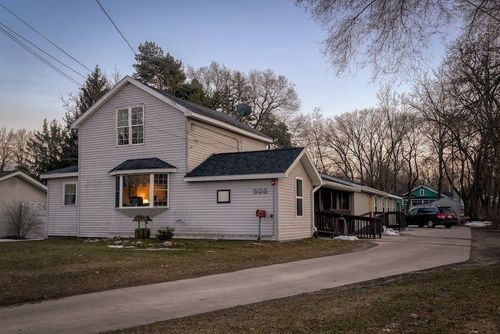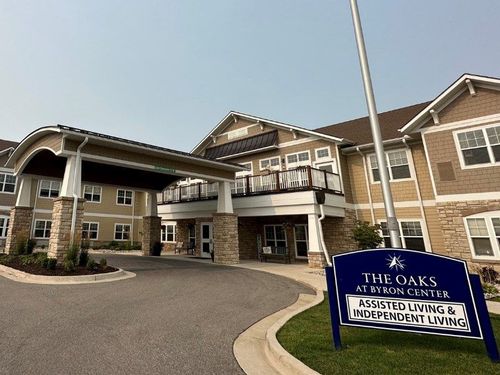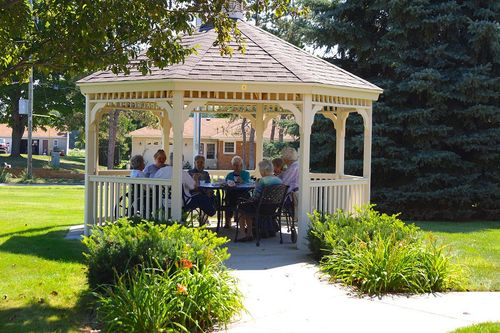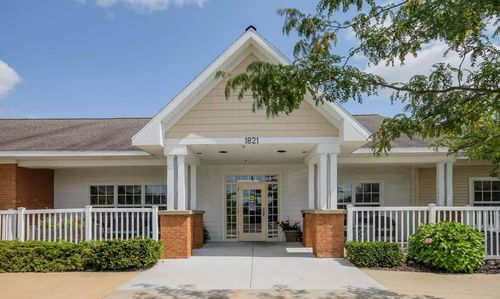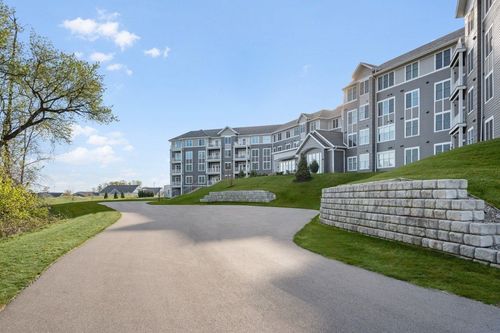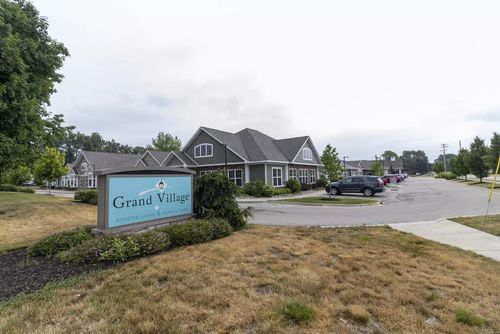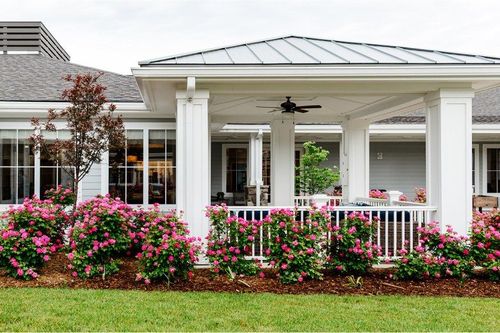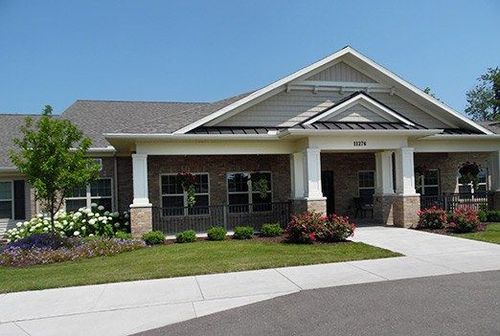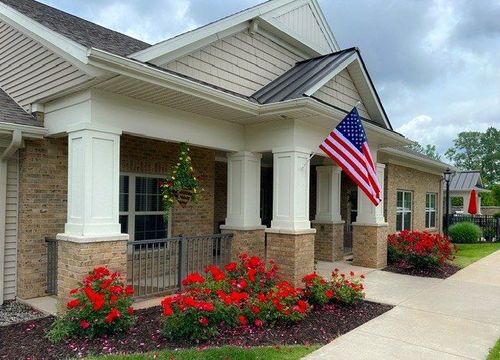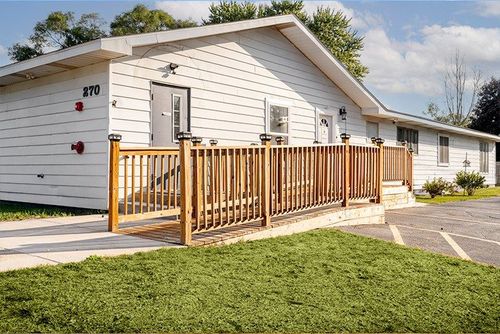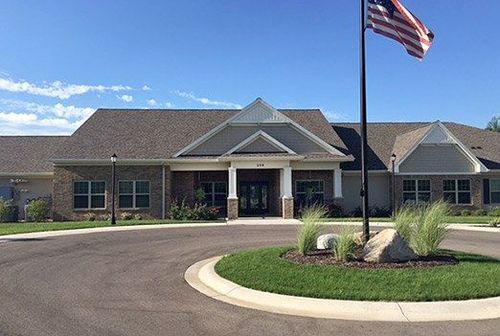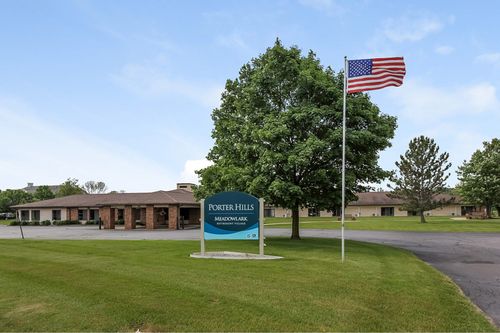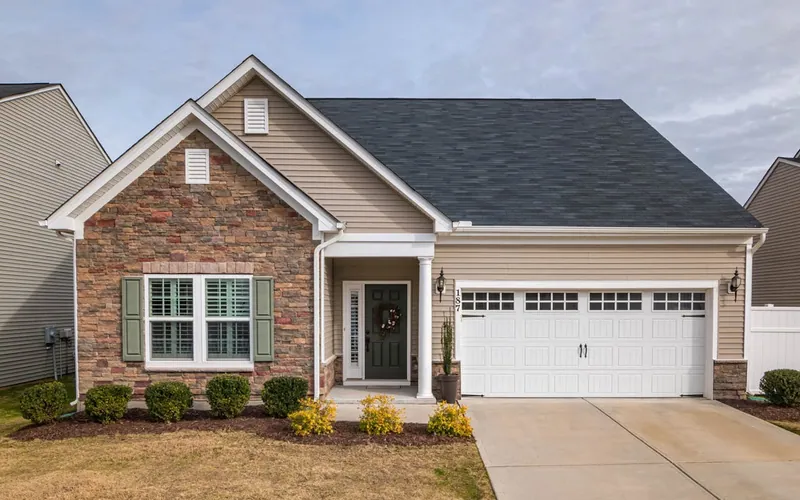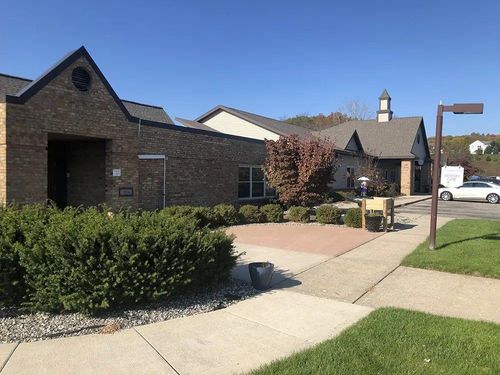
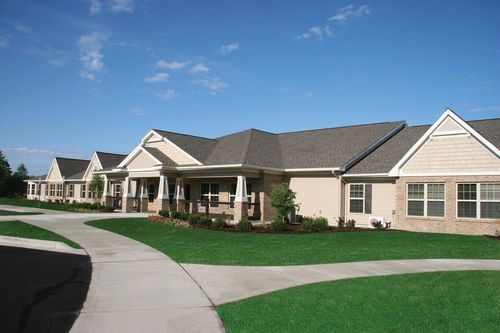

Dementia care in Lowell is a house-scale decision rather than a campus one. The buildings that take it run from sixteen beds to a little over fifty, two facing each other across Fulton Street and one a few minutes away on Foreman Street, so a family can see every option in one afternoon.
What brings a household here is the point at which the day needs a structure somebody else holds, with meals, medication, sleep and the long stretch before bedtime arranged the same way every day.
Secured Days at House Scale
A Lowell memory care household is built around repetition, with exterior doors secured and the outdoor space enclosed, so a resident who gets up and goes looking for a door finds a garden instead of Fulton Street. Meals come with hands-on help where it is needed, personal care runs through every hour rather than at scheduled visits, and staff are awake overnight instead of on call from a bed down the hall.
Scale changes the texture more than the service: in a sixteen-bed house the same two or three caregivers cover most of a resident's week, which matters enormously once a person has stopped tracking names and started tracking faces. The larger buildings bring more structure to the afternoon and more staff to absorb a hard week. Neither format is better; they suit different people, and the late-afternoon hours are where the difference shows.
What the Rates Actually Say
Published starting rates at the Lowell addresses run $4,047 to $4,700 a month in 2026, with Maple Ridge Manor Of Lowell at the lower end and Green Acres of Lowell III at the upper, and secured dementia care is quoted above those entry figures once an assessment is done, because what a household buys here is night coverage, personal care and staff time through the difficult hours rather than floor space.
The escalation terms are therefore the most important page in any Lowell quote, because dementia renegotiates whatever number a family signs at, and a building whose rate climbs in gentle steps can finish cheaper over two years than one that opened lower. No Lowell address currently bills Michigan Medicaid, so households work from private resources, a long-term care policy, or veteran benefits. The state's MI Choice waiver is a services benefit rather than a housing one, so it never reaches the rent portion of a monthly rate.
Demand at the County's Eastern Edge
Roughly 106,000 Kent County residents are 65 or older, about one in six, with the growth concentrated in the townships rather than in Grand Rapids itself. Lowell sits at the county's far eastern edge, twenty miles from downtown, and households east of Ada and Cascade tend to look here first rather than driving west into a bigger market.
Availability behaves accordingly: a small house keeps no meaningful wait list, and when a room opens the move can happen in a week or two. Respite stays are on offer here, unusual at this scale, and they give a family a way in that does not depend on a permanent room.
Why Families Keep the Search Inside Lowell
Visiting frequency matters more in dementia care than at any other level, because a resident who no longer remembers yesterday still recognizes a face that turns up on Tuesdays. A room on Fulton Street sits minutes from downtown, from the Senior Neighbors center that runs meals and company out of the First Congregational Church, and from streets a resident has driven for forty years.
Lowell keeps its own downtown and weekly rhythm rather than dissolving into a Grand Rapids suburb, and that continuity does real work for someone whose memory is thinning. The drive west stays available, with Corewell Health Blodgett in East Grand Rapids and Butterworth downtown carrying the hospital care behind any change in condition.
What a Local Advisor Brings to Lowell
A short list sounds like an easy choice until a family learns the addresses do not all draw the line in the same place. One will keep a resident who paces the halls after dinner and another will not. An advisor who has been inside all of them knows where each line sits, which has a secured room open now, and what the move from an assisted level to the secured side changes: a rate, a hallway, or a building.
That collapses a confusing choice into three real questions: how far family will drive, how much structure this person needs, and what the rate looks like eighteen months out rather than in month one. If those are the questions in front of you, twenty minutes to talk it through is worth more than another tour.
We keep expanding our Lowell coverage as we evaluate providers for quality and alignment in 2026. Start the conversation about memory care in Lowell, or look through the buildings we cover at your own pace.